 1-866-438-8677
 +27-21-481-4900
 1-888-360-2392
 1-800-619-441
 0800-404-9451
 800-852-6502




Popular
All Currencies
No currencies match your search.

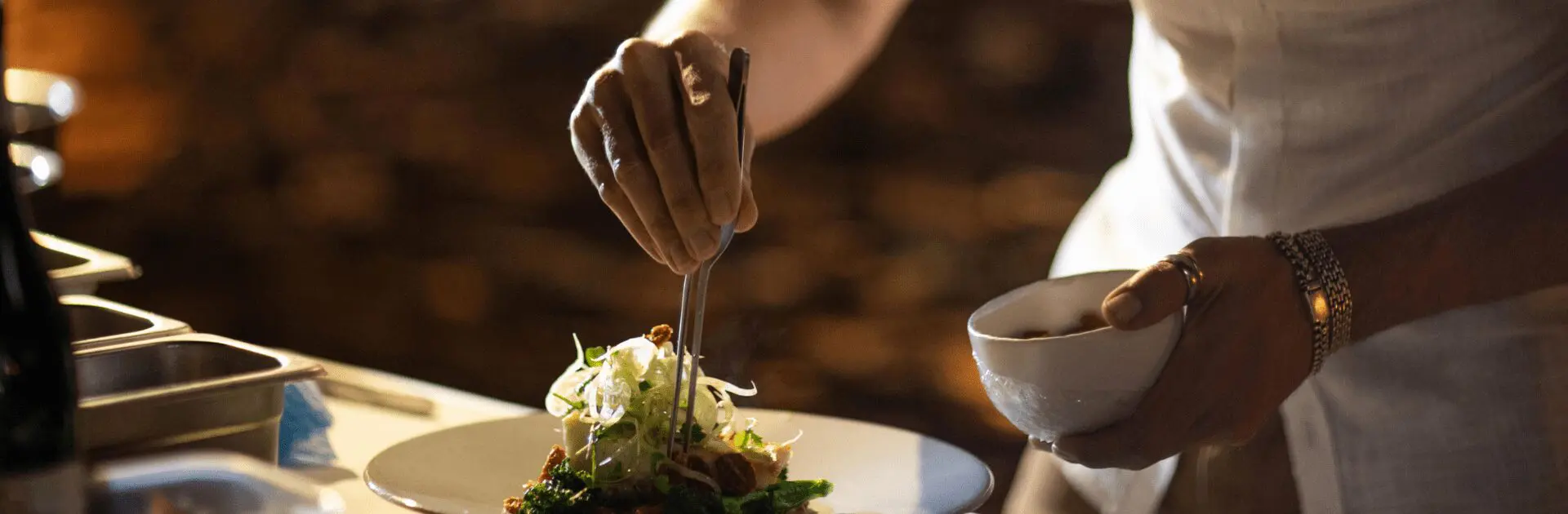
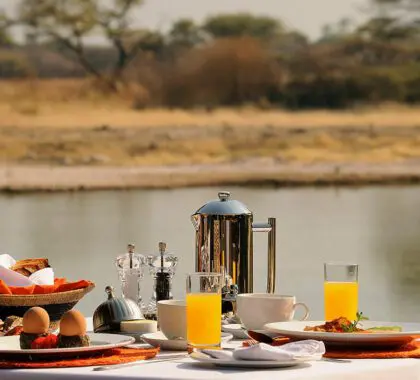
As the light spills across the savannah, you find yourself seated at a linen-draped table beneath the wide canopy of an acacia tree. The air is cool, the coffee rich, the scent of freshly baked bread mingling alongside wild sage and dust. Somewhere in the distance, a lion calls. This is a safari at its most sensory, and in 2026, food is no longer a footnote to the experience. It's part of the story.
The best African safari lodges for foodies in 2027 do far more than serve exceptional meals. They interpret the landscape around you. Along Zambia's Zambezi River, riverside lunches celebrate locally sourced ingredients, shaped by the river’s rhythm. In Kenya's Masai Mara, farm-to-table safari dining reflects the richness of the surrounding conservancies and neighbouring communities.
At Go2Africa, we believe a safari should engage all five senses. Wildlife may draw you to Africa, but it's the layered details, the flavours, the conversations around the table and the connection to community that stay with you long after you return home. The lodge's we've selected for 2027 combine extraordinary game viewing with thoughtful, locally rooted cuisine.
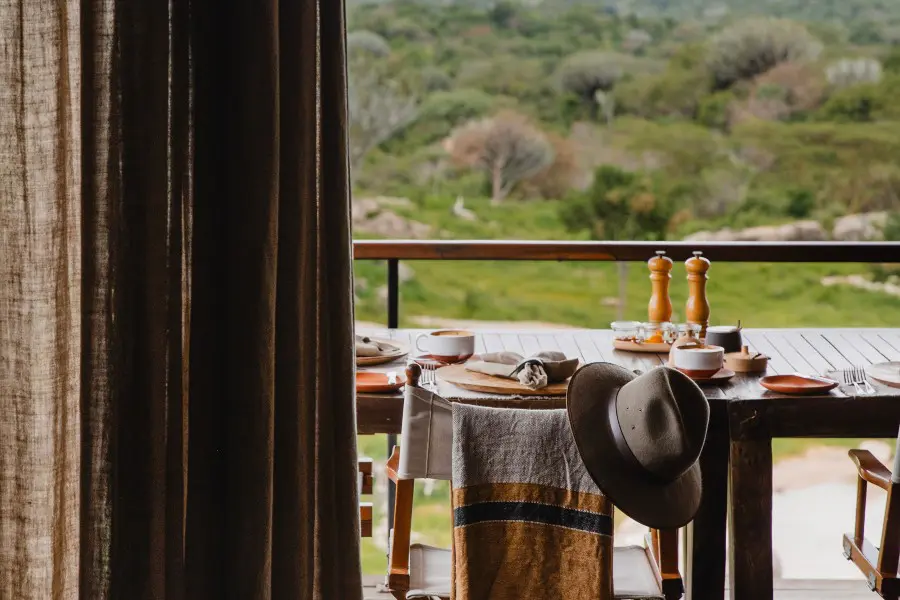
Not long ago, safari lodges tended to serve familiar international dishes, relying on ingredients that could withstand the long journey from distant cities. The remoteness of the camp kitchens meant menus were created by what could travel well, rather than what was fresh or local.
A foodie safari is a journey where the thrill of tracking wildlife in the bush is matched by authentic flavours, rare ingredients, and the stories behind local dishes. Today, food is woven into the very fabric of the safari experience. Across Africa, Chefs take their cue from the land, creating ever-changing menus that celebrate the region's harvests and seasonal produce. In 2027, culinary safaris are redefining the journey, with contemporary African cuisine that is every bit as memorable as the wildlife.
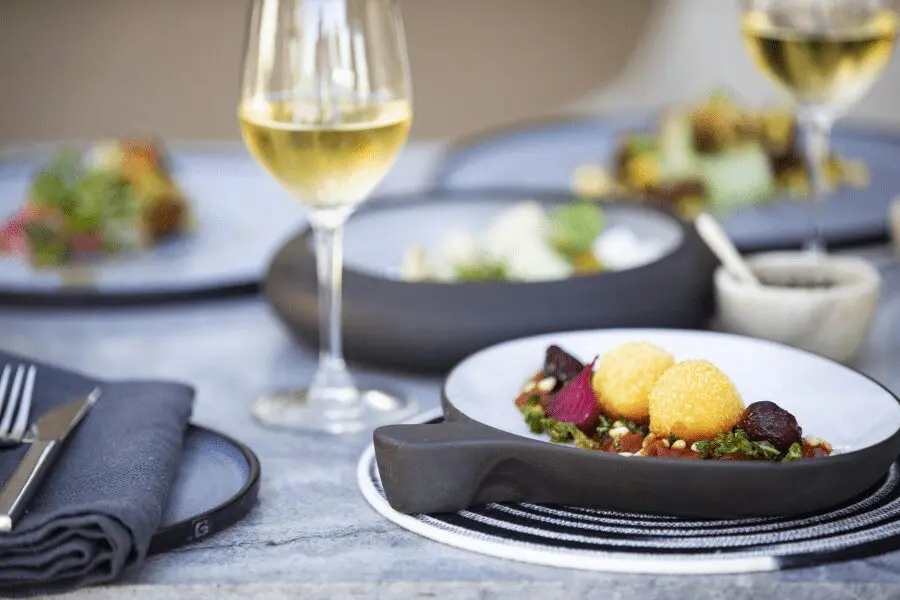
A true safari lodge for food lovers blends culinary expertise with a deep sense of place. Chefs craft their menus around what is in season, often working closely with nearby farmers and communities. During your stay, you might chat about the evening's menu, join a gentle cooking class, or discover flavours grounded in local tradition.
The setting is as important as the food itself. Imagine bush breakfasts at sunrise or lantern-lit feasts beneath a starry sky. Open-fire cooking and private tasting menus in the bush turn every meal into an adventure. As you dine, let the sounds of nature surround you. From the plains of East Africa to the untamed beauty of South Africa, degustation menus paired with fine wines make dining a highlight you will always remember.
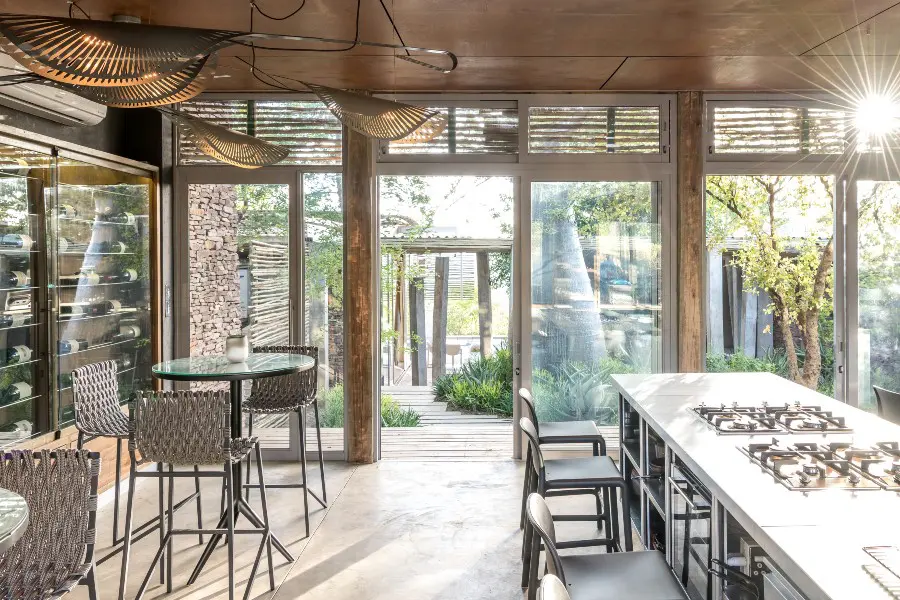
Perched high above the N'wanetsi River within a private concession of Kruger National Park, Singita Lebombo feels as though it floats between cliff and sky. Floor-to-ceiling glass draws the outside in, framing vast stretches of rugged bushveld and ancient rock formations that glow golden at sunset.
Dining here is built around a spirit of discovery. In collaboration with Chef Liam Tomlin, founder of Chefs Warehouse, the culinary experience is presented through tapas-style tasting plates designed to be shared and savoured slowly. Chefs Warehouse is one of South Africa's most respected restaurant collectives, known for its globally inspired small plates, seasonal produce, and relaxed yet refined dining philosophy. At Lebombo, that same ethos translates into colourful, ever-evolving menus created by the freshest local harvests and responsibly sourced ingredients.
You're invited beyond the dining room and into the kitchen itself, where hands-on cooking sessions let you recreate signature dishes or reinterpret South African classics. It's an opportunity to connect more closely with the craft behind each plate, and with the people who prepare it. When you take part, you also support the Singita Culinary School, a community initiative that equips young people from neighbouring areas with professional hospitality training and career pathways.
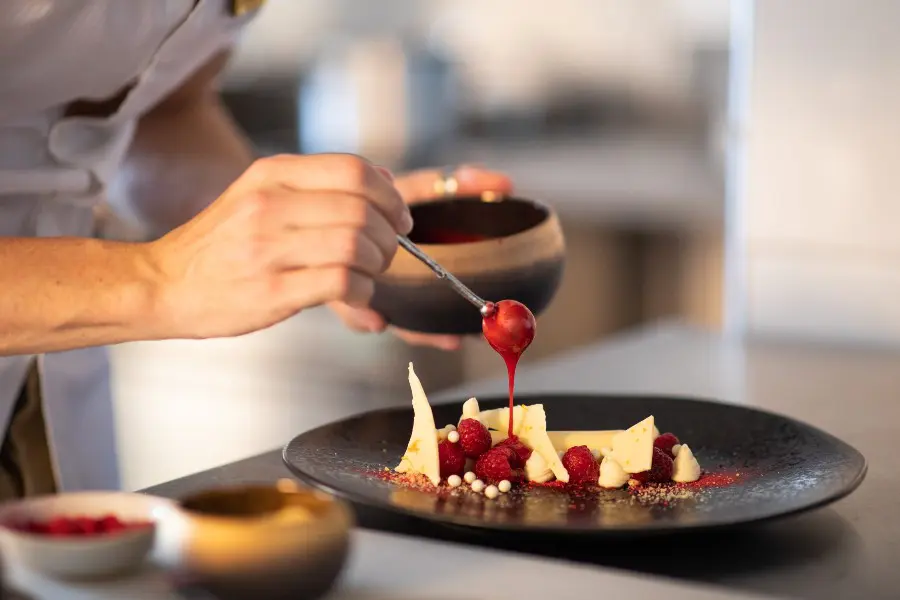
Within the malaria-free wilderness of Madikwe Game Reserve, Jamala Madikwe is a dining experience that feels as exclusive as the lodge itself. Under the direction of Executive Chef Nico Verster, each plate is a careful composition of flavour, texture, and visual artistry, refined without ever feeling contrived.
Here, South African ingredients take centre stage, elevated by subtle European technique. Multi-course dinners are thoughtfully paced, letting you savour each dish as it arrives, perhaps Karoo lamb with delicate seasonal accompaniments or freshly sourced seafood layered with local produce. Each course is paired with carefully selected wines from South Africa's top estates, chosen to enhance rather than overpower the food.
Between game drives, your days are punctuated by elegant yet relaxed dining moments. You might linger over an alfresco lunch overlooking the bush, indulge in a beautifully presented high tea as wildlife gathers at the nearby waterhole, or settle in for a candlelit dinner that feels both grand and truly personal.
Positioned high on the Oloololo Escarpment, Angama Mara looks out across the Masai Mara in a panorama that feels virtually cinematic. The plains spread endlessly below, wildlife moving like brushstrokes across the landscape, while the lodge itself carries a quiet elegance that immediately settles you into the experience.
The kitchen's take on classical safari food balances comfort with liveliness, pairing local flavours with subtle global influences. Try a traditional Kenyan sharing platter of nyama choma (barbequed beef), ugali (East African corn porridge), and kachumbari (a fresh tomato-and-onion salad), which brings an authentic sense of place, while fresh baked bread and thoughtful attention to dietary needs add a soulful warmth to your stay.
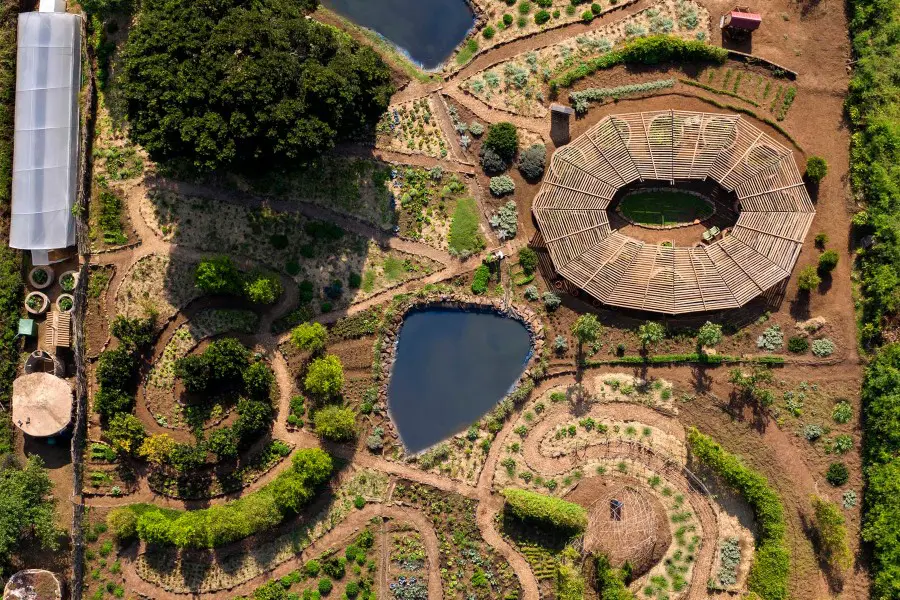
The same attention carries through to the kitchen's shamba-to-table philosophy. ‘Shamba’, meaning ‘small garden’ in Swahili, reflects the lodge's devotion to produce grown on-site and sourced from nearby communities.
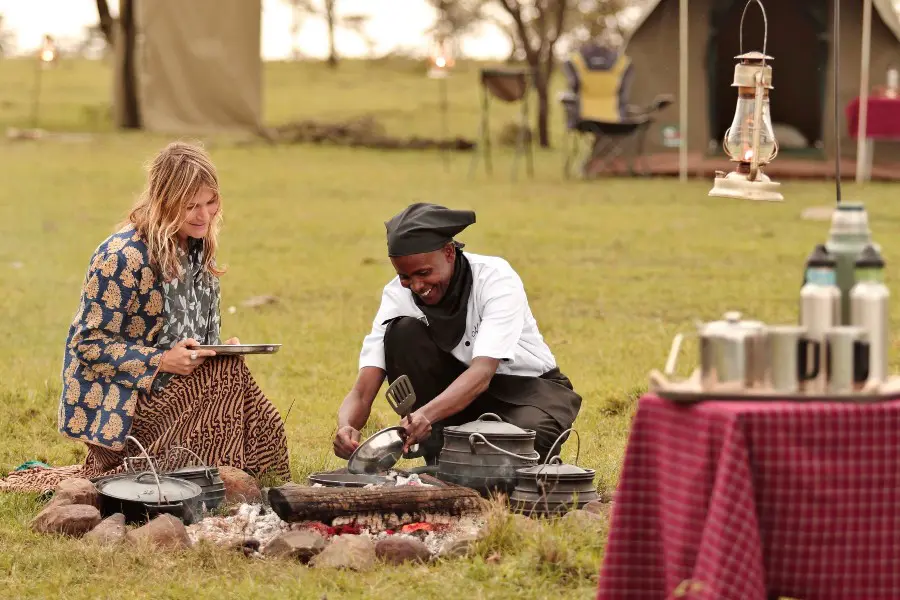
Set within the private Mara Naboisho Conservancy bordering the Masai Mara National Reserve, Naboisho Camp feels wonderfully removed from the busier safari routes. Wildlife is abundant and year-round, with elephants and buffalo frequently moving through the open valley and lions are often heard after nightfall.
If you are staying a little longer, fly camping is one of Naboisho's most memorable culinary highlights. A gentle guided walk leads you away from the main camp to a secluded overnight setup, where a three-course dinner is prepared over the fire beneath open skies. Dishes such as slow-cooked lamb served with ugali feel simple yet truly satisfying.
Beyond the table, Naboisho's connection to the Masai community and the conservancy's conservation model adds a profound insight to your stay. It is this combination of exceptional wildlife, understated hospitality, and a true sense of place that makes Naboisho feel both real and unforgettable.
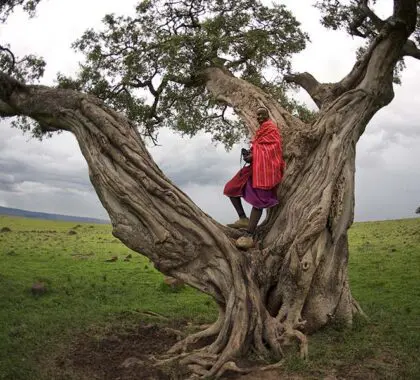
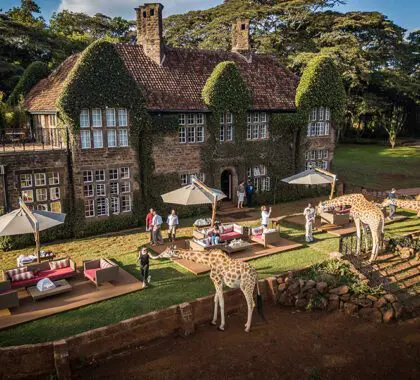
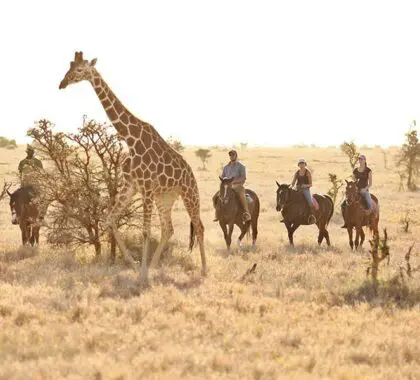
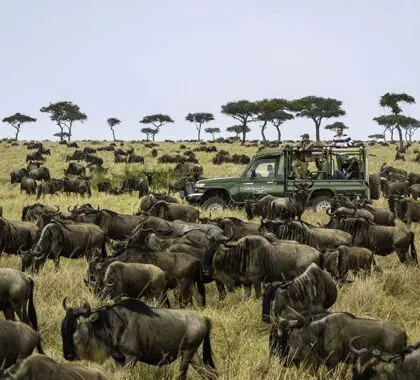
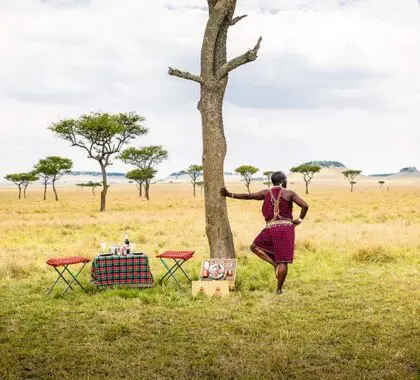
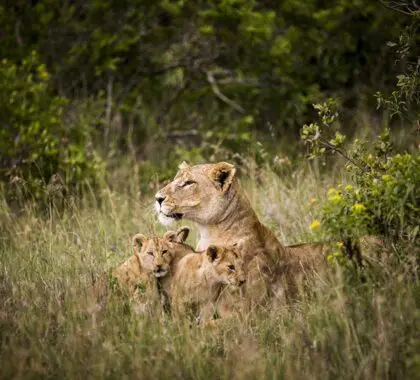
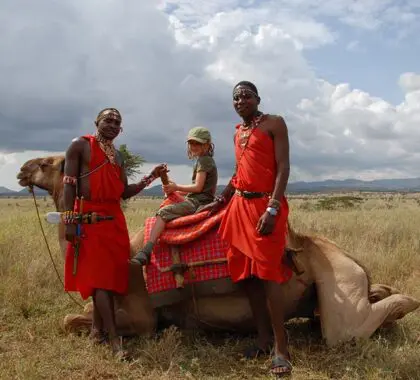
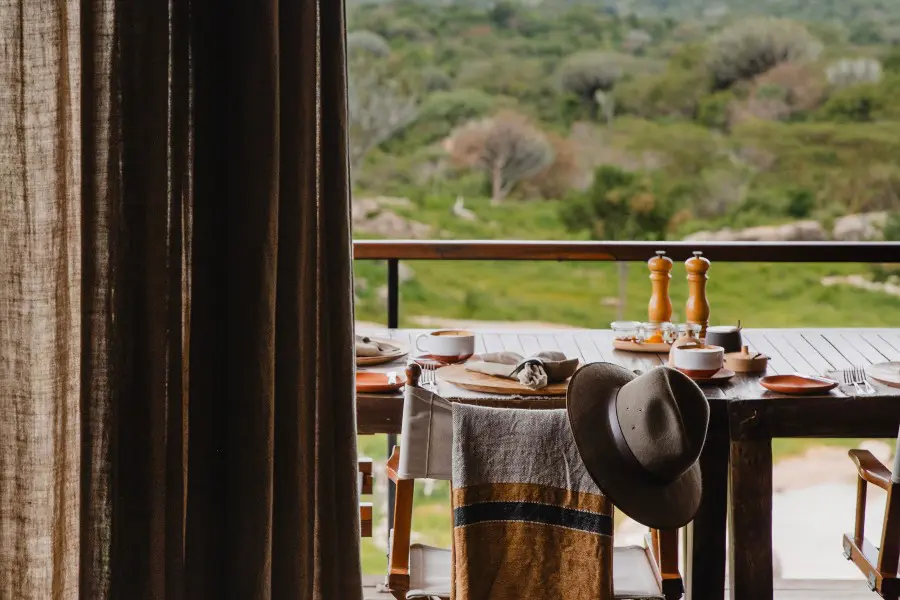
At Mwiba Lodge, the landscape quietly shapes your days. Amid ancient granite boulders overlooking the Arugusinyai River gorge, the setting feels both vast and private, a place where wildlife moves undisturbed, and the landscape feels entirely your own.
Your mornings start calmly with warm pastries, tropical fruit, and local coffee before you go out into the reserve. Later, relaxed family-style lunches bring everyone together, while evenings unfold through thoughtfully prepared three-course dinners that feel elegant and unforced. Between drives, you might find yourself relaxing with a quiet sundowner on your balcony or returning from safari to something sweet drawn from the lodge's own honey harvest.
Honey has a special story here. Walking with the Hadzabe community, you follow the honeyguide bird through the bush to hidden beehives, seeing a bond between people, land, and wildlife that has lasted for generations. Back at camp, the same honey is used in your food, connecting your experience to the flavours you taste.
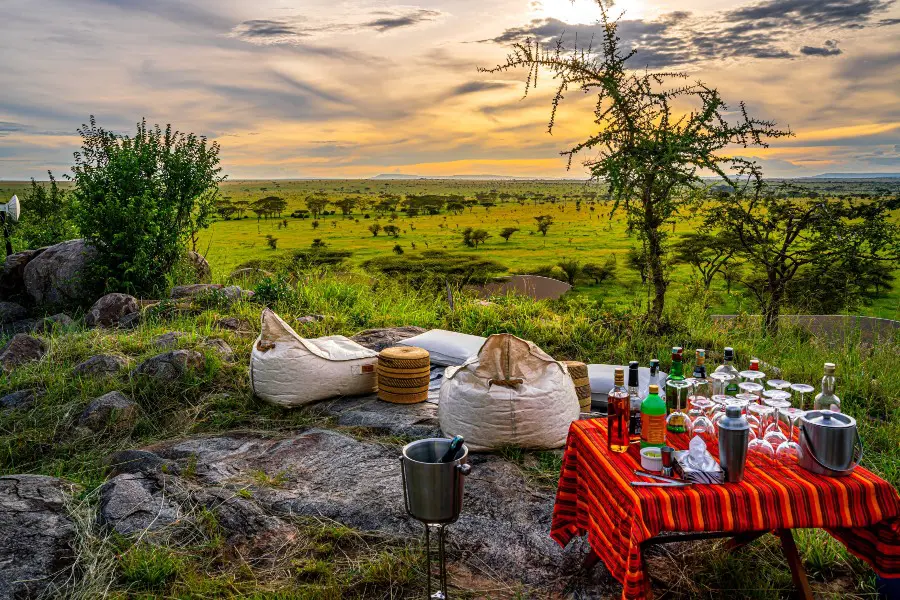
Surrounded by rocky kopjes and ancient acacia trees, Lemala Nanyukie places you within one of the Serengeti's most wildlife-rich regions, where big cats rest on sun-warmed outcrops, and herds drift across the plains beyond camp.
Dining here is easy going and fits your day instead of following a strict schedule. A bush breakfast during a morning drive lets you stay out longer, while leisurely lunches back at camp offer shade, conversation, and sweeping views across the savannah. As evening settles, lantern-lit dinners bring a quiet sense of occasion without ever feeling formal.
The camp's proximity to Seronera places you in one of the Serengeti's most consistent predator territories, where wildlife often moves within sight of camp itself. Exceptional year-round predator sightings and seasonal migration movement mean that picnics, sundowners, and even afternoon tea are often accompanied by passing wildlife.
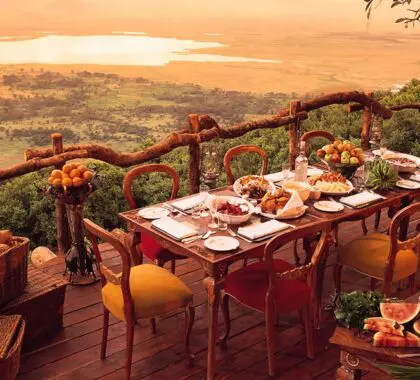


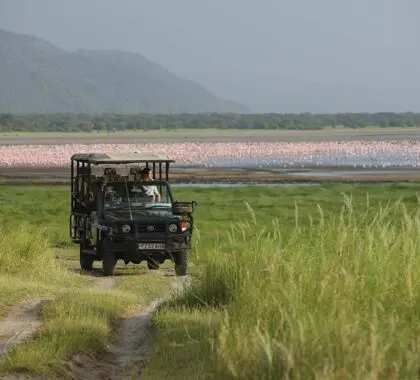

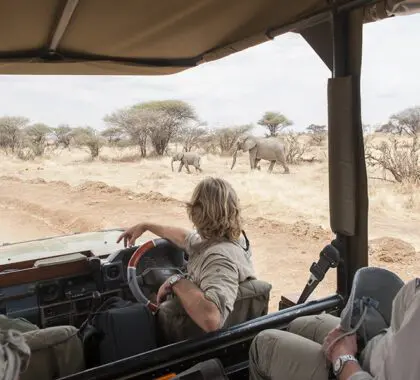
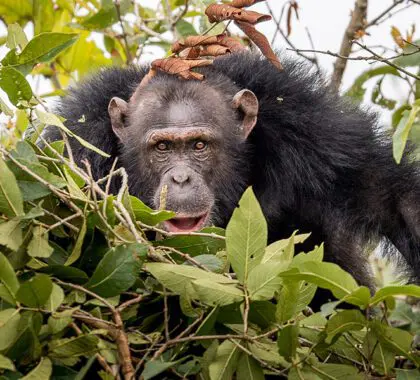
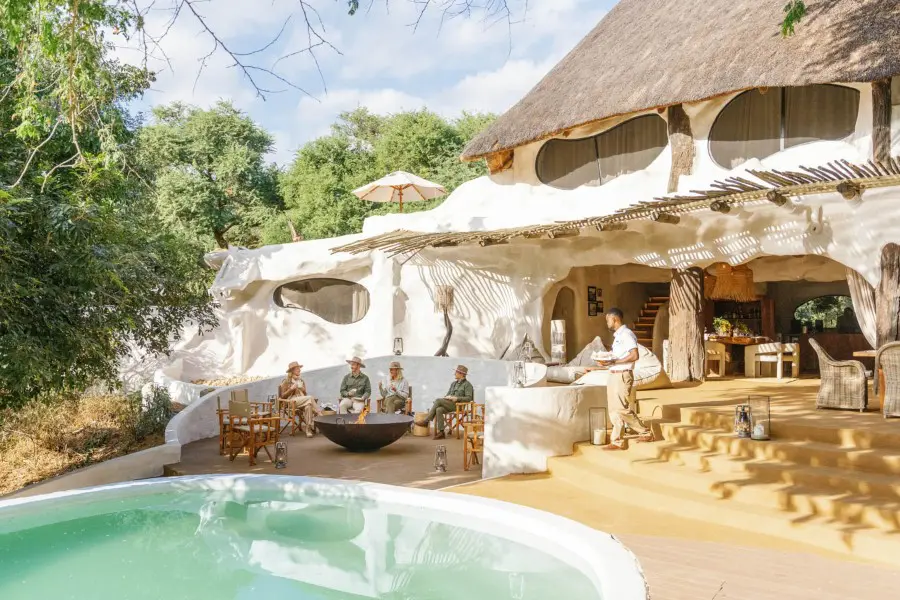
On the banks of the Chongwe River, Chongwe House feels more like a private safari home than a traditional lodge. The river remains a constant presence in the sound of birds at breakfast, the peacefulness of midday shade, and the golden light that settles across the water each evening.
Dining at Chongwe feels personal and unhurried. The chef works closely with you throughout your stay, matching menus around your tastes and preferences rather than following a fixed routine. Conversations in the kitchen often turn to ingredients, cooking techniques, and inspiration behind each dish.
What makes Chongwe memorable is how naturally food fits into your day. A surprise table beneath a tree, drinks served on a sandbank, or dessert enjoyed while watching elephants cross the river, these moments feel spontaneous rather than arranged.
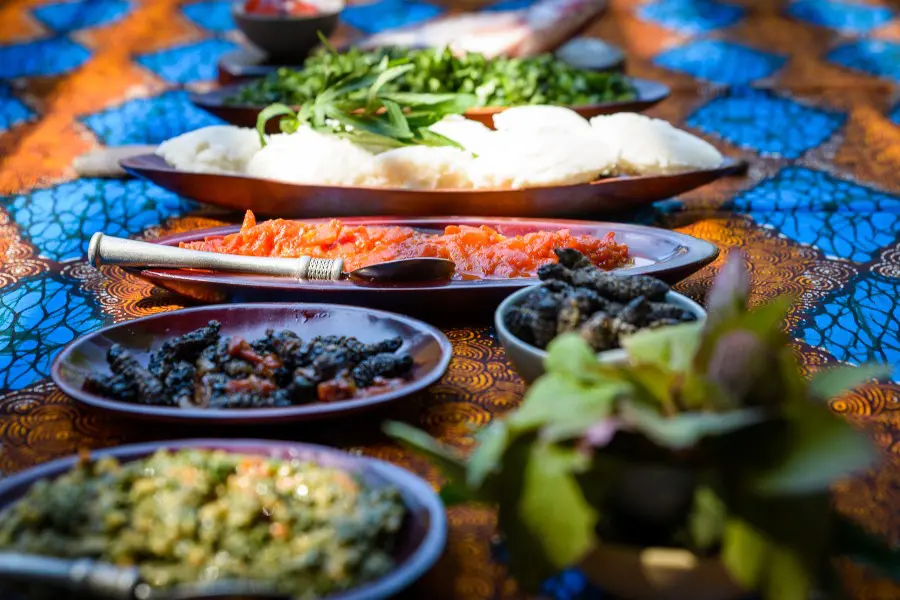
Situated beneath ebony trees along a peaceful stretch of the Zambezi River, Sussi & Chuma Lodge balances proximity to Victoria Falls with a feeling of peace that feels far removed from the crowds.
Meals have that same symmetry. Local ingredients from Livingstone are used to make dishes that mix regional flavours with familiar favourites, so you can try something new without stepping too far outside your comfort zone. Try local game meats like crocodile curry or impala stew which might be served with lighter accompaniments, all best enjoyed with the quiet river in the background.
Spend your evenings with a drink overlooking the water before dinner unfolds either riverside or on your private deck. This setting does much of the work, with soft lantern light, the far-off sound of hippos, and the feeling that time has slowed.
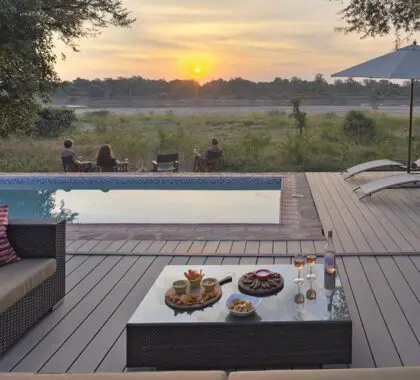

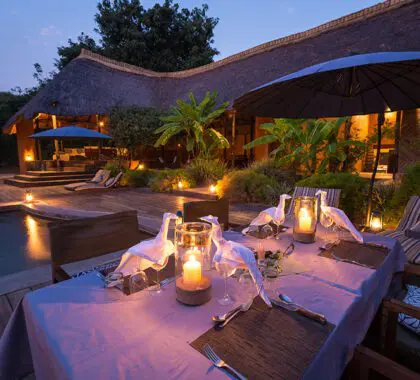
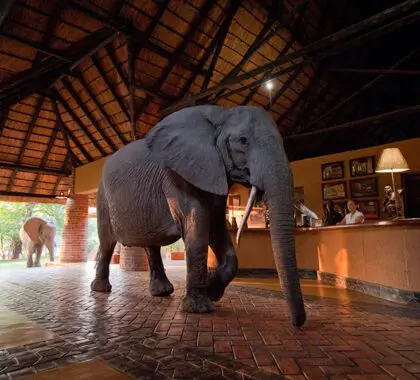
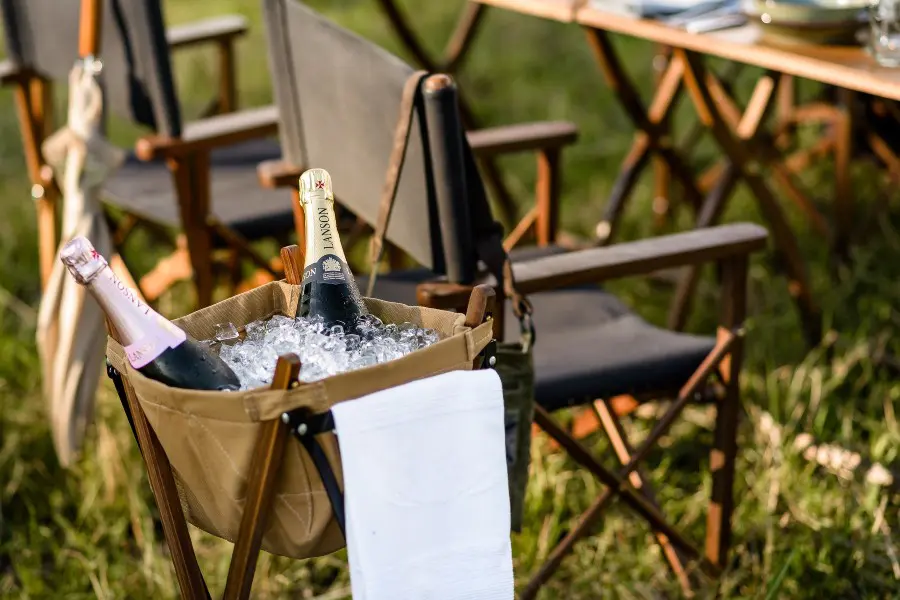
Deep within the Okavango Delta, Xigera Safari Lodge does not simply sit in the landscape; it responds to it. The lodge is moulded by art, architecture, and wilderness in equal measure, with each space intentionally crafted by African designers and artists. Here, every element has a story and purpose.
This same precision defines the kitchen. Led by Executive Chef Ziyaad Brown, the culinary direction is disciplined rather than ornamental. Ingredients are selected for seasonality and clarity of flavour. Wild-harvested ingredients from the Delta sit alongside produce sourced from small-scale farmers near Maun, creating vibrant dishes that feel distinctly Botswanan.
A climate-controlled cellar houses rare vintages and handcrafted bottles from the family-owned Bouchard Finlayson vineyard in South Africa's Hemel-en-Aarde Valley. Savour expertly paired wines chosen to lift flavours on the plate without ever overpowering them.
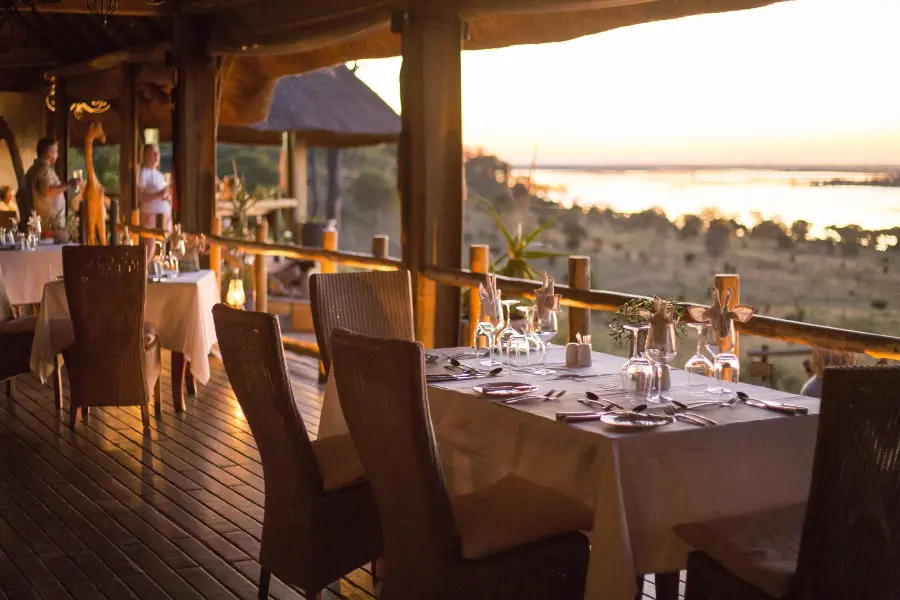
Sitting above the Chobe floodplains, Ngoma Safari Lodge looks out across a landscape defined by movement: elephants at the water, buffalo crossing the grasslands, and shifting light that transforms the view throughout your day. From this elevated vantage point, you can watch herds move across the floodplains below, especially during dry season when wildlife gathers near the Chobe River.
Your mornings here begin lightly before heading out on safari, followed by coffee enjoyed in the open air and a generous brunch back at camp. Afternoon tea brings a slower pause before your evening drives, where sundowners often unwind against sweeping views across the plains.
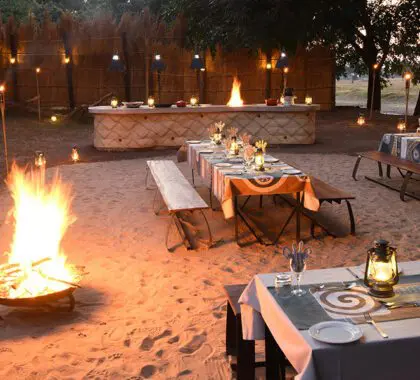
As night settles over the reserve, dinner is served fireside, with dishes created over open flames and paired with South African wines chosen to complement each flavour. The relaxed atmosphere invites stories as the simple joys of good food and company bring a perfect close to a day in Chobe's untamed beauty.
Yes. Many luxury safari lodges are ready to accommodate vegan and vegetarian diets. Skilled chefs use fresh local produce to create plant-based meals made to your tastes and preferences.
Yes. Many gourmet safari lodges in Africa focus on private dining and thoughtful details. Lodges are happy to adapt menus, plan celebrations, or arrange intimate meals so couples can mark the special occasion in a way that feels personal and memorable.
A culinary safari is a great way for first-time travellers to get comfortable with the safari experience while exploring a place through food. Along with seeing wildlife, you enjoy carefully prepared meals that introduce local ingredients, traditions, and creative cooking techniques.
If you’re new to safari travel, our Safari 101 guide offers helpful tips on what to expect and how to choose the right lodge for your first safari.
Safari lodges are flexible, offering meals to suit a variety of dietary needs while blending familiar dishes with local pièce de résistance.
Absolutely. Speak to one of our Africa Safari Experts to create a safari that includes some of the best African lodges for foodies in 2027.