



What to Expect on a Laikipia Safari in Kenya
-
Startseite
-
Blog
-
What to Expect on a Laikipia Safari in Kenya
Laikipia und Lewa haben vielleicht nicht den gleichen Bekanntheitsgrad wie die Masai Mara oder Amboseli Sie sind aber ebenso lohnend für erfahrene Safaritouristen, die etwas abseits der ausgetretenen Pfade suchen und dabei weder an der Tierwelt noch an komfortablen Unterkünften sparen wollen.
Laikipia may not have the same household name or recognition as the Masai Mara or Amboseli, but is just as rewarding for seasoned safari goers who are looking for something a little off the beaten track that doesn’t stint on wildlife or luxury accommodation. Despite its more remote locale, as Kenia-Safaris go, it's up there with the best when it comes to wildlife and landscapes.
Named after the Ilaikipiak tribe, the area's safari ethos can be boiled down to, ‘low visitor numbers, limited accommodation, and a more exclusive experience'. Traveller numbers are carefully controlled and the survival of species like rhino, wild dog, and Grevy's zebra is paramount – huge amounts of money and security are poured into their safekeeping. This is truly a place where you can feel your safari dollar goes straight back to the wildlife. So, what should you expect on a Laikipia safari?
Landschaft
Laikipia: Conservation, Adventure, and Wildlife All in One

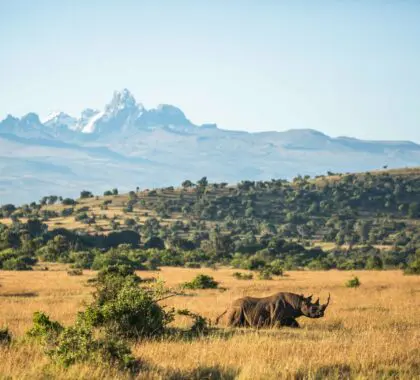
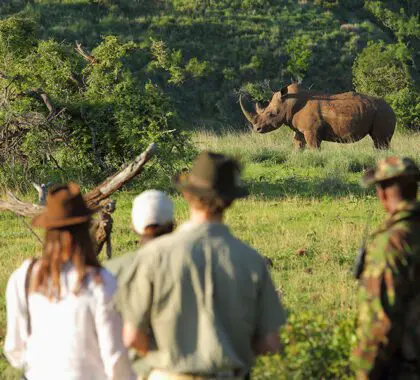
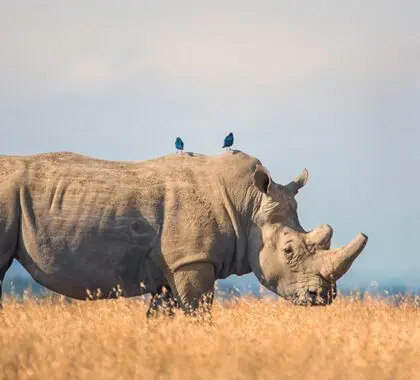
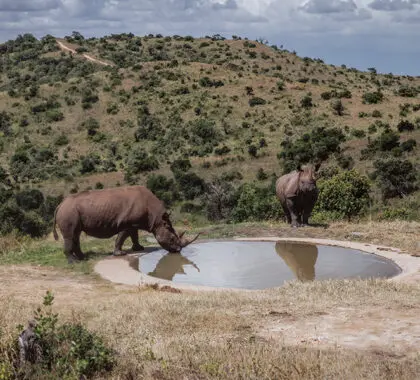
Once home to massive livestock ranches, Laikipia and the Lewa Wildlife Conservancy are now Kenya's premier places to see white rhinos and black rhinos, thanks in part to those same ranchers converting much of their land into successful conservation projects. This is also a great place to learn more about chimpanzees, which find refuge and shelter at the Sweetwaters Sanctuary in Ol Pejeta.
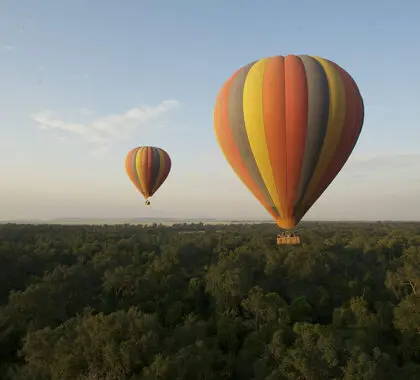
Add in unusual activities like scaling Mount Kenya, camel trekking, and add flips in a vintage open cockpit biplane, Laikipia is made for adventurous travellers.
Is Laikipia Worth Visiting and Why?
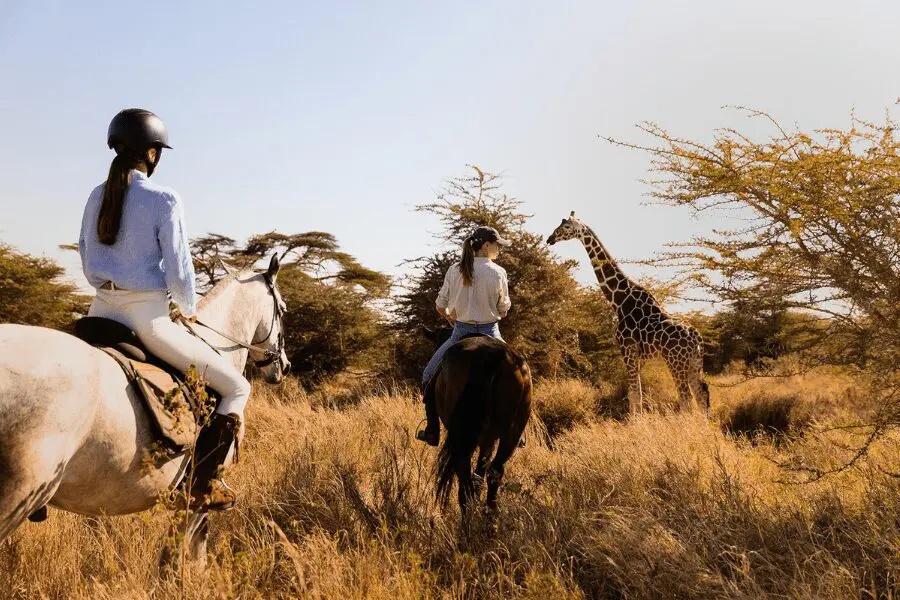
When compared to other Kenyan safari destinations, Laikipia may seem small or insignificant in comparison. The truth is, while it may be smaller and less well-known, it's coveting a myriad of fantastic reasons to visit.
Fewer Crowds & Safari Traffic
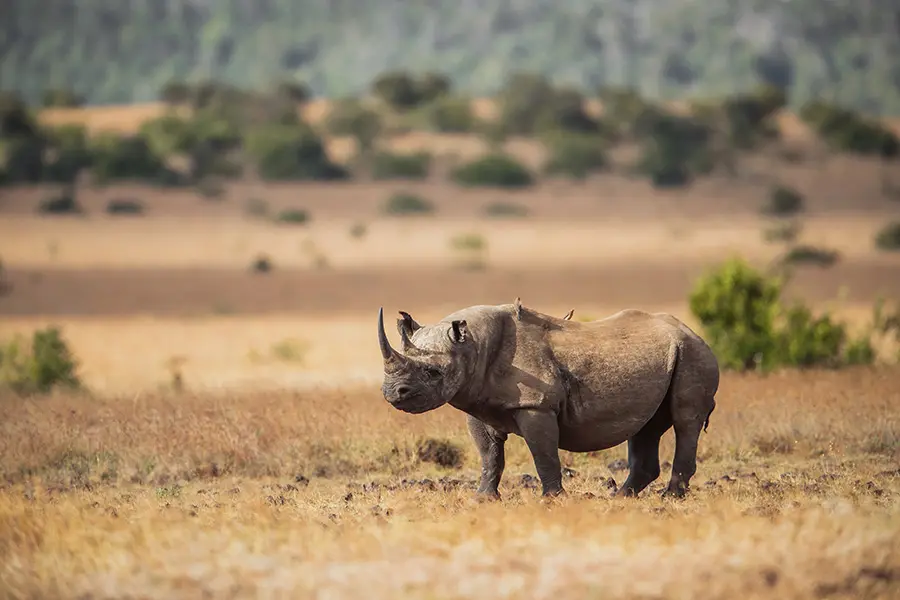
As most travellers opt for Kenya's safari giants, step into a slower, more relaxed, and less crowded experience in the Laikipia Plateau. With fewer camps and lodges, and lower levels of safari ‘traffic', sightings are yours, and sometimes yours alone, to enjoy.
Enjoy Unique Activities

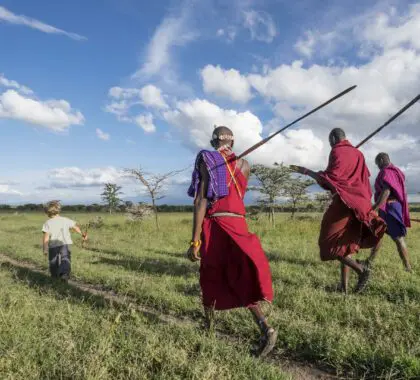
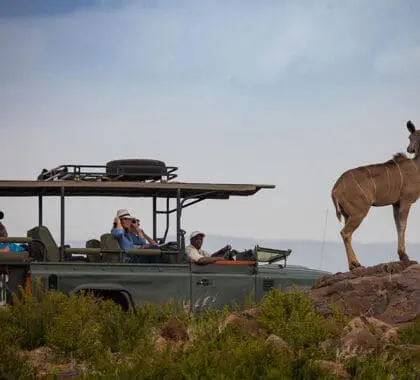
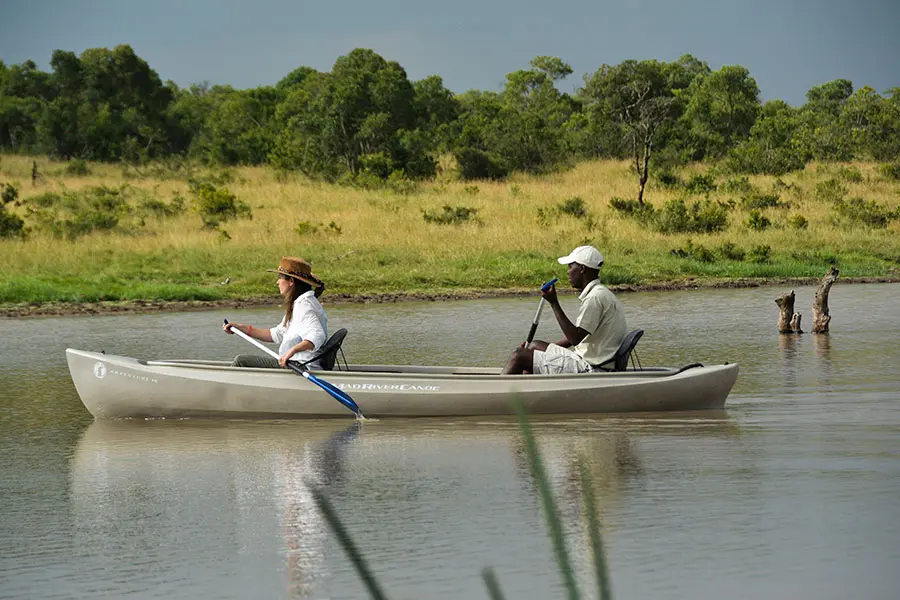
Comprised of privately- and community-owned land alongside some government spaces too, Laikipia safaris enable guests to uncover their surroundings from several perspectives. Set out on foot for a comprehensive walking safari accompanied by expert guides and feel the rumble of a 4×4 on game drives. Due to the regions waterways, cruising along in a canoe is a wonderful way to gain a new perspective.
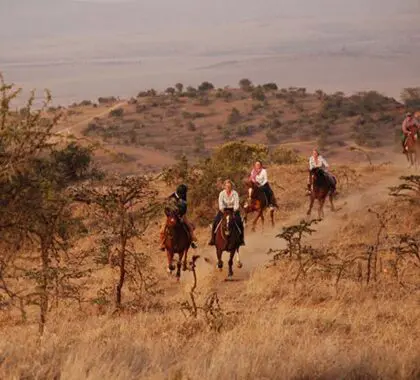
Given the privately owned land, drives are not always restricted to established paths and off-road driving permitted, adding an extra layer to the experience. This also means that night drives are often permitted in the area. For those with a serious taste for the wild side, mount a trusted steed – either horse or camel – and venture into the bush.
Striking, Varied Landscapes
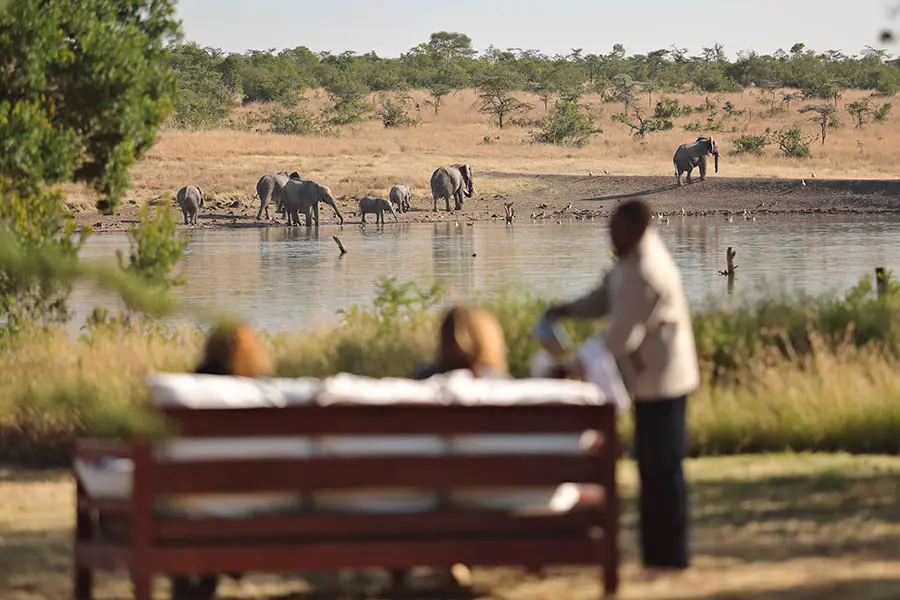
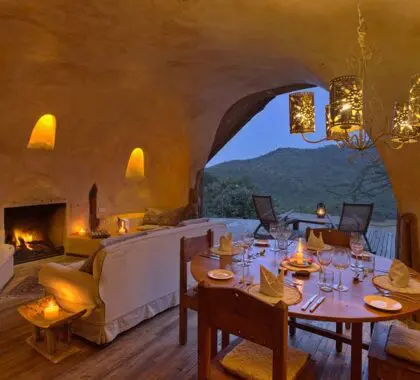
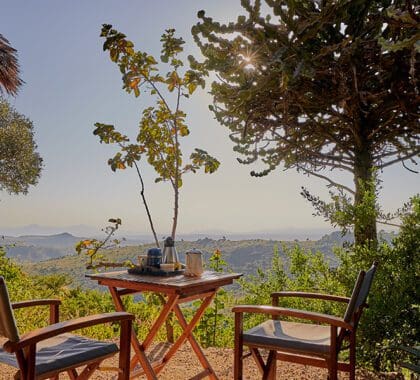
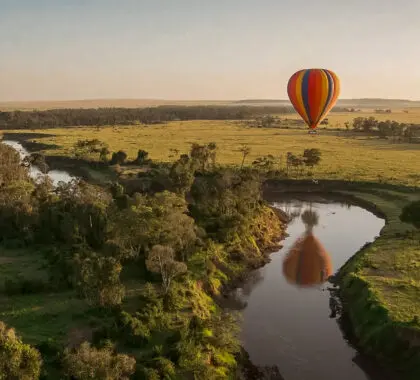
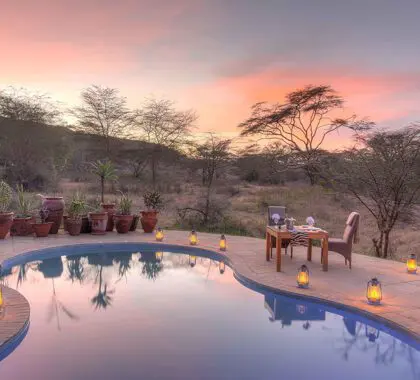
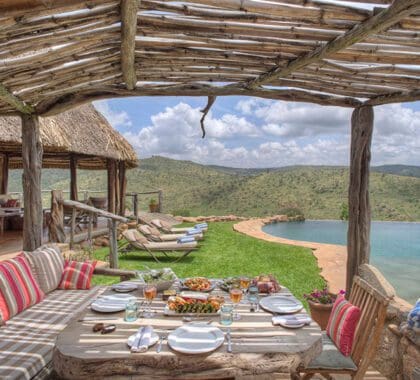
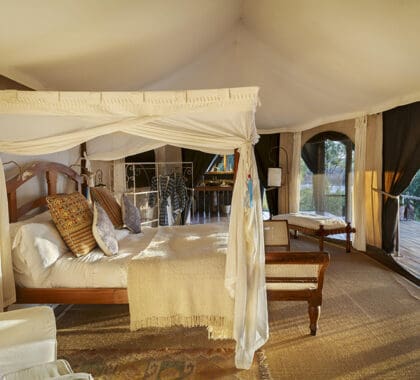
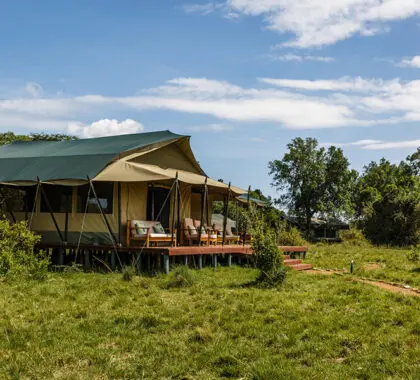
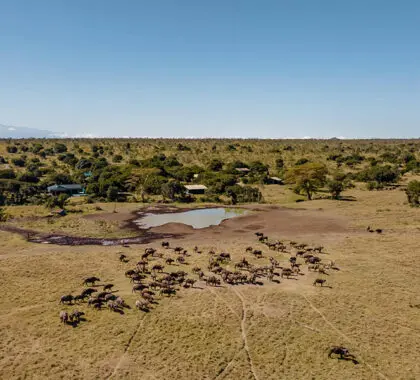
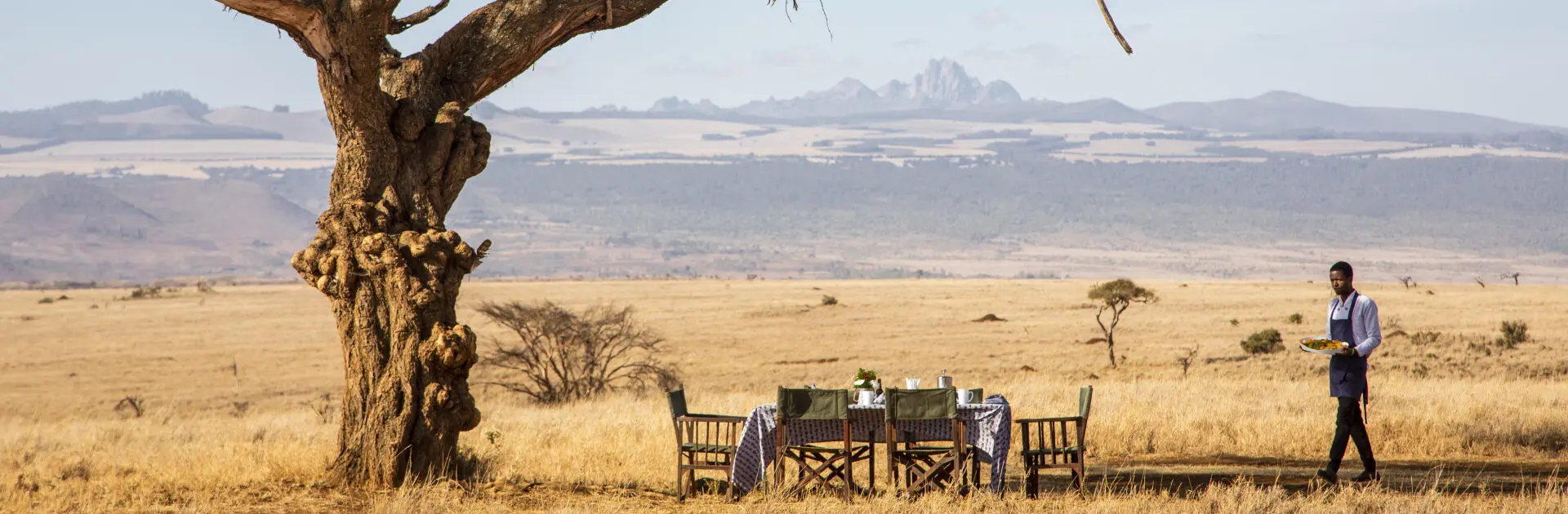
The south of Kenya near the border with Tansania – where the Mara lies – is generally open savannah. Laikipia is centrally placed within the country and features a more arid, hilly landscape with scrub vegetation. Many of the lodges are perched on the ridge of the Laikipia Plateau, affording visitors sensational and completely unfettered views over the scrubby plains below. Settle on the deck at sunrise with a rich cup of Kenyan coffee and observe as wildlife emerge at first light.
The Lewa Wildlife Conservancy region of Laikipia is slightly different: there are more hills (Mount Kenya is nearby), less scrub, more grazing and occasional ‘swamps' peppered with ‘fever trees' or acacias. Lewa runs a very successful conservation project for rhinos and Prince William is a regular low-key visitor, apparently mucking in with rangers and spending the whole day out on safari in this remarkable area.
What Wildlife Can You Expect to See in Laikipia?
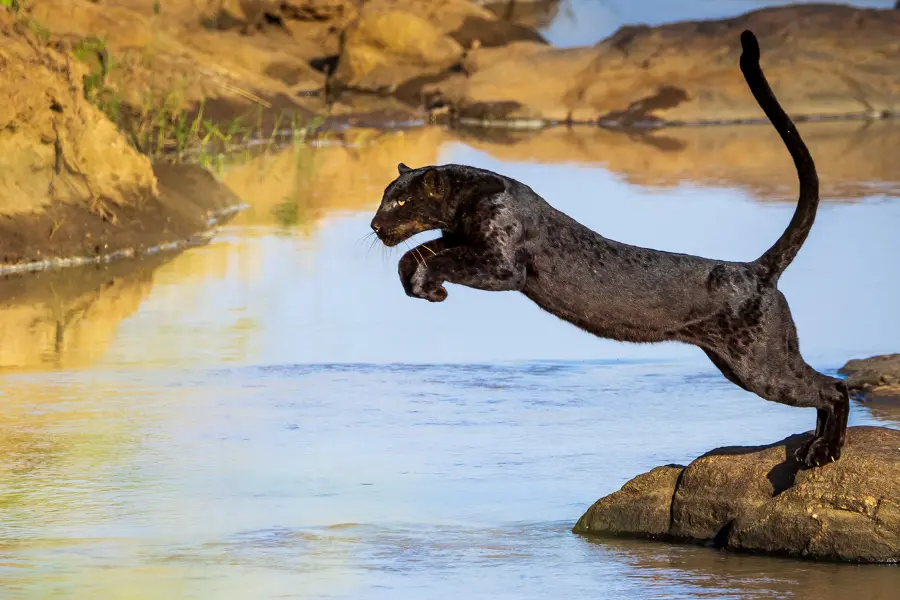
Undoubtedly one of the most sought-after sightings is of Laikipia’s black leopards. Despite their alternative appearance, black leopards are not a separate species to those you know and love, but simply a melanistic version of them. While Laikipia is the best place to see black leopards, they are remarkably elusive except for one; Giza Mrembo, meaning “the beautiful darkness” in Swahili, who is more comfortable and willing to emerge from hiding.
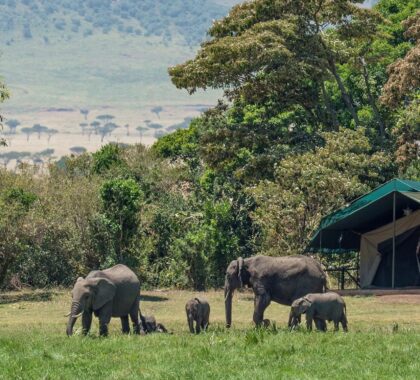
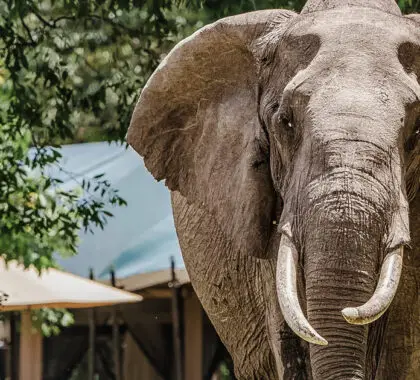
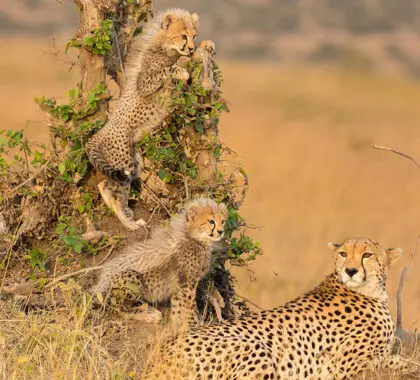
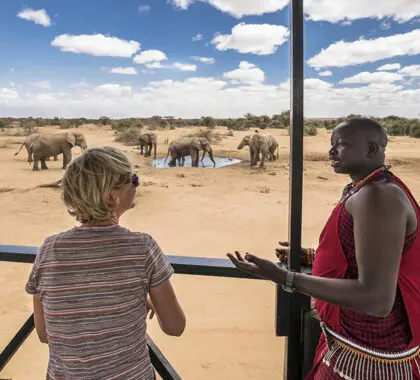
This is also perfect African wild dog territory, but a wide range of other species thrive in Laikipia too. Every member of the Big 5 is also present here, including the endangered black rhino – in fact, half of Kenya's rhino population reside here – as well as other classic big game. Do not be alarmed if you wake up from a snooze during a long road transfer and see…camels.
While exploring, keep a keen eye for Grevy's zebra. They differ from their cousins on the plains and in the mountains by having thinner brown stripes instead of black, white muzzles and white underbellies (their stripes don't ‘meet' on their tummies). Nearly hunted and traded into extinction, Grevy's are still on the endangered list and it's a privilege to spot them. While exploring, look out for reticulated giraffe and their distinctive coats as well as the unique vulturine guinea fowl.
It’s important to note that there are specific guidelines around the viewing of Giza, her cubs, and any other black leopards in the area. There is a high emphasis on ethical sightings, and all visitors are asked to respect these guidelines.
What are the Best Places to Stay in Laikipia?


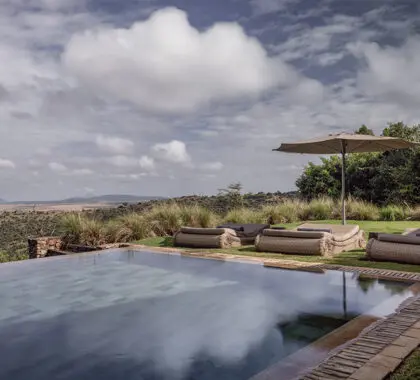
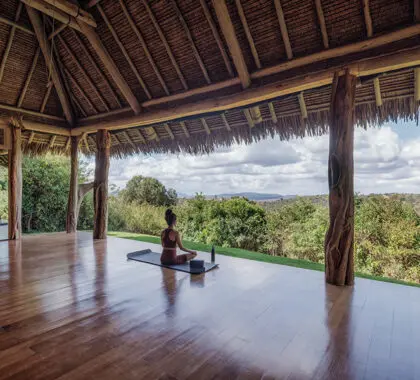
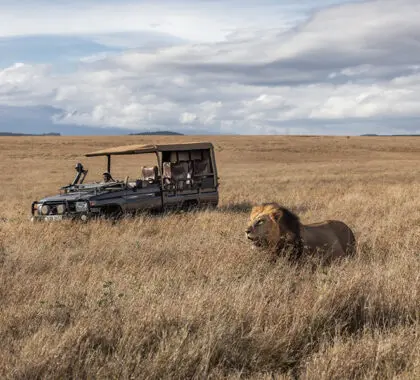
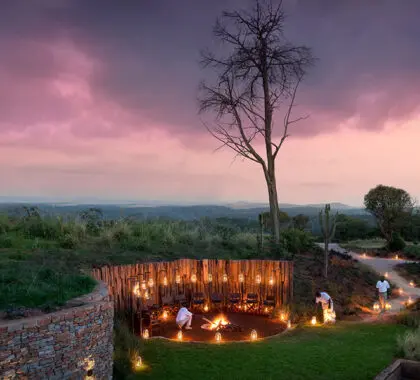
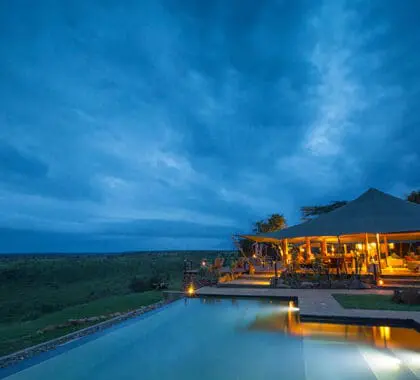
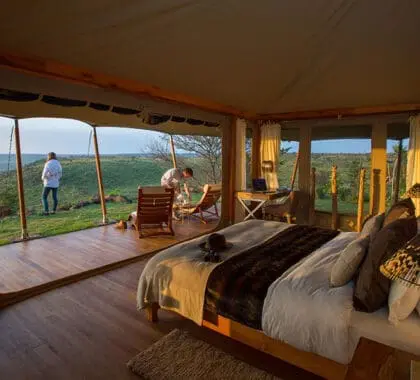


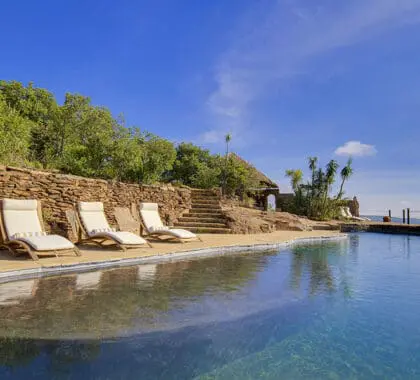

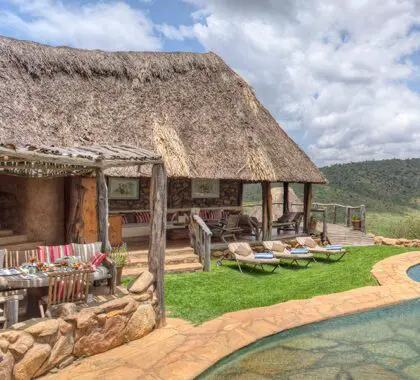
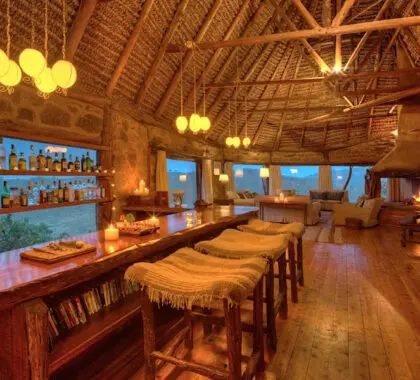
Loisaba Tented Camp
Beliebte Aktivitäten
Radfahren
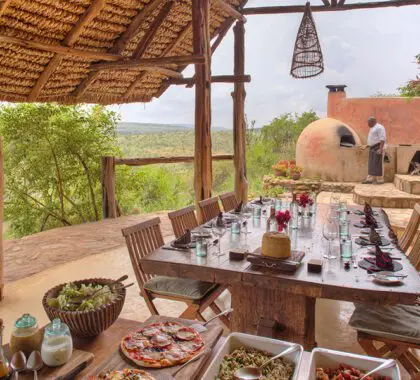
Essen im Busch
Kamelreiten
Aktivitäten für Kinder
-

-
Loisaba Tented Camp
Beliebte Aktivitäten
Radfahren Essen im Busch Kamelreiten Aktivitäten für Kinder
Where is Laikipia?

Found between 1,500 and 2,000 metres above sea level, this vast plateau is in central Kenya between the sprawling slopes of Mount Kenya and the Great Rift Valley. When planning a Laikipia National Park safari, it's important to consider logistics and factors such as how far Laikipia is from Nairobi, Kenya's international hub and capital.
Fortunately, there are direct flights with a light aircraft from Wilson Airport in Nairobi. Laikipia is often combined with other safari areas like the Mara – if this is the case in your itinerary, you will have to fly back to Wilson from the Mara in order to fly to Laikipia as there are no Mara-Laikipia flights. When travelling by road, Nairobi is around a 5-hour drive from Laikipia National Park.
Depending on departure times, you may have to spend a night in Nairobi, which is no hardship as the city is increasingly packed with upscale hotels and excellent restaurants. View our travel advice for visiting Nairobi.
Unterkunft & Aktivitäten
When is the Best Time to Visit Laikipia?
Typically, the dry seasons are touted as safari gold – these months enjoy warm weather and drier conditions, which encourage wildlife to seek perennial water sources and make them easier to spot. As the most popular safari season, this also means greater crowds and often more expensive fares. Peak dry season in Laikipia spans July to October and then again from January to February. Many visitors opt for shoulder season months – March, June, and December – to avoid peak season.
Alternatively, choose to visit in safaris Green Season. While not considered the beste Reisezeit für Kenia as seasonal rains are present, the landscapes are lush, green, and undeniably striking. Wildlife may be a little more difficult to spot, but it's also a time of newborns and prolific birdlife. Being ‘off-peak' also means fewer visitors and favourable rates at various lodges. If this appeals, look to travel between April and May or later in November.
The Top Destinations to Combine with Laikipia
Occupying a prime position in Kenya, Laikipia combines well with other destinations – both within Kenya's borders and other East African countries. Whether Es ist another safari destination or one of the beautiful Kenia Strände, there are several great combinations available. Here are a few of our favourite combinations with a Laikipia conservancy safari.
Laikipia und Samburu

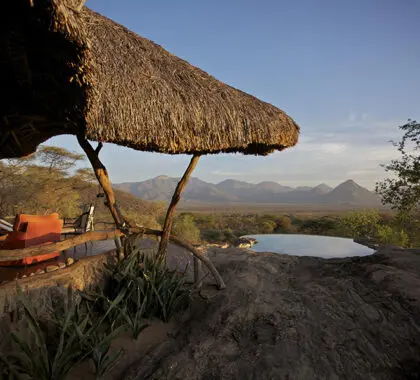
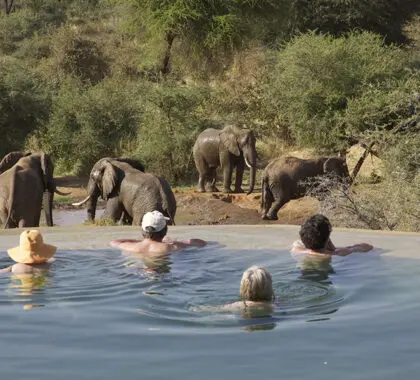
Situated a short 1.5-hour flight away or a scenic 3- to 4-hour drive from Laikipia, Samburu's savannahs and forests await adventurers. Its diverse landscapes are prime big game country and home to rare African wild dogs, alle the big cats, and ample elephants. Here, the Samburu Special 5 also roam – Grevy's zebra; the long-necked gerenuk; reticulated giraffe; besia oryx; and Somali ostrich. With around 450 aviary species, a Safari in Samburu is ideal for twitchers and wildlife enthusiasts alike.
Where to Stay in Samburu:
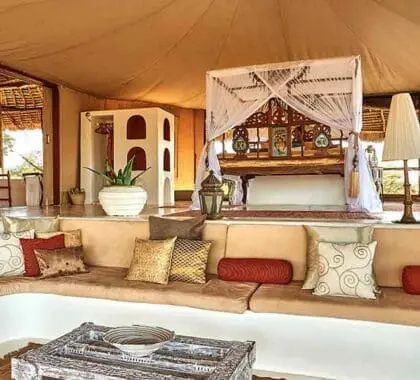
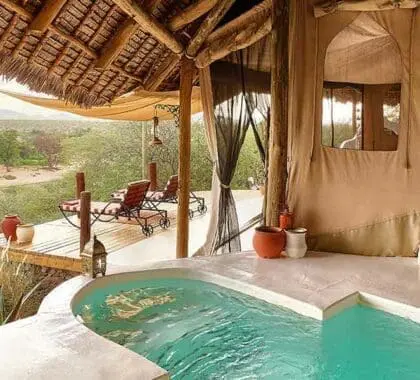

SaSaab Camp
Beliebte Aktivitäten
Essen im Busch
Kamelreiten
Aktivitäten für Kinder
Kulturelle Besuche
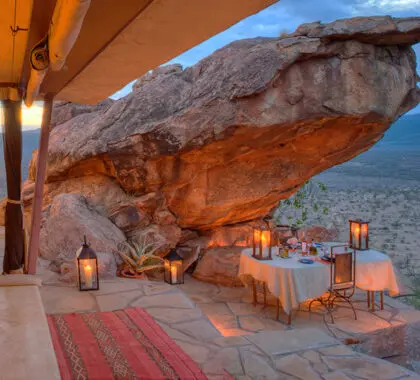
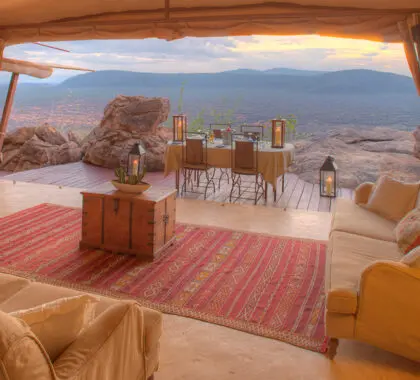
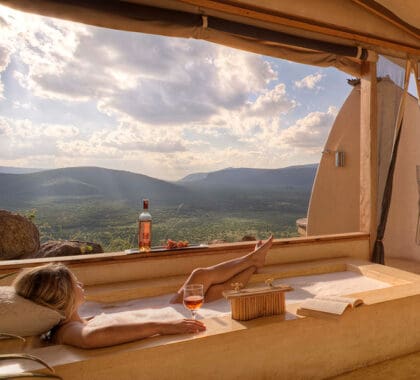
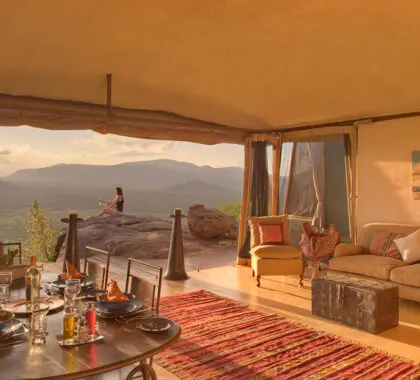
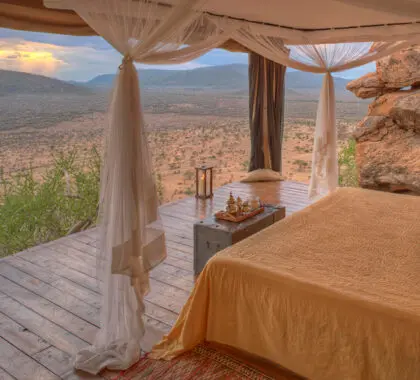
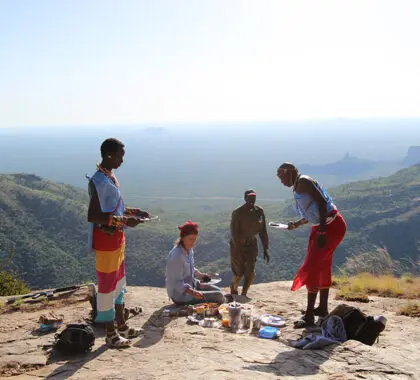
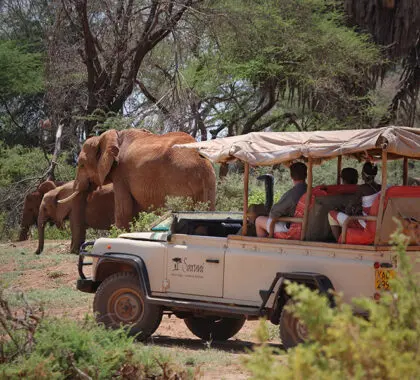
Saruni Samburu
Beliebte Aktivitäten
Vogelbeobachtung
Essen im Busch
Kulturelle Besuche
Pirschfahrten

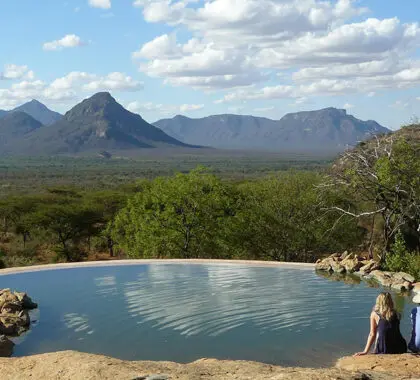



-
SaSaab Camp
Beliebte Aktivitäten
Essen im Busch Kamelreiten Aktivitäten für Kinder Kulturelle Besuche -
Saruni Samburu
Beliebte Aktivitäten
Vogelbeobachtung Essen im Busch Kulturelle Besuche Pirschfahrten -
Kenya's Beaches or the Seychelles

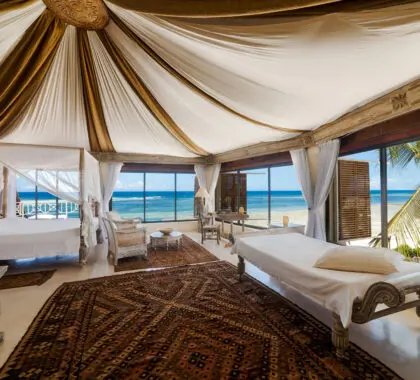
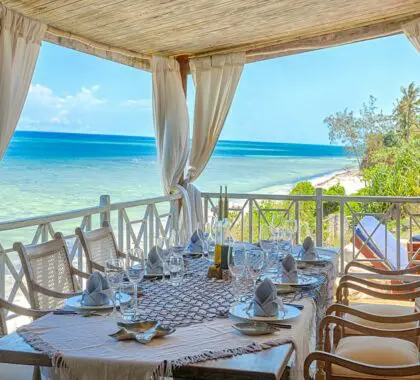
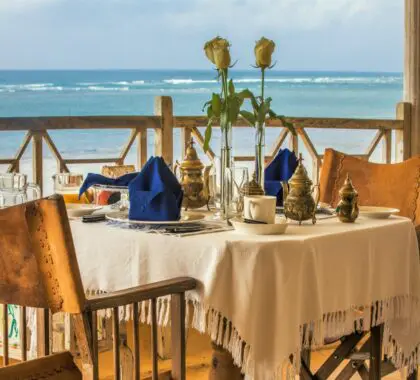
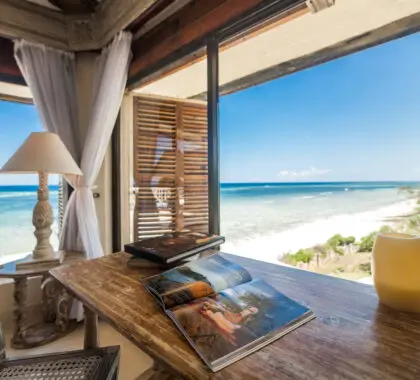
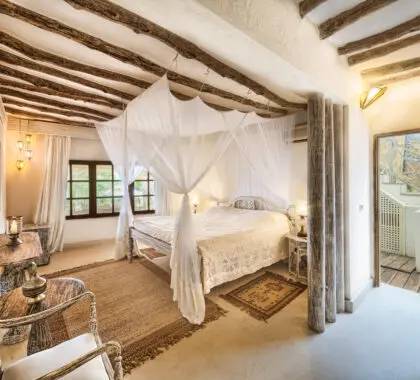
Eine safari and beach holiday is one of the very top combinations – a perfect mix of adventure and relaxation. Fortunately, Kenya is home to its very own postcard-worthy beaches found on its northern and southern shores. To the north, the Lamu Archipelago awaits; a collection of small islands, most notably Lamu and Manda, ready to rival any exotic island escape.
To the south, Kenya's most famous stretch of picturesque white sand, Diani beach, is ideal for watersports and luxury resorts. Also found here is Watamu Marine National Park, a charming town influenced by a mix of Swahili and Italian culture, and best known for its world-class coral reefs.
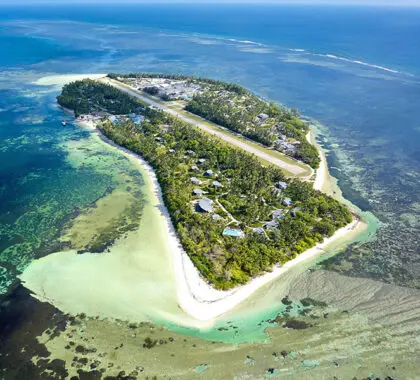
If the warm waters of the Indian Ocean beckon, Kenya is well connected to the Seychellen by a nonstop 3-hour and 15-minute flight from Nairobi's Jomo Kenyatta International Airport to the island of Mahé.
Where to Stay in Kenya and Seychelles:


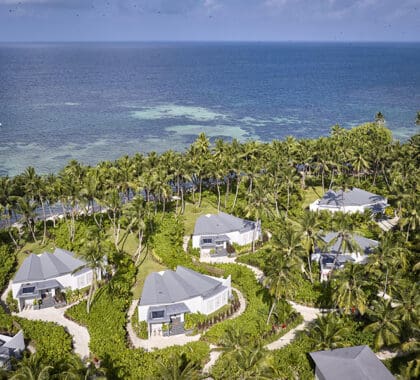

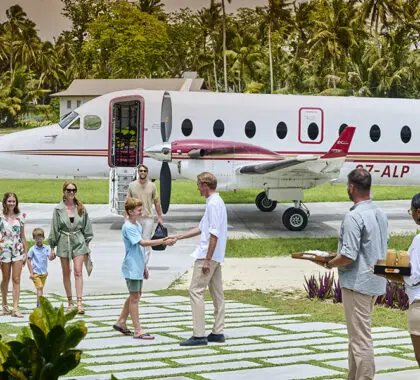

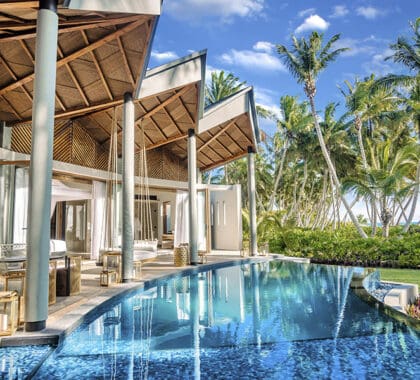

Waldorf Astoria Seychelles Platte Island
Beliebte Aktivitäten
Vogelbeobachtung
Bootsausflüge
Aktivitäten für Kinder
Kochunterricht
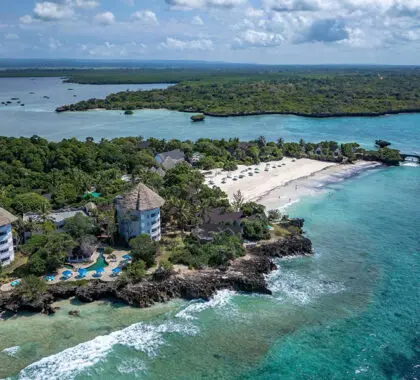
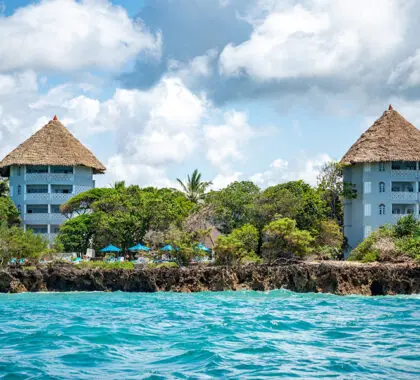
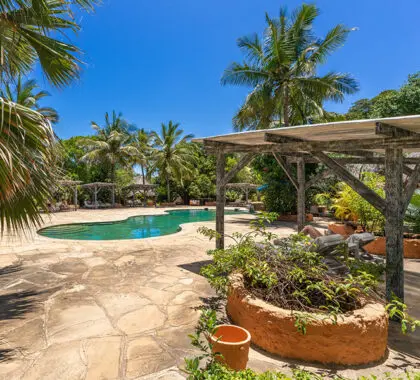


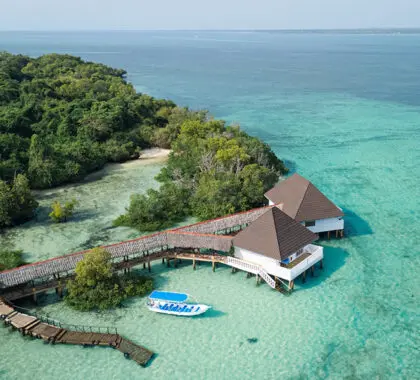
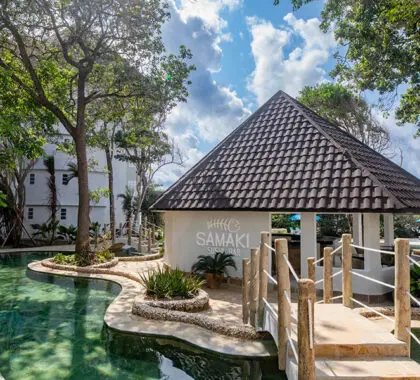
Chale Island Resort
Beliebte Aktivitäten
Aktivitäten am Strand
Strand zu Fuß erreichbar
Bootsausflüge
Tauchen
-
-
Waldorf Astoria Seychelles Platte Island
Beliebte Aktivitäten
Vogelbeobachtung Bootsausflüge Aktivitäten für Kinder Kochunterricht -
Chale Island Resort
Beliebte Aktivitäten
Aktivitäten am Strand Strand zu Fuß erreichbar Bootsausflüge Tauchen
Kenia und Tansania
Combine East Africa's safari giants with Kenya and Tanzania. Not only are the two the combined hosts of the annual Great Wildebeest Migration, but known, loved, and respected in their own rights as safari legends. Many ask the question of Kenya or Tanzania, which is best? Our answer, why not both? With well connected airports and the promise of classic big game, the two countries easily go hand-in-hand.
View some of our favourite Kenya and Tanzania tours.
Where to Stay in Tanzania:
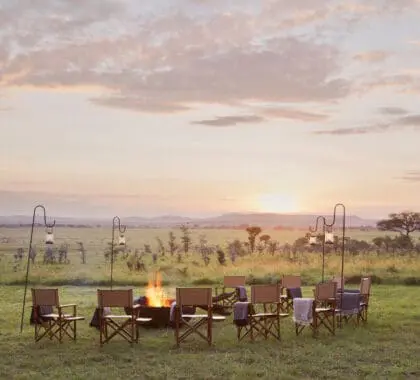
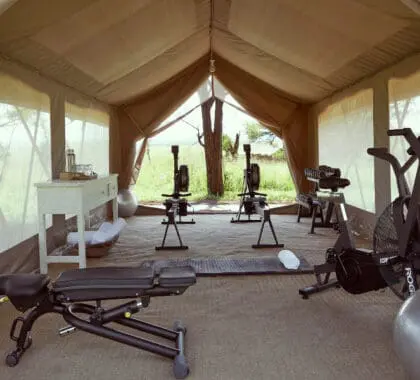
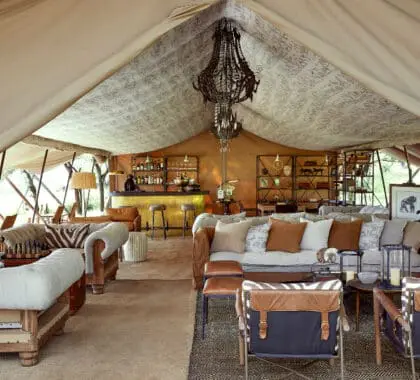

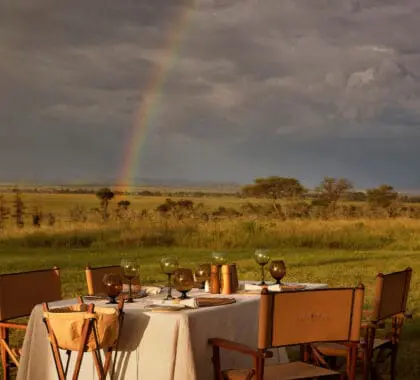
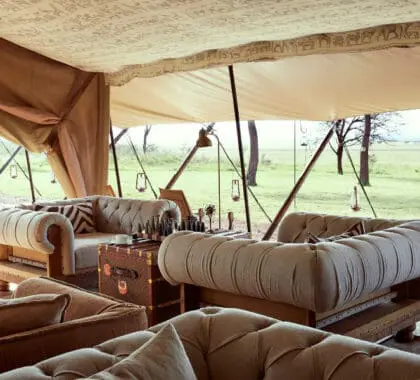
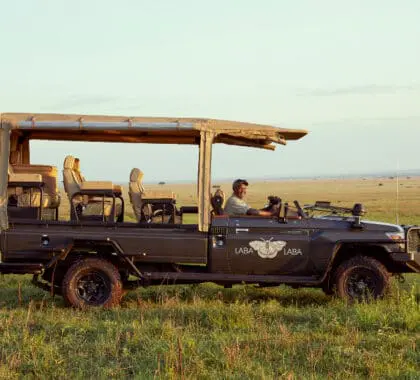
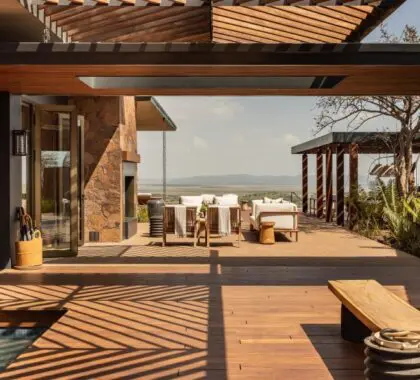
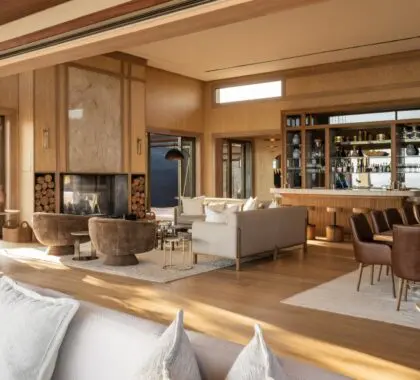
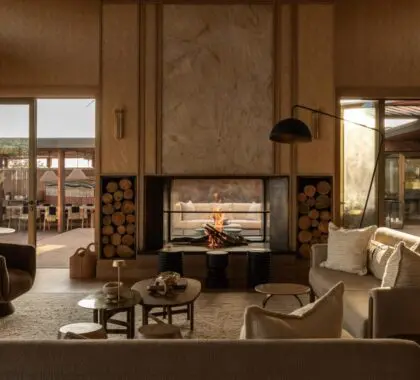
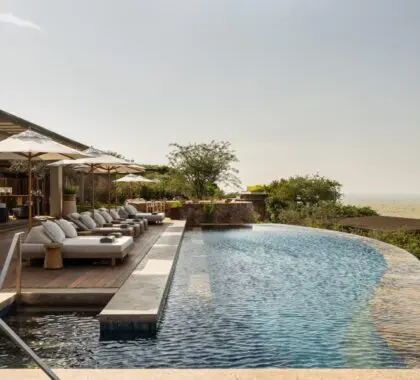
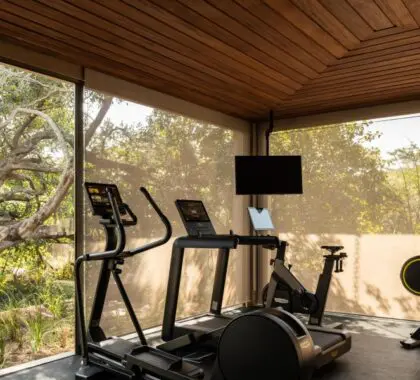


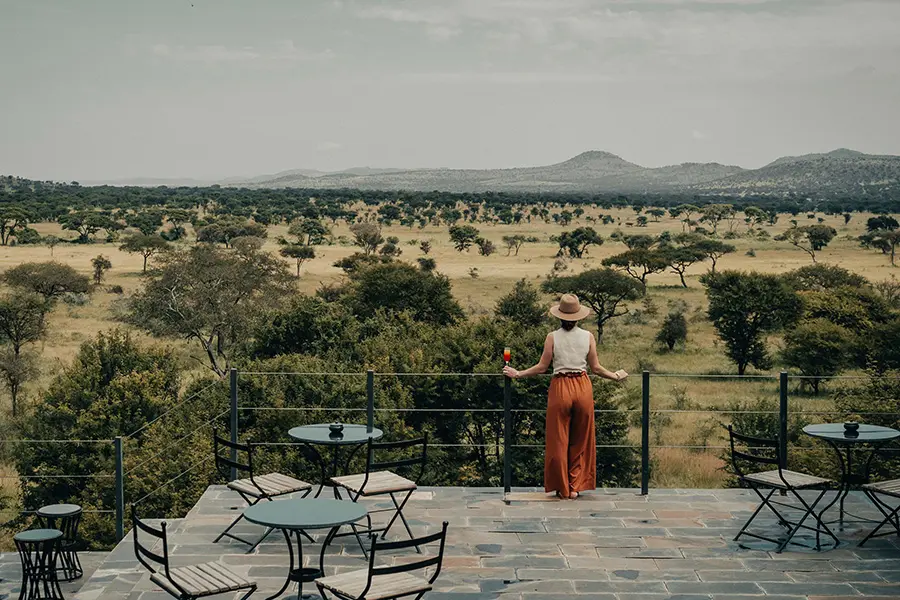
Singita Milele
Beliebte Aktivitäten
Vogelbeobachtung
Kochunterricht
Pirschfahrten
Geführte Wanderungen


Usangu Expedition Camp
Beliebte Aktivitäten
Boot-Safaris
Pirschfahrten
Geführte Wander-Safaris
Interaktion mit Forschern
-
-
Singita Milele
Beliebte Aktivitäten
Vogelbeobachtung Kochunterricht Pirschfahrten Geführte Wanderungen -
Usangu Expedition Camp
Beliebte Aktivitäten
Boot-Safaris Pirschfahrten Geführte Wander-Safaris Interaktion mit Forschern
Am besten geeignet für...
Who Should Visit Laikipia?

Some say Laikipia is best left to slightly more experienced safari-goers saying once you have had your fill of Amboseli and the Masai Mara – both of which have more visitors, more cars and perhaps more easily spotted game – then venture further afield and discover Laikipia. The species are different, the northern landscape a little more challenging (but thus more rewarding) and Lewa is hands down one of the best places to see rhinos in Kenya.
That being said, first-timers will not be disappointed. The guiding and wildlife in Laikipia are excellent and you get a great sense of ‘authentic Africa’ here. Not to mention that both amateur and expert photographers and birders will have a proverbial field day.
Anreise
Explore Our Favourite Laikipia Tours:
Ready to Explore Laikipia?
If the remote, wild heart of Kenya calls to you, and the Laikipia Plateau forms part of that call, speak to one of our Africa Safari Experts to start the planning process.