






Vai al contenuto
When you hear the words ‘sustainable African safari', what comes to mind? Perhaps wildlife conservation, community projects, meals made with local ingredients, or a lodge finding new ways to reduce waste and use resources more carefully. It’s a broad subject, and what matters is what’s actually happening on the ground.
At Go2Africa, we look beyond the label. Some camps and lodges are finding creative ways to reduce waste, support local farmers and artisans, and reuse resources wherever possible. Others are deeply involved in wildlife research, habitat restoration, education, or creating new opportunities for neighbouring communities.
The experiences below go beyond the usual game drives. They introduce you to the people and projects that make each place unique. You might collect biodiversity data in Tanzania or learn how marine sanctuaries near Zanzibar are protected. Each trip shows how travel, conservation, and local communities are connected.
Africa orientale
Sustainable Tourism Experiences in East Africa
1. Join a ‘Citizen Science Safari' at Usangu Expedition Camp
Parco nazionale di Ruaha, Tanzania

Asilia Africa’s Usangu Expedition Camp sits in the Usangu Wetlands in the southern reaches of Parco nazionale di Ruaha, where wildlife research is integral to the safari experience.
Here, you can take part in citizen science activities alongside the camp team, from helping position camera traps to collecting biodiversity data. You’ll learn how wildlife sightings are recorded and how researchers use these observations to build a clearer picture of the wetlands and the animals that depend on them.
Know Before You Go:
Usangu Expedition Camp operates seasonally, generally from June to November. A minimum three-night stay applies, and citizen science activities depend on current research priorities and the camp’s programme.
2. Run to Support Girls’ Empowerment in the Serengeti
Parco nazionale del Serengeti, Tanzania
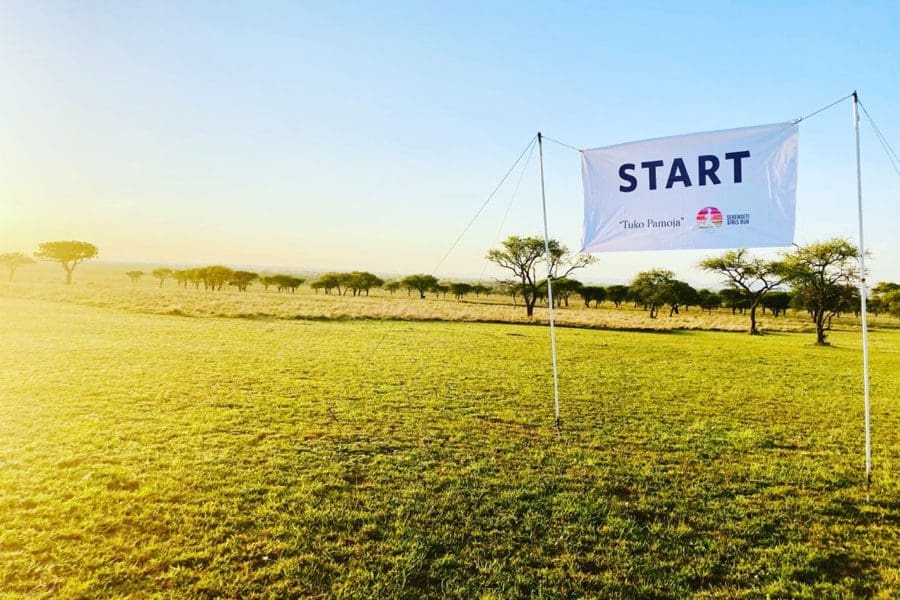
La Serengeti Girls Run takes you across the Serengeti landscape on foot while raising funds for girls’ empowerment programmes in rural Tanzania.
This all-women event takes place in October across Singita Grumeti’s private concession, with participants covering approximately 21 kilometres a day over three running stages. Along the way, runners can spend time with local girls and the Grumeti Fund’s teams to learn more about the work taking place in the region.
It’s a very different way to experience the Serengeti, with the changing terrain, open grasslands, and physical challenge of each day’s run becoming part of the journey.
Know Before You Go:
The Serengeti Girls Run is an annual fundraising event held in October, with dates confirmed each year. Participation requires advance registration, preparation for the running distances, and a fundraising commitment. If you’re interested in taking part, our Africa Safari Experts can help confirm the upcoming event dates and assist with planning your trip.


Tanzania
Attività preferite
Osservazione degli uccelli
Interazioni culturali
Mongolfiera
Campeggio mobile
Concessioni e riserve private
Scenario
Migrazione degli Gnu
Animali selvatici e safari
-

Tanzania
Attività preferite
Osservazione degli uccelli Interazioni culturali Mongolfiera Campeggio mobile Concessioni e riserve private Scenario Migrazione degli Gnu Animali selvatici e safari
3. Get Involved in Rhino Conservation at Ol Pejeta
Conservatorio di Ol Pejeta, Kenya
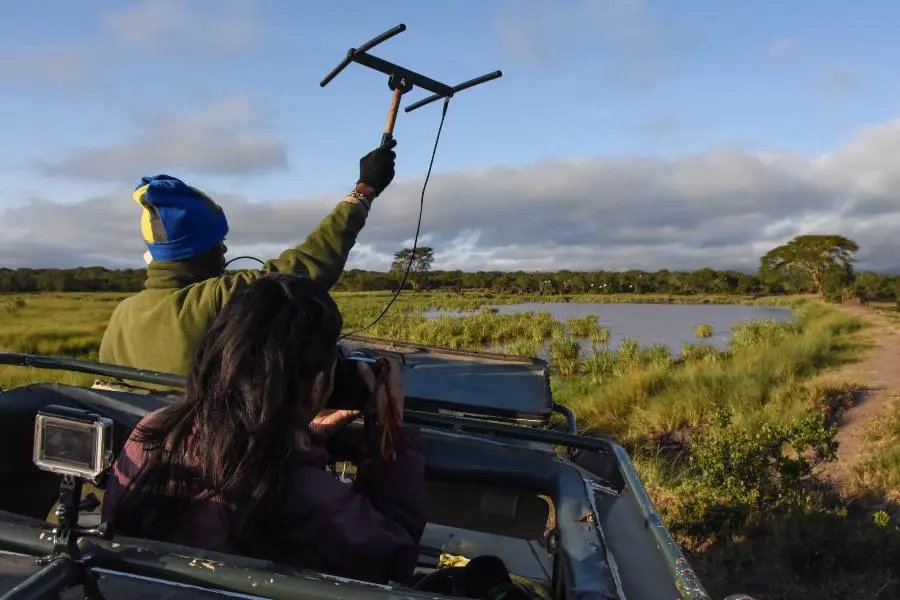
In La regione di Laikipia in Kenya, Ol Pejeta Conservancy brings together wildlife viewing, endangered-species protection, and conservation research. Ol Pejeta Bush Camp sits beside the Ewaso Nyiro River, serving as a base to explore the conservancy’s grasslands and riverine habitats.
Ol Pejeta is home to black and southern white rhinos, as well as Najin and Fatu, the world’s last two surviving northern white rhinos. Their story highlights the importance of protecting endangered species, with ongoing research into assisted reproduction and efforts to save the subspecies.
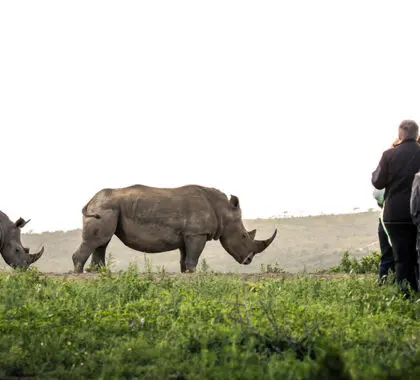
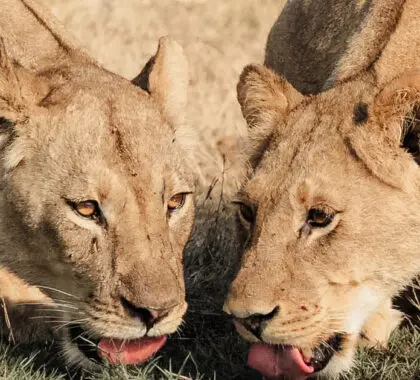
Guests can join the rhino monitoring team on foot to learn how individual rhinos are identified by their ear notches and how rangers record information about their condition, habitat, and movements. There’s also the opportunity to visit the conservancy’s canine anti-poaching unit or accompany researchers tracking collared lions.
Know Before You Go:
Specialist conservation experiences, including rhino monitoring, lion tracking, and visits to the canine anti-poaching unit, should be arranged in advance. We’ll help confirm availability and incorporate these activities into your stay at Ol Pejeta Bush Camp.
4. Help Restore Native Vegetation on a Hot Air Balloon Safari
Riserva nazionale Masai Mara, Kenya

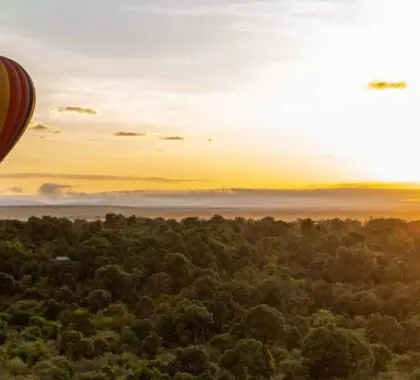
There are few ways to appreciate the scale of the Masai Mara quite like drifting above it in a hot-air balloon. As the sun rises, the grasslands stretch towards the horizon, broken by the winding Mara River and the ribbons of forest along its banks.
These riverine forests are an important part of the Mara’s ecosystem, providing habitat for wildlife, stabilising riverbanks, and helping protect the surrounding landscape from erosion. Over time, sections have been affected by tree disease, erosion, and grazing pressure, leaving areas where indigenous vegetation has been lost.
Governors’ Balloon Safaris has partnered with Seedballs Kenya on an initiative to help restore native vegetation along the river. The project uses small seedballs containing African wild olive seeds, designed to protect the seeds until conditions are suitable for germination.
The initiative gives passengers a way to take part in the restoration effort while seeing the landscape from above. The seedballs are dispersed over suitable habitat, where the seeds can germinate when conditions allow.
Know Before You Go:
Safari in mongolfiera depart around sunrise and are weather-dependent. The seedball initiative has formed part of selected Governors’ Balloon Safaris, with participation arranged through the operator’s conservation programme.
5. Experience Community-Led Conservation Around Bwindi Forest
Bwindi Impenetrable National Park, Uganda
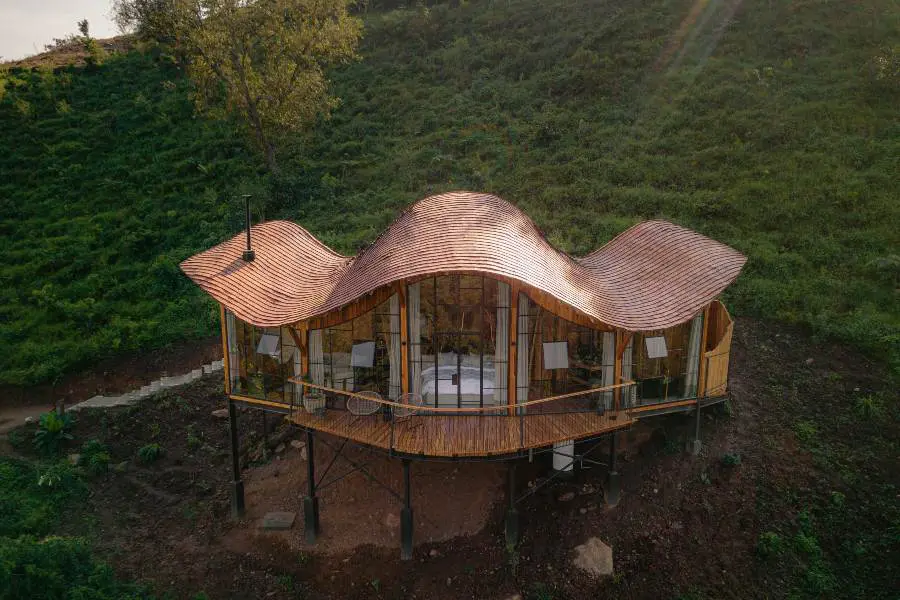
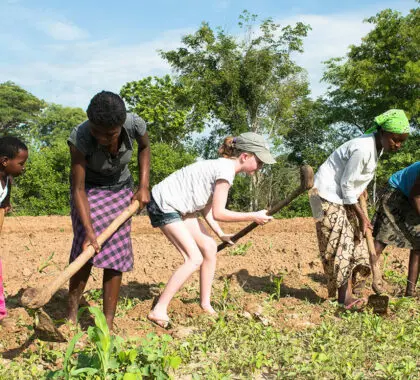
In the villages around Parco nazionale di Bwindi Impenetrabile, Change A Life Bwindi partners with Batwa and Bakiga communities on livelihood initiatives intended to create economic opportunities while reducing dependence on forest resources. From beekeeping and crafts to mushroom farming, these projects link community development to the broader challenge of protecting the forest.
As part of Go2Africa’s Positive Impact, we’ve supported a mushroom-farming initiative managed by Batwa and Bakiga women. Using low-carbon CoolBrick technology, the project aims to create income opportunities through food production, with fresh mushrooms supplied to nearby hospitality businesses, including Asilia’s Erebero Hills in Uganda.
For guests staying at Erebero Hills, experiences such as the Batwa Heritage Tour provide an opportunity to learn about the communities living alongside Bwindi. Led by local guides, the experience introduces visitors to Batwa culture, traditional knowledge, and the community’s longstanding relationship with the forest.
Around Bwindi, conservation and community livelihoods are closely connected. The mushroom-farming initiative and locally guided cultural experiences reveal how neighbouring communities are finding ways to benefit from tourism while maintaining their relationship with the forest.
Know Before You Go:
Community experiences can complement a safari di trekking con i gorilla in Bwindi. Drawing on our first-hand destination knowledge and established local partnerships, we arrange visits that respect community preferences, local schedules, and the experiences communities choose to share.
6. Stay on a Protected Coral Island Supporting Marine Conservation
Chumbe Island Coral Park, Zanzibar

Just off Zanzibar's coast, Chumbe Island Coral Park takes you from the mainland to a small, protected island where marine and forest conservation are central to your stay.
Spend your days exploring the coral reef sanctuary with local guides, wandering through coral-rag forest, swimming in the warm Indian Ocean, or simply settling into the gentle ease of life here. Community members work as guides and rangers, sharing their first-hand knowledge of the surrounding ecosystems.
Guided activities introduce you to the island’s conservation and environmental education work, helping you understand the habitats you’re exploring.
Know Before You Go:
You can combine Chumbe Island with a Tanzania safari and a Zanzibar beach holiday. Guided forest walks and intertidal activities depend on conditions, including the tides. Accommodation is limited, so book well in advance.
7. Snorkel for Conservation off Pemba Island
The Manta Resort, Tanzania

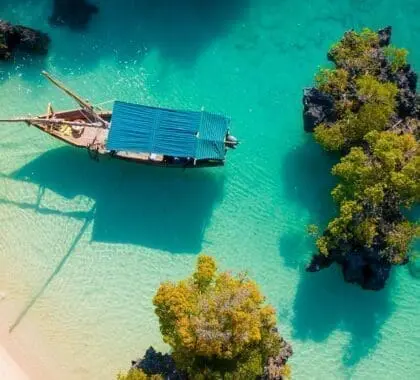
Pemba Island, part of Tanzania's Zanzibar Archipelago, is known for forested hills, quiet beaches, and coral reefs. Beneath the surface, the surrounding waters support a variety of marine life, while conservation initiatives work to support these habitats and the communities that depend on them.
A The Manta Resort, guests can explore the Kwanini Marine Protected Area on a guided snorkelling excursion, discovering the reefs while learning about the work being done to protect them.
Guided snorkelling is included in the guest rate, and for every guided snorkel, the resort contributes US$25 towards marine conservation in the area. The resort also has a US$45 Impact Contribution per person, per night, which supports the Kwanini Foundation, DIRA community initiatives, and marine conservation.
Know Before You Go:
You can combine Pemba Island with a mainland Safari in Tanzania. Guided snorkelling is included in the guest rate, with excursions dependent on weather and sea conditions.
Africa meridionale
Sustainable Tourism Experiences in Southern Africa
8. Explore Africa on Foot with Expert Local Trackers
Parco nazionale di South Luangwa, Zambia
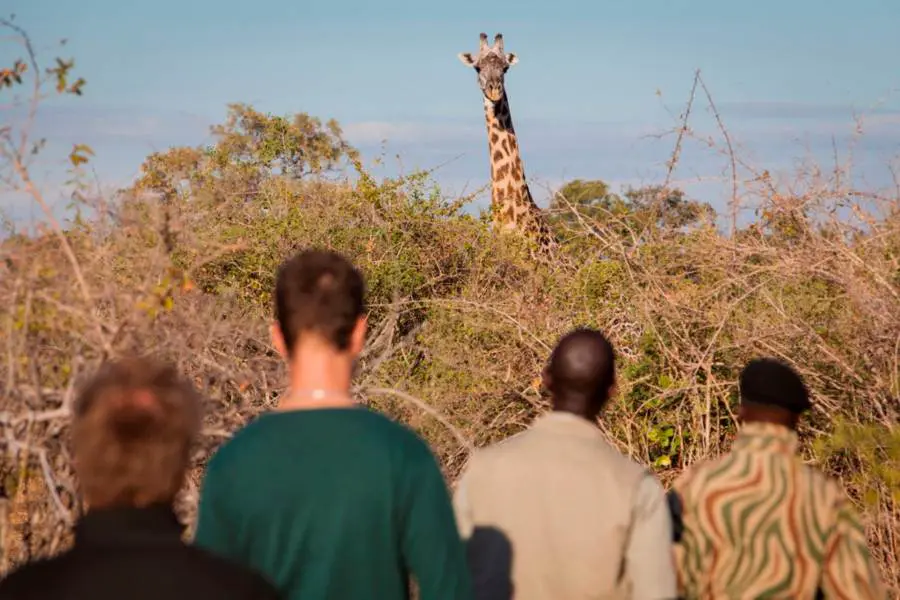
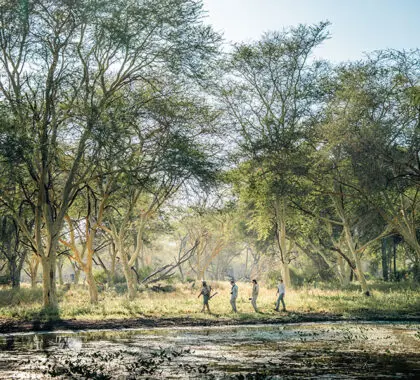
Parco nazionale di South Luangwa helped pioneer the modern safari a piedi, and exploring the wilderness on foot reveals details easily missed from a vehicle. Accompanied by experienced guides, you’ll learn to read the landscape through fresh footprints, birdsong, animal behaviour, and the countless smaller details that bring the bush to life.
These walking safaris replace the noise of an engine with the sounds of the bush. Your guide might explain how termites shape the soil, why certain trees grow along a riverbank, or what a set of tracks reveals about an animal’s movements.
There’s also a different sense of anticipation when travelling on foot. You follow your guide’s lead, moving carefully through the landscape and discovering how much there is to see beyond the larger wildlife sightings.
Know Before You Go:
Multi-day walking safaris and bush camping generally operate during the drier months, often from June to October. Shorter guided walks are available at selected lodges, with minimum ages and fitness requirements varying according to the activity.
9. Step Inside Gorongosa's Restoration Story
Parco nazionale di Gorongosa, Mozambico
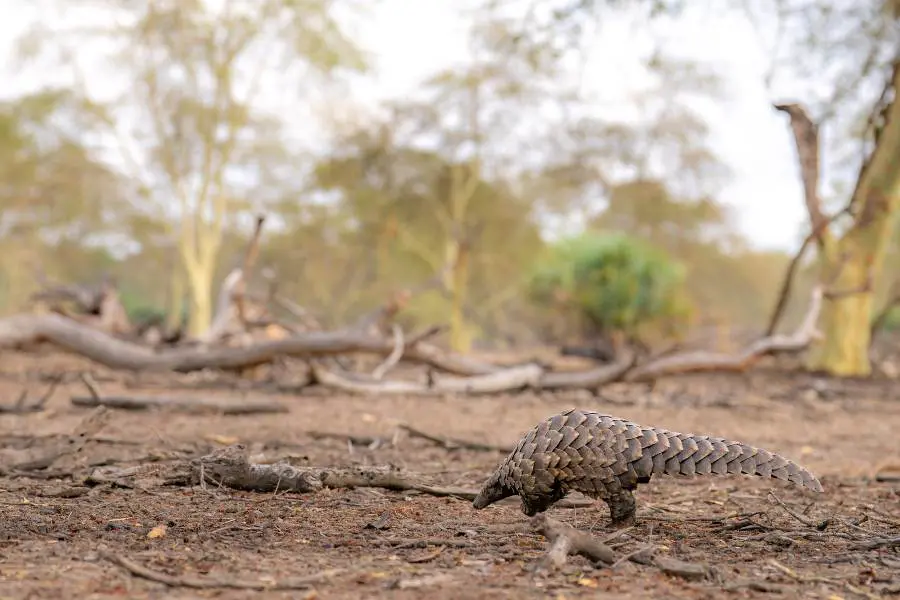
In Mozambique’s Gorongosa National Park, wildlife restoration involves research, rehabilitation, and community programmes alongside efforts to protect the park’s wildlife.
Guests can visit the E.O. Wilson Biodiversity Laboratory to learn about ongoing research or spend time with community projects connected to the park’s restoration work. These visits take place from Monday to Friday and are included in the stay.
For guests staying five nights or longer, the Pangolin Foraging Experience provides an opportunity to accompany Gorongosa’s Pangolin Guardians on a supervised walk with rehabilitated pangolins. Visitors can observe the animals foraging and learn about the work involved in their rescue, rehabilitation, and eventual release into the wild.
Know Before You Go:
Laboratory and community visits are available Monday to Friday. The Pangolin Foraging Experience is reserved for guests staying at least five nights, with activities dependent on the conservation team’s schedule and the animals’ welfare.
10. Search for Seahorses with the Mangalisse Community
Vilanculos, Mozambico

You might not expect to look for seahorses on a trip to Africa, but near Vilanculos, Mozambico, these small marine animals are the focus of a project that connects their protection with local community livelihoods.
Since 2018, Bahia Mar has reported working with local conservation partners and the Mangalisse fishing community to address threats to seahorses, including illegal collection and trade.
A guided seahorse safari takes you into the shallow waters of Mangalisse Bay, where the search requires a different kind of attention from a traditional wildlife safari. Your local guide introduces you to the habitats seahorses depend on and explains the challenges involved in protecting them.
Know Before You Go:
Seahorse safaris take place in shallow coastal waters and are shaped by the tides. You’ll explore with local guides, with wildlife observation managed to minimise disturbance to the animals and their habitat.
11. Freedive into South Africa's Sardine Run
GweGwe Beach Lodge, Wild Coast
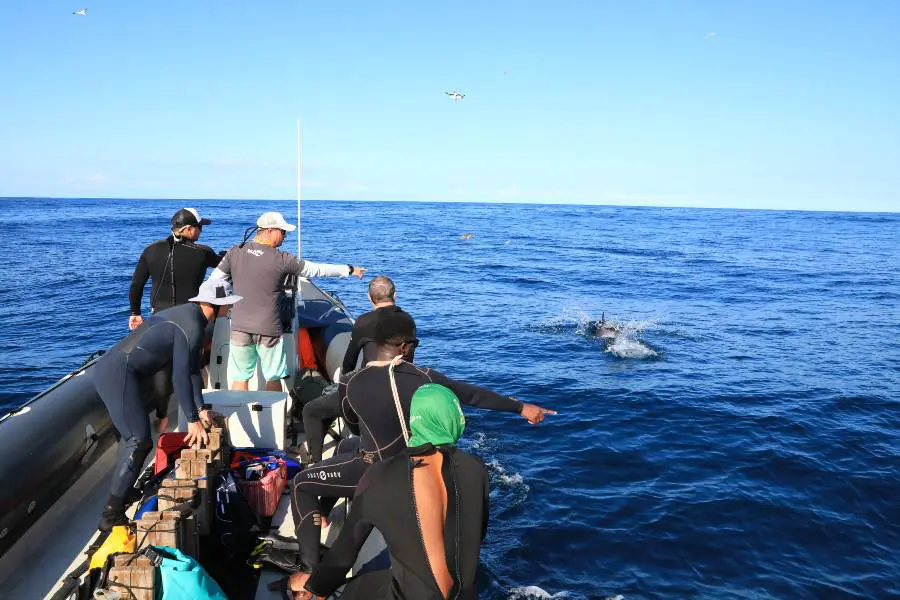
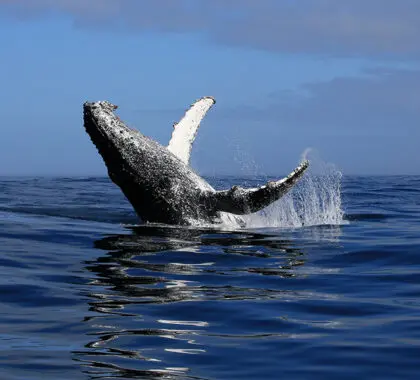
This safari trades walking boots for fins. Each year, shoals of sardines moving along South Africa’s Wild Coast can draw dolphins, sharks, whales, seabirds, and gamefish into the action.
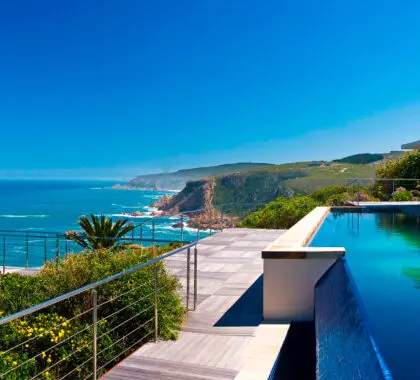
Da GweGwe Beach Lodge, you can follow the movement by boat and, when conditions allow, slip into the water to freedive or snorkel alongside expert marine guides.
Back on land, the scenery changes again. GweGwe sits within Mkambati Nature Reserve, where grasslands meet indigenous forest, waterfalls cut through gorges, and the Indian Ocean runs along the reserve’s edge. Between boating days, head out on foot, explore by mountain bike, or take to the water by kayak.
Know Before You Go:
The Sardine Run generally takes place during South Africa’s winter months, with sightings dependent on wildlife movements and sea conditions. GweGwe’s seat-in-boat excursions typically depart shortly after sunrise and last around five to six hours. Snorkelling and freediving equipment is available, although you may prefer to bring your own for a more comfortable fit.
12. Plant Spekboom and Support Local Communities
Riserva privata di caccia Kwandwe, Sudafrica

At Kwandwe Private Game Reserve in South Africa’s Eastern Cape, conservation goes beyond the wildlife you see on safari. Working with the Ubunye Foundation, Kwandwe supports projects in nearby rural communities, focusing on education and helping people earn a living.
Guests can also take part in some of this work during their stay. Planting spekboom, an indigenous succulent found across the Eastern Cape, is one way to get involved in the landscape around the reserve.
Well adapted to the region’s dry conditions, spekboom can play a role in restoring degraded vegetation. Planting it as part of a managed restoration initiative gives guests an opportunity to learn about the region’s indigenous plants and the work involved in rehabilitating damaged habitats.
Community activities introduce another aspect of Kwandwe’s work with the Ubunye Foundation. Depending on the programmes taking place, guests may have opportunities to support activities such as reading sessions, gardening, or after-school learning. These visits are arranged around the needs and priorities of the communities involved.
Know Before You Go:
Spekboom planting and community visits are organised around existing conservation and development programmes. These experiences are best planned in advance, with activities shaped by local schedules and priorities.


13. Discover Shangaan Culture at the Kambako Living Museum
Riserva naturale di Malilangwe, Zimbabwe
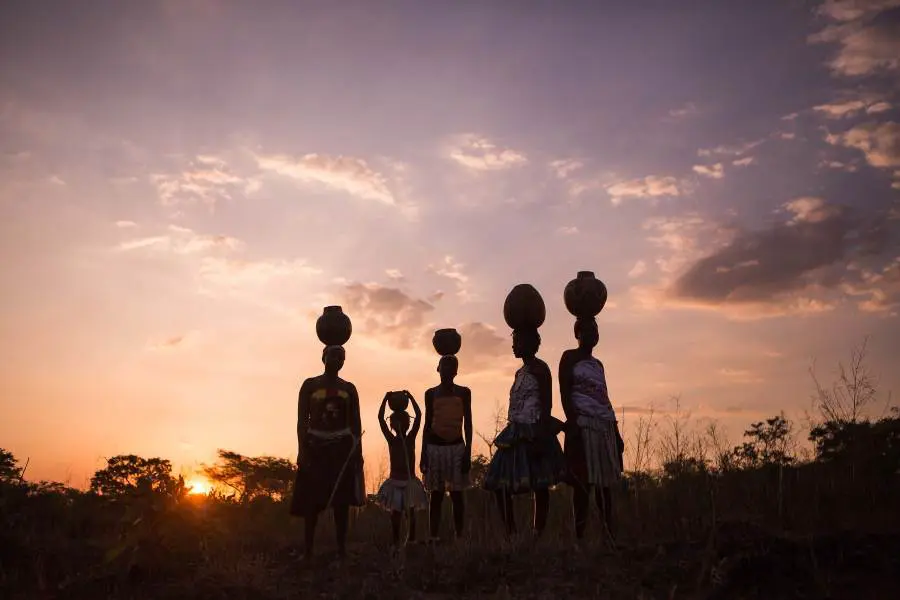
Singita Pamushana Lodge is set within the Malilangwe Wildlife Reserve in south-eastern Zimbabwe, a protected wilderness spanning approximately 46,500 hectares.
Beyond its wildlife and secluded safari setting, Malilangwe also offers opportunities to learn about the cultural heritage of communities in the surrounding region.
The Kambako Living History Museum sits just outside the reserve and introduces guests to Shangaan history, knowledge, and traditional skills.
Through demonstrations and conversations with local hosts, you can learn about traditional practices such as making fire by friction, finding water, and crafting tools, while gaining insight into the knowledge passed down through generations.
Know Before You Go:
Visits to the Kambako Living History Museum can be incorporated into a stay at Singita Pamushana Lodge. The experience centres on demonstrations and conversations with local hosts, making it a rewarding addition for travellers interested in the region’s cultural heritage.
14. See How Rhino Conservation Extends Beyond Hwange
Bomani Tented Lodge, Zimbabwe

Soggiorno presso Bomani Tented Lodge su Hwange National Park’s south-eastern edge, and you’re close to a conservation story that connects wildlife with the communities living alongside the park.
Through the Community Rhino Conservation Initiative, Imvelo Safari Lodges works with local communities to establish protected white rhino sanctuaries on community land, with benefits tied to employment, tourism, gate fees, and efforts to reduce human-wildlife conflict.
Imvelo reports training more than 40 local community wildlife protection scouts, whose responsibilities extend beyond rhino protection to include anti-poaching patrols, wildfire prevention, conservation education, and responding to human-wildlife conflict.
Then there’s the water. Hwange has no major permanent rivers or lakes, so keeping water flowing through the dry months takes considerable work. Imvelo reports managing 18 pumps in and around the park, helping maintain waterholes wildlife relies on when natural water becomes scarce.
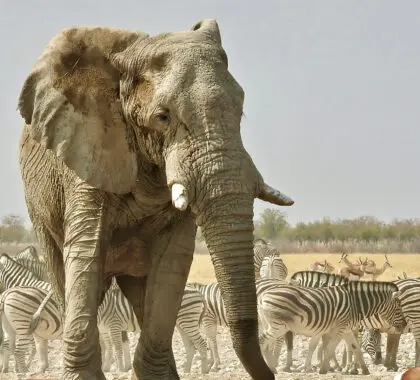
When elephants gather around a waterhole during Hwange’s dry season, it’s easy to focus on the wildlife. Behind that scene are the pumps, maintenance teams, and local conservation workers helping keep these water sources functioning.
Know Before You Go:
Bomani’s game drives, guided walks, night drives, and sunken photographic hide provide different ways to explore the area. The Community Rhino Conservation Initiative operates separately from standard lodge activities, so conservation-focused visits need to be planned around the programme’s priorities.
15. Track Desert-Adapted Black Rhino with Expert Conservationists
Damaraland, Namibia
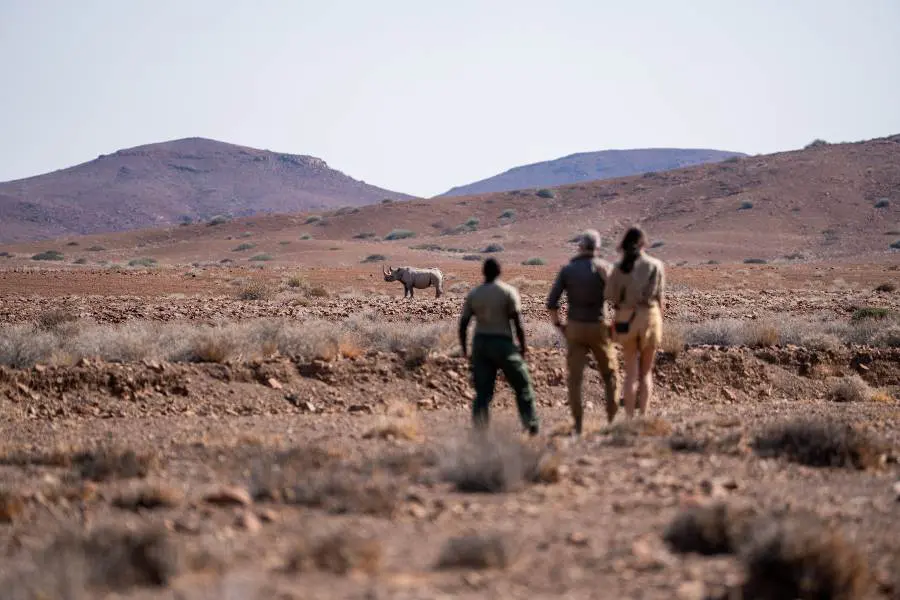
Desert Rhino Camp sits in Damaraland, a remote region of Namibia known for its desert-adapted black rhinos. The camp partners with Save the Rhino Trust to support monitoring and protecting these critically endangered animals.
Accompanied by experienced local trackers and conservation personnel, you’ll follow signs of rhino movement across rocky terrain and dry riverbeds. Tracking requires patience, careful observation, and an understanding of how these animals survive in such an arid environment.
You'll also learn about the monitoring work done by conservation teams. Their knowledge of each animal and its movements is key to protecting the rhino population.
Beyond rhinos, the region supports desert-adapted elephants, giraffes, and predators, although sightings vary and wildlife is widely dispersed.
Know Before You Go:
Rhino tracking takes place across Damaraland’s rugged terrain and may involve walking over uneven, rocky ground. The duration and route depend on conditions and the animals’ movements, so comfortable walking shoes and a reasonable level of mobility are important.
16. See How Tourism Supports Education in Maunga Village
Thorntree River Lodge, Zambia

A stay at Thorntree River Lodge, on the banks of the Zambezi near Victoria Falls, also gives guests the opportunity to visit Maunga Village and learn about the community projects supported by tourism.
Working with the community, the African Bush Camps Foundation continues to support Scuola primaria di Maunga through learning materials, school infrastructure improvements, and its nutrition programme.
Teacher accommodation has also been a focus here in recent years. Construction of two semi-detached, two-bedroom teacher houses began in November 2023, with Go2Africa contributing towards the electrical installations and painting.
The Foundation’s education work now extends to Maunga Secondary School, where a science laboratory was completed in December 2025. Further classroom construction is underway in 2026.
Know Before You Go:
Community visits are arranged around local schedules and the activities available during your stay.
Ready to Travel with Purpose?
Our Africa-based Safari Experts have first-hand knowledge of the destinations they specialise in and can help you plan a journey around the places and projects that matter to you. Whether you’re interested in wildlife research, marine conservation, or community-led initiatives, we’ll help you explore the experiences that connect your safari with the people and landscapes behind them.