Ngorongoro Crater Top Travel Tips

-
Casa
-
Destinazioni
-
Tanzania
-
Cratere di Ngorongoro
-
consigli di viaggio
Consigli di viaggio sul Cratere di Ngorongoro
Per informazioni generali sul viaggio in Tanzania, visitate il sito Consigli di viaggio per la Tanzania page.
Voli e spostamenti
Aeroporto di Arusha: situato appena fuori dalla città di ArushaL'aeroporto di Arusha è la porta d'accesso al Cratere di Ngorongoro, al Serengeti, al Lago Manyara e al Tarangire, ma dovrete arrivarci attraverso l'aeroporto internazionale del Kilimanjaro, situato a circa 50 km di distanza.
Aeroporto internazionale del Kilimanjaro: volare a Kilimanjaro da Dar es Salaam, Nairobi o direttamente dall'Europa e trasferimento all'aeroporto di Arusha, ma tenete presente che i voli internazionali arrivano spesso all'aeroporto del Kilimanjaro a notte fonda, quindi di solito è necessario un pernottamento ad Arusha.
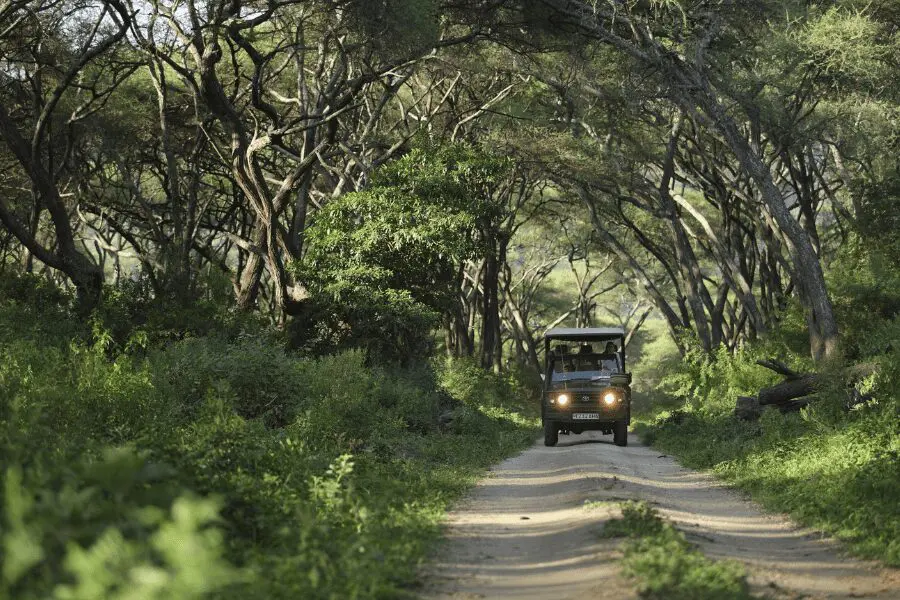
Tuttavia, poiché il cratere di Ngorongoro dista solo 3,5 ore di strada da Arusha, molti viaggiatori preferiscono effettuare il trasferimento finale verso il loro alloggio nel cratere o nella vicina città di Karatu su strada. I fotosafari e i trasferimenti su strada nella regione del Cratere dello Ngorongoro vengono effettuati in 4X4 aperti.
I migliori consigli di viaggio per il cratere di Ngorongoro
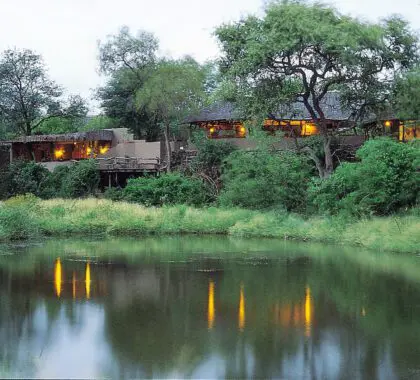
Scegliete con cura la vostra sistemazione: I lodge sul bordo del cratere offrono viste straordinarie e l'accesso più rapido al fondo del cratere, ma la vicina città di Karatu offre una gamma più ampia di alloggi e attività.
Preparatevi a condividere: Con una superficie di soli 260 km², il cratere dello Ngorongoro diventa piuttosto affollato durante le stagioni secche, soprattutto in prossimità dei punti di avvistamento degli animali e dei punti di ristoro più popolari. Per avere il minor numero di visitatori nel cratere dello Ngorongoro, viaggiate durante la stagione delle piogge da aprile a maggio.
Portate i bambini: L'abbondanza di animali e i numerosi lodge adatti ai bambini rendono il Cratere di Ngorongoro una destinazione ideale per un safari in famiglia.
Avvolgersi in inverno: la geografia del Cratere dello Ngorongoro prevede un clima freddo tra giugno e agosto.
The Great Wildebeest Migration and the Ngorongoro Crater
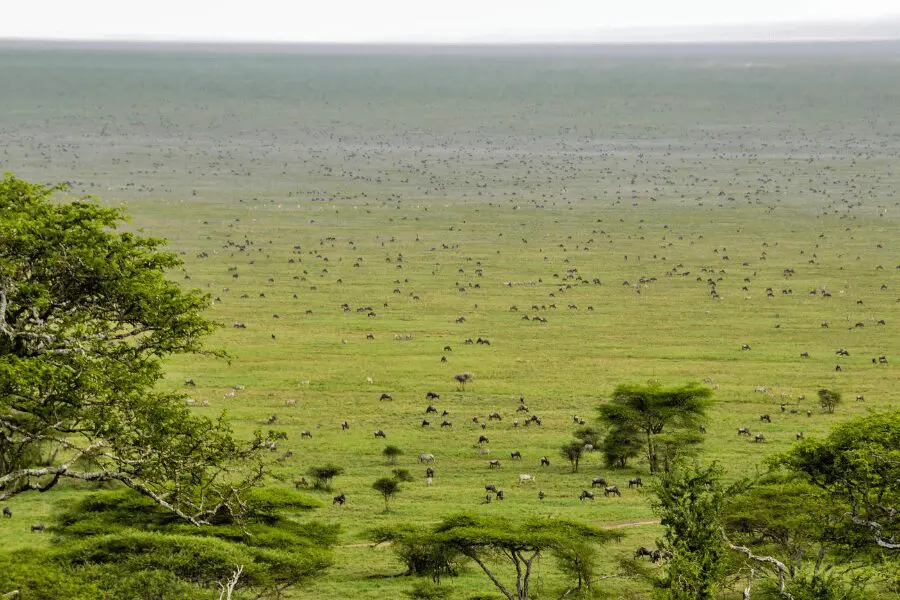
While the Ngorongoro Conservation Area plays a massive role in the Great Migration, specifically the southern Ndutu plains, where millions of wildebeest gather for the calving season between January and March, the actual floor of the Ngorongoro Crater does not witness the migration.
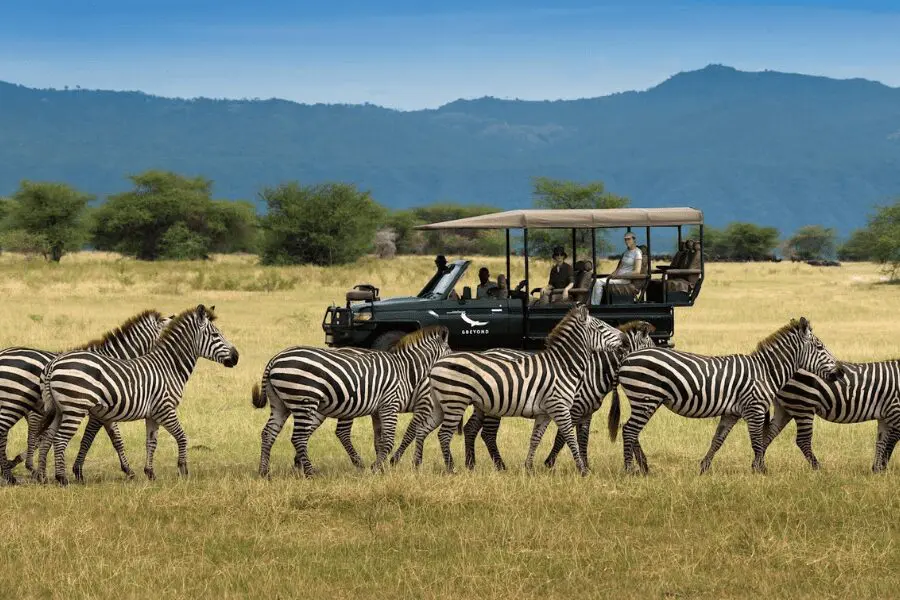
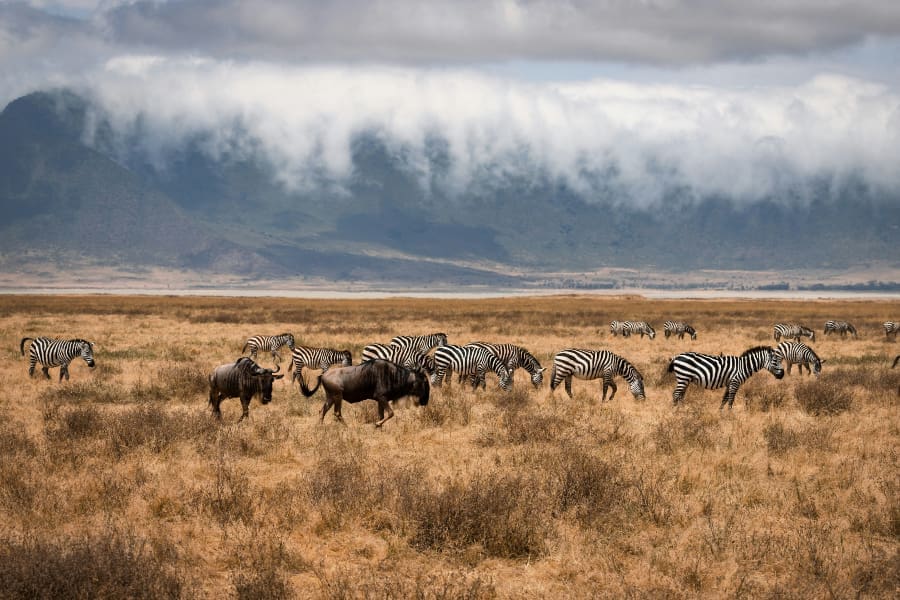
Instead, the crater floor is home to a thriving, permanent population of roughly 25,000 resident animals. Because water and grazing land are abundant year-round within the caldera, these animals have no need to migrate, offering you world-class wildlife viewing regardless of the season.
Packing tips and the weather by the Crater floor
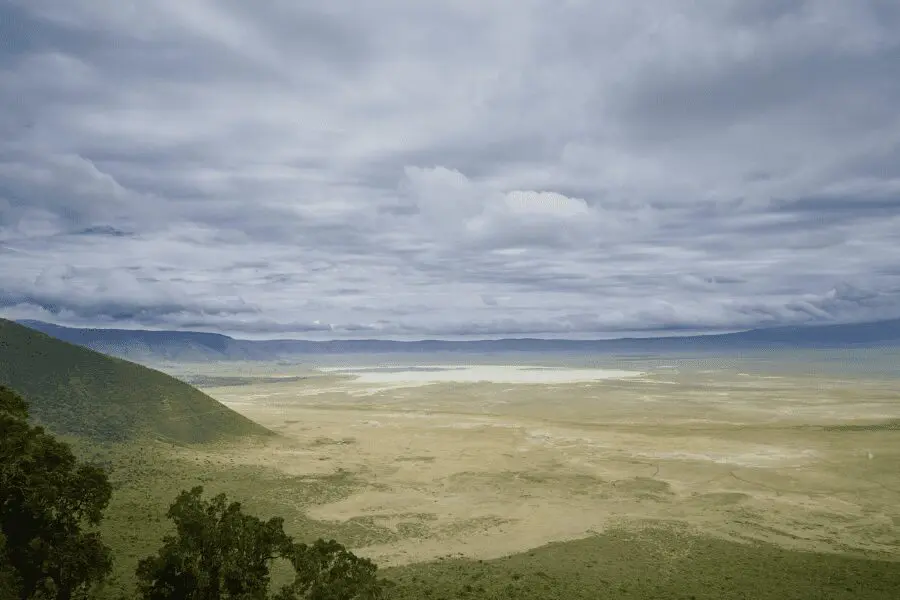
The crater creates its own fascinating microclimates due to a dramatic shift in altitude. The crater rim sits at a lofty 2,200 meters (7,200 feet) above sea level, where it is often cloaked in cool, atmospheric mist and chilly winds, especially in the mornings and evenings.
As you descend the 600 meters (2,000 feet) down to the caldera floor, the mist clears, the sun breaks through, and temperatures warm up considerably. We always recommend dressing in layers for your crater drive. Start with a warm fleece and a windbreaker for the rim, which you can easily shed as you enjoy the sunny plains below.
Visiting a local Maasai boma responsibly
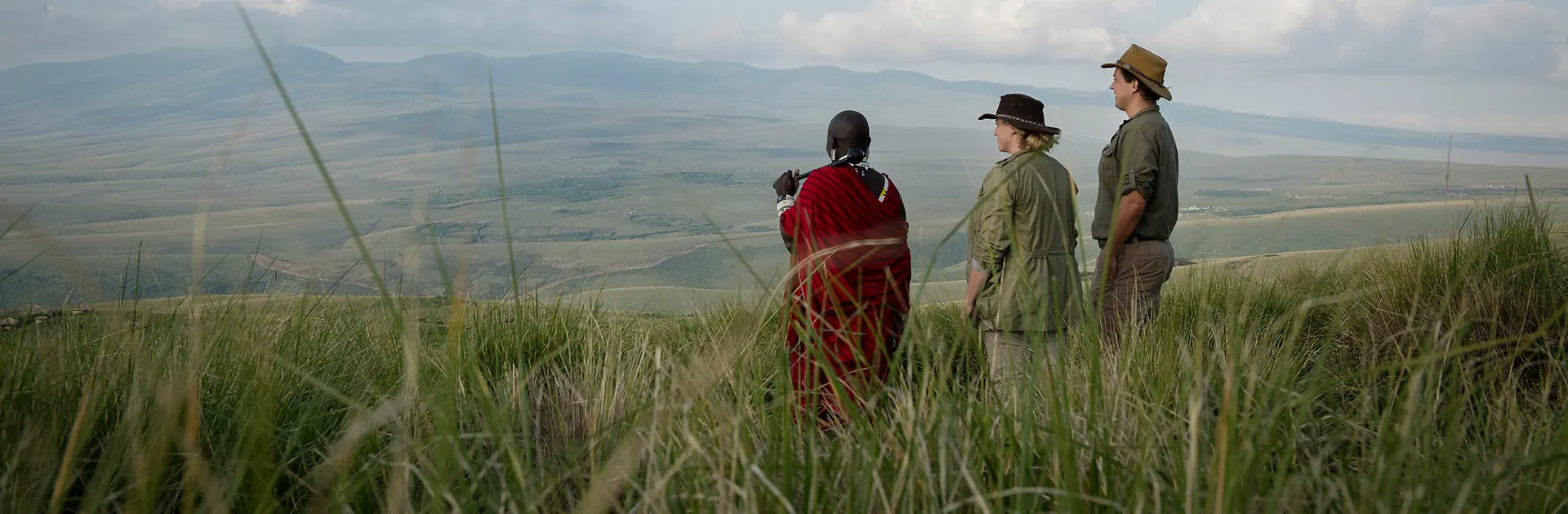
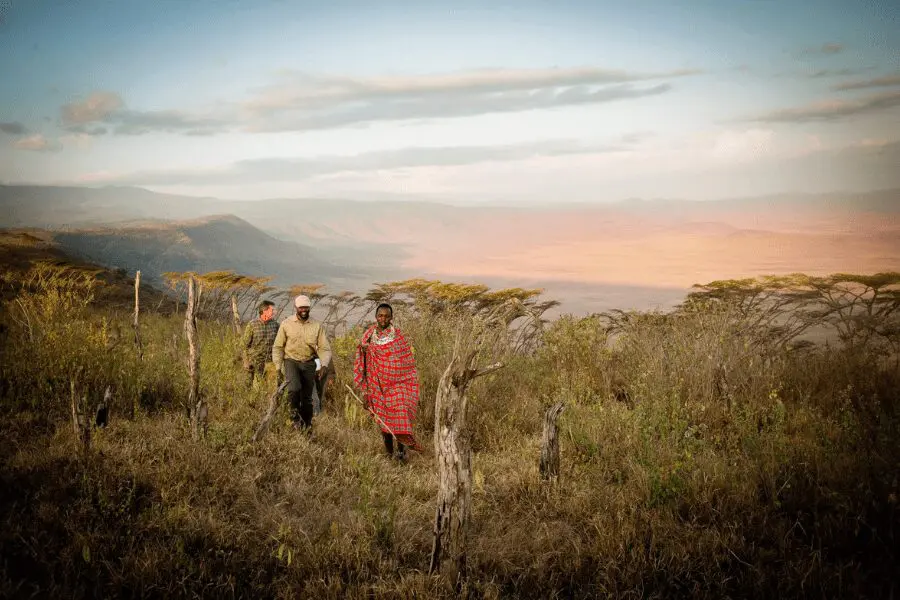
The Ngorongoro Conservation Area is unique because it is a dual-use land where wildlife and the traditional Maasai people co-exist. Visiting a local boma (village) is an unforgettable cultural experience, but doing it responsibly is key.
To ensure your visit is authentic and a fulfilling experience, your Go2Africa Expert will recommend a visit to specific communities that directly benefit from your visit. Your guide will brief you on local etiquette, handle the traditional entry courtesies, and help you interact respectfully with the village elders and families.
Are there day-trip options from the Crater to other unique natural landmarks nearby?
Absolutely, and we highly recommend expanding your itinerary if time allows! The Ngorongoro Highlands are packed with hidden gems. You can take a day trip to the spectacular Empakaai Crater, famous for the deep emerald lake that covers its floor and hosts thousands of pink flamingos.
Alternatively, a visit to the Olduvai Gorge, known as the “Cradle of Mankind”, offers a fascinating look at some of the earliest hominid footprints and fossils ever discovered, making it a must-visit for history and anthropology enthusiasts.
Aiutami a pianificare