
A melhor altura para visitar Moçambique
-
Início
-
Destinos
-
Moçambique
-
quando ir
Quando visitar Moçambique?
May to October is Mozambique’s drier winter season, when days are warm and sunny, humidity drops, and rainfall is scarce across much of the country. Even during the coolest months, the coastline remains pleasantly warm, making it easy to combine a safari with time by the sea.
November to April is Mozambique’s summer, marked by hotter days, higher humidity and bursts of tropical rain. Showers can be heavy, but sunshine often returns quickly. Because this is also the region’s cyclone season, travelling at this time is best approached with a little extra flexibility.
The best time to visit Mozambique really depends on what you’re hoping to experience, because safari, diving, whale watching and turtle nesting each follow their own seasonal rhythms. Conditions also vary between the tropical north and the milder south, so whether you’re planning your trip around wildlife or time on the coast, the seasons shape each experience differently.
The Best Times to Visit Mozambique for your Itinerary
Best Time to Visit Mozambique for Safari
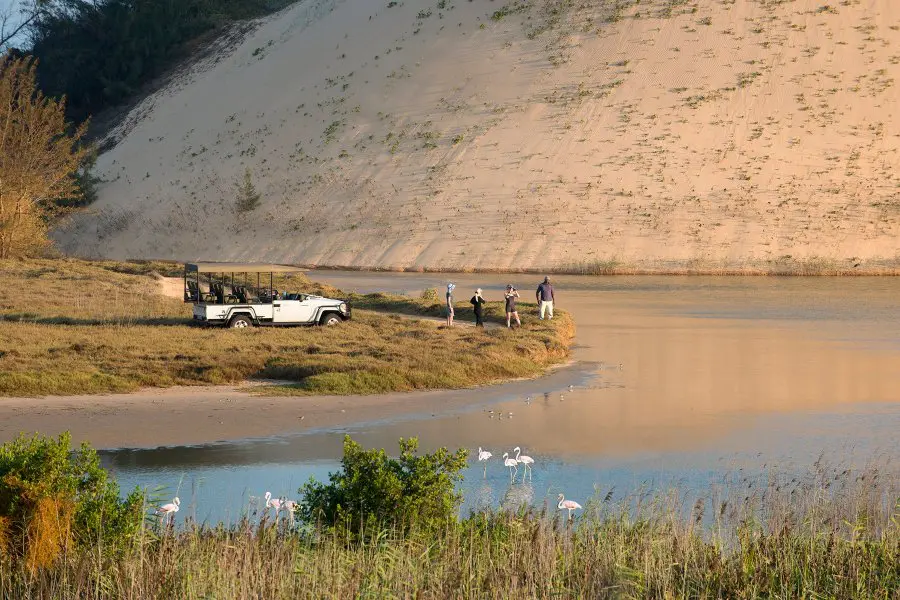
If you’re planning a Mozambique safari, the dry season generally brings easier conditions for exploring Mozambique’s wildlife areas. As the rains ease, roads become easier to navigate, and wildlife increasingly uses permanent water sources.
Parque Nacional da Gorongosa is one of the country’s standout safari destinations, where floodplains give way to grasslands, woodland and forest. These varied habitats support elephants, lions, buffalo, hippos and crocodiles, alongside antelope, primates and rich birdlife. Beyond game drives, guided walks bring the smaller details of the landscape into focus, while seasonal water-based activities reveal another side of Gorongosa.
The park is generally open to visitors from until mid-December, although access and activities change with the seasons. April and May remain green after the summer rains, while July and August bring drier landscapes and greater concentrations of wildlife around remaining water sources. By September and October, temperatures begin to rise as the dry season moves towards the warmer summer months.
The park closes from mid-December until the end of March, and some roads may take longer to reopen following heavy rainfall.
Best Time to Visit Mozambique for the Beach
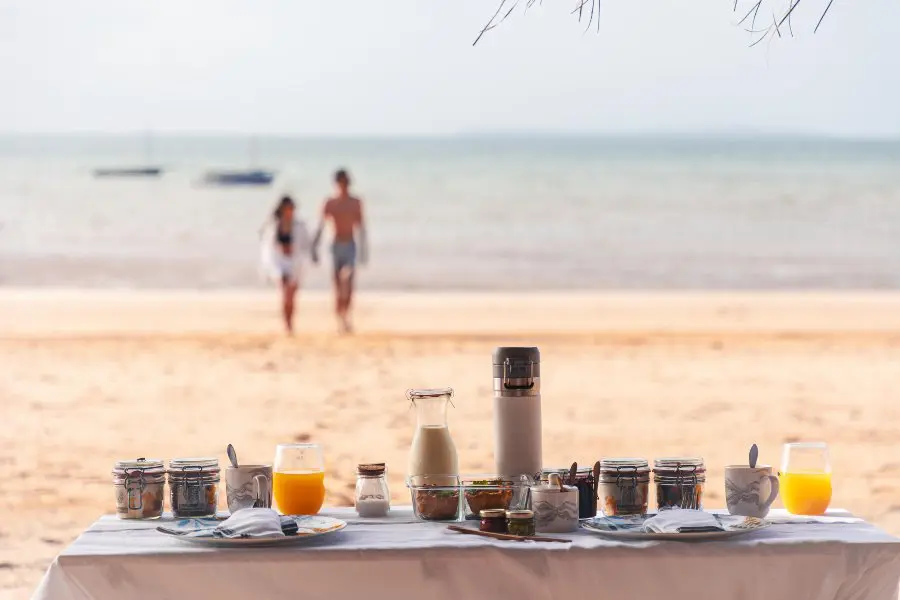
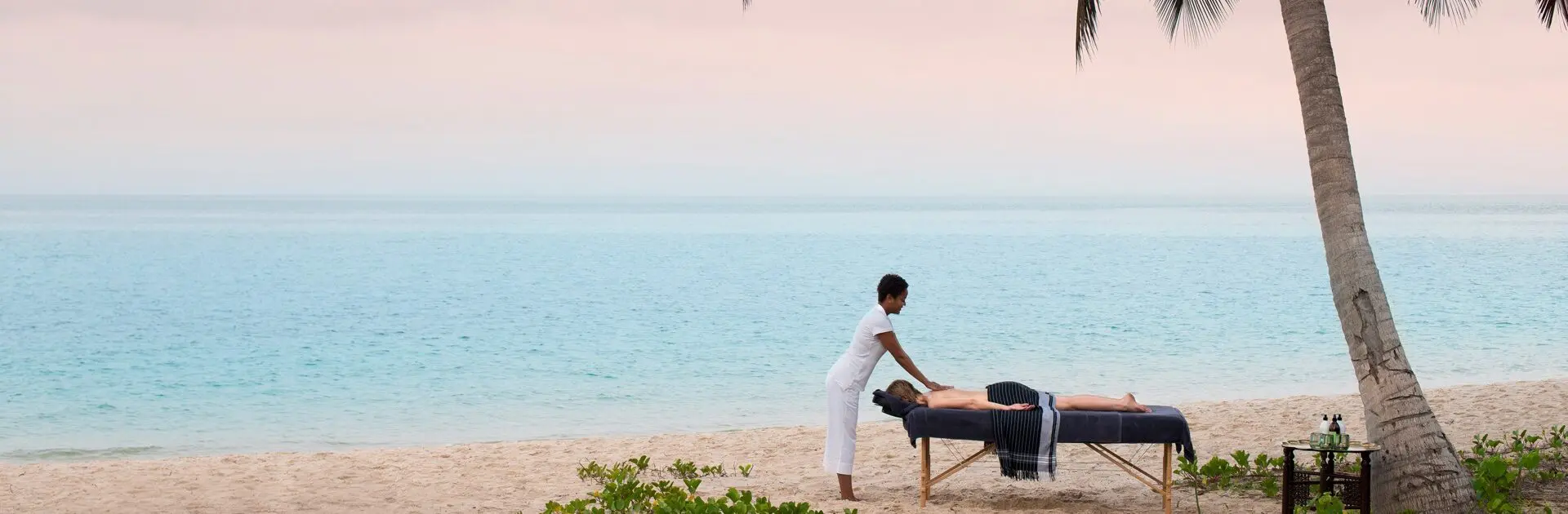
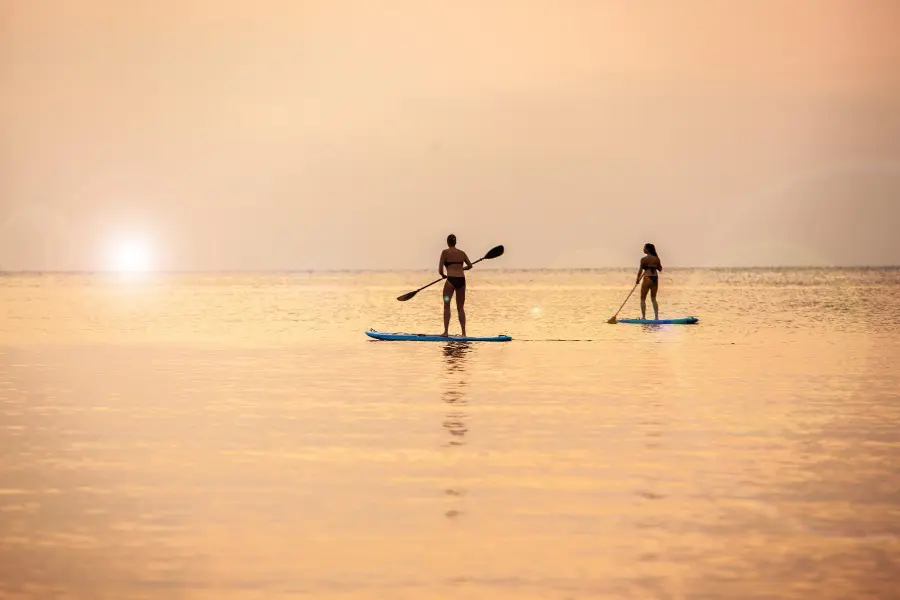
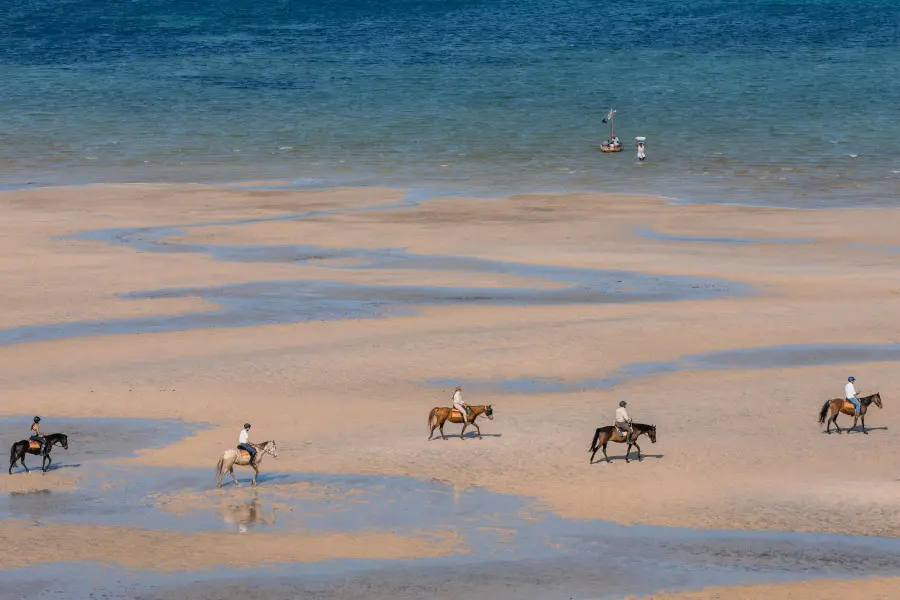
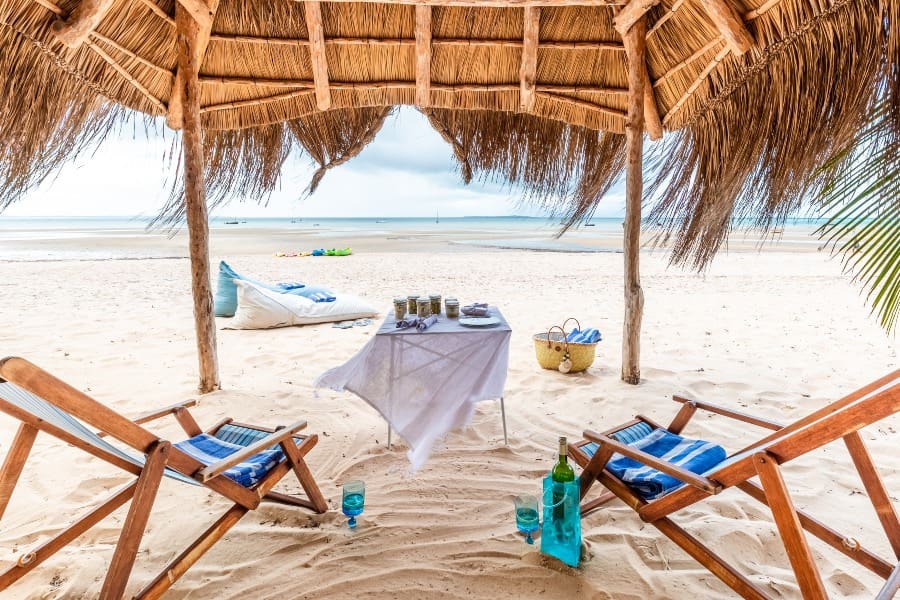
If you’re dreaming of warm beach days with gentle breezes and little rainfall, May to October brings favourable conditions along much of Mozambique’s coast. With such a long coastline, conditions vary by region: the north remains distinctly tropical throughout winter, while destinations further south experience a more noticeable seasonal change.
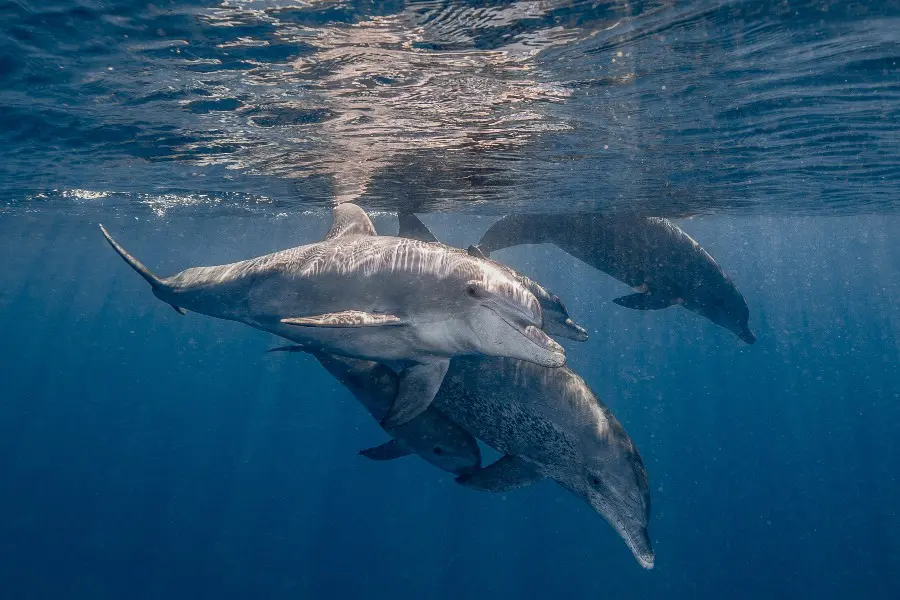
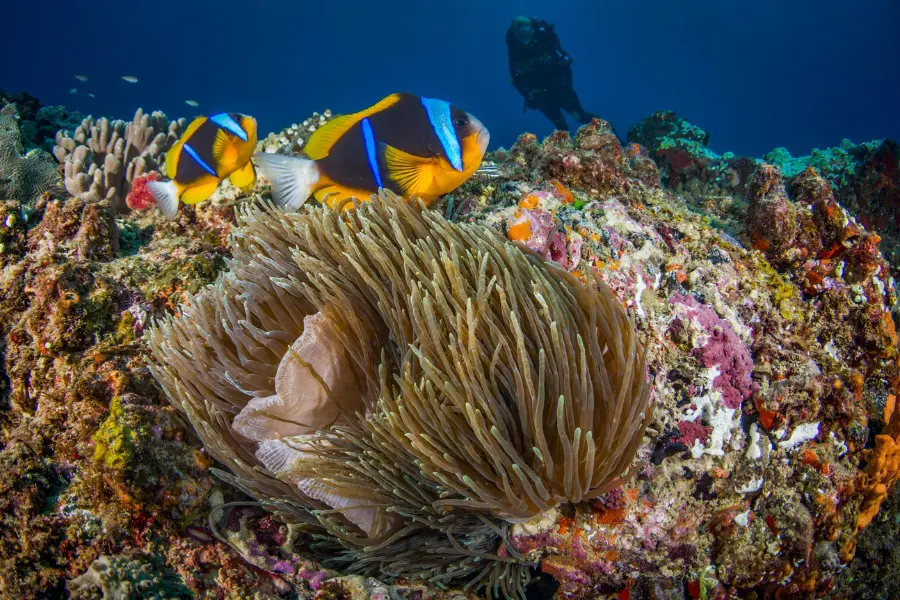
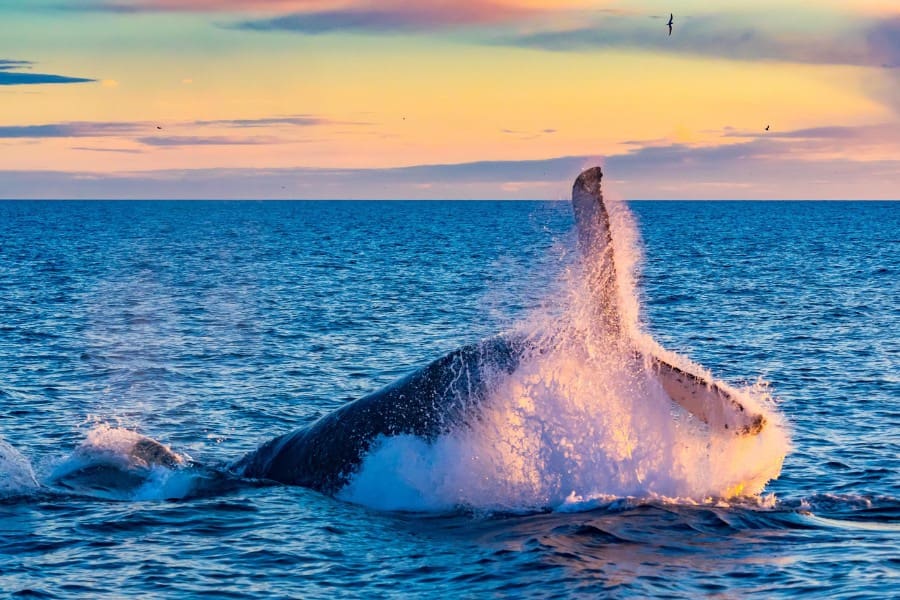
The coast also changes with the seasons. During the austral winter, humpback whales migrate through Mozambican waters, while further south, loggerhead and leatherback turtles come ashore to nest between October and February. Diving and snorkelling are possible year-round in places like Bazaruto, though visibility and sea conditions vary with weather, tides and location.
How Much Does It Rain in Mozambique?
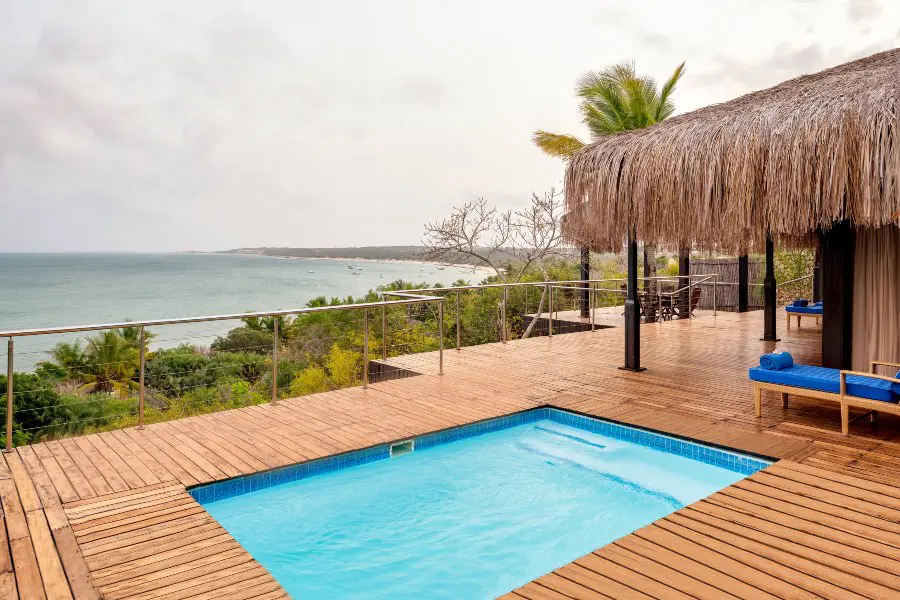
Rainfall in Mozambique varies widely by season and region. January to March are typically the wettest months, while rainfall drops away as the country moves into its drier season from May onwards.
In Bazaruto, the average monthly rainfall drops from over 160mm in January and February to just 20-30mm between June and October. Further north, Pemba experiences an even more pronounced seasonal shift.
Travelling during the rainy season doesn't mean constant rain. Tropical downpours are often short-lived, though heavier rainfall can affect road conditions and access in wildlife areas. Cloud, wind and changing sea conditions may also influence your beach and marine experiences.
The wetter months also bring visible change to the landscape. Vegetation becomes greener, summer temperatures rise, and bird activity increases in wildlife areas such as Gorongosa, so the season has its own character even though road access and weather require more flexibility.
How Hot and Humid Are Mozambique’s Summer Months?
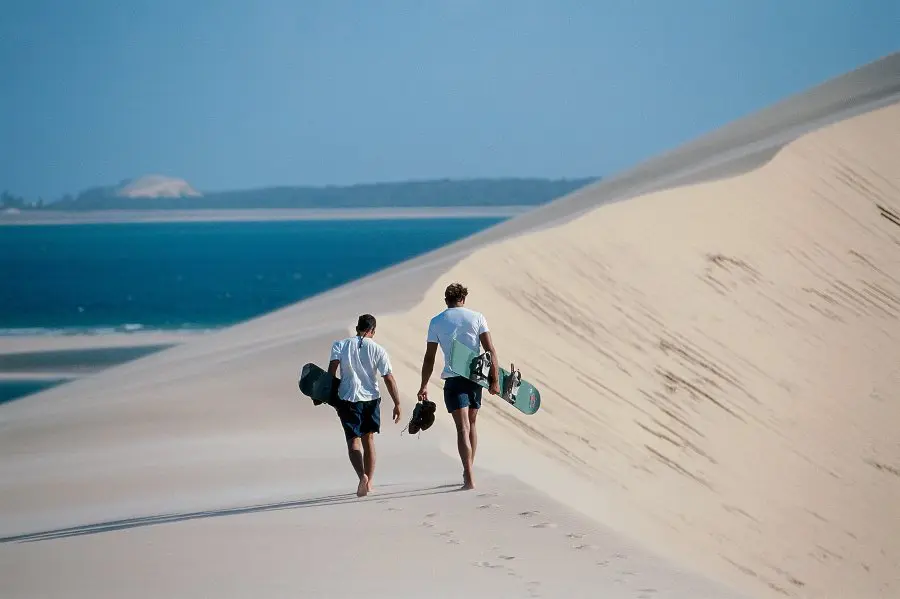
Mozambique’s summer is hot and humid, with daytime temperatures often reaching 30 to 32°C from December to March.
Regional differences are noticeable. The north stays warmer and more tropical for much of the year, while the south is milder. Pemba holds steady at 29 to 30°C even from June to August, while Maputo averages 25 to 26°C during the same period.
Does Mozambique Have a Shoulder Season?

April and May mark the transition from Mozambique’s wetter summer into the dry season. Rainfall begins to ease, landscapes remain green, and temperatures become milder, making these months well suited to combining the coast with safari.
October and November bring the reverse transition. Temperatures rise as summer approaches, while October generally remains dry before rainfall increases through November and December.
Christmas and New Year are popular times for beach holidays, so if Mozambique is on your December wishlist, book well in advance.
Can You Combine Safari & Beach in Mozambique?
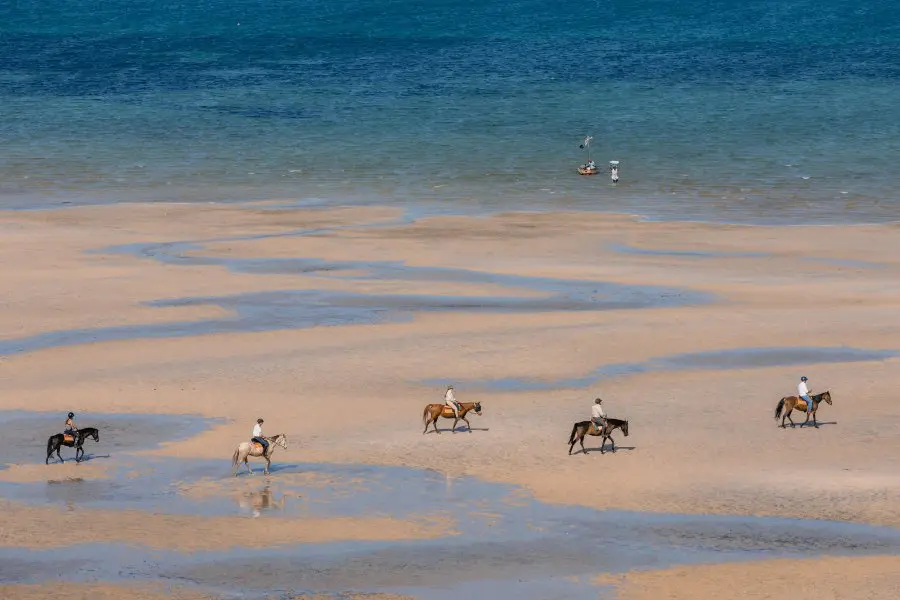
Mozambique is well suited to combining time in the wilderness with the Indian Ocean coast, but seasonality matters when bringing the two together. During the drier months, Gorongosa is open for safari while coastal destinations experience lower rainfall and humidity, making it easier to plan both experiences within one journey.
Where you travel also shapes the combination. Mozambique stretches a long way from north to south, so your Africa-based Safari Expert can match the regions and timing to the experiences that matter most to you.
| Destino | Jan | Fev | Mar | Abr | Mai | Jun | Jul | Atrás | Conjunto | Fora | Nov | Dez |
|---|---|---|---|---|---|---|---|---|---|---|---|---|
|
31°C
164 mm |
31°C
167 mm |
30°C
98 mm |
30°C
49 mm |
28°C
41 mm |
26°C
31 mm |
26°C
20 mm |
26°C
25 mm |
27°C
19 mm |
29°C
26 mm |
30°C
74 mm |
31°C
149 mm |
|
|
Maputo |
30°C
158 mm |
31°C
133 mm |
30°C
91 mm |
29°C
56 mm |
27°C
29 mm |
25°C
18 mm |
25°C
20 mm |
26°C
16 mm |
27°C
38 mm |
28°C
63 mm |
29°C
75mm |
30°C
87 mm |
|
Pemba |
32°C
165 mm |
32°C
162 mm |
32°C
199 mm |
32°C
122 mm |
31°C
28 mm |
29°C
15 mm |
29°C
14 mm |
30°C
5mm |
30°C
4mm |
32°C
9 mm |
32°C
35mm |
32°C
128 mm |
Percorrer para saber mais
Guia mês a mês para viajar para Moçambique:
Visitar Moçambique de janeiro a março
January to March falls within Mozambique's hot, humid summer and rainy season. Tropical downpours can be heavy, and this period overlaps with the southern Indian Ocean's cyclone season, so it's wise to allow extra flexibility in your plans.
Along the southern coast, these months overlap with an important period for marine life. Loggerhead and leatherback turtles typically nest near Ponta do Ouro from October to February, with hatchlings emerging later in the season.
Whale sharks are also found along southern Mozambique’s coast, especially around Inhambane and Tofo, although sightings are seasonal and never guaranteed.
Viajar para Moçambique em abril e maio

April is a pleasant time as the summer rains have By April, summer rainfall begins to ease as Mozambique moves towards its drier season. Landscapes remain green, humidity begins to fall, and the coast stays warm into May.
In wildlife areas such as Gorongosa, you can see this seasonal transition across the landscape. Summer floods begin to recede, revealing green grass and full pools, while rainfall drops and evenings grow cooler. Along the coast, warm temperatures continue as the wetter months give way to more settled conditions.
The drier conditions also make it easier to add a touch of cultural exploration to your coastal journey. Off the northern coast, the UNESCO-listed Island of Mozambique reflects centuries of Indian Ocean trade, with architecture shaped by local traditions alongside Portuguese, Arab and Indian influences.
Visitar Moçambique de junho a agosto

June to August brings some of Mozambique’s driest weather, with warm days, low humidity, and cooler evenings. The change is more noticeable in the south, while northern destinations like Pemba remain distinctly tropical.
In Gorongosa, the landscape gradually shifts from green to gold as the dry season progresses. Seasonal pans begin to recede, and wildlife makes increasing use of remaining water sources, while cooler days make time out on safari more comfortable.
Along the Indian Ocean, the same months bring lower humidity and the seasonal movement of humpback whales through Mozambican waters.
Visitar Moçambique em setembro e outubro

September and October fall within Mozambique’s dry season, bringing warm days and relatively little rainfall across much of the country.
On safari, drier vegetation and greater reliance on permanent water sources can make wildlife easier to spot. Along the coast, September is within the seasonal humpback whale migration, while October marks the beginning of turtle nesting around Ponta do Ouro.
For travellers hoping to combine safari and beach, these months bring favourable conditions for experiencing both in one journey.
Viajar para Moçambique em novembro e dezembro

November brings the shift into summer, with temperatures and humidity rising as the rains return. The first showers bring fresh growth to wildlife areas, while November brings increased bird activity in Gorongosa as migratory species arrive, and resident birds enter their breeding season.
Along the southern coast, turtle nesting season is underway, while December draws travellers for festive beach holidays. Summer also brings increasing rainfall and overlaps the cyclone season, so journeys spanning several regions may require greater flexibility.
Ready to Start Planning Your Mozambique Journey?
Our Africa-based Safari Experts can help you choose when to travel and bring together the right combination of safari, coast and experiences for your journey.
Ajude-me a planear