

Aller au contenu
On safari, meals reflect where you are and how you spend your days. Even in camps far from the nearest town, chefs bake fresh bread, tend kitchen gardens, source from local producers, and plan menus around what they can grow or bring into camp.
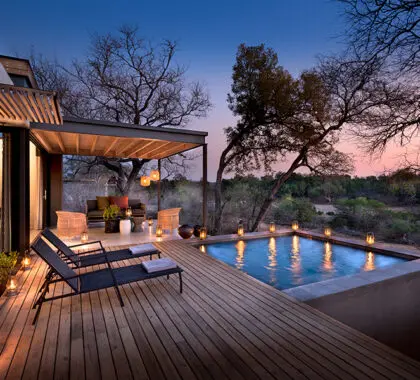
At some lodges, food invites you to look more closely at where you are. You might taste ingredients from the Northern Cape, explore South African wines with a sommelier, or stay in a private safari villa where a chef plans meals just for your family. If food is a big part of how you travel, our food and wine holidays take that interest beyond safari too.
Dietary requirements add another practical consideration, especially when specialist ingredients need to reach more remote camps. So, what can you look forward to eating, what is usually included, and how do lodges cater for vegan, halal, kosher, gluten-free, and other needs?
Here's what to know before you set off.
A Day of Dining on Safari
What Does a Day of Dining on Safari Look Like?
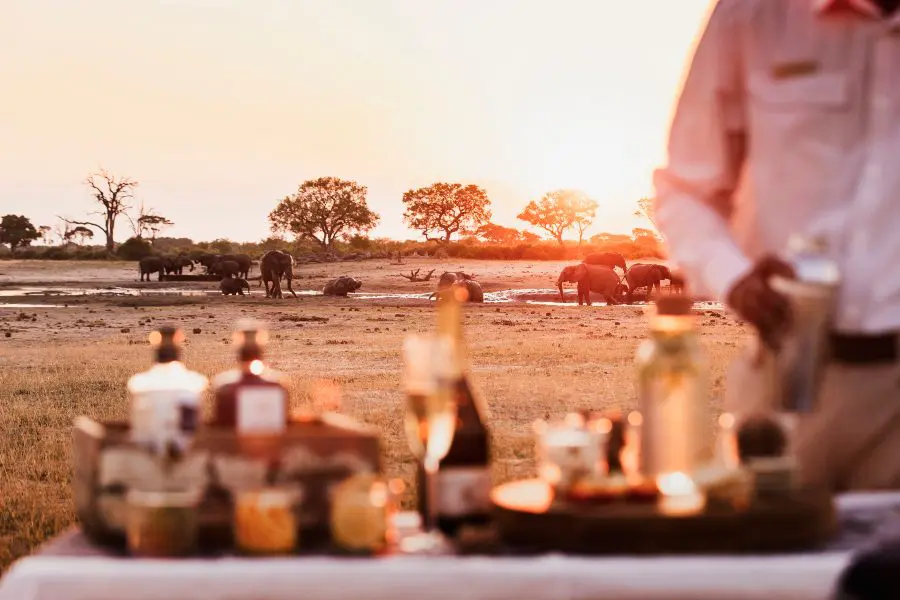
Most safari days begin with something light before your first activity, then move into breakfast or brunch, lunch, and a bite before heading out again in the afternoon. Where those meals happen is often a surprise.
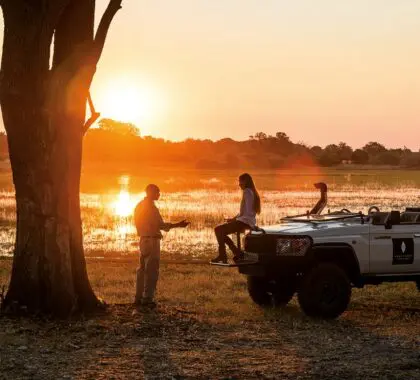
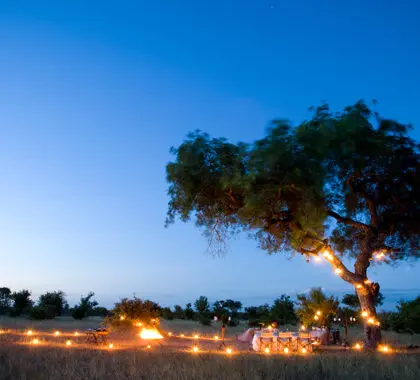
You might take breakfast with you to stay out longer in the Serengeti, return for a late brunch after tracking rhinos on foot, or sit down to lunch after exploring the Okavango Delta by mokoro. Later, sundowners are a much-loved safari tradition. Fortunately, meals rarely set the pace for your day. At the right property, a picnic can keep you out with your guide for longer, while an exclusive-use safari villa gives your family the freedom to eat when it suits you. Instead of planning your day around restaurant hours, dining naturally fits around the experiences that brought you to Africa.
Want to know what the rest of your day might look like? Read our guide on a journée type d'un safari.
Fresh Food at Remote Safari Lodges
How Does a Remote Safari Lodge Get Fresh Food?
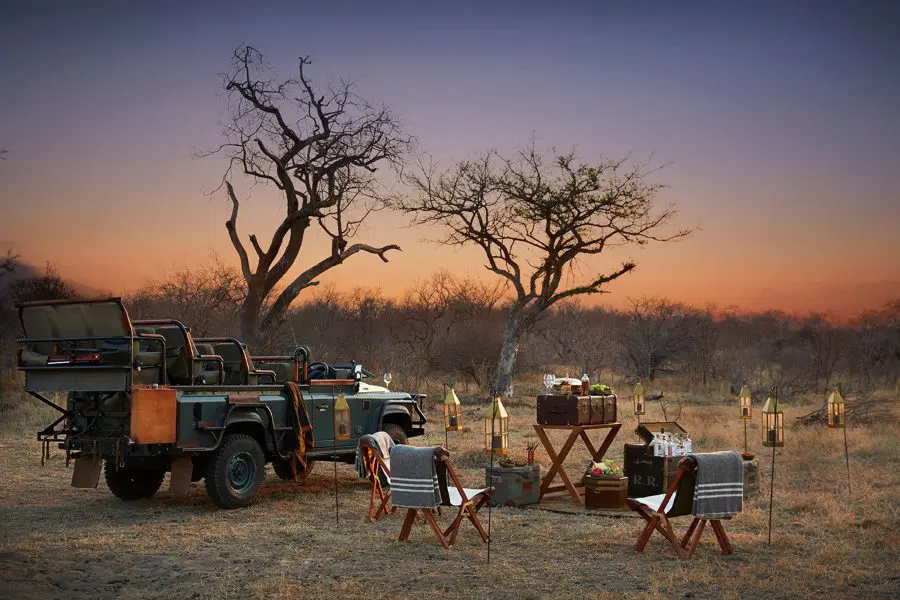
Running a kitchen becomes considerably more complicated when the nearest town is hours away. Fresh produce, meat, dairy, wine, and specialist ingredients may travel by road, light aircraft, or a combination of the two before reaching camp.
There's rarely the option of replacing a missing ingredient with a quick trip to the shops. Supply runs are carefully coordinated; perishable ingredients are stored with care, and menus are planned around what's available and in season.
Local sourcing plays an important role in African safari food today. Some properties rely less on long supply routes by growing their own kitchen gardens or working closely with nearby farmers and producers. What can be grown locally depends on the destination, but herbs, fruit, and vegetables picked close to camp can reduce the distance fresh produce needs to travel.
These logistics matter even more when you have dietary requirements. A certified product, specialist ingredient, or prepared meal may need to be sourced just for your stay, so sharing your requirements early gives the lodge time to prepare.
Safari Cuisine in the Bush
What Does Safari Cuisine Look Like in the Bush?
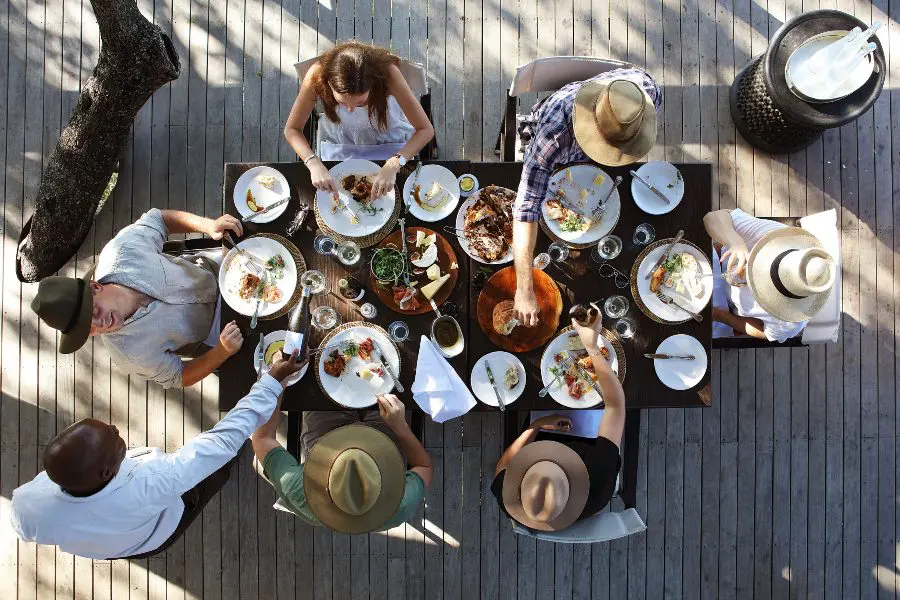
Gourmet safari dining is less about formality and more about where your food comes from, how it is prepared, and where you get to enjoy it. After a morning game drive, breakfast might mean eggs cooked to order warm pastries, fresh fruit and coffee, either back at the lodge or set up somewhere out in the bush.
Before the afternoon safari, many lodges serve a spread of sweet and savoury dishes, from freshly baked cakes and pastries to salads, cheeses and lighter bites. It is less a formal high tea than a chance to graze before heading out again, particularly when dinner may only follow later in the evening.
Dinner brings another side of safari cuisine into focus. Depending on the property, you might sit down to a multi-course menu paired with South African wines, share dishes around the table, or taste ingredients drawn from the region. Open-fire cooking is common too, particularly at boma dinners, where meat, vegetables, and bread can be prepared over the coals.
At its best, safari cuisine does more than recreate a restaurant in the wilderness. The ingredients, cooking methods, and setting tell you something about where you are.
What's Included at Safari Lodges
Are Meals Included at Luxury Safari Lodges?
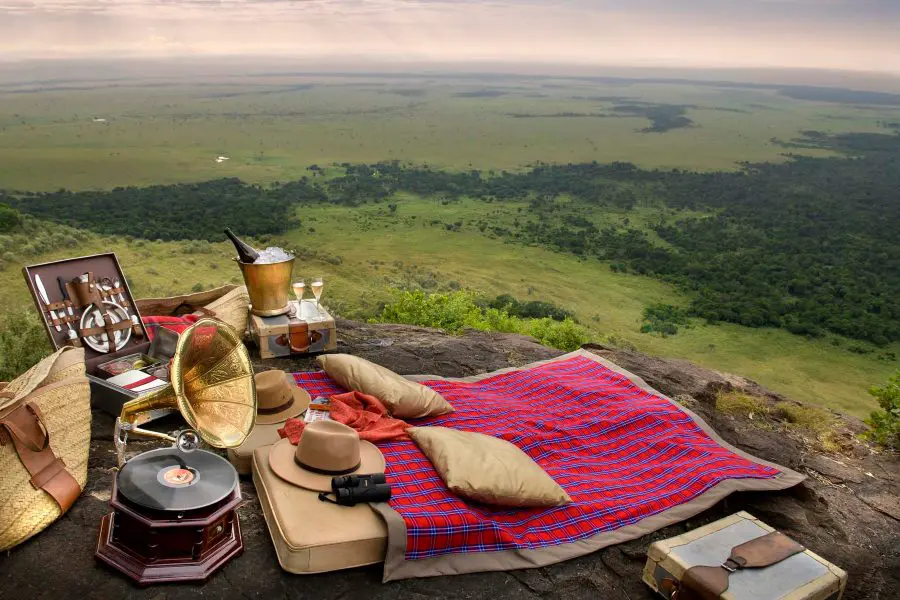
Nombreux lodges de safari de luxe include breakfast, lunch, dinner, and snacks. Selected wines, spirits, soft drinks, sundowners, and minibar items may also be included, though what's included changes from one property to another.
Premium Champagne, particular wines, private dining, or specialist dietary products may sit outside the standard inclusions. Certified meals can also come at an extra cost if they need to be prepared elsewhere and transported to camp.
Votre Expert en safari en Afrique can walk you through what's included at each property before you travel, from meals and drinks to activities and any extra costs. That way, you can compare properties based on what's actually included, not just the nightly rate.
Safari Lodges for Food Lovers
Safari Lodges Where Food Becomes Part of the Experience
Many safari lodges serve excellent food, but some take the connection between food and place even further. The examples below stand out for different reasons, from Northern Cape ingredients and private chefs to specialist dietary provision and plant-based cooking.
For more places where food plays a central role in your stay, explore our best safari lodges in Africa for food lovers.
Tswalu Kalahari: Taste the Northern Cape
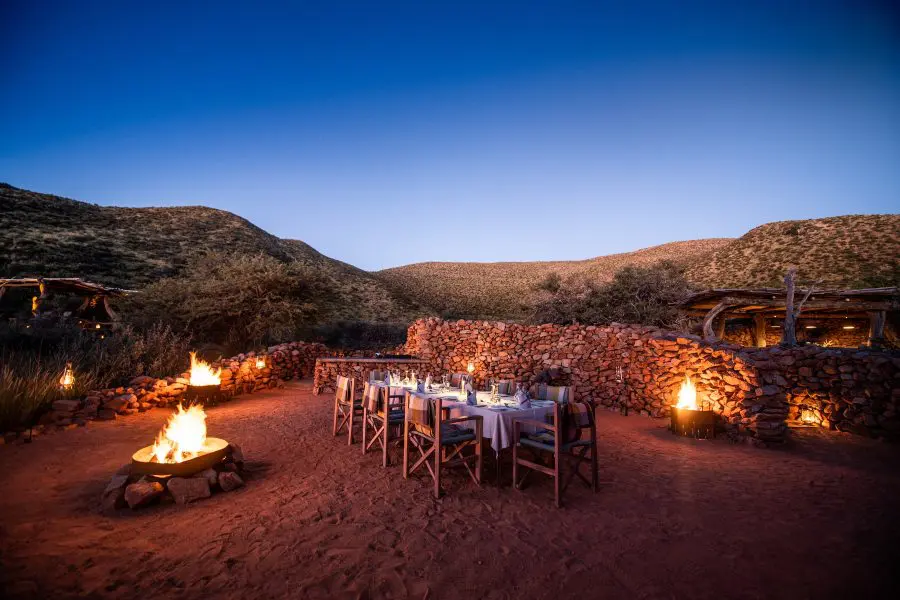
After a morning tracking desert-adapted wildlife or exploring the reserve on horseback, the Kalahari’s distinctive flavours become part of the experience. Tswalu works with small-scale farmers and producers across the Northern Cape, bringing honey from its own hives, meat from a local butcher, seasonal fruit, vegetables, and cheeses into its kitchens.
Chef Jan Hendrik van der Westhuizen helped bring the region’s food heritage to wider attention through Restaurant Klein JAN. Rather than introducing a conventional fine-dining concept to the southern Kalahari, the restaurant celebrated Northern Cape produce and the resourcefulness of cooking in a semi-arid environment.
The next chapter came in August 2026 with the opening of Boscia, under the creative direction of acclaimed South African chef Luke Dale Roberts. Its five-course menu draws on regional flavours, including tsamma melon, wild rosemary, and locally sourced venison. One Boscia dinner is included for guests staying at least two nights, with vegetarian, vegan, and pescatarian menus available by prior arrangement.
For guests staying at Tarkuni at Tswalu, Boscia brings another memorable dining experience to their Safaris dans le Kalahari.
Royal Malewane: Dining Around Your Day
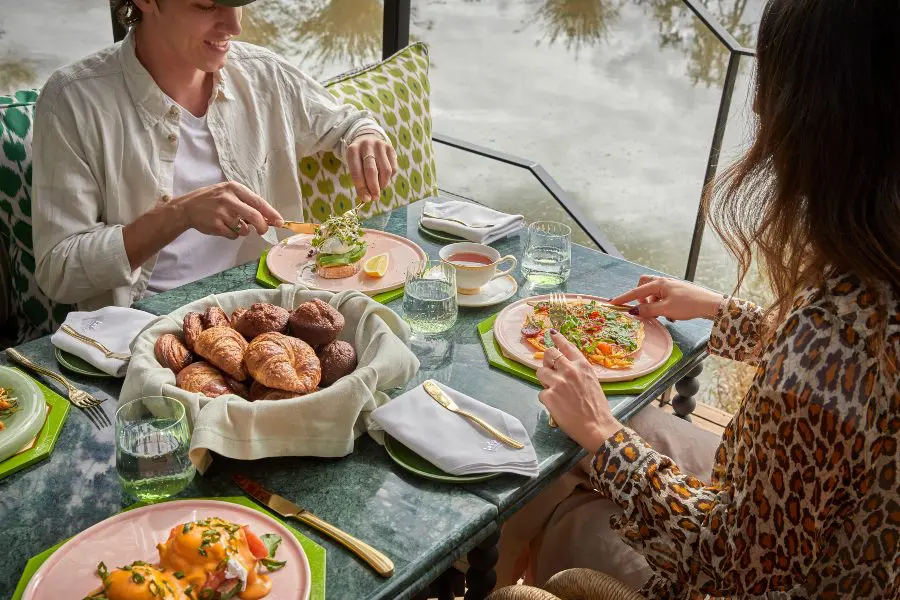
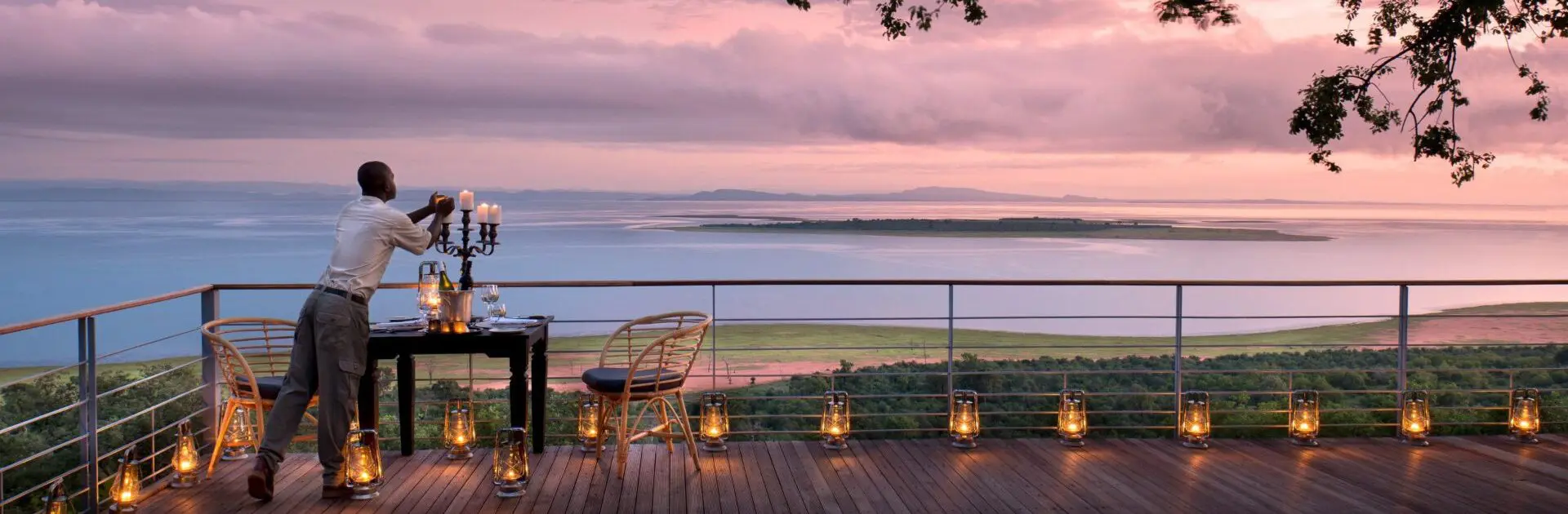
A morning tracking wildlife through the Greater Kruger doesn't have to end just because breakfast is waiting back at the lodge. At Royal Malewane, chefs adapt menus to your preferences and plan meals around how you want to spend your day.
Wine is given just as much attention, with tastings and pairings introducing you to both established names and smaller South African producers. Whisky and South African gin add further options beyond the wine cellar.
Royal Malewane is also notable for its kosher facilities. Malewane Lodge and Waterside have dedicated Beth Din-certified kosher kitchens with separate equipment for meat and dairy, while different arrangements can be made elsewhere in the collection.
Cheetah Plains: A Private Kitchen for Your Group
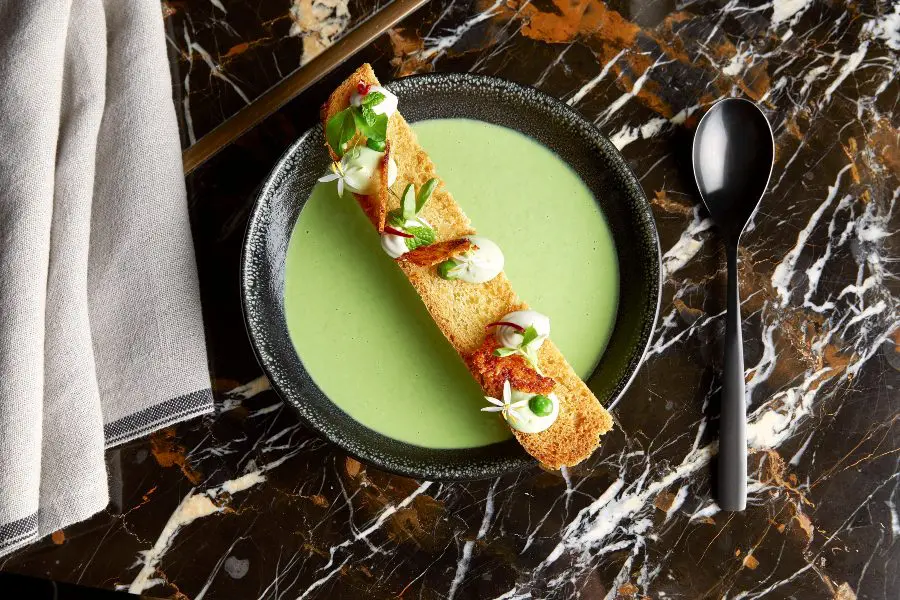
Travelling with family or friends changes how you dine. At Cheetah Plains in the Sabi Sand, each exclusive-use villa has its own culinary team, chef's kitchen, and temperature-controlled wine gallery, giving your group more control over mealtimes and menus.
Children can eat earlier if needed, breakfast can wait until everyone returns from safari, and dinner can move between different spaces at the villa. South African cuisine remains an important part of the menu, while the culinary team is also trained across a range of international cuisines, including Mediterranean, Indian and Asian. This means meals can incorporate familiar flavours alongside South African cuisine.
With advance planning, Cheetah Plains can also accommodate vegan, gluten-free, kosher, and food-allergy requirements. For groups with different preferences or dietary needs, having a dedicated culinary team for your villa can make planning meals considerably easier.
Zarafa Camp: Plant-Based Cooking in Botswana
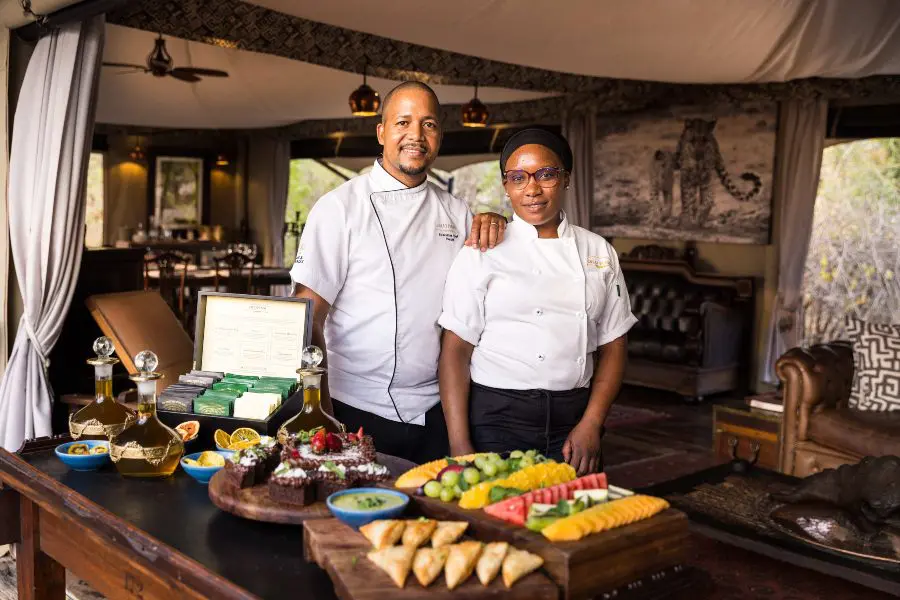
Days at Zarafa Camp might take you across Botswana's Selinda Reserve by vehicle or onto the water when conditions allow. Back at camp, food becomes another part of the experience.
Plant-rich dining gives vegetarian and vegan travellers more considered choices throughout their stay, with plant-based alternatives treated as dishes in their own right rather than simply removing meat from the plate. It's an approach that gives plant-based food a more thoughtful place on the safari menu, alongside the wider dining experience at camp.
Wine on Safari
What About Wine on Safari?
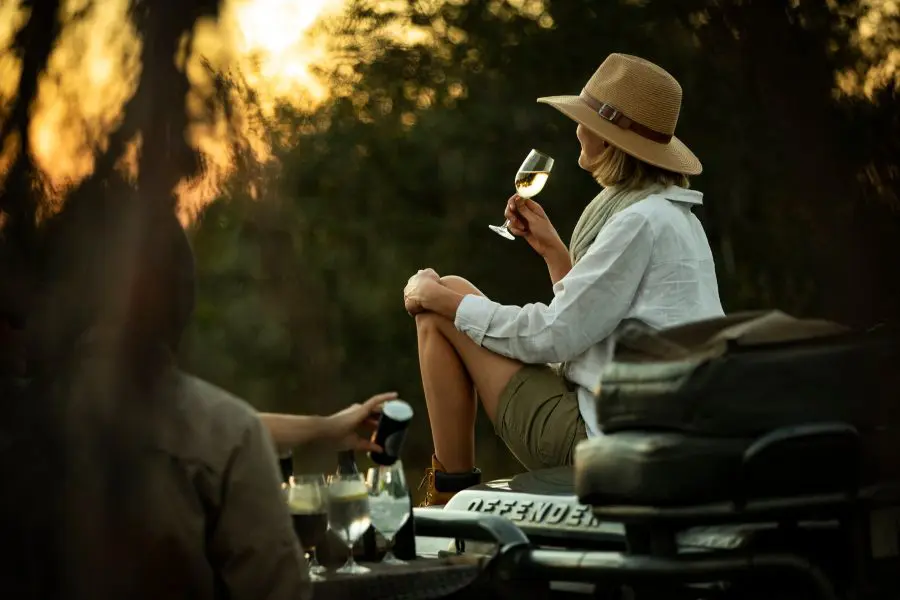
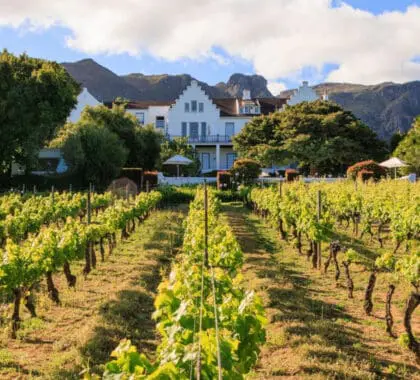
Wine lovers may be surprised by the depth of some safari cellars, especially in South Africa. Lodges draw from Stellenbosch, Franschhoek, Constantia, Hemel-en-Aarde, and other wine regions, with sommeliers introducing you to different producers, cultivars, and vintages.
If wine matters to you, mention it when planning your trip. A Kruger or Sabi Sand safari pairs naturally with Cape Town and the Cape Winelands, where vineyard visits and cellar tastings reveal another side of South Africa's food culture.
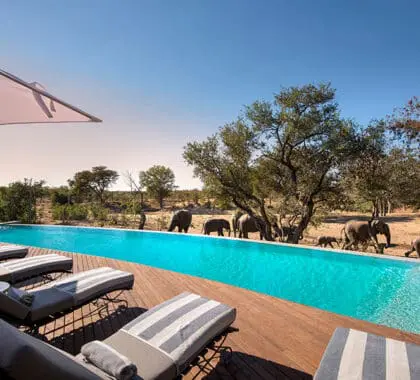
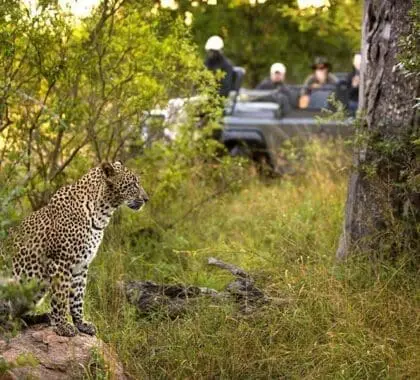
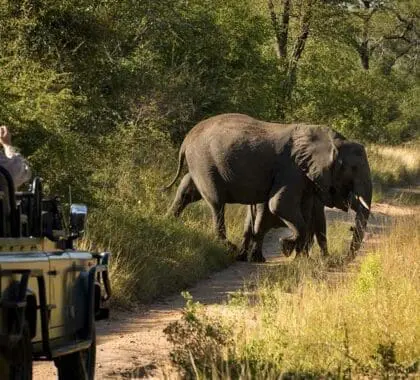
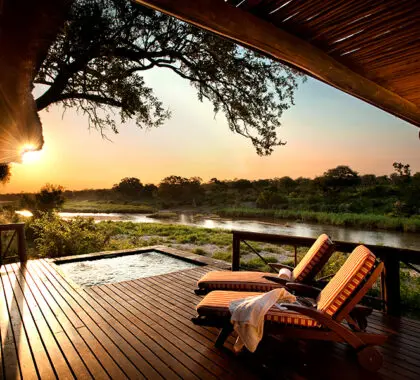
Parc national Kruger
Activités appréciées
Observation des oiseaux
Nourriture et vin
Road trip en autonomie
Faune et safari
-

Parc national Kruger
Activités appréciées
Observation des oiseaux Nourriture et vin Road trip en autonomie Faune et safari
Dietary Requirements on Safari
Can Safari Lodges Cater for Dietary Requirements?
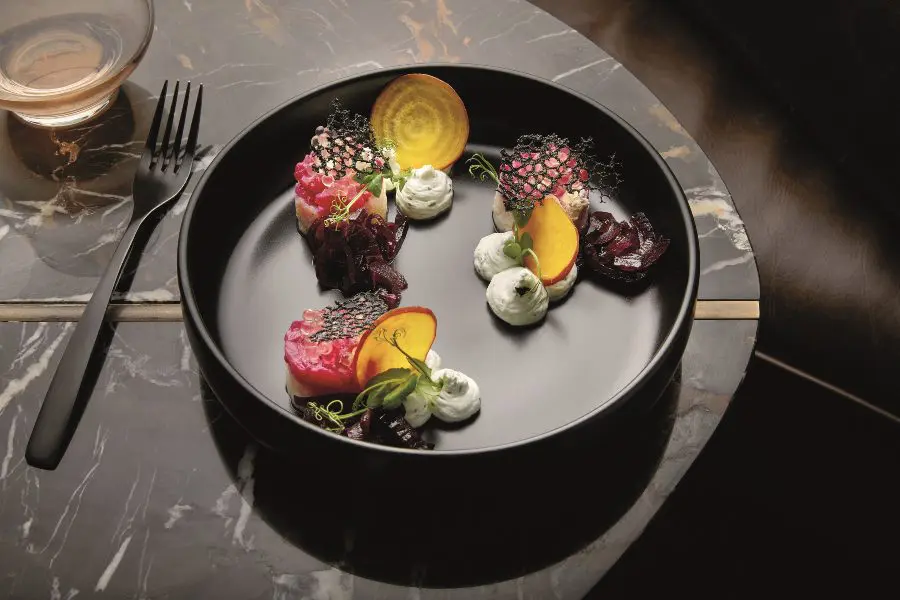
In many cases, yes, but the details matter. Someone avoiding gluten by choice has different needs from a traveller with coeliac disease, while strict kosher observance may require certified ingredients, separate equipment, and specific preparation procedures.
Tell your Africa Safari Expert exactly what you need while they plan your itinerary. They can speak directly with the properties you're considering and confirm what each kitchen can accommodate before you book.
Vegetarian & Vegan Safari Dining
Vegetarian & Vegan Cuisine on Safari
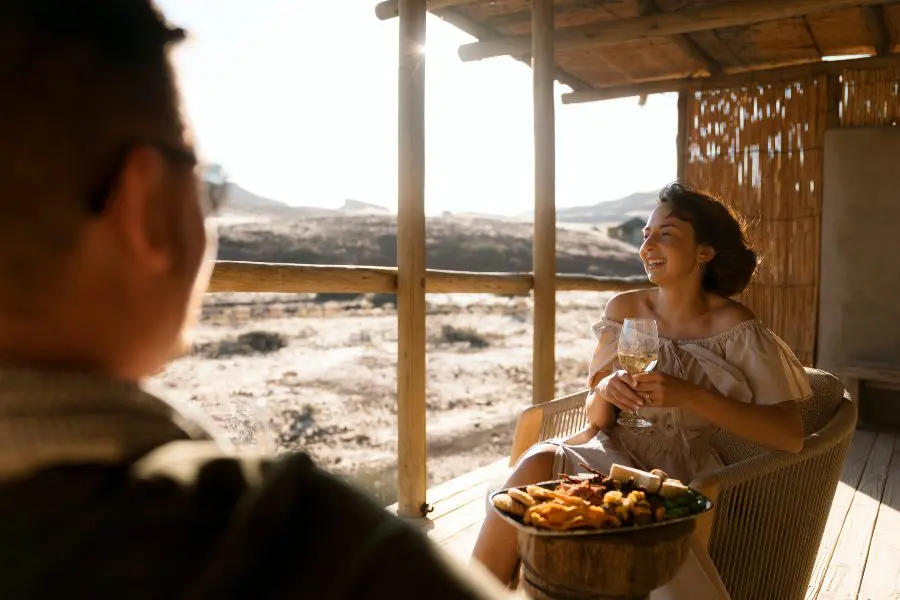
Vegetarian meals are common at many safari lodges, and vegan dining is becoming more accessible. Fresh fruit, vegetables, herbs, grains, and pulses often form the basis of a meal, especially at properties with kitchen gardens or close ties to local growers.
Remoteness can still affect what is available. Some plant milks, vegan cheeses, meat substitutes, or other specialist products may be harder to source; an additional charge may apply if something needs to be brought in specifically for your stay.
Explain what you actually enjoy eating, rather than stopping at the word “vegan.” Knowing the ingredients and dishes you like gives the kitchen much more to work with.
Halal Food on Safari
Can I Eat Halal Food on Safari?

Halal-friendly safaris can be planned across parts of East and Southern Africa, but the exact arrangements depend on the property. Some lodges source halal-certified meat, while others can arrange certified or prepared meals with sufficient notice.
If you require halal-certified meat, separate preparation, or particular handling procedures, let us know during the planning process. Other considerations, like removing alcohol from your room, can also be discussed before you arrive.
Kosher Food on Safari
Can I Keep Kosher on Safari?
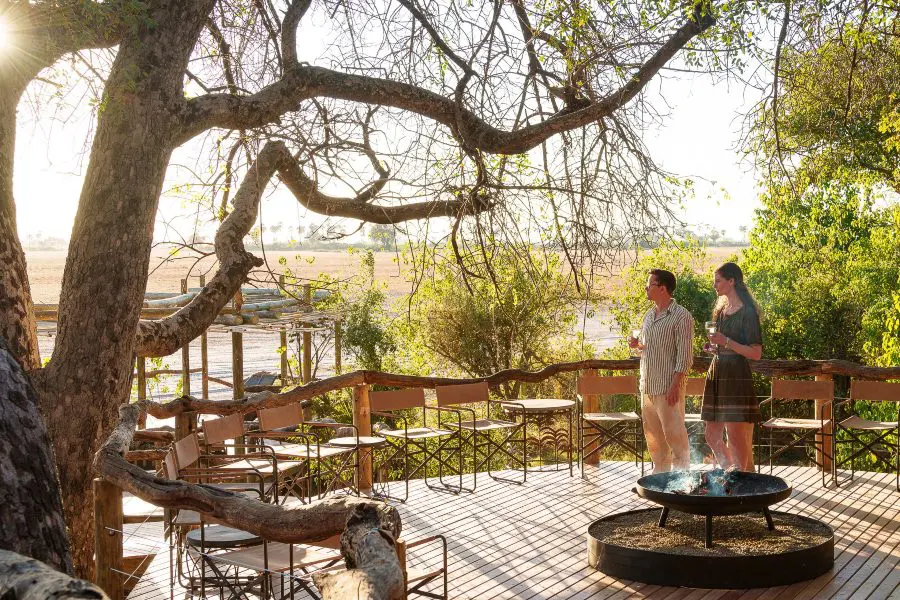
Yes, although a kosher safari generally needs more preparation. Depending on the property, arrangements can range from certified prepared meals to dedicated cookware or separate kosher kitchens.
Specialist meals may incur an additional cost, especially when they need to travel long distances to a remote camp. Exclusive-use properties can also be helpful when you need greater control over kitchen preparation.
By sharing your level of observance and any specific requirements during the planning process, your Safari Expert can determine which lodges are best placed to accommodate them.
Gluten-Free Dining & Food Allergies
Gluten-Free Cuisine, Coeliac Disease & Food Allergies
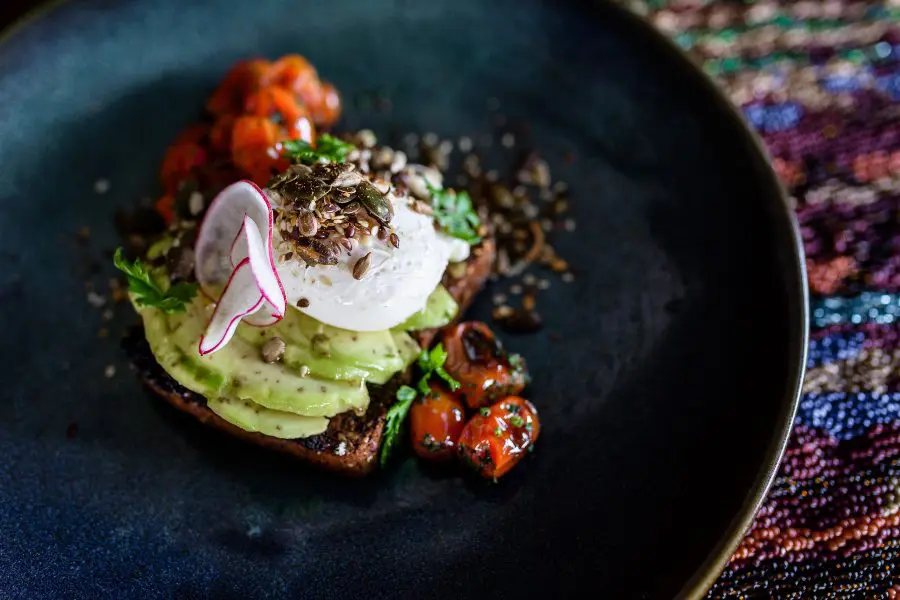
Many lodges can prepare gluten-free meals, but gluten-free and coeliac-safe are not the same. If you have coeliac disease, talk about cross-contamination, shared equipment, preparation surfaces, and any other procedures that matter for your health.
The same applies to serious food allergies. Be specific about what you're allergic to, how severe your reaction can be and whether cross-contamination is a concern. Your Safari Expert can then check directly with the kitchen how your particular needs would be managed.
When to Share Dietary Requirements
How Far in Advance Should I Share My Dietary Requirements?
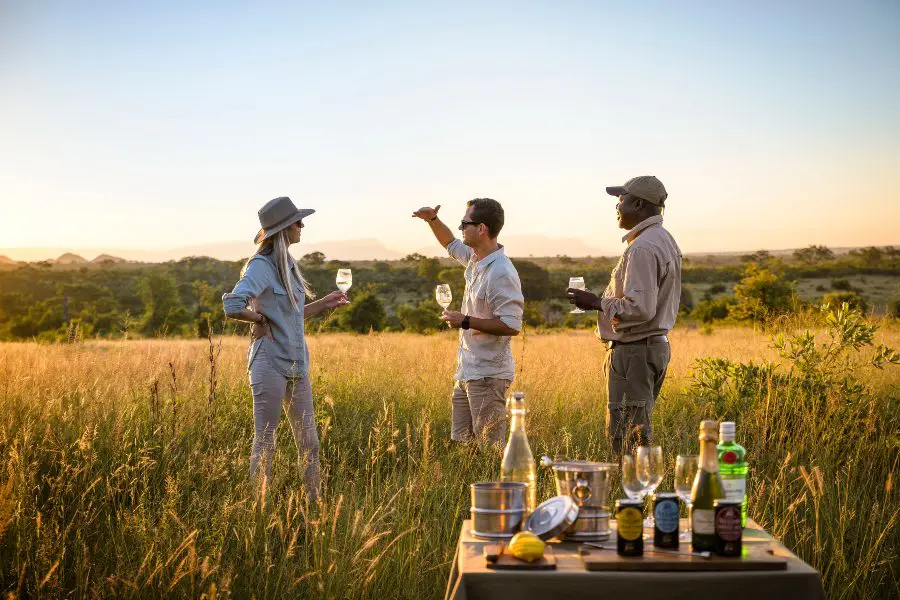
Share your requirements as early as possible, ideally while your itinerary is still being designed. No single notice period works for every request; preparing vegetarian meals at a lodge with fresh produce is a very different undertaking from arranging certified kosher food for a camp reached by light aircraft.
Early notice is especially important for serious allergies, coeliac disease, strict halal or kosher requirements, and specialist products sourced from elsewhere. Individual properties may also have their own lead times, which your Safari Expert can confirm during planning.
Children's Food on Safari
What Will Children Eat on Safari?

Family-friendly lodges are used to welcoming younger travellers and can often prepare simpler dishes or adjust mealtimes. That flexibility is especially useful on safari, where a child might be hungry after a morning activity or ready for dinner before the adults.
Private safari villas give families greater control over mealtimes. When planning, be specific about what your child enjoys eating. Saying they like eggs, plain pasta, grilled chicken, yoghurt, and fruit but dislike sauces gives the kitchen much more to work with than calling them a picky eater.
Food can also become another way for children to understand where they are, whether they're picking herbs from a lodge garden, watching bread being made in a remote kitchen, or tasting a regional ingredient for the first time.
What to Ask Before Booking
What Should I Ask Before Booking?

Before choosing a lodge, check exactly what the rate includes, from meals and drinks to premium wines and private dining. If you have dietary requirements, explain them in detail rather than just asking if the lodge caters for special diets.
Families can ask about children's menus and flexible mealtimes, while wine lovers may want to know if a property has a sommelier, tastings, or a notable cellar. If you care about where ingredients come from, ask whether the kitchen works with local growers or producers.
Those details often tell you much more about a property's approach to food than the phrase “fine dining” ever could.
Safari Dining FAQs
Safari Dining FAQs
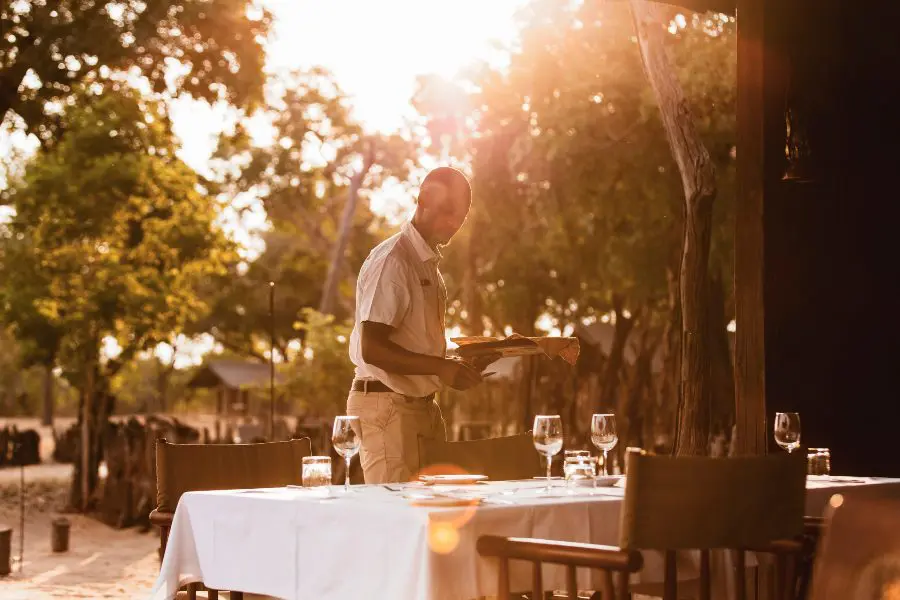
Are Meals Included at Luxury Safari Lodges?
Many luxury safari lodges include meals, and some rates also include snacks, soft drinks, house wines, and selected spirits. Inclusions differ between properties, so check exactly what is covered before booking.
What Kind of Fine Dining Can I Expect on Safari?
Safari dining can range from multi-course menus and wine pairings to open-fire cooking and dishes built around regional ingredients. At the most considered properties, what you eat reflects the destination rather than recreating a restaurant experience that could exist anywhere.
Can Safari Lodges Cater for Vegan Travellers?
Many can, particularly with advance notice. Specialist vegan products can be harder to source in remote regions, so explain what you need while planning your trip.
Can I Eat Halal or Kosher Food on Safari?
Yes, but arrangements differ considerably. Halal meat may come from certified suppliers, while kosher provision can range from prepared certified meals to dedicated equipment or separate kitchens. Confirm your individual requirements before choosing a property.
Can Safari Lodges Cater for Coeliac Disease?
Some can, but you’ll need to check with the individual property. Tell your Safari Expert that your requirement is medical and whether cross-contamination is a concern.
Let Food Become Part of the Journey
Wildlife may be what first draws you to safari, but food can become another way to remember where you've been. It might be a picnic that lets you stay out as wildlife moves across the plains, the first taste of a Kalahari ingredient after a day spent in the landscape it comes from, or returning from a morning on foot to find lunch planned around what you want to do next.
Whether you're looking for a lodge with a standout food and wine programme or travelling with specific dietary requirements, chat to one of our Africa-based Safari Experts about finding the properties that suit the way you want to travel.