
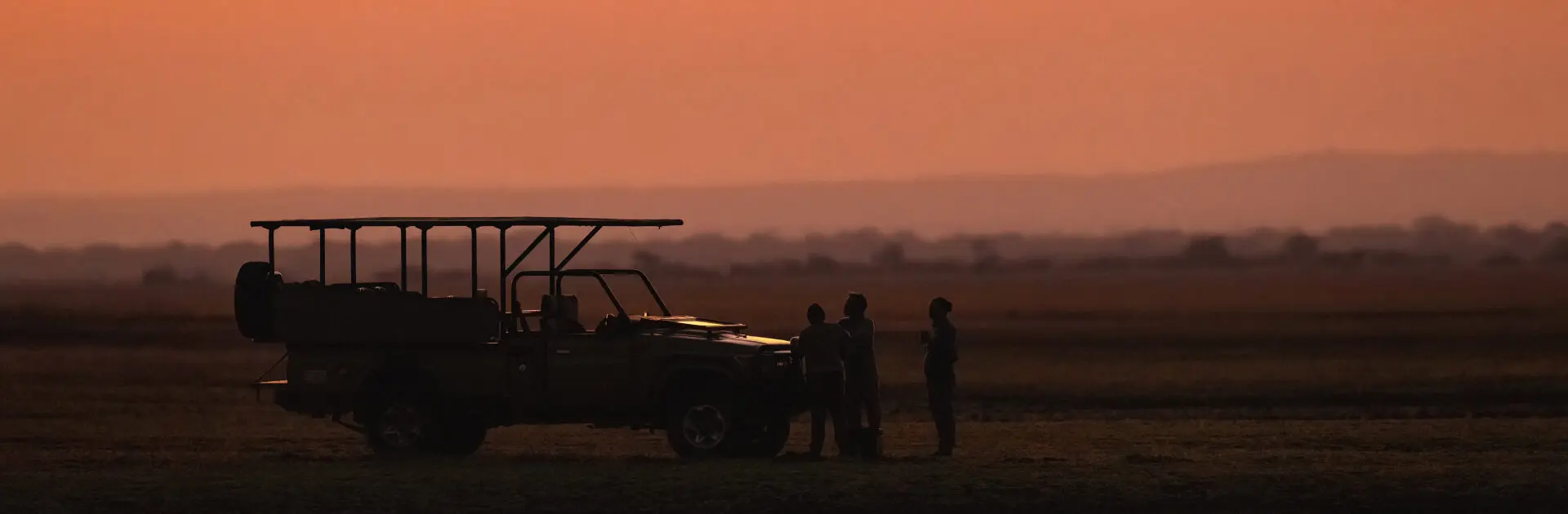
Gorongosa National Park, Mosambik
-
Startseite
-
Reiseziele
-
Mosambik
-
Gorongosa National Park
-
Highlights


Why Visit Gorongosa National Park
Where Conservation, Wilderness, and Wildlife Come Together
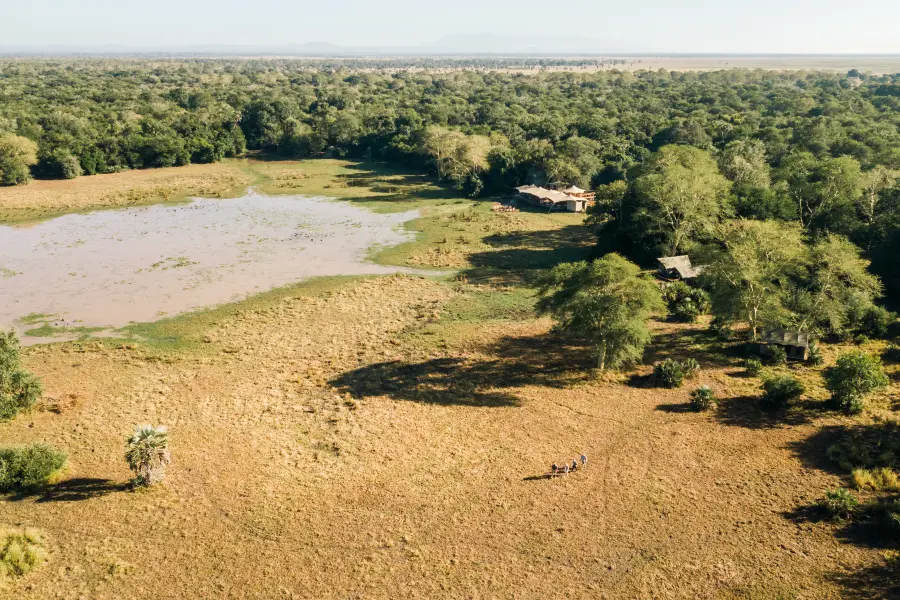
Gorongosa National Park in Mozambique is the setting for a major wildlife restoration project. Located in the centre of the country, the park continues to recover from severe wartime wildlife losses through conservation, scientific research, and programmes in neighbouring communities.
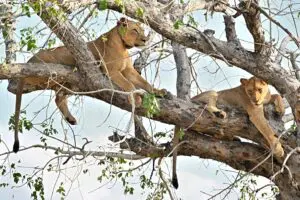
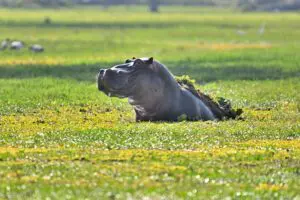
From floodplains and savannahs to rainforest-clad Mount Gorongosa, the park's varied habitats support elephants, lions, hippos, crocodiles, antelope, and hundreds of bird species. For travellers looking beyond Africa's better-known safari destinations, there is also the chance to learn about the work behind this recovery.
What Makes Gorongosa National Park Special?
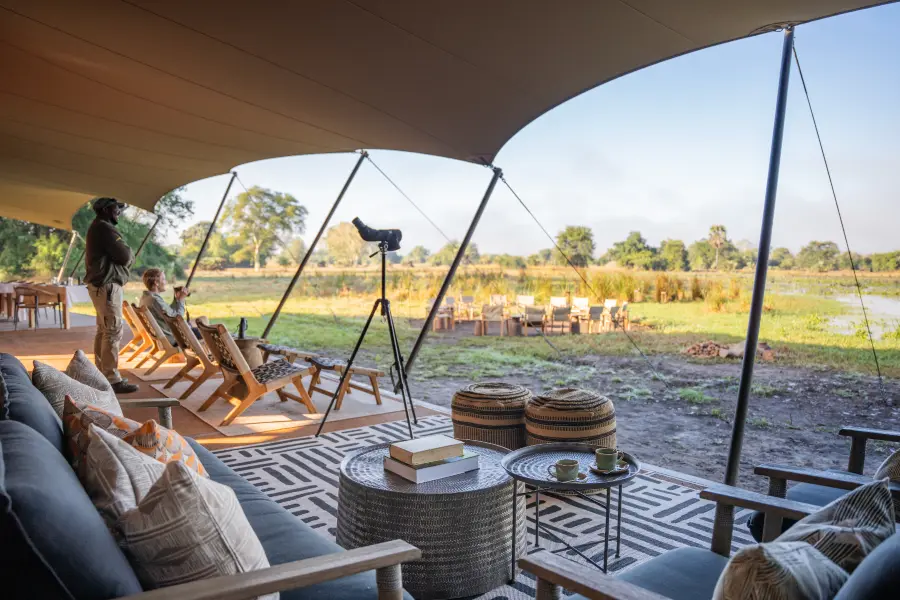
Gorongosa safari tours combine game viewing with opportunities to learn about wildlife restoration, scientific research, and community development. Education, healthcare, and agricultural programmes in surrounding communities form part of the park's conservation approach.
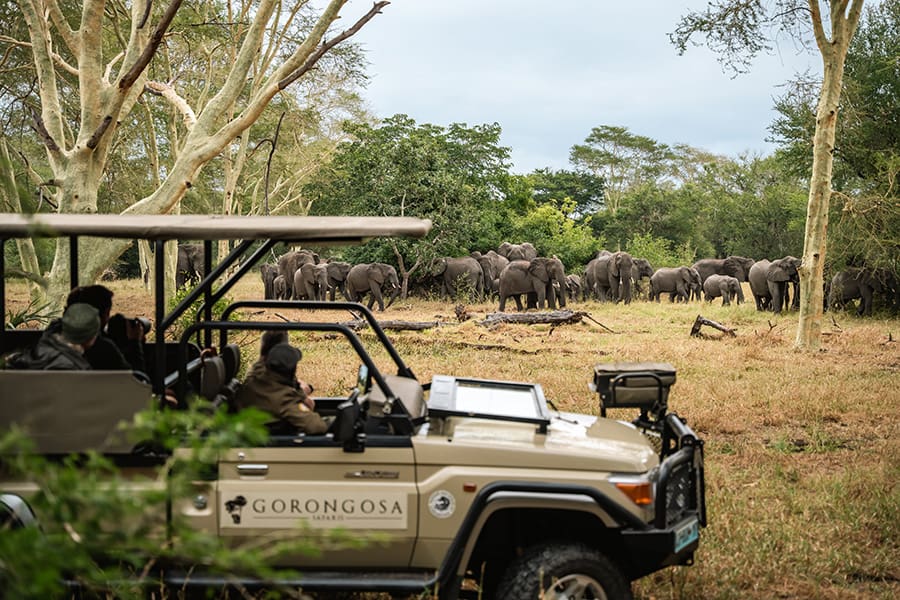
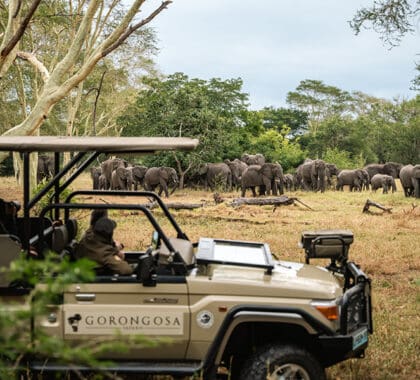
Whether you're exploring its broad floodplains or watching elephants move through riverine woodland, the Gorongosa National Park animals you see are part of an ecosystem still recovering and changing.
Why Visit Gorongosa National Park?
Discover Gorongosa's Conservation Story
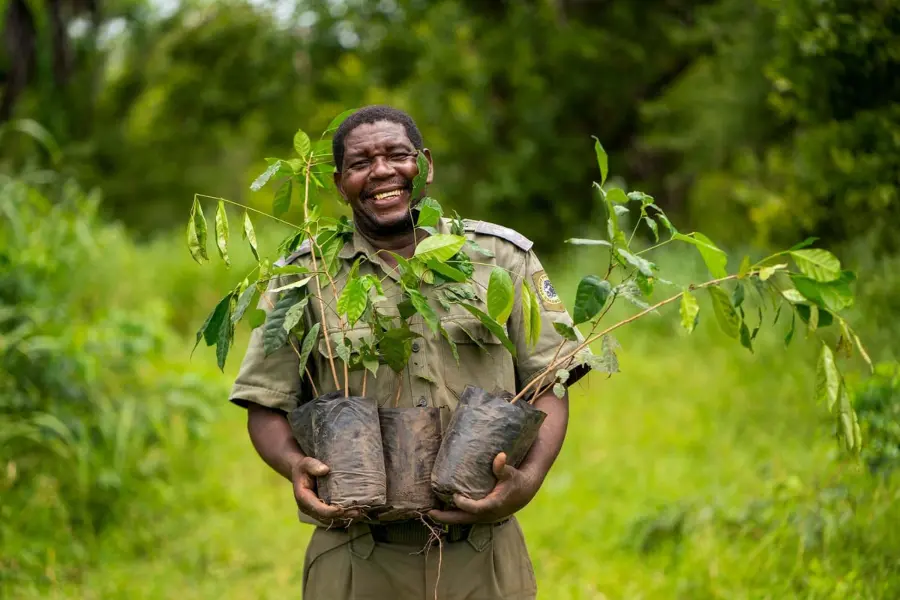
Mozambique's civil war, which lasted from 1977 to 1992, caused severe losses among Gorongosa's large mammals. Protection, research, and restoration have since supported substantial recovery, although populations have recovered at different rates.
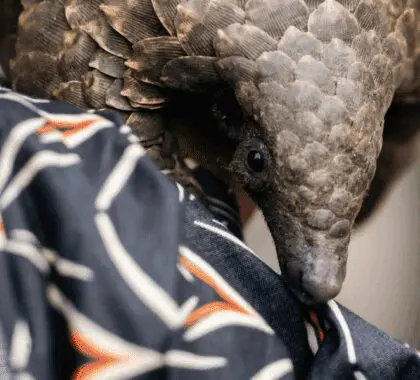
Today, wildlife monitoring and habitat protection continue alongside investment in education, healthcare, and livelihoods in neighbouring communities. Your guide can explain this work during your safari, while visits to research and conservation projects depend on availability.
Explore Floodplains, Woodland & Mountain Forest
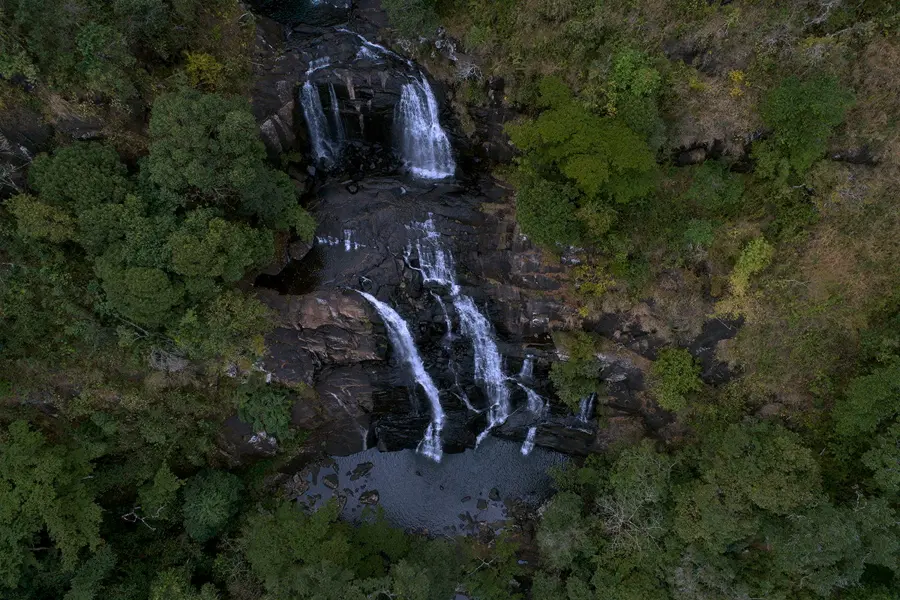
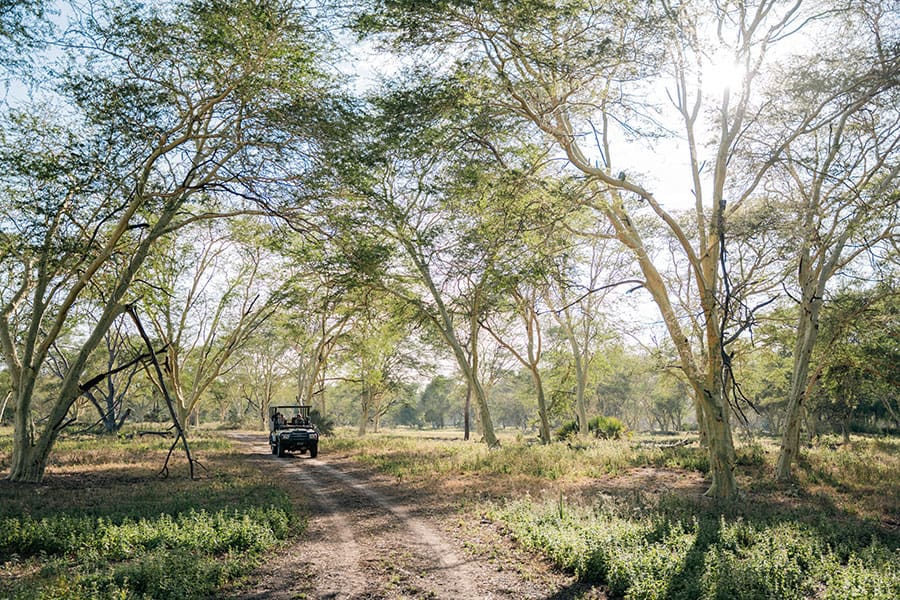
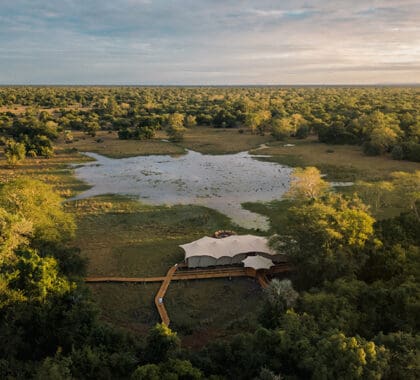
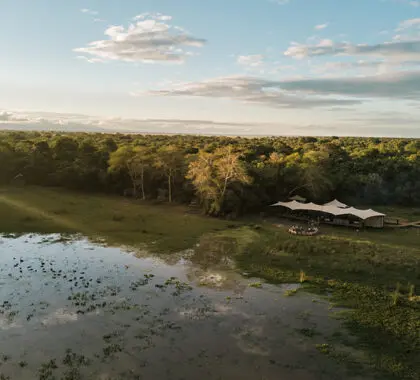
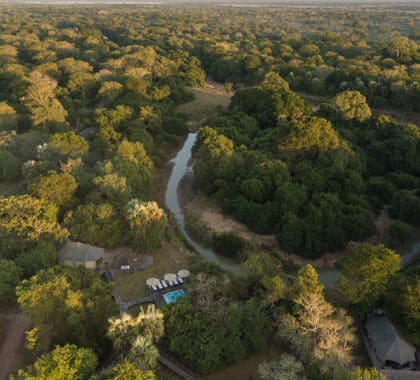
Gorongosa National Park spans floodplains, savannahs, rivers, forests, and the wooded slopes of Mount Gorongosa. These habitats support different wildlife communities, giving you plenty to explore during your stay.
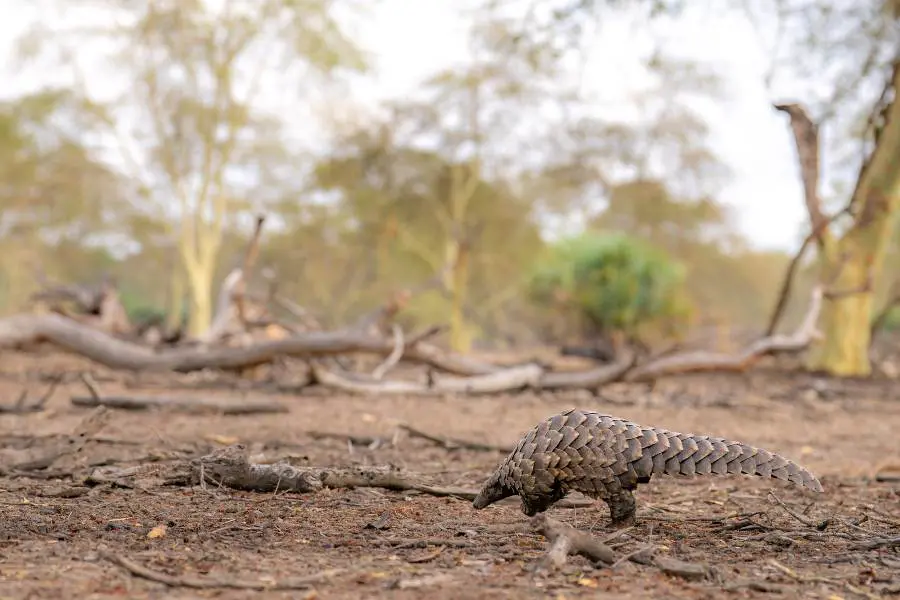
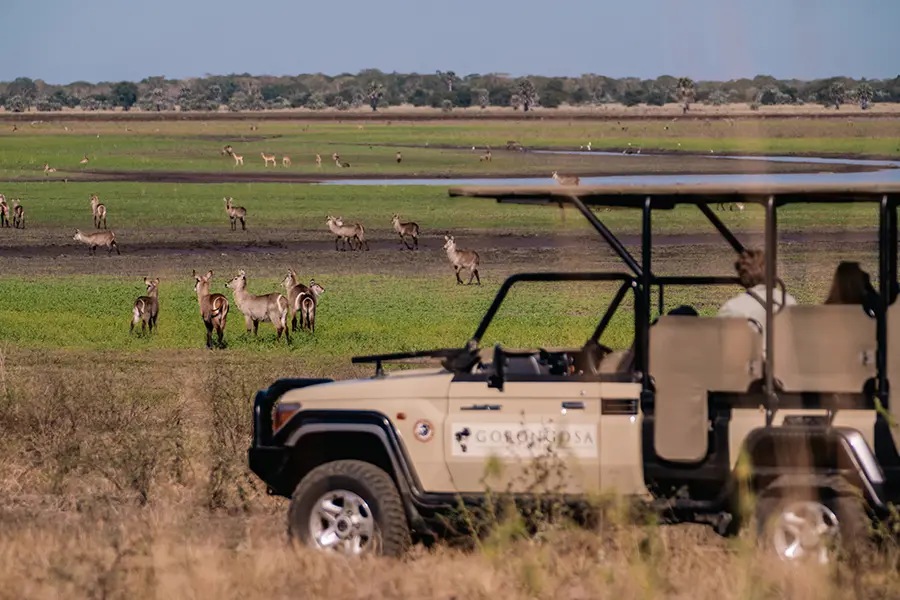
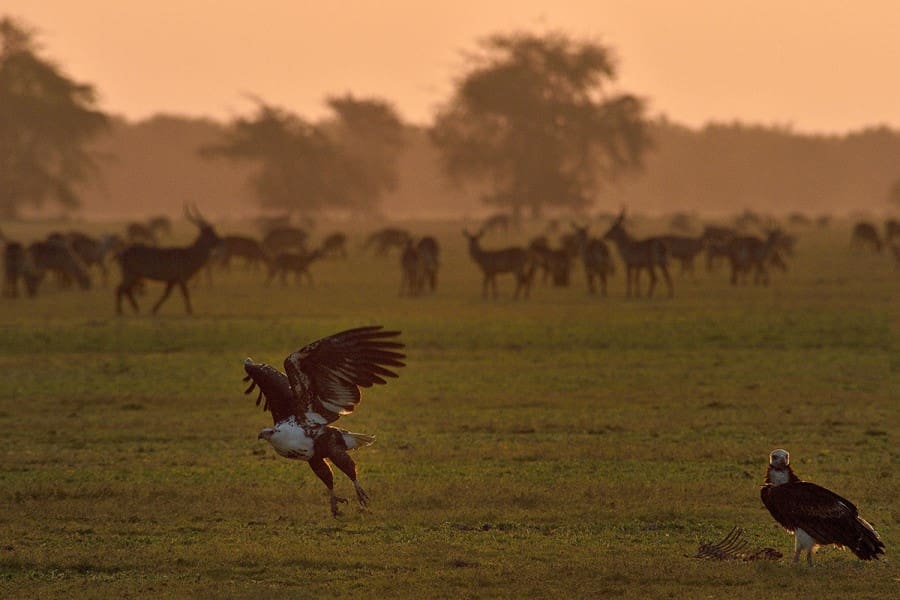
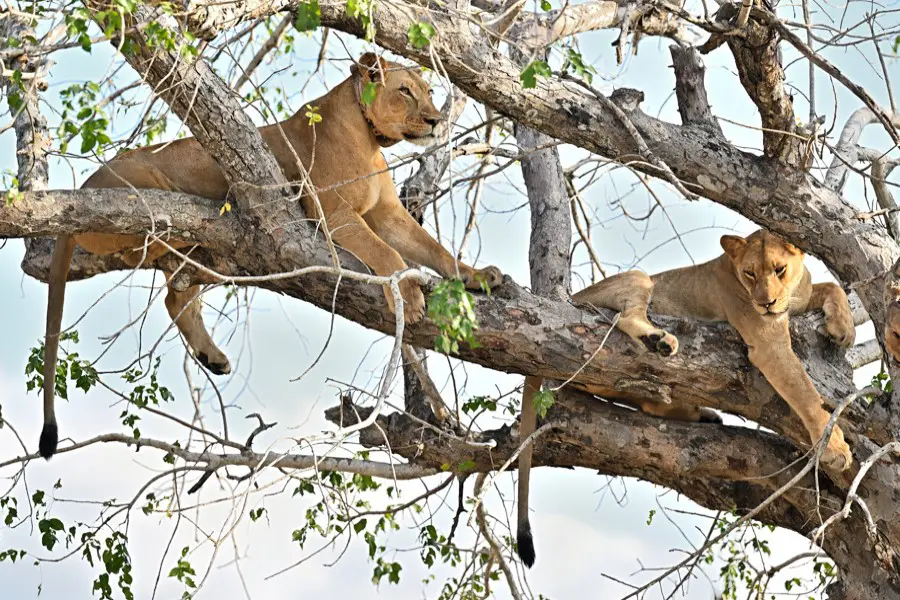
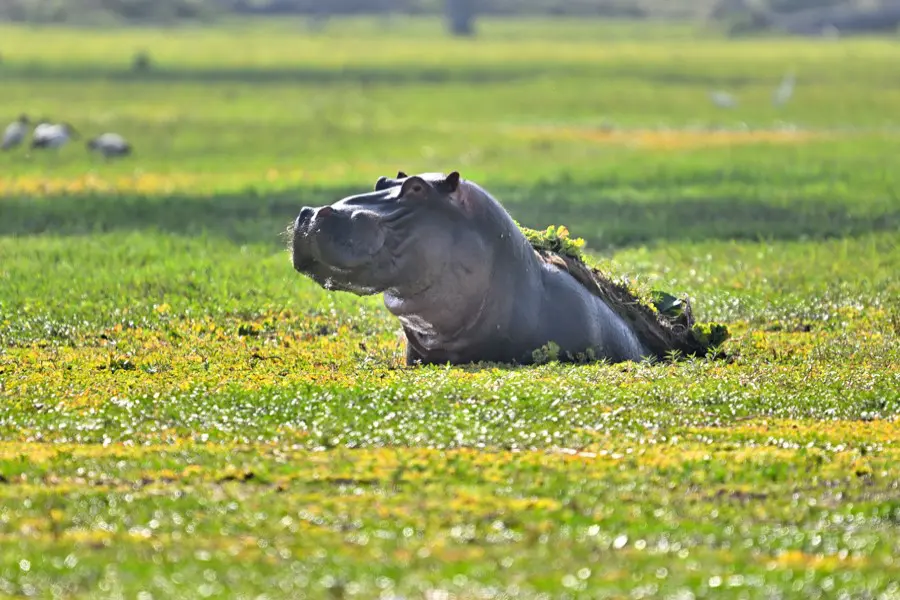
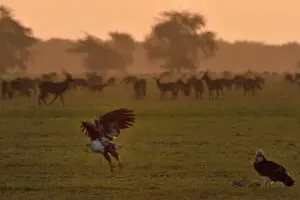
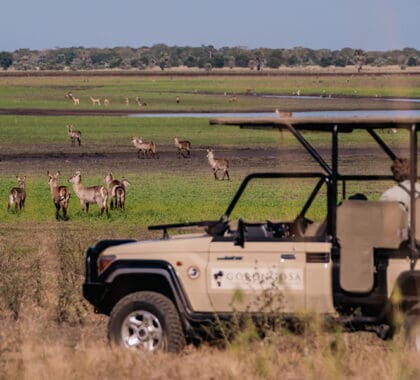
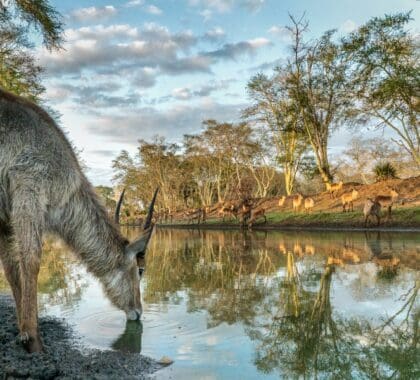
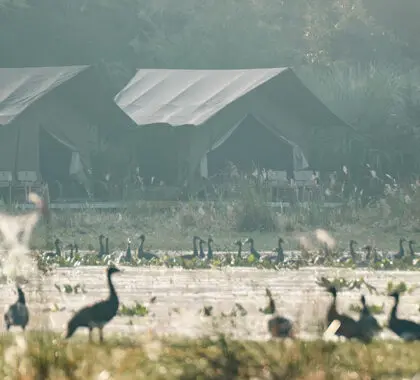
Among the Gorongosa National Park wildlife you may see are elephants, lions, hippos, crocodiles, antelope, and primates. Birdwatchers can look for waterbirds around lakes and rivers, as well as woodland and forest species. As water sources recede during the dry season, remaining pools attract gatherings of birds.
What to Do in Gorongosa National Park
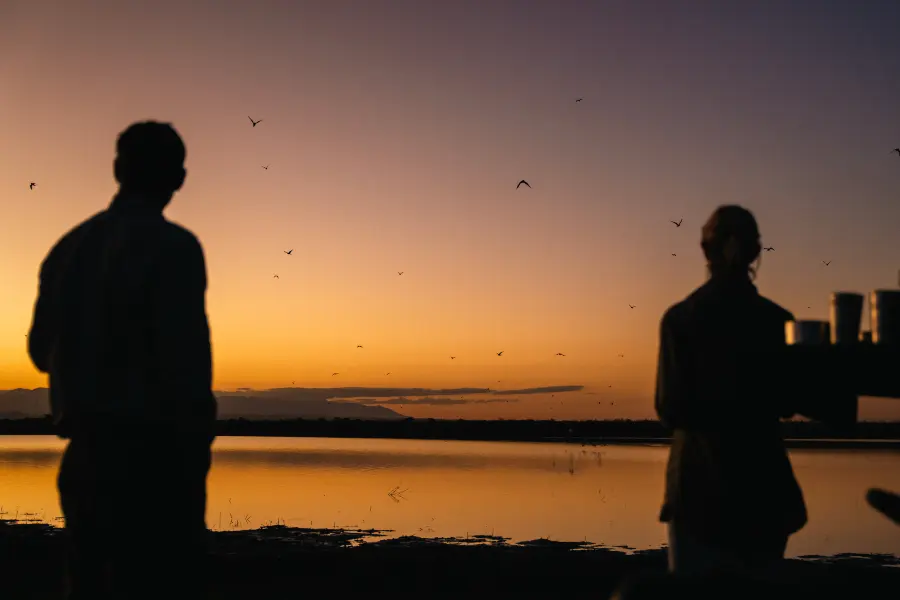
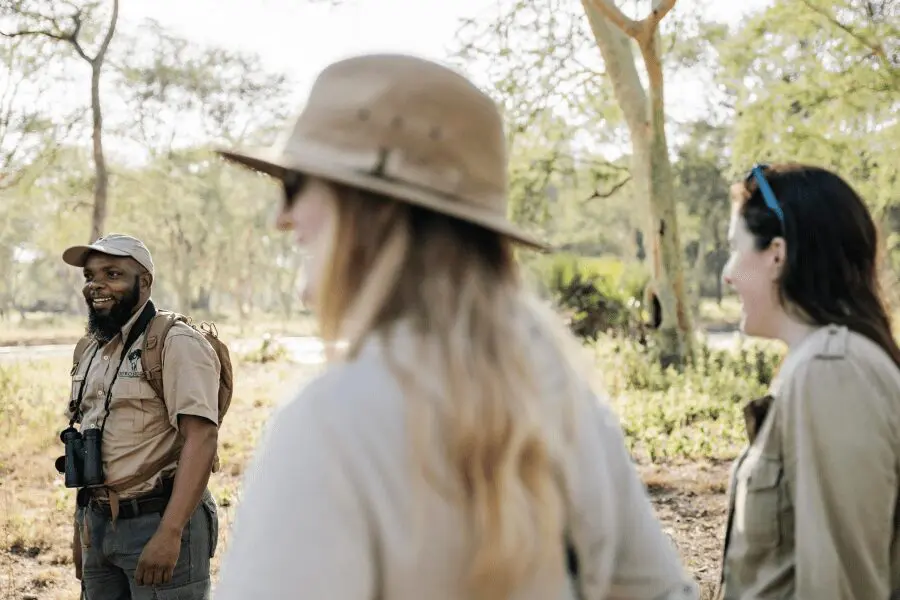
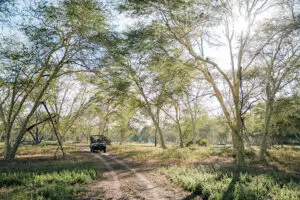
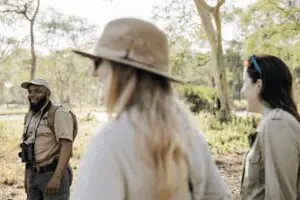
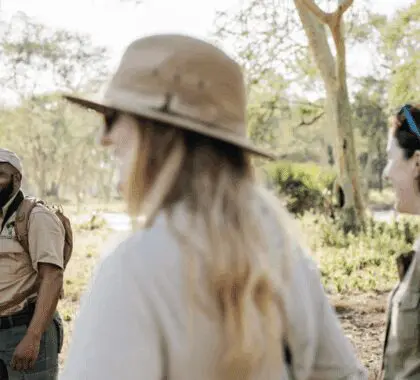
There's more to a Gorongosa safari than game drives. Guided walks allow time to examine tracks, plants, and smaller wildlife, while birdwatching draws attention to the differences between the park's habitats.
Canoe safaris depend on water levels. Guided visits to Mount Gorongosa and the park's research programmes can also be arranged, subject to availability.
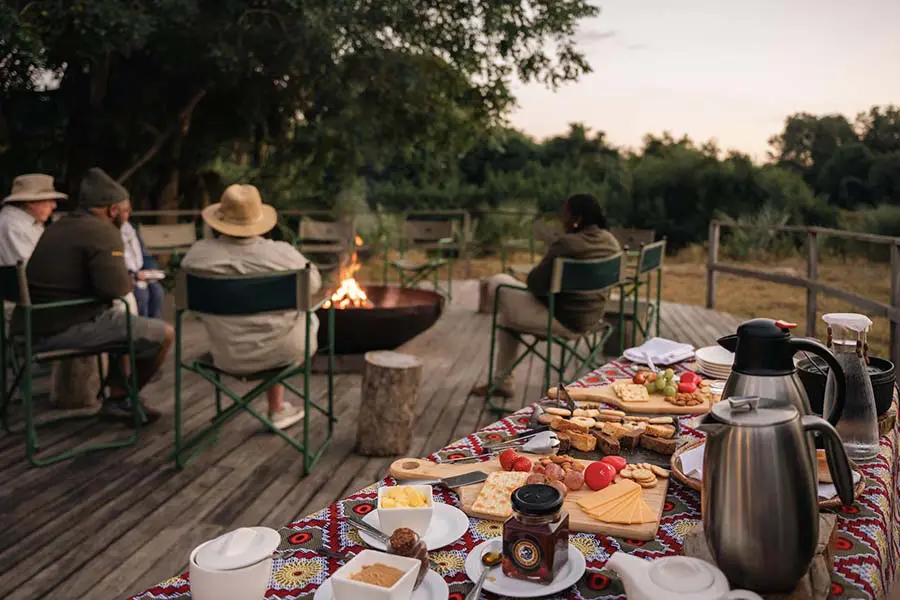
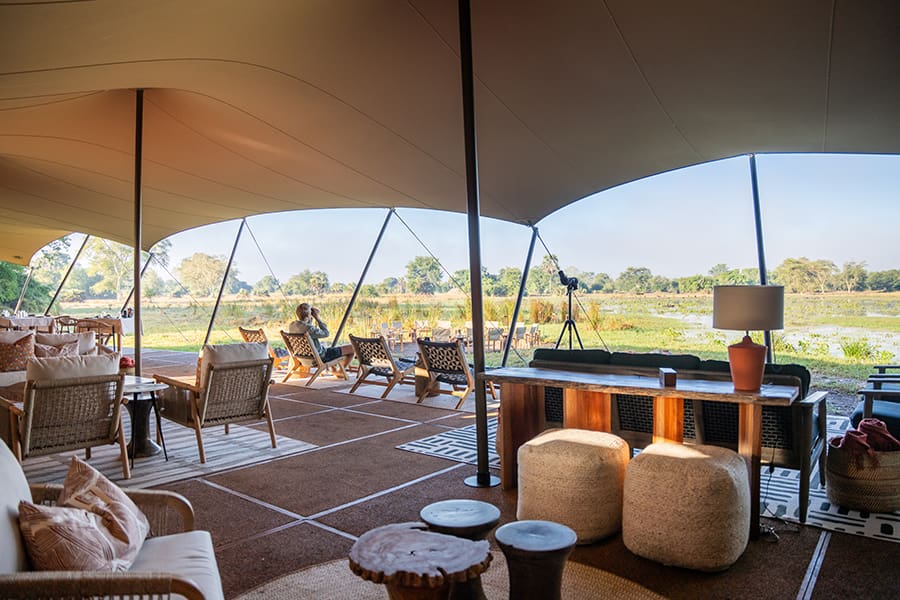
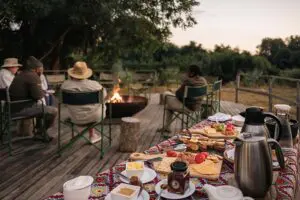
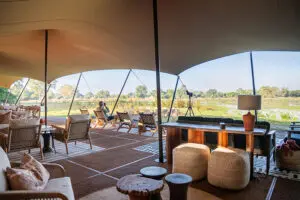
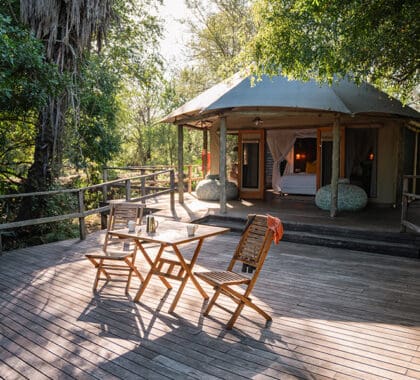
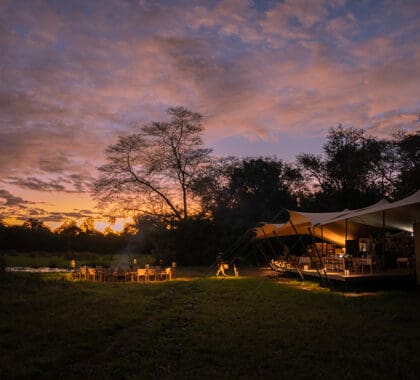
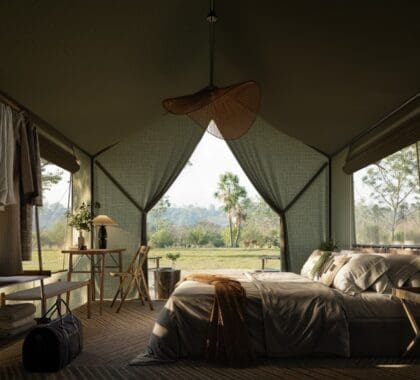
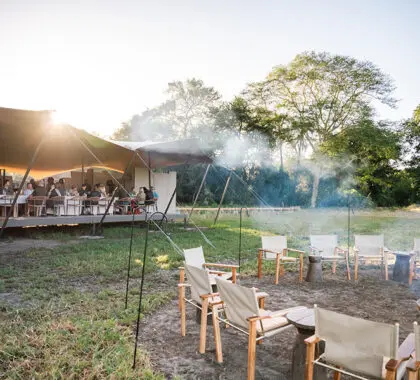
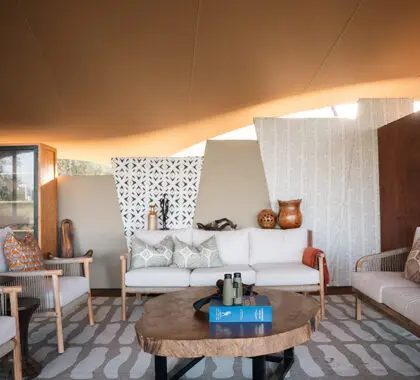
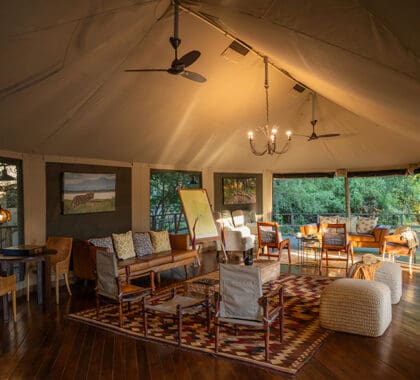
Your choice of Gorongosa accommodation helps determine which areas you explore and the activities available during your stay. Our Africa Safari Experts can recommend the right base for your plans.
Where Is Gorongosa National Park?
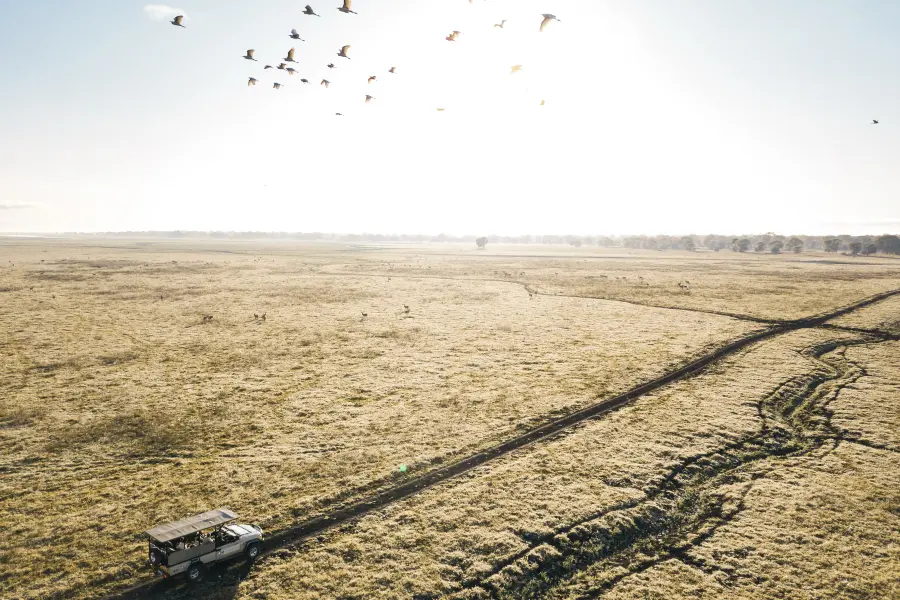
Gorongosa Park lies in central Mozambique, inland from Beira. The road journey from Beira takes approximately four hours, depending on road conditions and your destination within the park. Light-aircraft transfers can also be arranged.
When to Go to Gorongosa National Park
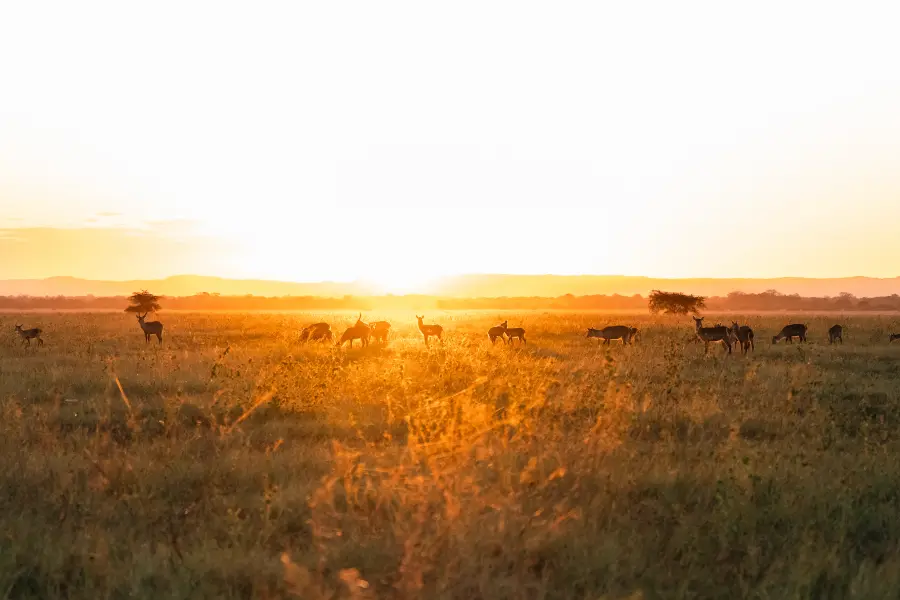
The dry season generally runs from April to October. As seasonal water sources recede, wildlife gathers around remaining rivers, pools, and wetlands.
Seasonal rains and flooding affect access, and the park closes to visitors during part of the rainy season. Accommodation and activity opening dates vary, so our Africa Safari Experts will confirm the dates for your itinerary.
Read our guide to the Beste Reisezeit für Mosambik for more on seasonal conditions across the country.
How Does Visiting Gorongosa Support Conservation?
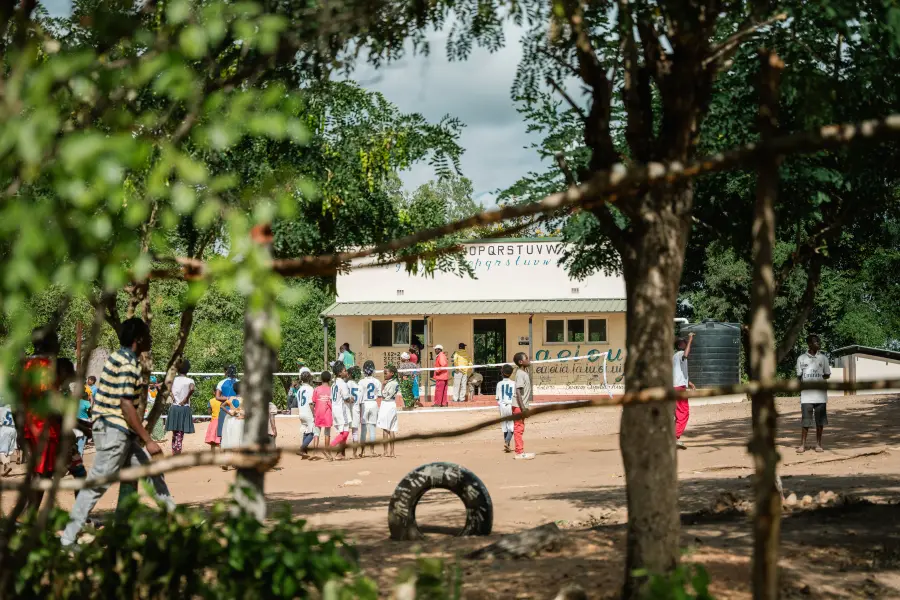
Tourism contributes income to Gorongosa's restoration programme, alongside funding from partners and donors.
Depending on your itinerary, you may be able to learn about wildlife monitoring, scientific research, and community programmes. Visits depend on availability and operational requirements; our Africa Safari Experts can confirm arrangements.
Combine Your Gorongosa Safari with Mozambique's Coast
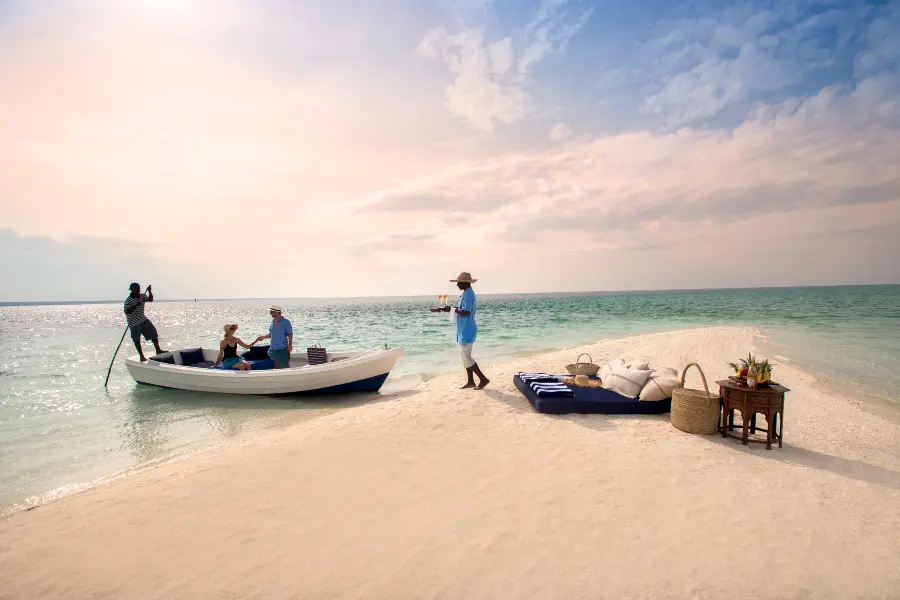
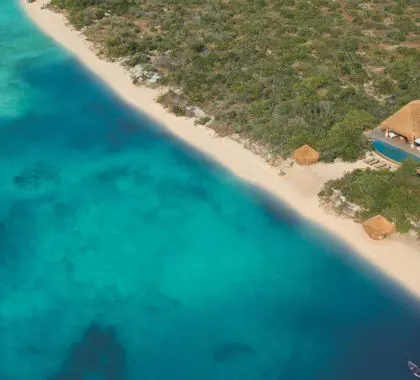
Follow your Gorongosa safari with a few days on Mozambique's coast or in the Bazaruto-Archipel. Swim, snorkel, or dive in the Indian Ocean, or simply relax on the beach.
Our Africa Safari Experts will help you choose where to stay and arrange the journey from bush to beach.
Hilf mir beim PlanenWas Reisenden am Gorongosa National Park am besten gefallen hat
Vogelbeobachtung
Kulturelle Interaktionen
Wildtiere und Safari
Erforsche diese Gorongosa National Park Ressourcen




Chicari Camp
Beliebte Aktivitäten
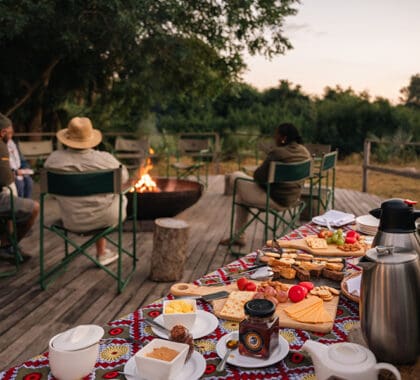
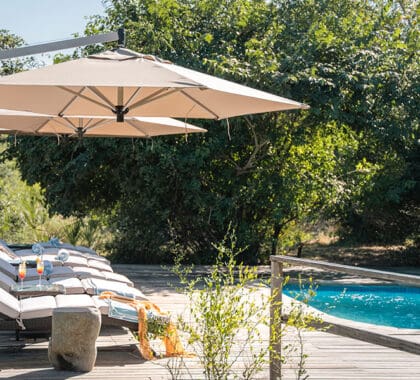
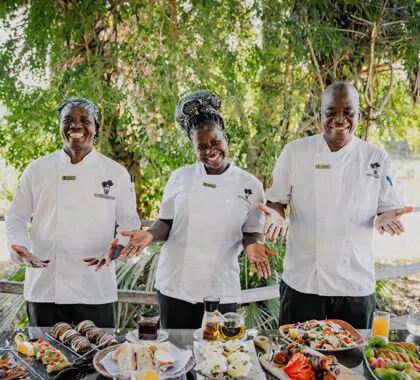

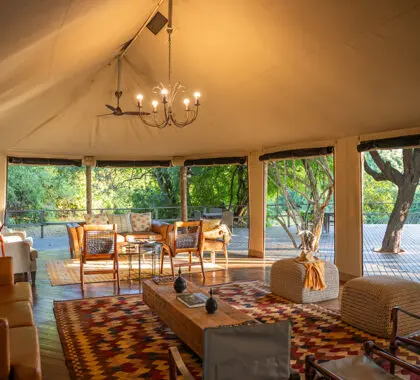
Muzimu Lodge
Beliebte Aktivitäten
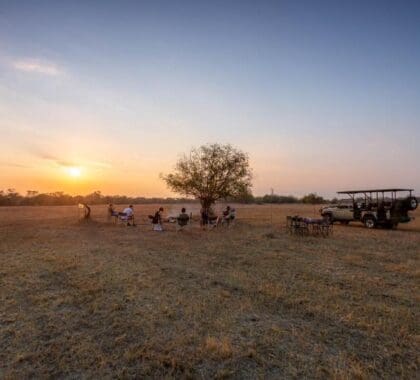
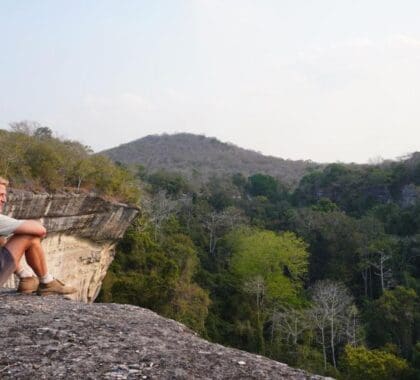
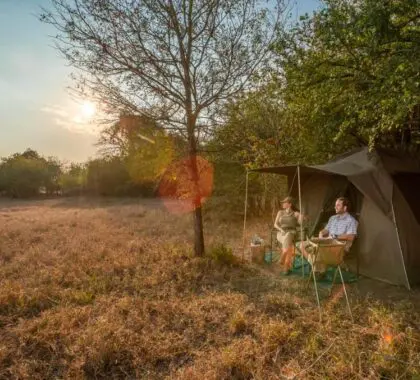
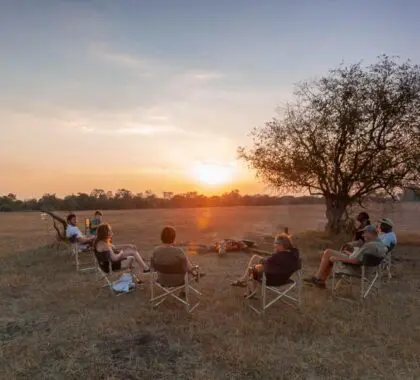
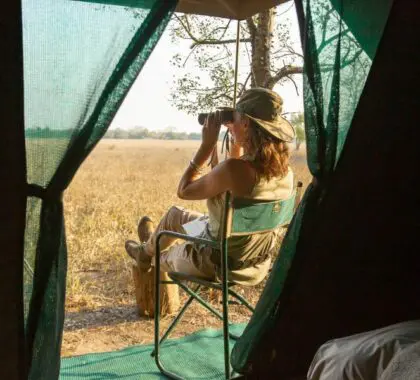
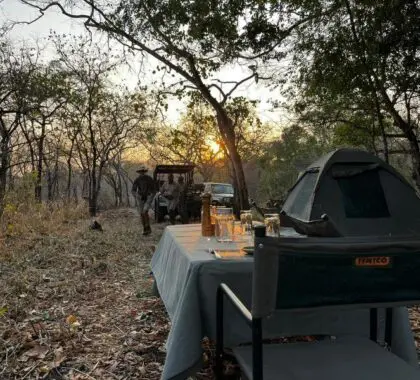
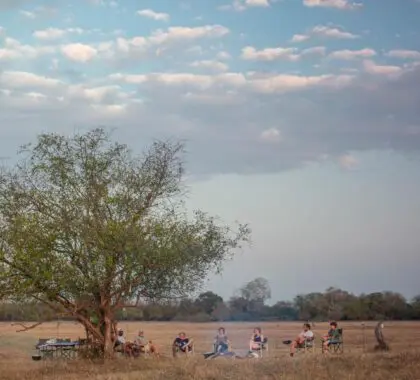
Gorongosa Expedition Camp
Beliebte Aktivitäten
-

Chicari Camp
Beliebte Aktivitäten
Vogelbeobachtung Bootsausflüge Kanufahren Projekte zur Erhaltung der Natur -
Muzimu Lodge
Beliebte Aktivitäten
Vogelbeobachtung Bootsausflüge Projekte zur Erhaltung der Natur Kulturelle Besuche -
Gorongosa Expedition Camp
Beliebte Aktivitäten
Projekte zur Erhaltung der Natur Kulturelle Besuche Geführte Wander-Safaris Mokoro-Pfade