
Ngorongorokrater, Tanzania
-
Home
-
Bestemmingen
-
Tanzania
-
Ngorongorokrater
-
waarom gaan

Why Go on a Ngorongoro Crater Safari
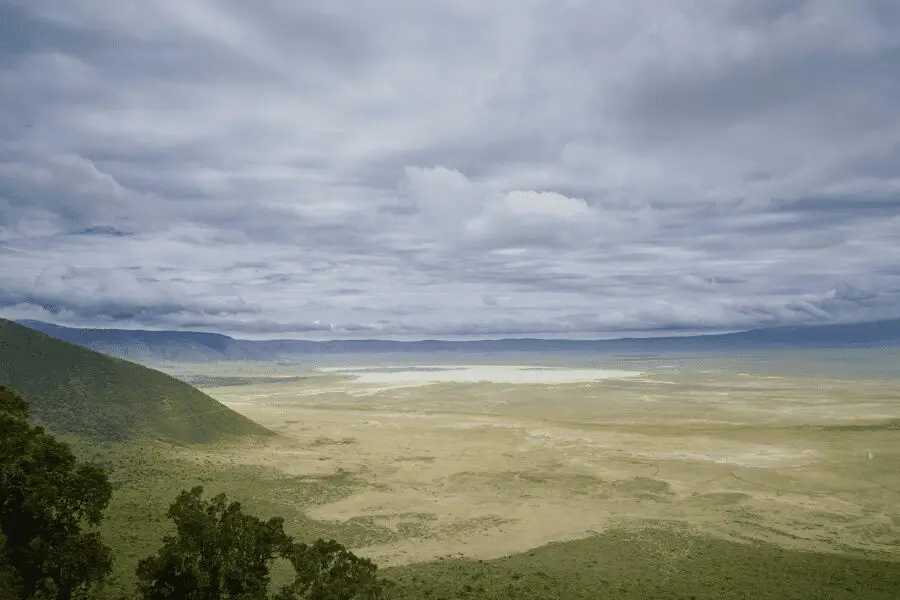
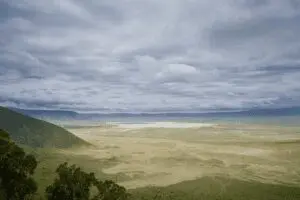
The Ngorongoro Crater in northern Tanzania is often referred to as the “8th Wonder of the World,” and once you reach the crater rim, that description starts to make sense. You're looking into a vast, ancient caldera, the world's largest intact volcanic crater, where open plains, forest and water sources exist within a single basin. The scale is striking, but so is the activity, with wildlife often visible as soon as you arrive, moving across the landscape below.
As you descend into the crater, distances shorten and the experience becomes more focused. On a Ngorongoro Crater safari, you spend less time searching and more time observing, as animals are already present within this naturally contained environment. This concentration of wildlife, combined with varied habitats, creates one of Africa's most rewarding safari experiences.
The wider Ngorongoro Conservation Area extends beyond the crater itself, connecting to the Serengeti ecosystem and surrounding volcanic highlands. For travellers planning a Tanzania safari, Ngorongoro is a true highlight, bringing together wildlife, landscapes and cultural heritage within a single, accessible destination.
What Animals Live in the Ngorongoro Crater?
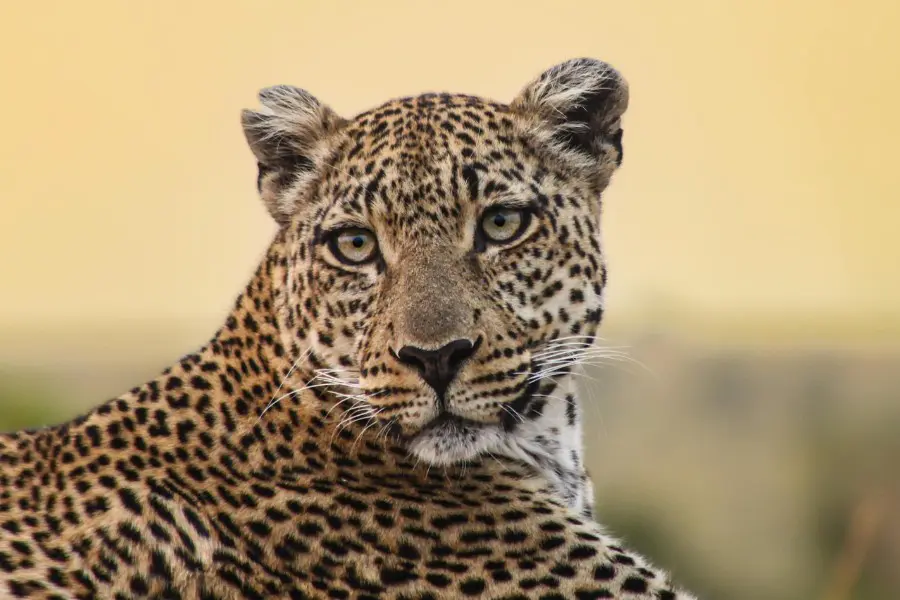
The Ngorongoro Crater is one of the few places in Africa where you have an excellent chance of seeing the Big 5 – lion, leopard, elephant, buffalo, and rhino – within a single, compact area.
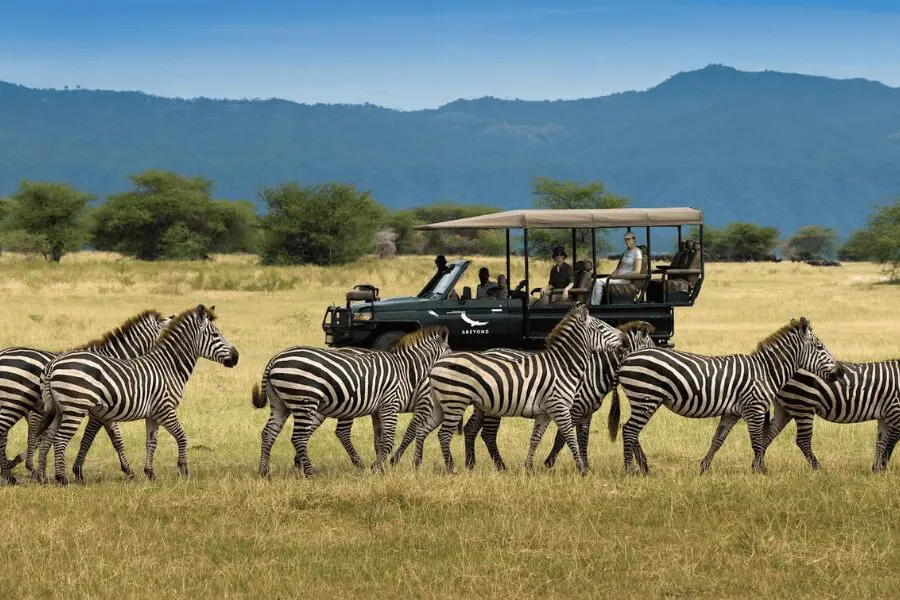
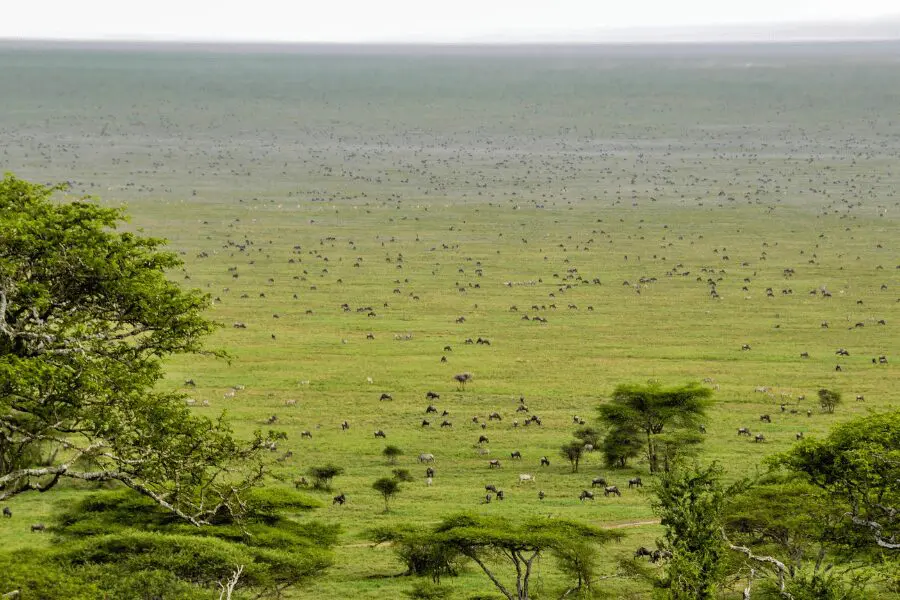
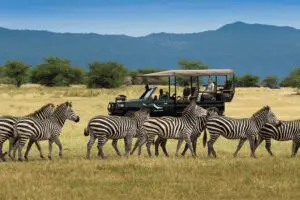
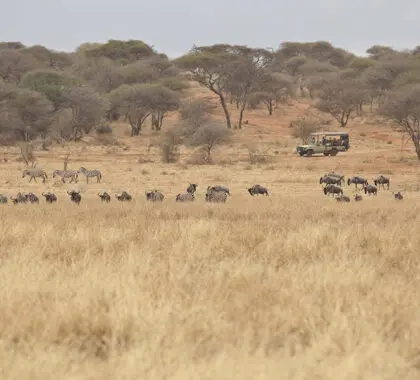
Within the crater itself, an estimated 25,000 to 30,000 animals move across the plains, supported by permanent water sources and nutrient-rich grazing. What stands out is not just the number of animals, but how present they feel. Sightings begin quickly, and the landscape reveals itself in layers, with herds of wildebeest and zebra grazing in the open, often within view of predators resting nearby.
As you spend more time on the crater floor, patterns begin to emerge. Lions rest in the grass before moving between hunting areas, while hyenas patrol wide sections of the plains. It is not about searching across distance, but observing what is already happening around you, a safari experience defined by proximity rather than scale.
You can also explore other destinations in our guide to the best Big 5 safari lodges in Africa.
How Did Animals Get into the Ngorongoro Crater?
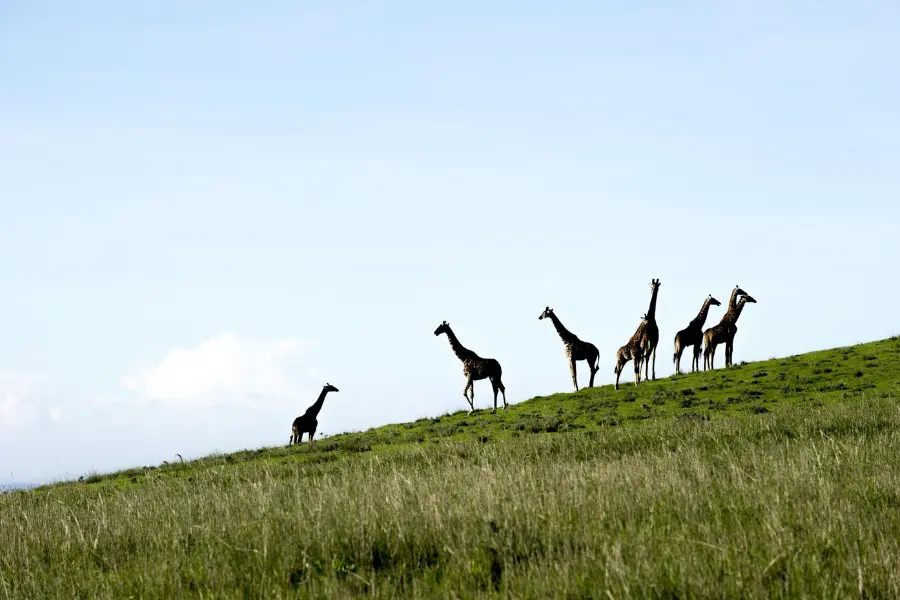
Although the crater appears enclosed, it is not completely isolated. Over time, animals have moved in and out via natural routes along the rim. The steep walls act as a natural barrier rather than a complete enclosure, limiting large-scale migration but allowing wildlife to establish stable populations within the crater.
This creates a more concentrated safari experience. Rather than searching across vast landscapes, a safari in Ngorongoro Crater often means seeing multiple species within a shorter period.
Some species are not found in the crater. Giraffes are absent because the steep descent and lack of high vegetation make it unsuitable for them. Impalas are also largely missing, likely due to a mix of habitat preference and sustained predator pressure.
In their place, species such as wildebeest, zebra, and Thomson's gazelle dominate the plains, creating a unique balance of predator and prey. It's this balance between landscape and wildlife that defines Ngorongoro, revealing itself more clearly with time.
For seasonal insights, see the best time to visit Ngorongoro Crater.
What Makes Visiting the Ngorongoro Crater So Special
1. A Geological Landmark: The World's Largest Intact Caldera
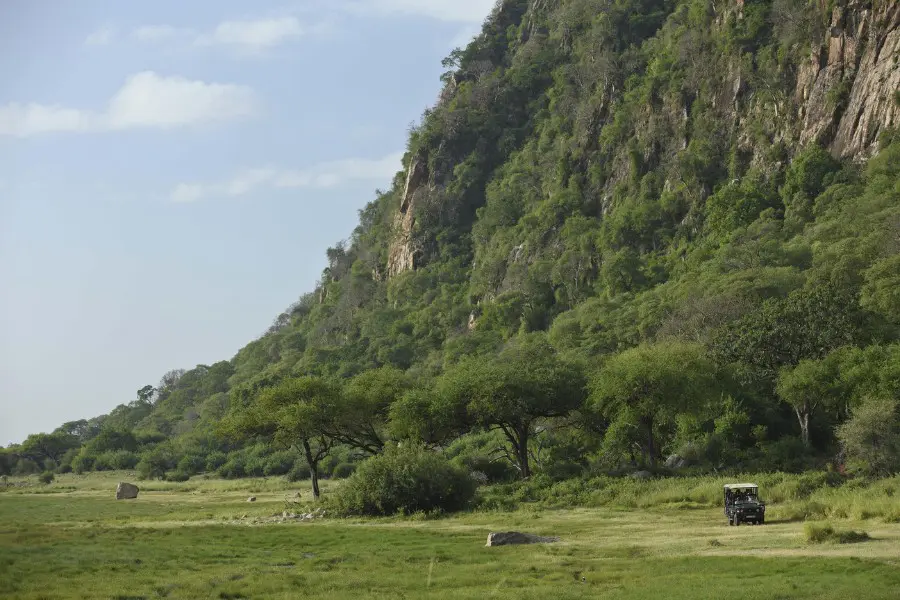
The Ngorongoro Crater was formed when a large volcano collapsed in on itself over two million years ago. Today, its steep walls rise 2,000 metres above the crater floor, enclosing a landscape where different habitats exist side by side.
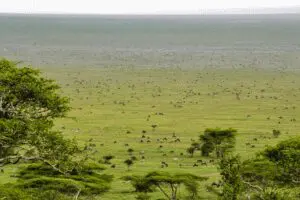
As you move across the crater, those shifts become more noticeable. Open plains stretch across the centre, giving way to pockets of forest where elephants and predators find cover. Wetlands and permanent water sources draw hippos and birdlife, while Lake Magadi occasionally fills with flamingos, adding movement and colour to the landscape.
It is this natural structure that defines Ngorongoro. Wildlife and landscape interact within a space that feels both vast and contained, becoming clearer the longer you spend here.
2. Big 5 Game Viewing Within a Natural Enclosure
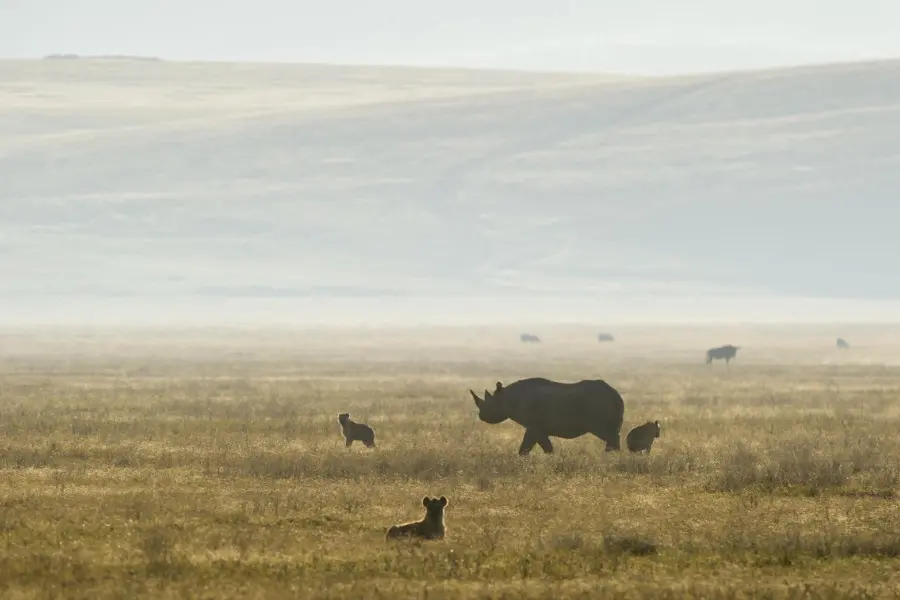
If you're looking for a place where sightings are consistent, the Ngorongoro Crater stands out. As one of Oost-Afrika's most concentrated wildlife destinations, less time is spent searching and more time observing. It's not unusual to move between grazing herds and nearby predator activity within a short distance, with elephants crossing open plains and lions resting or moving through the grass.
Predator density is high, particularly among lions and hyenas, which are often seen in areas where prey species are present. While sightings can never be guaranteed, the Ngorongoro Crater remains one of the more reliable places in Tanzania to see the Big 5. Black rhino are among the most sought-after animals to see here. Although elusive, the crater remains one of the best areas in Tanzania for sightings.
3. Birdlife and Flamingos at Lake Magadi
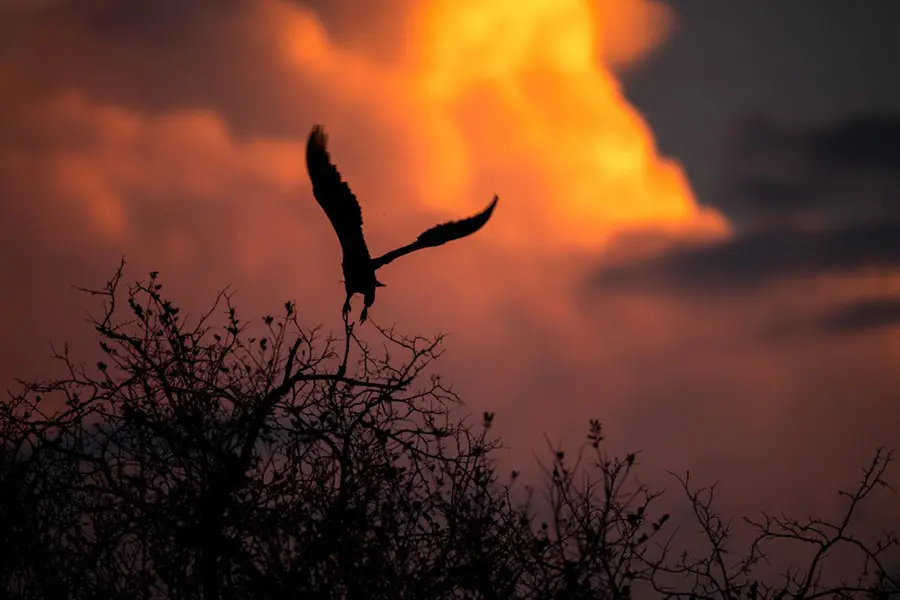
Birdlife is an integral part of the Ngorongoro Crater experience, even if it's not always the focus.
More than 500 species have been recorded here, and as you move across the crater floor, they become part of the landscape. Around Lake Magadi, flamingos gather when algae levels are high, forming shifting bands of colour along the water's edge. Across the plains, secretary birds and kori bustards move through the grass, while wetlands attract a constant presence of waterbirds.
Over time, these moments begin to define the experience, with birdlife adding movement, colour and sound to each game drive, often in the spaces between larger sightings.
4. Ngorongoro Crater Hiking & Walking Safaris
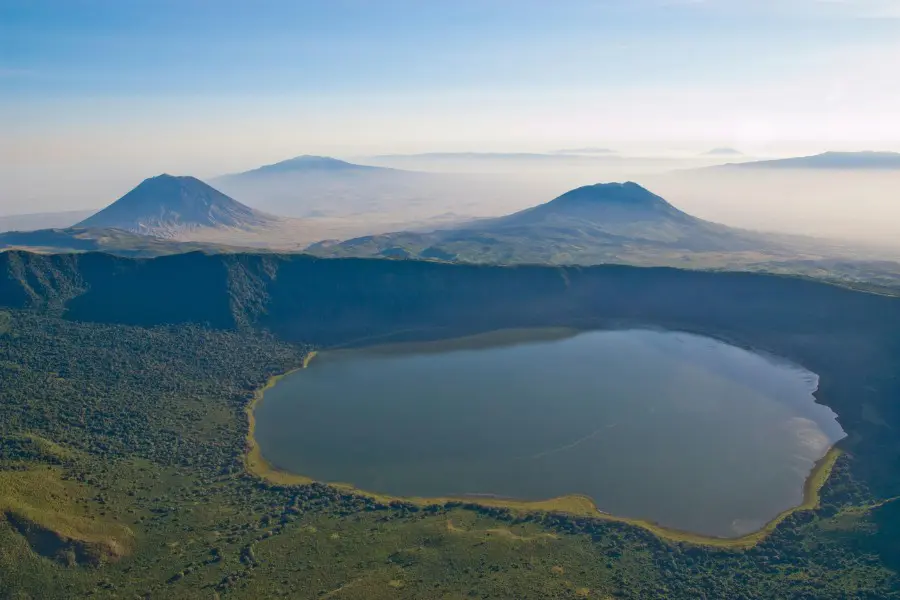
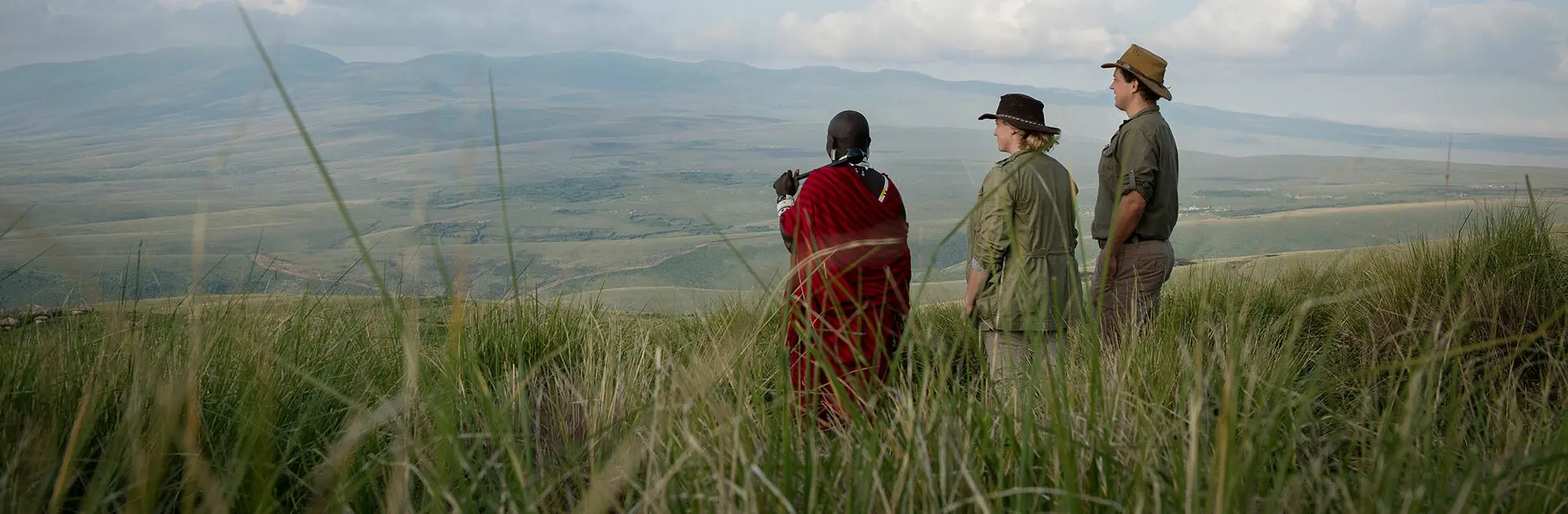
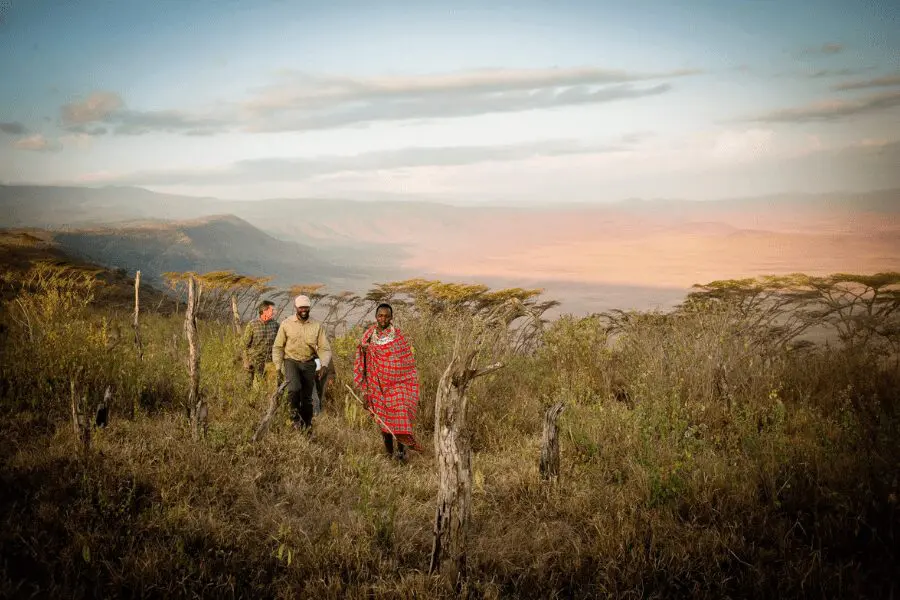
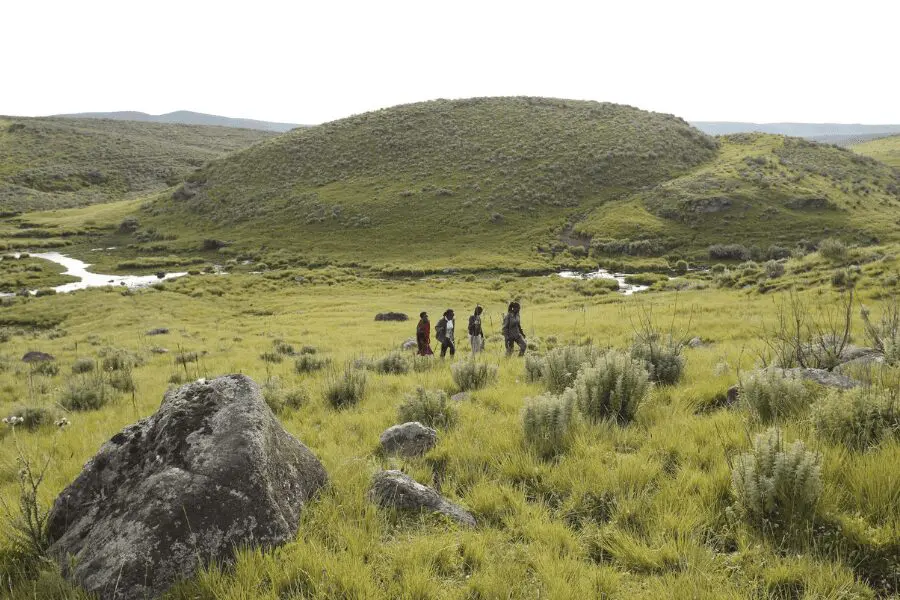
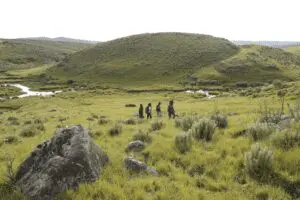
While walking is not permitted on the crater floor, walking safaris in the Ngorongoro Crater are possible along the rim and in surrounding areas such as Olmoti and Empakaai, where the landscape opens in a different way.
These guided experiences take you through the highlands on foot, giving you a closer look at the terrain and its details. With an expert guide leading the way, you begin to uncover a different side of Ngorongoro, one that reveals itself through its geology, wildlife, and long-standing history.
5. Part of the Greater Serengeti Ecosystem
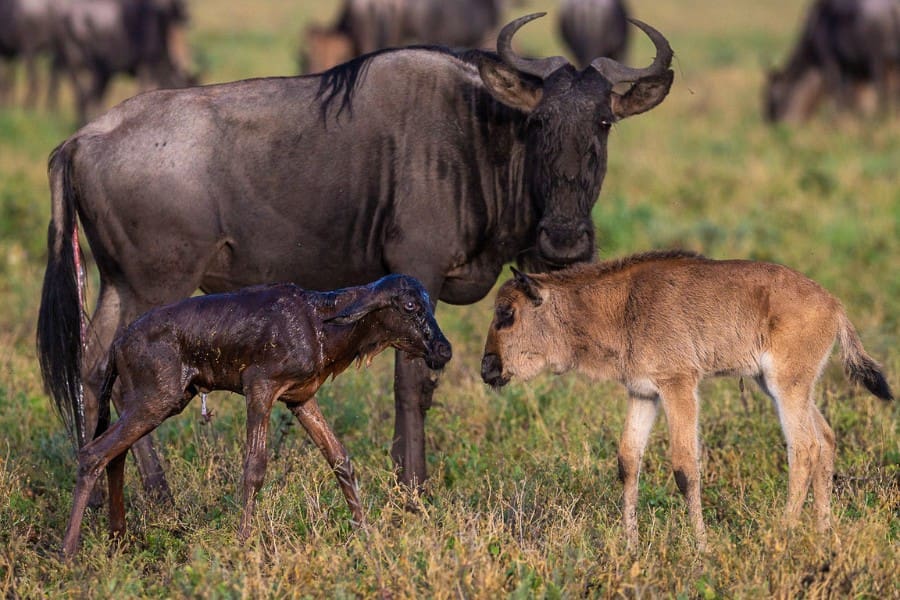
Ngorongoro forms part of the greater Serengeti ecosystem and connects closely to surrounding wildlife areas. To the south, the Ndutu plains play an important role in the Grote migratie. During the calving season, usually between January and March, large herds of wildebeest gather here, with thousands of calves born over a short period.
This time brings increased predator activity, particularly among lions and hyenas, adding a different pace and intensity to the region. Within the crater, however, wildlife remains reliable year-round. This contrast between seasonal movement beyond the crater and relative stability within it adds depth to the overall safari experience.
6. Culture and Heritage in the Ngorongoro Highlands
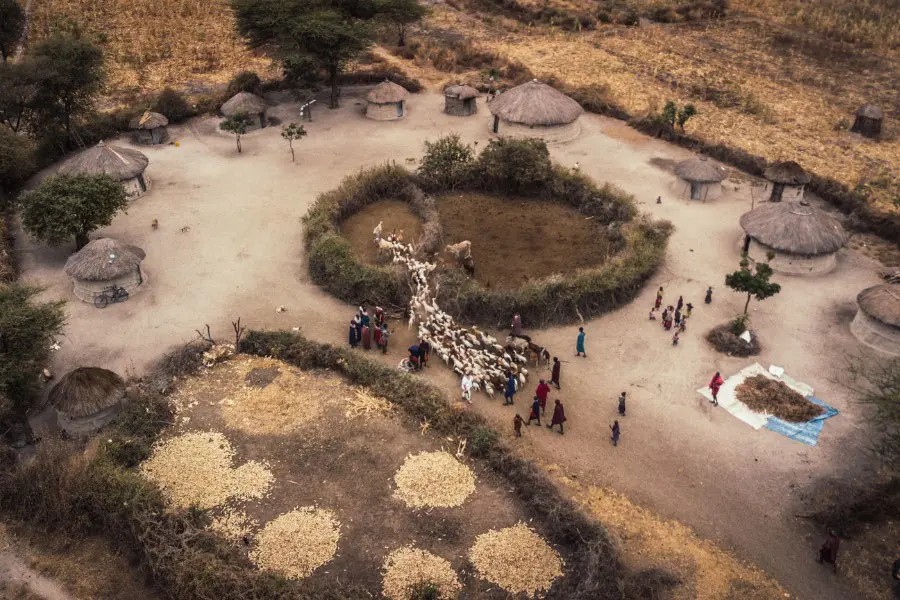
Across the Ngorongoro highlands, wildlife and communities continue to coexist, shaping a landscape that has remained largely unchanged for generations.
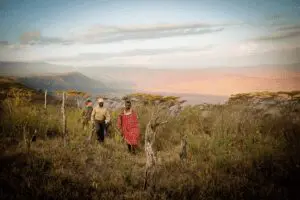
The Maasai move with their cattle across these highlands, maintaining traditions that are closely tied to the land. Time spent here gives insight into daily life, not as a staged experience, but as an authentic part of the environment.
Olduvai Gorge, located within the conservation area, has played a vital role in understanding early human development. Over time, this broader context begins to add depth to your experience of Ngorongoro, influencing not just where you go, but how you choose to spend your time here.
You can explore more in our guide to Ngorongoro Crater facts and history.
Planning Your Ngorongoro Crater Safari
Should You Stay or Visit on a Day Trip?
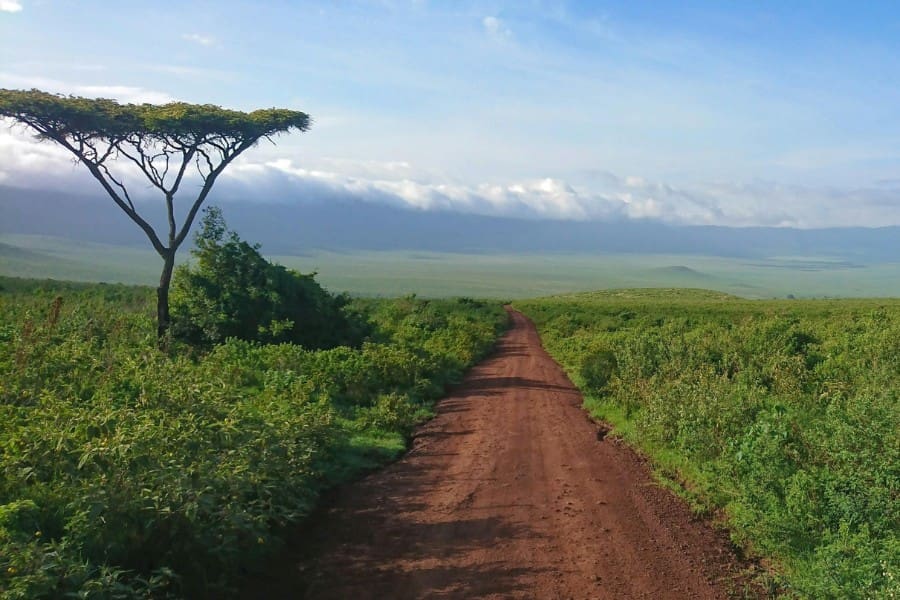
A day trip to Ngorongoro Crater from Arusha is possible, with a drive of approximately three hours each way. However, staying one or two nights near the crater allows for earlier access and a more relaxed pace.
Early morning descents typically mean fewer vehicles and more time at sightings before the crater becomes busier later in the day. Most travellers spend 2 to 3 days in Ngorongoro, allowing time for at least a crater descent and exploration of the surrounding highlands.
How to Get There & Where to Go Next
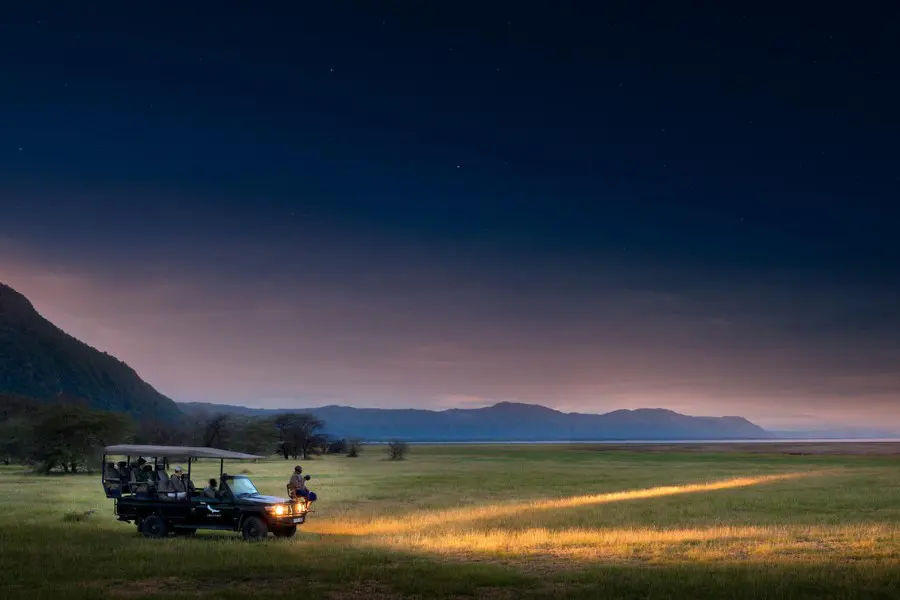
Ngorongoro Crater is typically accessed from Arusha, either by road or air. The drive takes approximately three hours, while fly-in options via Lake Manyara or nearby airstrips shorten travel time and deliver a more direct route.
Ngorongoro connects easily with nearby destinations. The Serengeti is around three to four hours away by road. Other nearby parks include Tarangire Nationaal Park, and Lake Manyara, both of which fit well into a northern Tanzania itinerary.
Many travellers also combine Ngorongoro with the Serengeti, Zanzibar or Kenia's Masai Mara depending on the length and style of their itinerary. For more detailed logistics and travel routes, read our Ngorongoro Crater travel advice.
Where to Stay on Your Ngorongoro Safari

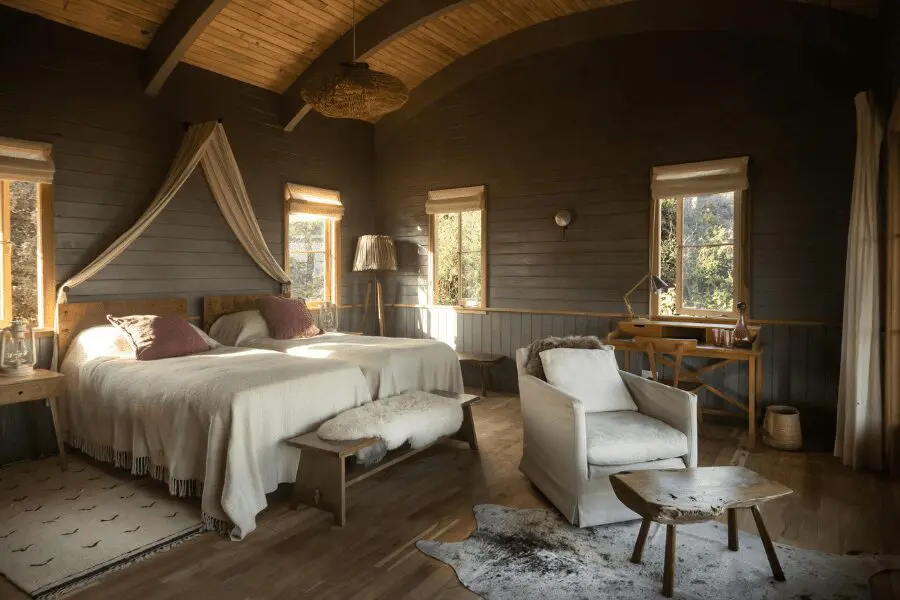
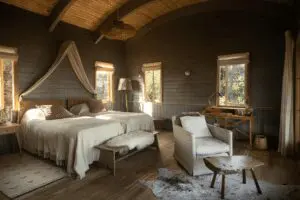
Accommodation around the Ngorongoro Crater ranges from high-end lodges on the crater rim to more remote camps set within the surrounding highlands. Rim lodges provide direct access and uninterrupted views into the crater, while properties further afield have a quieter, more expansive setting, often with walking and cultural experiences included.
There is no accommodation in the crater itself, preserving its natural environment. Explore our full range of Ngorongoro Crater hotels and lodges to find the right option for your safari.
Start Planning Your Ngorongoro Safari
A Ngorongoro Crater safari combines high wildlife density, varied landscapes, and cultural significance within a single destination. Our Africa Safari Experts know the Ngorongoro region in detail and can help plan a crater safari that fits seamlessly into your wider itinerary.
Help me plannenWat reizigers het leukste vonden aan de Ngorongorokrater
Vogels kijken
Culturele interacties
Landschap
Wilde dieren en safari
Ontdek deze bronnen in de Ngorongorokrater
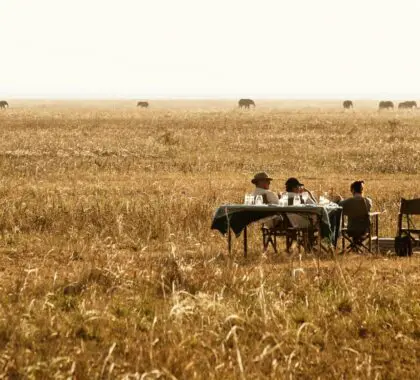
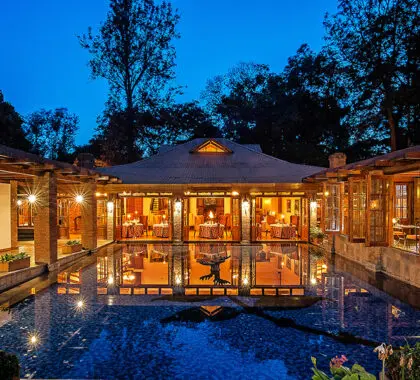
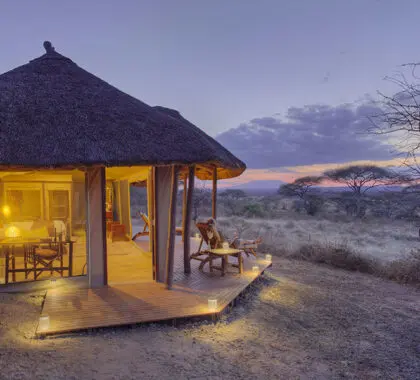
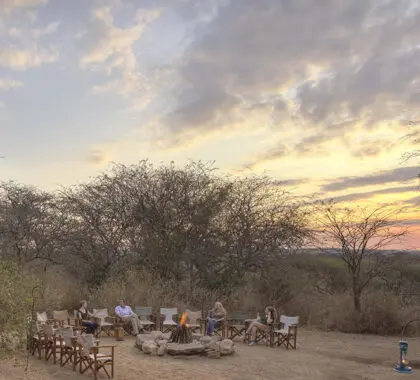
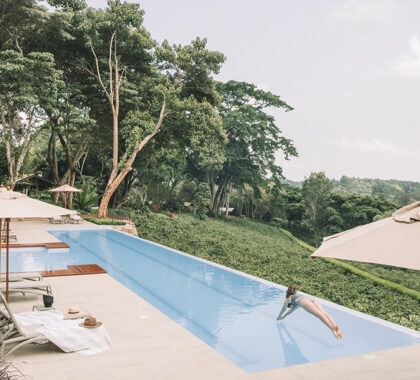
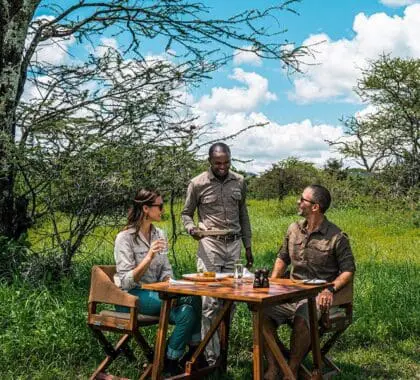
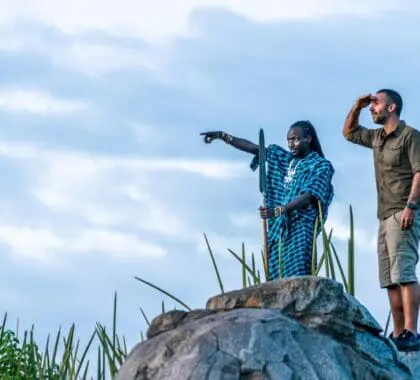
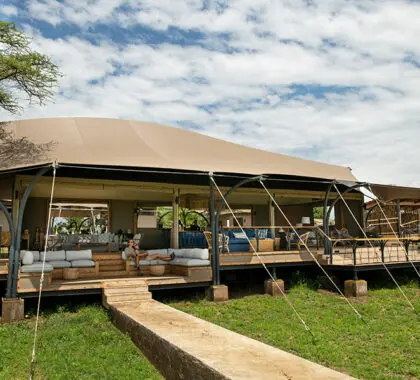
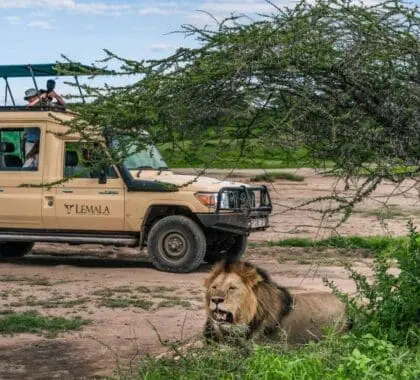
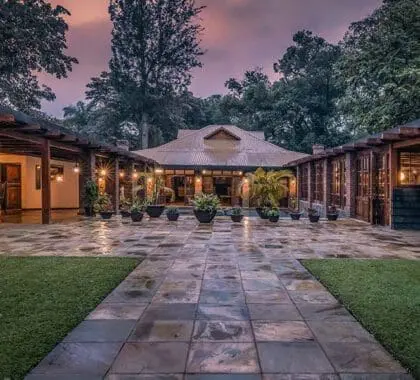
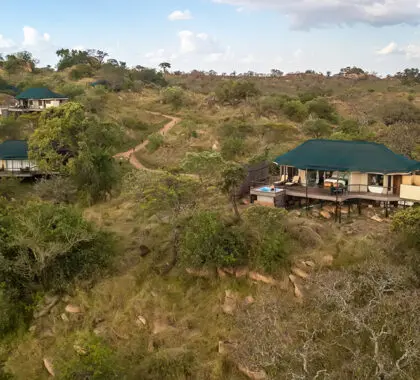
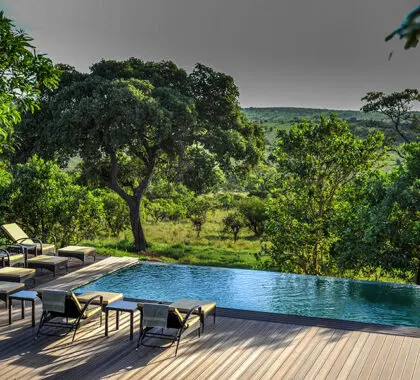
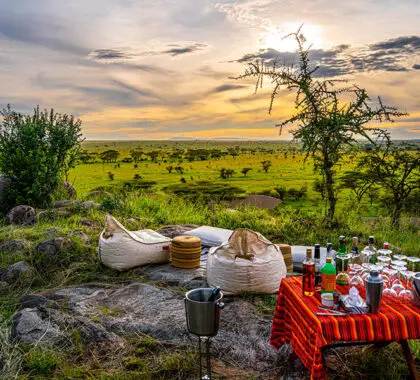
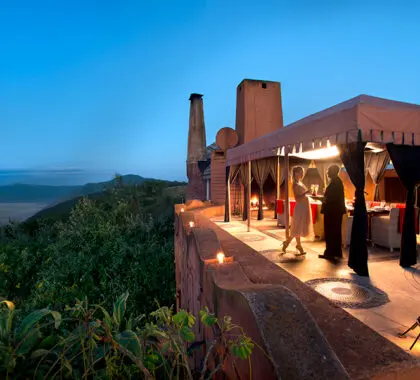
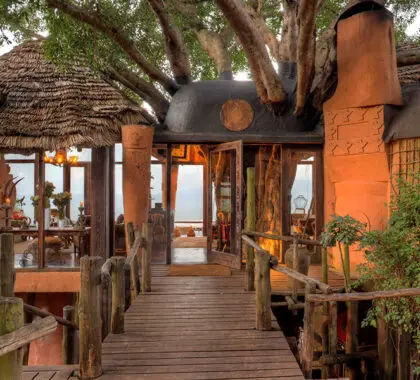

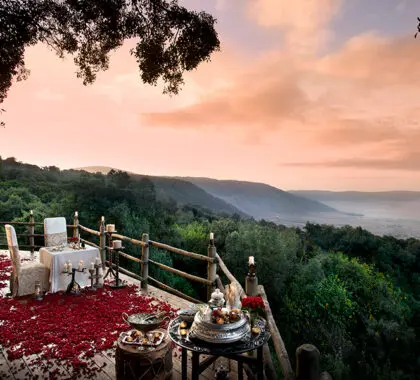
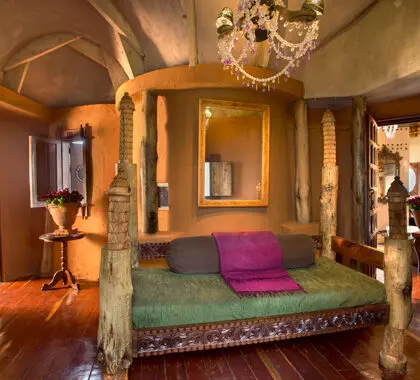
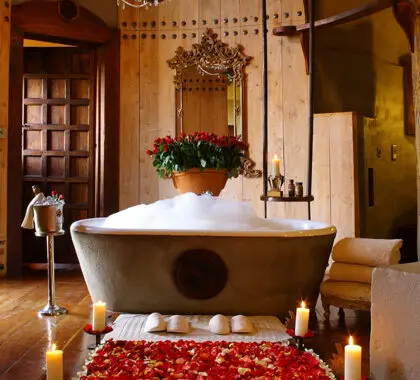
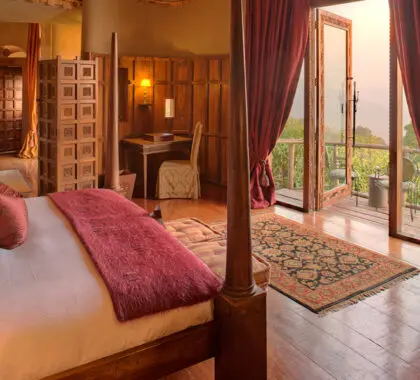
Ngorongoro Crater Lodge
Populaire activiteiten
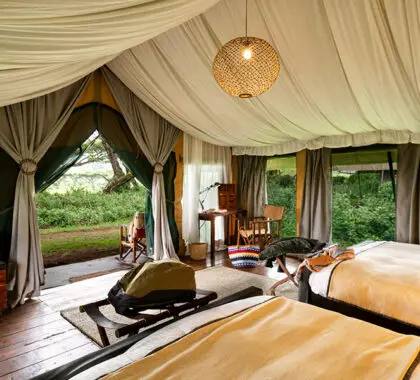
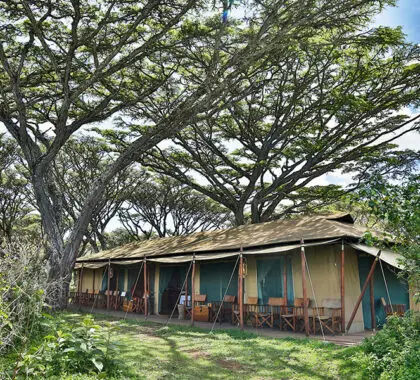
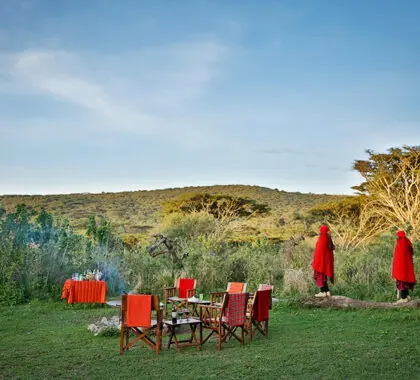
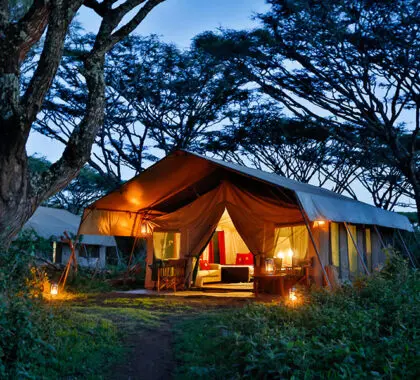

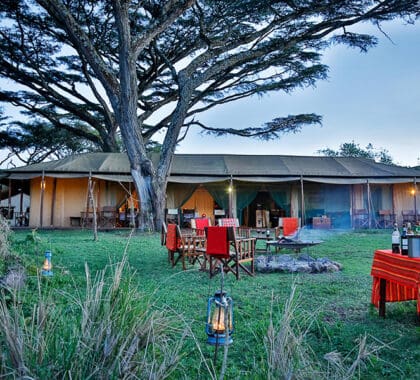

Lemala Ngorongoro
Populaire activiteiten
-

Ngorongoro Crater Lodge
Populaire activiteiten
Vogels kijken Struik dineren Culturele bezoeken Dagtochten -
Lemala Ngorongoro
Populaire activiteiten
Vogels kijken Culturele bezoeken Wildritten Begeleide wandelingen