Positive Impact

Ecosistemi

Paesaggi naturali rigogliosi

Proteggere i paesaggi e la fauna selvatica

Inviamo i viaggiatori in alcuni degli ecosistemi più vitali del mondo nell'Est e nel Sud del mondo. Africa. Questi paesaggi non sono solo straordinari per la loro biodiversità, ma svolgono anche un ruolo di ruolo critico nel sostenere le comunità e nello stabilizzare il clima globale. Attraverso il nostro programma di impatto guidato dalla comunità, siamo impegnati a proteggere e ripristinare queste vaste paesaggi, assicurando che questi e le persone che li chiamano casa prosperino per le generazioni a venire.

Nell'ultimo esercizio finanziario, nell'ambito di Nawiri Gruppo, abbiamo contribuito con $9,8milioni di dollari alla natura. protezione attraverso le tasse per i parchi e le riserve, i prelievi per la conservazione e le tasse sulle infrastrutture. Questi contributi sostengono direttamente questi ecosistemi, assicurando finanziamenti fondamentali per sforzi di conservazione.

Regione Floristica del Capo Grande

Located in South Africa, the Greater Cape Floristic Region is one of the world's six floral kingdoms and contains extraordinary biodiversity across its 90,000 km² range. This ecosystem supports fynbos vegetation, more than 9,000 plant species, and endemic wildlife found nowhere else on Earth. Urban expansion, invasive species, and climate change continue to place pressure on this fragile landscape. Projects we support focus on restoring degraded habitats, reconnecting biodiversity corridors, and engaging communities in protecting and restoring native vegetation within urban and rural landscapes.

Per saperne di più

Area di conservazione transfrontaliera del Grande Limpopo

Covering 100,000 km² across Mozambique, South Africa, and Zimbabwe, the Greater Limpopo Transfrontier Conservation Area links major protected areas including Kruger National Park. It supports threatened species including African wild dogs, elephants, and over 500 bird species, while maintaining important wildlife movement corridors across southern Africa. Our work here supports initiatives that strengthen livelihoods and reduce pressure on key habitats.

Per saperne di più

Ecosistema del Grande Ruaha

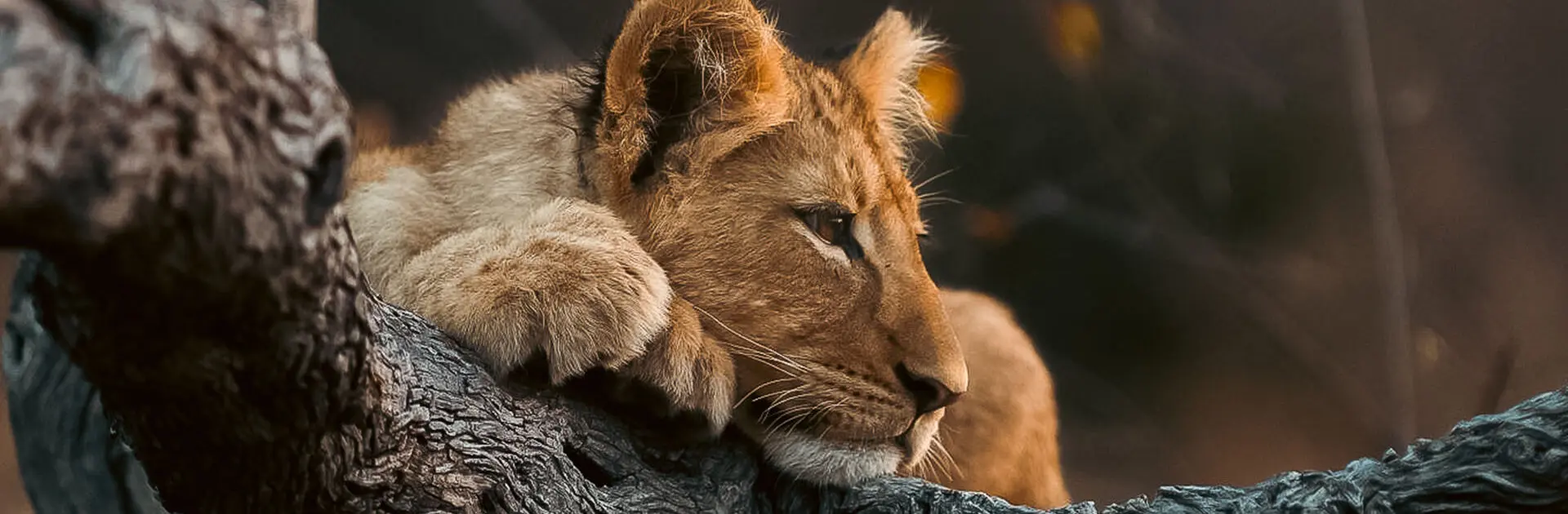
Stretching across more than 50,000 km² in southern Tanzania, the Greater Ruaha Ecosystem is home to 10% of the world's remaining lions, large elephant populations, wild dogs, and more than 570 bird species. The Great Ruaha River sustains wildlife, farming communities, and downstream hydropower systems relied upon by millions of people. Climate change, water extraction, and land degradation increasingly threaten the health of the ecosystem. Our work here supports community-led conservation, regenerative agriculture, education, and projects that strengthen livelihoods alongside ecosystem protection.

Per saperne di più

Ecosistemi del Grande Selous

​At 90,000 km², the Greater Selous Ecosystem in Tanzania is one of Africa's largest remaining wilderness areas and a UNESCO World Heritage Site. Its miombo woodlands, wetlands, and river systems support globally important populations of elephants, black rhinos, lions, and African wild dogs. These woodlands also store vast amounts of carbon and play an important role in regional climate systems. Yet habitat loss, illegal resource extraction, and pressure on community land continue to threaten the wider connectivity of the ecosystem. We support community-run Wildlife Management Areas and projects that help local communities generate income linked to protecting these landscapes.

Per saperne di più

Paesaggio del Grande Virunga

Extending across Uganda, Rwanda, and the Democratic Republic of Congo, the Greater Virunga Landscape is one of the most biodiverse regions on Earth. Its forests and volcanic mountains support endangered mountain gorillas, golden monkeys, forest elephants, and more than 1,000 bird species. Responsible tourism provides long-term funding and employment linked to gorilla conservation, while our work around Bwindi focuses on restoring degraded forest edge habitat.

Per saperne di più

Area di conservazione transfrontaliera Kavango-Zambesi (KAZA)

KAZA spans 520,000 km² is the world's largest transfrontier conservation landscape, stretching across five countries and encompassing areas such as Botswana's Okavango Delta. It protects critical habitat for wildlife icnluding over half of the planet's remaining savanna elephants. As human populations grow, communities and wildlife increasingly compete for land, grazing, and water. Through partners in the region, we support projects that promote coexistence, strengthen livelihoods, reduce human-wildlife conflict, and create economic value linked to keeping ecosystems connected and wild.

Per saperne di più

Ecosistemi del Serengeti e del Mara

Spanning 40,000 km² across Kenya and Tanzania, the Serengeti-Mara Ecosystem supports one of Earth's great migrations and one of its highest wildlife densities. Much of that wildlife depends on community land beyond national parks. In Kenya, our group helped pioneer conservancies, where landowners combine land for joint management and receive lease income while keeping habitat open. In Tanzania, we support Wildlife Management Areas by strengthening governance, protection, and income models that make community-led conservation more viable for people and wildlife.


Per saperne di più