 1-866-438-8677
 +27-21-481-4900
 1-888-360-2392
 1-800-619-441
 0800-404-9451
 800-852-6502



Popular
All Currencies
No currencies match your search.

No two travellers experience accessibility in quite the same way, which is why planning an accessible safari starts with the individual rather than a standard checklist.
A safari also comes with practical considerations you may not come across on other types of holidays. Reaching remote camps can mean flying in a small aircraft, travelling along unpaved roads and climbing into high safari vehicles. The layout of each lodge can affect how easily you move between your room, shared areas, and safari activities.
This guide looks at the whole journey, from mobility and sensory needs to airport assistance, transfers, game drives, and lodge access, so you know what to consider when planning an accessible safari in Africa.
There's no single definition of an accessible safari. For some travellers, physical access means step-free pathways, an adapted bathroom, space for a wheelchair or mobility aid, and support getting into a safari vehicle. For others, sensory or communication needs might influence the pace of the itinerary, how many places you stay, the transport you use, or how much information you'd like before each activity.
Accessible safari holidays therefore need to consider more than a lodge's facilities. The more useful question isn't simply, “Is this lodge accessible?” but “Will the room, property, transport and safari activities suit what I need?”
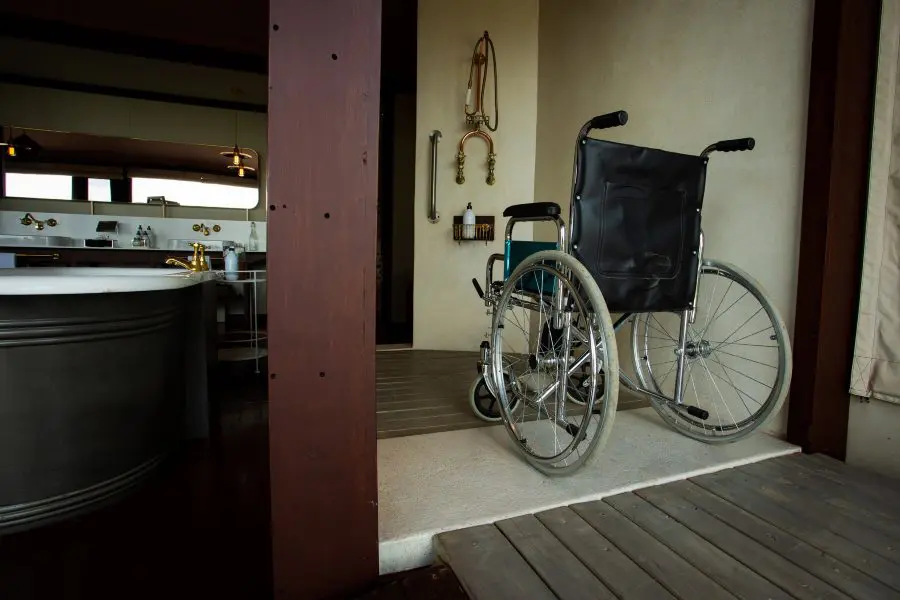
If you use a wheelchair or walking aid, or find stairs, long distances or climbing into a high safari vehicle challenging, it helps to look beyond just the bedroom when thinking about accessibility.
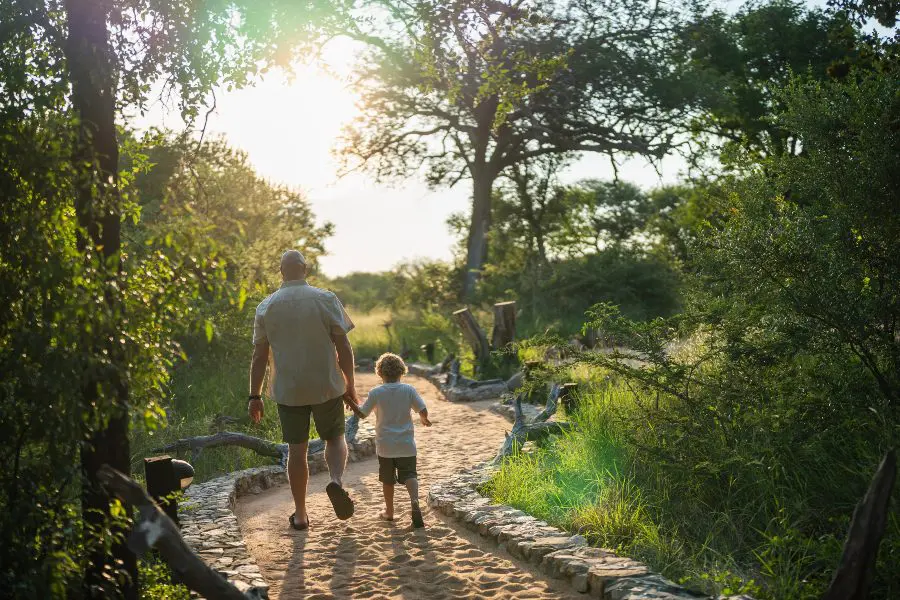
It's also helpful to know if you'll need to cross sand or uneven ground to reach your room, whether there's enough space to move around inside, and how far you'll travel between your room, the dining area, and your safari vehicle.
Accessibility can vary between room types at the same property. If a particular feature matters to you, ask about the specific room you'll be staying in rather than relying on a general description of the lodge.
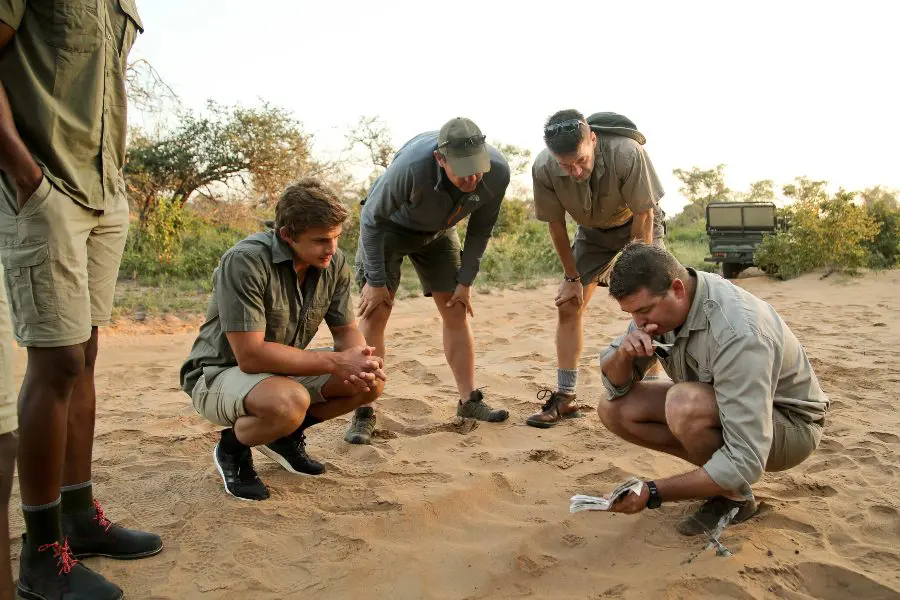
For autistic and other neurodivergent travellers, practical considerations may have less to do with physical access and more to do with noise, unfamiliar surroundings, food, transitions or changes to routine.
Africa-based Safari Expert Kate McIntosh draws on her own experience travelling with her autistic stepson:
“Know your child, know your person. What are their triggers? How can you manage it?”
Think about what already helps in everyday life. Noise-cancelling headphones, fidget tools, familiar clothing or comfort items can be just as useful while travelling. Sometimes, a predictable routine, fewer accommodation changes or regular downtime matter more than fitting in another activity.
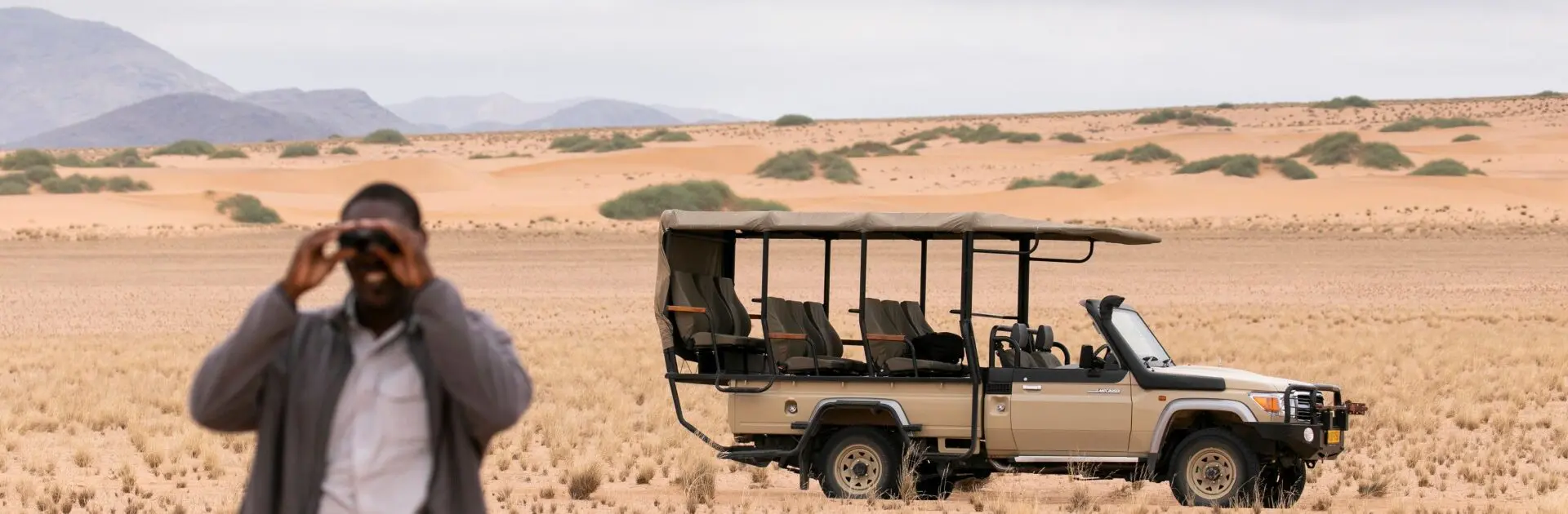
It also helps to understand the sensory environment before you arrive. Safari vehicles travel over uneven tracks and have a constant engine sound. Light aircraft used for flights between safari destinations have compact cabins and propeller noise. At night, a camp that felt quiet during the afternoon can fill with the sounds of insects, frogs, birds, and animals calling nearby.
These sounds can be part of the magic for some travellers and overwhelming for others, so knowing what to expect can make it easier to prepare and enjoy your time on safari.
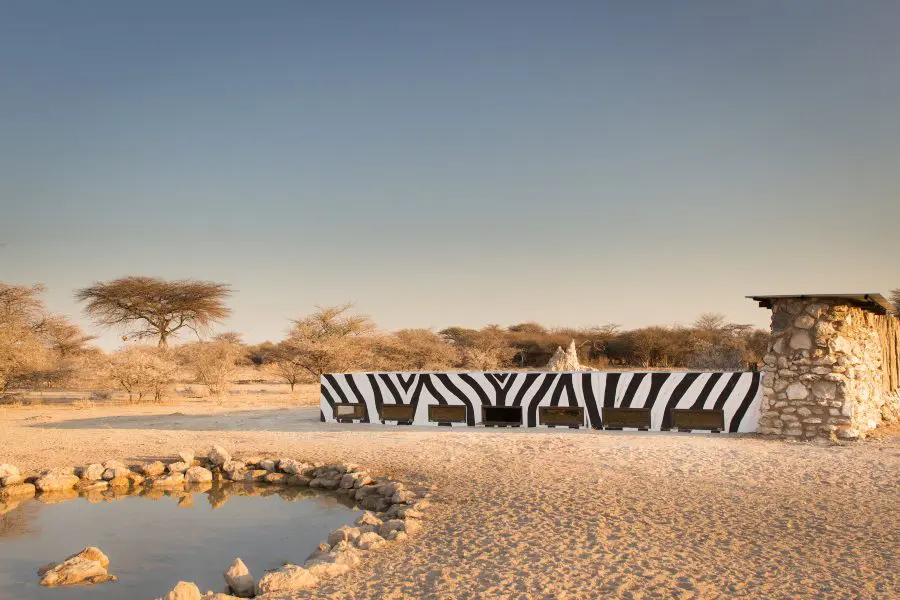
Safari is often described through what you can see: a leopard moving through the grass, elephants gathering at water sources, or a giraffe appearing above the trees. But much of what happens in the bush can be experienced through other senses too.
You might hear an alarm call before an animal appears, notice the scent or texture of a wild plant, or listen as your guide interprets tracks left in the sand earlier that morning.
Specialist multi-sensory safari activities can use amplified sound, scent, touch, and tactile materials to help visually impaired travellers experience the environment. Deaf and hard-of-hearing travellers may need other arrangements, including written or visual communication and, where available, sign-language interpretation.
Specialist support isn't available everywhere, so discuss these requirements with your Safari Expert before you book.
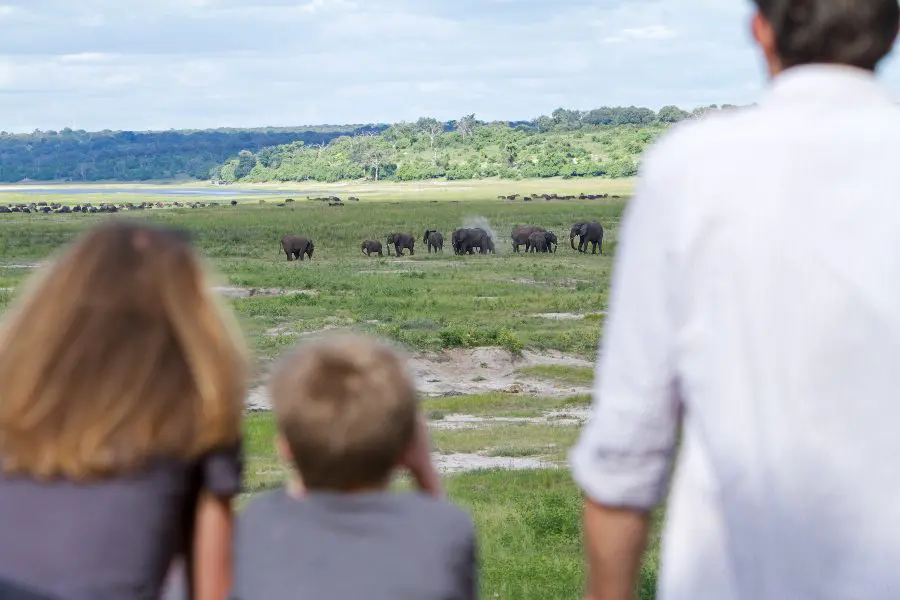
If you're travelling with a carer, parent, family member or support person, it helps to think about what their role will look like throughout your safari.
Will they need to accompany you on every game drive? Do you need adjoining or nearby rooms? Will they assist with transfers into the safari vehicle? Does your itinerary leave enough time for personal care or rest?
Room configuration matters when a support person needs to be nearby. An adapted room may not work for you if your support person is staying too far away, so include these practical requirements when discussing accommodation.
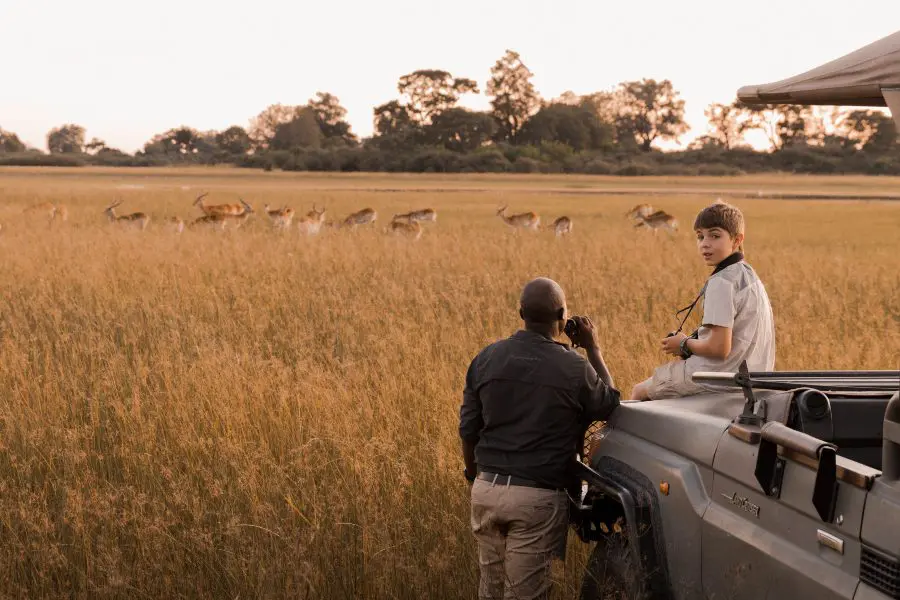
A safari guide influences much more than which wildlife you see. When the guiding team understands your requirements beforehand, they can consider the pace and practicalities of the game drive.
That might mean choosing smoother tracks where conditions allow, explaining what will happen before moving on, providing more time to get into and out of the vehicle, or adjusting the length of a drive.
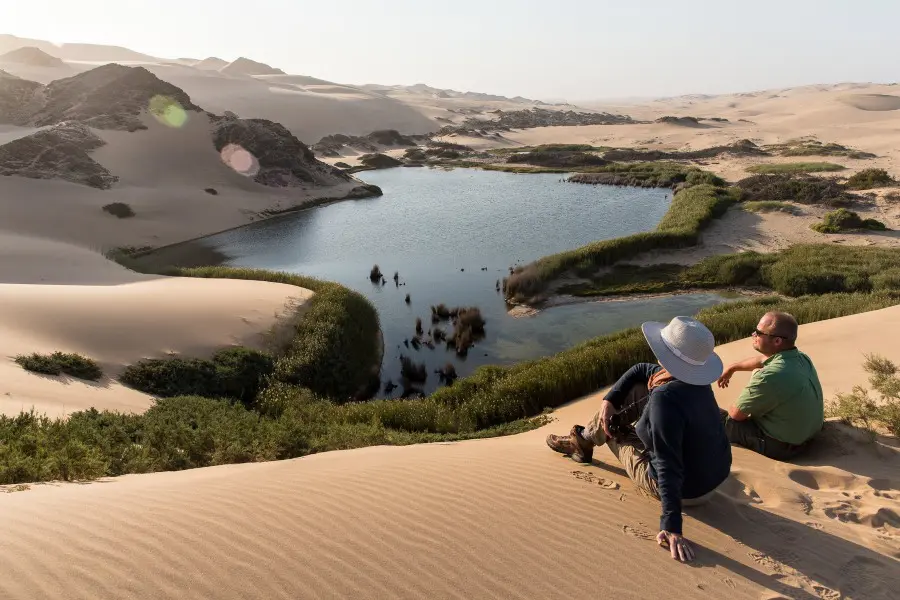
Labels like limited mobility, autistic, visually impaired, or requiring additional support do not explain exactly what you require. Practical details are far more useful when planning your itinerary.
If mobility is a consideration, let your Africa-based Safari Expert know whether you can walk short distances, manage a few steps, transfer from a wheelchair or need assistance with particular movements.
For sensory, communication, or routine needs, consider what causes discomfort and what helps. Are unfamiliar foods difficult? Do unexpected changes cause distress? Would knowing the plan for each day help? Do you need regular downtime or somewhere quiet to recharge?
Destination choice matters too. Some safari areas involve light-aircraft transfers, longer drives or more remote camps, while others are easier to reach by road or have a wider choice of accommodation. Choosing where to go is therefore not only about the wildlife you want to see, but also how you'll get there and move through the journey.
As Kate explains:
“Forewarned is forearmed.”
Sharing these details early means room layouts, transport, food arrangements and activities can be checked while your itinerary is still being planned.
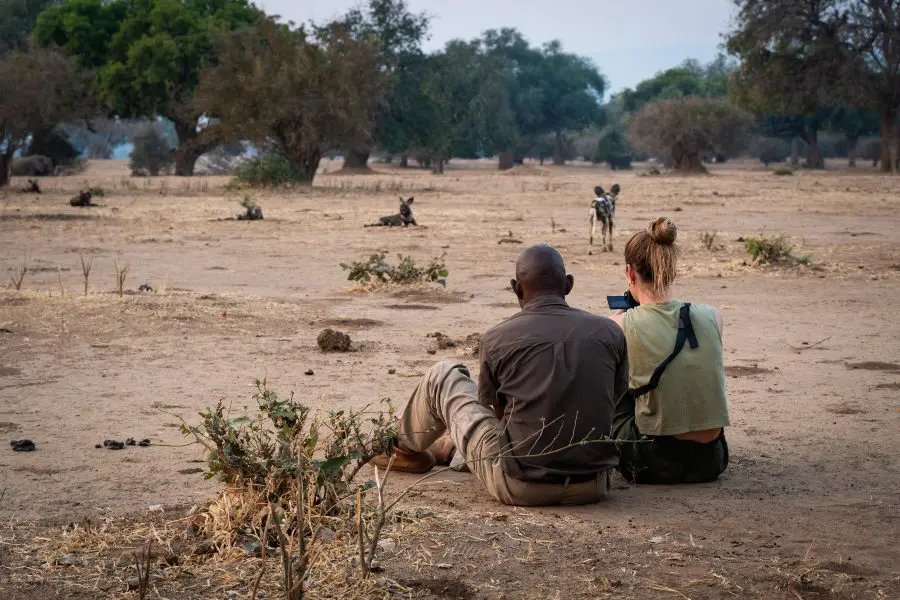
How much you fit into the itinerary matters too.
As Kate advises:
“Don't rush the itinerary. Travel is tiring.”
Every new lodge introduces another transfer, another room, another team, and another environment to get to know. If those transitions are tiring or overwhelming, spending longer in fewer places may work better than moving every few nights.
It also leaves room to change your plans. After a long travel day, you may prefer a slow morning at camp. If an afternoon game drive feels too much, you can miss it without it being your only opportunity to explore that destination.
You don't need to take part in every activity. Sometimes, having the option to spend a quiet afternoon at camp is just as important.
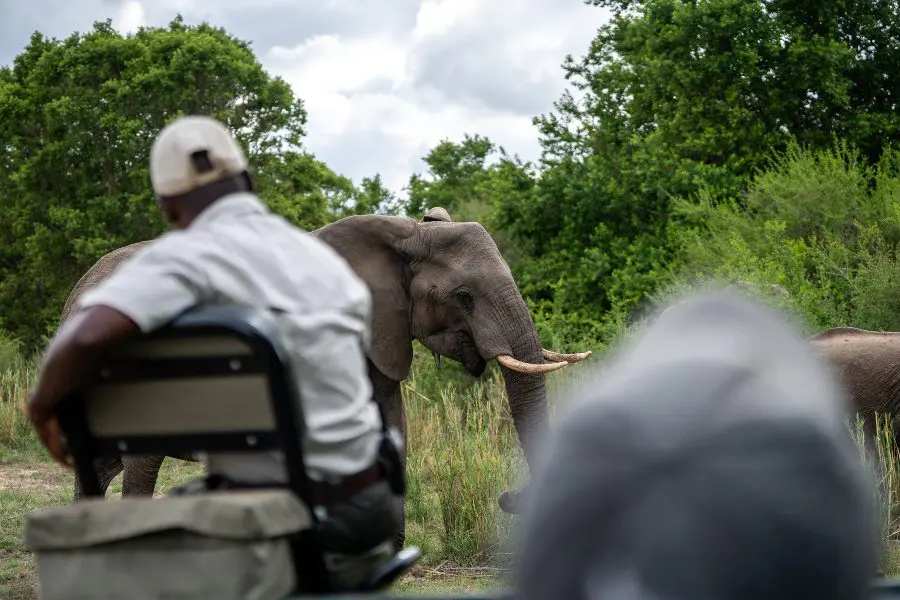
Reaching a remote safari camp rarely involves just one journey. You might move from a busy international airport to a smaller regional terminal, board a light aircraft and finish with a road transfer along an unpaved track. Each stage brings different practical considerations, from airport assistance and waiting times to aircraft space and time spent on the road.
Planning those connections around your individual needs can make the journey into safari much easier to navigate.
When Kate's stepson travelled internationally on his own for the first time at 18, they talked through what would happen at check-in, security, passport control and on the aircraft, including different scenarios that might arise. Arriving three hours before departure meant there was no pressure to rush.
Kate's family also registered for a Hidden Disabilities Sunflower Lanyard. At participating airports such as Heathrow in London, the Sunflower lets staff know that someone may have a non-visible disability or additional support needs and may benefit from extra support. It does not replace formal airport assistance when required.
If you need formal assistance, such as wheelchair support through the airport, arrange this directly with your airline in advance. For the safari itself, share any support requirements that could affect transfers, light-aircraft flights, accommodation or activities with your Africa-based Safari Expert during the planning process.
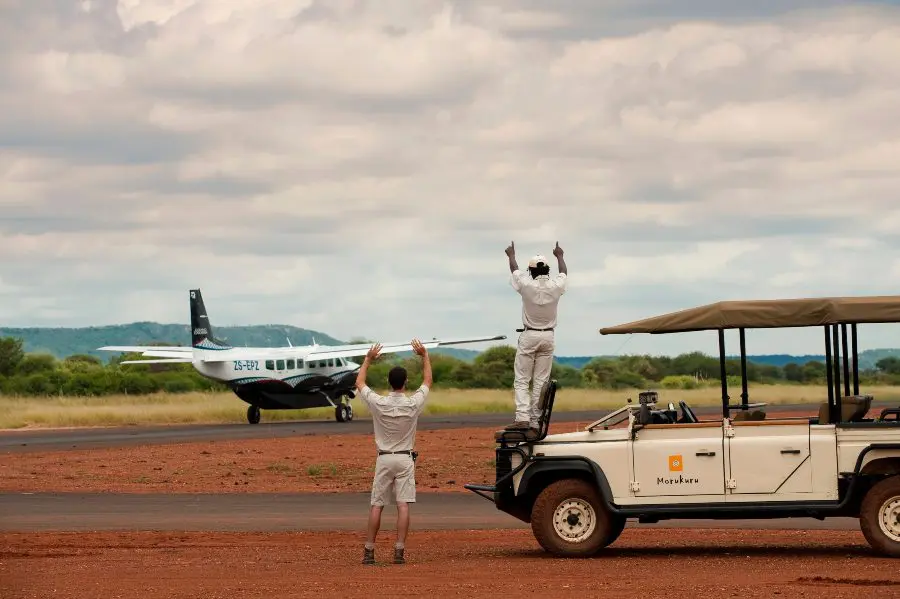
A light-aircraft flight between safari destinations in Africa can remove several hours of driving, which may suit someone who finds long periods in a vehicle or rough roads uncomfortable. For another traveller, a private road transfer might work better, with more space, fewer transitions, and greater control over when to stop.
Light aircraft bring their own practical considerations. Cabin space can be limited, and airlines may have specific requirements for wheelchairs, mobility aids, medical equipment, batteries, and luggage depending on the aircraft being used.
Let your Africa-based Safari Expert know exactly what equipment you will travel with so they can check the relevant transport arrangements before your itinerary is confirmed.
The activities you choose can take into account what you enjoy, how long you're comfortable being out and what is possible in the destination.
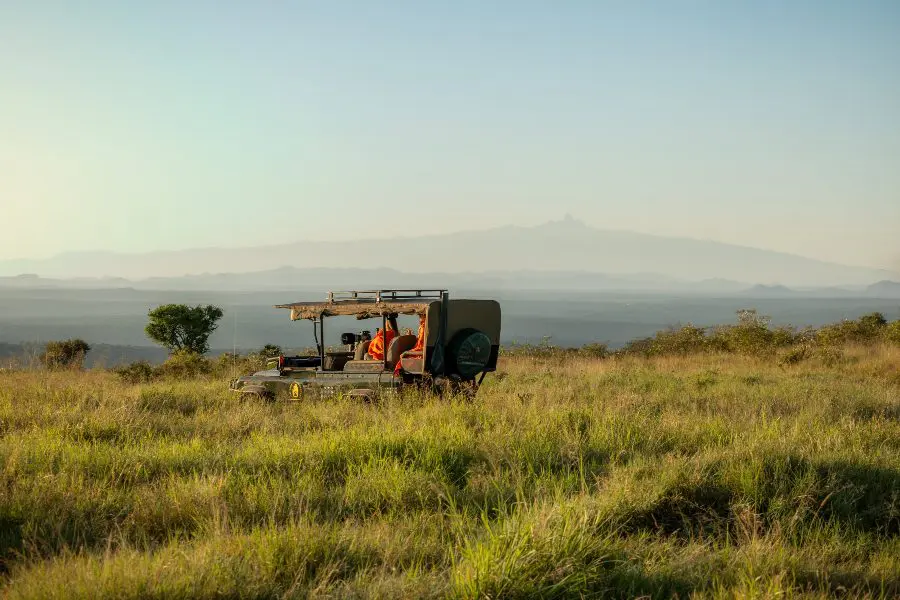
A private safari vehicle means you and your travelling companions have the vehicle and guide to yourselves, rather than sharing with other lodge guests. Depending on your requirements, this greater flexibility may be necessary. On a shared game drive, adjusting the route, shortening the drive or returning to camp early may not be possible when other guests are travelling in the same vehicle.
If a stretch of road is uncomfortable, the guide may be able to use another route where conditions allow. You can also adjust how long you spend at a sighting without working around other guests' preferences.
Kate recommends considering a private vehicle where budget and availability allow:
“This will allow you to tailor the experience to ensure the drives don't overwhelm, overstimulate or tire that person out.”
A private vehicle does not remove the physical realities of safari roads or guarantee you can change every route, but it gives you much more control over your day.
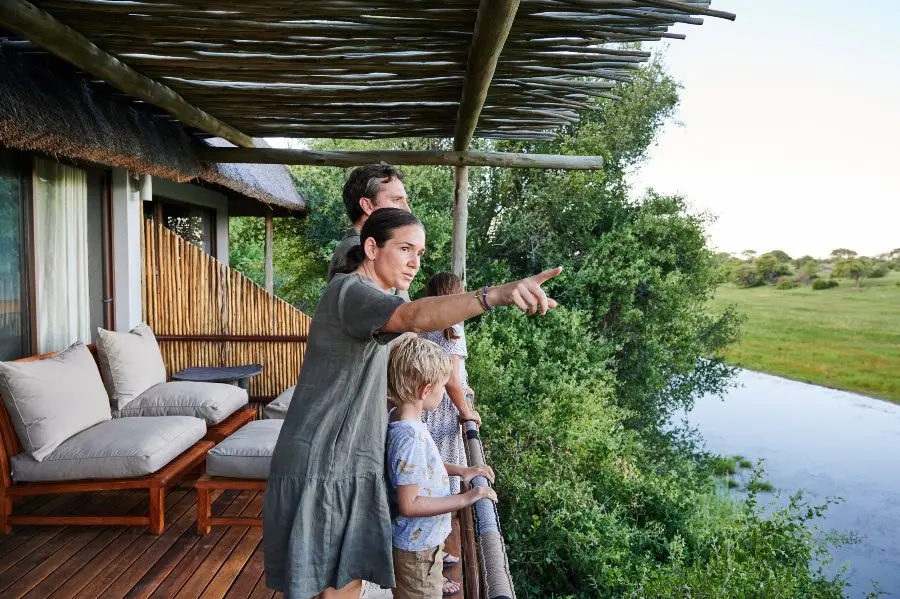
Not every wildlife sighting means getting into a vehicle. Some safari camps and lodges overlook rivers, plains, or active waterholes, giving you the chance to watch animals from the property itself. Depending on where you stay, that might mean sitting on the main deck, watching from your room, or spending time in a hide, a sheltered space designed for observing wildlife.
Choosing a property with good wildlife viewing from camp gives you another way to spend time in the bush – a classic armchair safari. You might head out on a morning game drive, return for lunch, and spend the afternoon watching wildlife converge around a waterhole.
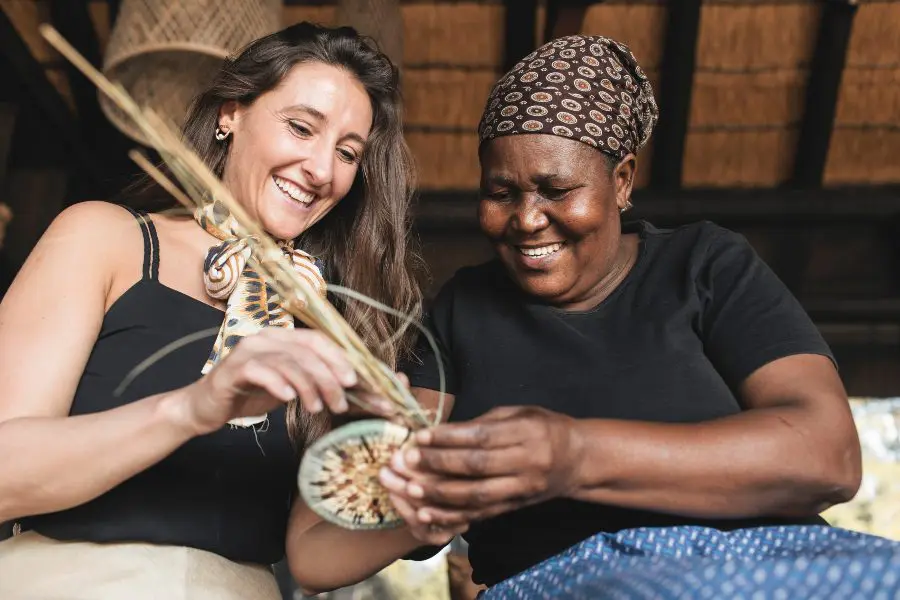
Accessibility planning can easily become dominated by logistics: ramps, transfers, flight restrictions, bathrooms, and vehicle access. Those details matter because they make room for the reason you are travelling in the first place.
Kate remembers arranging a safari for a family travelling with a child on the autism spectrum who booked a photographer for a day. They returned home with professional photographs of their family together on safari.
What matters to you might be photography, time at the pool, watching wildlife from camp or having an afternoon with no plans at all. An adapted itinerary should not only remove practical barriers; it should leave room for the parts of the trip you are most looking forward to.
Yes, but suitability depends on the traveller and itinerary.
Some safari lodges have step-free rooms, wider pathways, roll-in showers, grab rails, or other accessibility features. You also need to consider access to safari vehicles. A property that works for someone who can transfer from their wheelchair may not suit someone who needs to remain seated throughout.
Our Africa Wheelchair Safari Guide goes into greater detail. When planning, explain what assistance you need and which mobility equipment you will travel with.
Rules for service animals depend on the country, protected area, accommodation, and transport involved. In South Africa, South African National Parks (SANParks), which manages Kruger and many of the country's other national parks, makes specific provision for guide dogs for visually impaired travellers. Prior permission and the required permits and veterinary documentation are needed. Unfortunately, guide dogs are not permitted at unfenced wilderness camps.
If you travel with a service animal, raise it early in the planning process so your Africa-based Safari Expert can check the current rules for every part of your proposed itinerary.
It can be, but no single safari format will suit every neurodivergent traveller. One person may enjoy being outdoors, smaller camps, and long periods observing wildlife, while another may find unfamiliar food, vehicle noise, airport crowds, small aircraft, or frequent changes challenging.
Depending on the individual, a private vehicle, fewer lodge changes, clear information before arrival, familiar comfort items, and regular downtime may help.
Sometimes, very. Safari vehicles generally use unpaved roads and tracks once inside parks and reserves. Conditions depend on the destination, weather and season, and you may travel across corrugations, sand, rocks, mud, or uneven ground.
If prolonged vibration, sitting, or sudden movement causes discomfort, mention it during planning. It may affect the destination, property, vehicle, or length of game drives that work for you.
Do not assume there will always be an accessible bathroom once you leave your lodge. Facilities depend on the route and activity, and in some wilderness areas, a bathroom break may mean using a “bush toilet”, with your guide finding a suitable place to stop.
If bathroom accessibility is important, ask your Africa-based Safari Expert to check what facilities are available along the activities and routes in your itinerary before you travel.
In many cases, yes, but it needs to be planned in advance. International airlines, regional carriers, and safari aircraft have their own requirements for wheelchairs, mobility devices, medical equipment, batteries, dimensions, and luggage.
If you travel with equipment such as a CPAP machine, there are also practical considerations at the lodge, including electricity, plug access, and backup power. Provide details of any equipment you intend to bring before you travel so your Africa-based Safari Expert can check the relevant transport and lodge arrangements.
Safari can be remarkably quiet, but it is not silent. You’ll hear the hum of the safari vehicle, movement over uneven tracks, birds calling in the early morning, insects after dark, and animals moving or calling near camp. Small light aircraft used to travel between remote safari destinations can add propeller noise and compact cabins to the journey.
If sound sensitivity is a consideration, knowing when and where those noises are likely can help you prepare. Noise-reducing or noise-cancelling headphones may help at certain times, although your guide should let you know when you need to stay alert to instructions and your surroundings. Alternatively, select a camp or lodge that makes use of electric vehicles.
Don't judge whether a lodge is suitable based on a single accessibility feature. Look at the full stay, including arrival, pathways, bedroom and bathroom layout, shared spaces, dining areas, vehicle access, and the distances between them.
The properties below are examples with specific accessibility features, rather than a definitive list. The important thing is how those features work together across your full stay and whether they match your individual requirements.
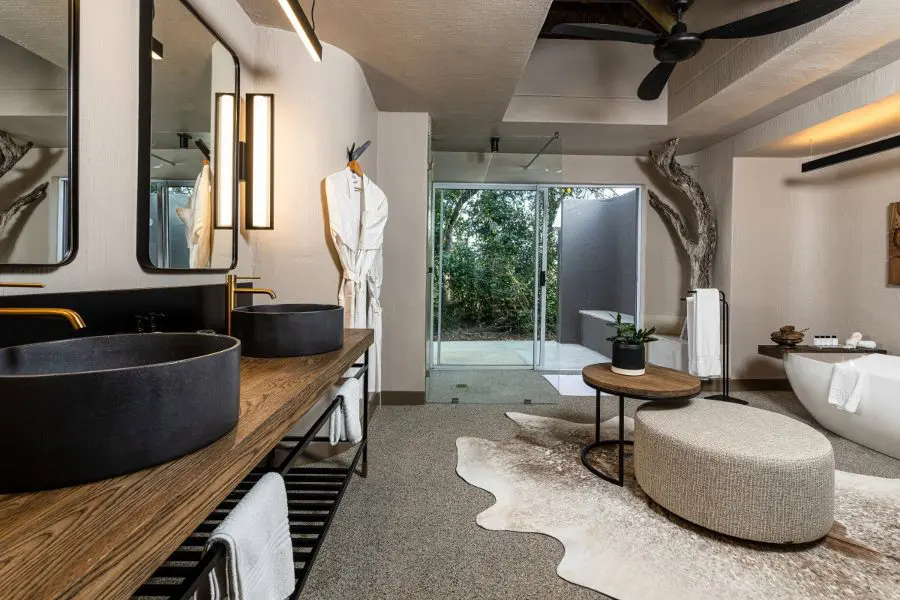
Sabi Sabi Bush Lodge is in the Sabi Sand Game Reserve, within South Africa's Greater Kruger region. Sabi Sabi shares an unfenced border with Kruger National Park, allowing wildlife to move across the wider ecosystem.
The lodge has a dedicated wheelchair-accessible suite with wider doorways, stability bars in the bathroom and step-free access to the main lodge area. Safari vehicles also have accessible seating and additional stability support.
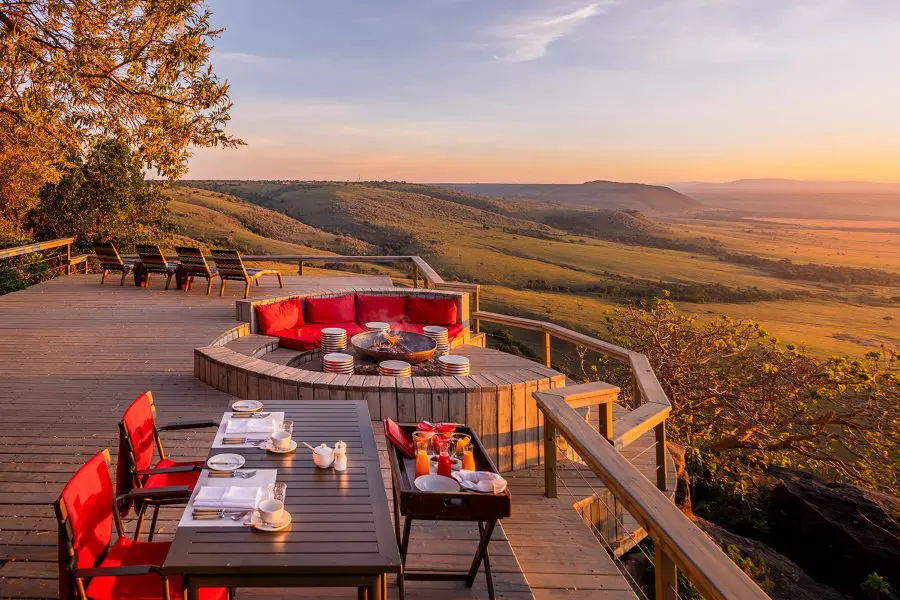
Angama Mara sits high above Kenya’s Masai Mara, one of East Africa's best-known safari areas. The lodge can accommodate guests with reduced mobility thanks to features including grab rails, gently sloping ramps, and pathways that can be cleared to make it easier to move between accommodation and shared areas. Furniture can also be removed from the room to create more space for wheelchair users.
How you reach the lodge is another part of the planning. A road transfer from Nairobi is possible for guests who prefer not to fly, while larger charter aircraft with loading doors may be more suitable for some wheelchair users. Staff can also assist guests with getting into safari vehicles for game drives.
There are some important limitations to consider. Wheelchair users need to travel with a full-time professional carer, and the lodge is not suitable for guests who use a wheelchair and are unable to stand at all. Some activities may also not be suitable or require adaptation.
Before booking, Angama's room setup, transfers, vehicle access, and activities can be checked against your individual requirements.
Perhaps the most useful question is not simply, “Is safari accessible?” but “What would make safari work for me?”
Not every lodge, destination, or activity can meet every requirement, and it is better to establish that before you travel.
Tell your Africa-based Safari Expert what you need, what you find challenging, and what you are looking forward to. They can check the details directly with lodges and transport providers and plan an itinerary around what works for you.

Africa Safari Expert
*Featured in Condé Nast Traveler as a Top Travel Specialist* After working in hospitality for many years, I joined Go2Africa in 2007, and it has been a pursuit of passion and a love of Africa ever since. Growing up, we spent many childhood holidays exploring Sout…
View Profile