1-866-438-8677
 +27-21-481-4900
 1-888-360-2392
 1-800-619-441
 0800-404-9451
 800-852-6502
Popular
All Currencies
No currencies match your search.




travel advice
We take pride in providing our travellers with unbiased advice based on extensive, first-hand experience in the destinations we recommend. We've been tailor-making Masai Mara safari itineraries since 1998 – here are some of our top tips:
A year in advance is normal, as camps located near river-crossing hot spots get snapped up quickly. Talk to us about getting front-row seats during July to November. Here’s all you need to know about a Migration Safari
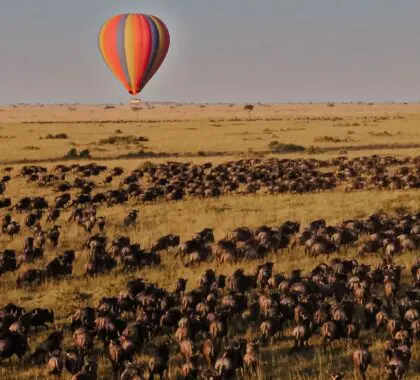
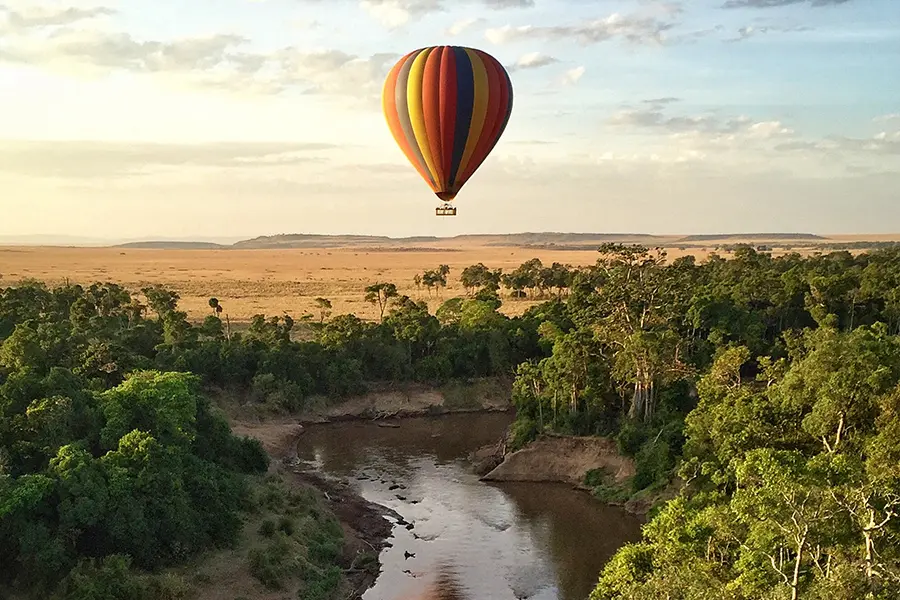
On our bucket list of things to do in the Masai Mara, Hot-air balloon safaris are a Mara specialty and deliver an unforgettable bird’s-eye view of the Wildebeest Migration. Not every lodge or camp offers them – get in touch with us to find out who does.
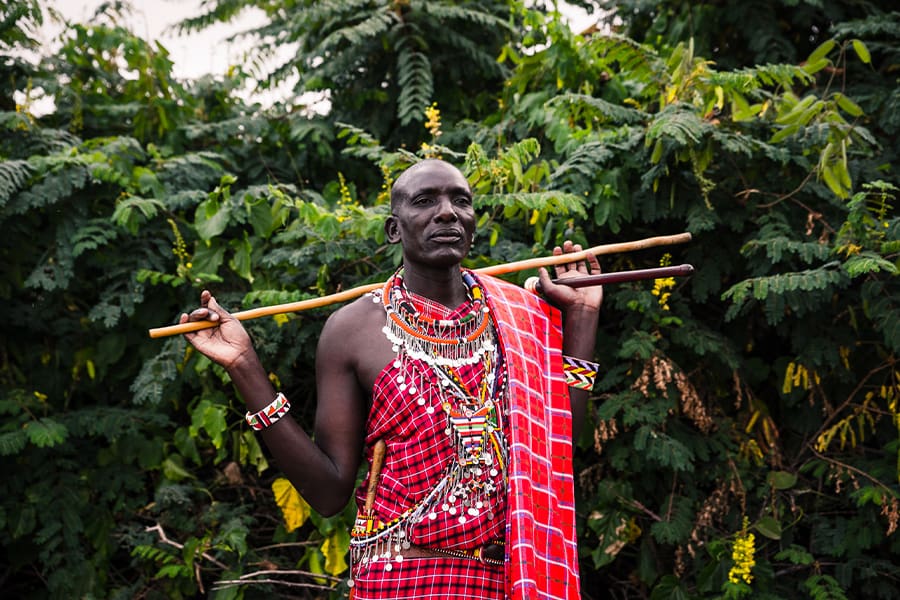
Make sure your Maasai cultural interaction genuinely benefits the local community and is an experience that is both meaningful and uncontrived. We’ll recommend accommodation and operators that do it the right way.
The Masai Mara National Reserve can get very busy during the Migration's high season (July to November). The Mara's private conservancies offer low visitor numbers, excellent accommodation and game viewing as good as the main reserve. Off-road game viewing, night drives and guided nature walks – activities not permitted in the public section of the Masai Mara – are also on offer. Furthermore, by staying in the conservancies, you will contribute directly to local communities and conservation.
For general information on travelling to Kenya – like safety, climate, money and spending – visit our Kenya Travel Advice page.

Jomo Kenyatta International Airport in Nairobi is Kenya’s major international airport for the Masai Mara. All safari trips depart from Nairobi’s smaller Wilson Airport and fly straight into the reserve by a short charter flight. You'll land at one of the local airstrips and get transferred to your safari camp or lodge by 4×4.
Because you'll be hopping into the Masai Mara on a sleek light aircraft from Nairobi's Wilson Airport, space is at a premium. These bush flights have a strict luggage limit of 15kg (33 lbs) per person, which includes your hand luggage.
More importantly, your bags must be soft-sided duffel bags with no rigid frames or wheels. Hard suitcases simply won’t fit into the plane’s specialized pod belly.
If you're combining your safari with a beach trip to Zanzibar or a stay in Cape Town and have extra luggage, don’t panic. Speak to your Africa Safari Expert who can see about arranging for your excess hard luggage to be securely stored in Nairobi while you're in the bush.
Did you know you can book your flights through Go2Africa? For more information and frequently asked questions, please see our Flights section.
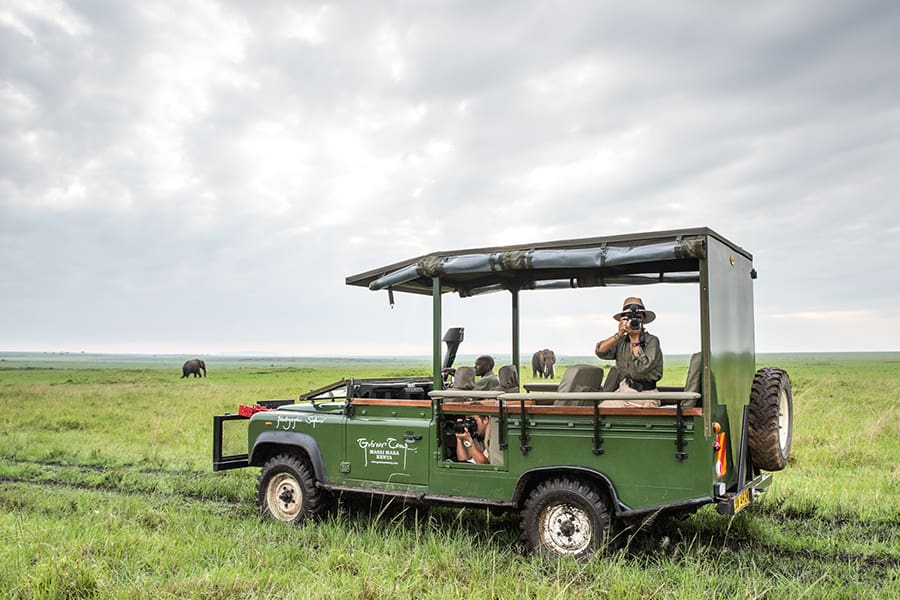
Guided road transfers and game drives in Kenya are conducted in closed 4x4s with big windows and pop-up roofs. Most safari destinations in Kenya have extensive road networks and closed vehicles are therefore the norm when doing long-distance road transfers between airstrips, camps and lodges. A closed 4×4 game drive vehicle generally has three rows of seating and features a pop-up roof hatch that can be raised for game viewing and taking photographs. If you're flying to one of the Masai Mara's airstrips, your transfer vehicle could be open-sided.
A common safari myth is that East Africa is always scorching hot. In reality, the Masai Mara sits at a relatively high altitude (between 1,500 and 2,000 meters above sea level), meaning temperatures plummet when the sun goes down.
Your early morning wake-up calls and evening night drives will be crisp and surprisingly cool. We highly recommend packing in layers: a windproof jacket, a warm fleece, a beanie, and a scarf. By midday, the African sun is fierce, and you'll want to strip down to a light t-shirt and shorts before bundling back up for your sundowner drive.
While the Great Migration (July to November) gets all the headlines, the Masai Mara is a spectacular year-round destination.
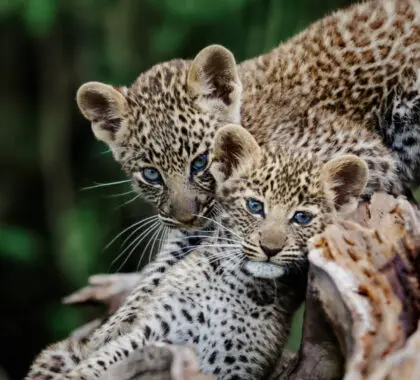
If you travel during the “Green Season” (December to April), you will experience the Mara at its most beautiful. The landscape turns a vibrant emerald green (perfect for photography), the air is incredibly crisp, and it's the peak birthing season for plains game—which means spectacular predator-prey action. Best of all? You'll enjoy significantly fewer safari vehicles around sightings and excellent value-for-money rates at Africa's finest lodges. The Mara's famous resident Big Five and big cats never leave; they are there waiting for you 360 days a year.
Yes, you won’t be entirely off the grid! Even the most remote, romantic luxury tented camps in our portfolio feature some form of electricity. Most run on sophisticated solar-power systems with generator backups. In moist camps you will easily find plug points in your tent to charge your phones, tablets, and camera batteries.
Chat with someone who’s been there – get in touch with one of our Africa Safari Experts to help tailor-make your Masai Mara safari:
Help Me Plan