 1-866-438-8677
 +27-21-481-4900
 1-888-360-2392
 1-800-619-441
 0800-404-9451
 800-852-6502


Popular
All Currencies
No currencies match your search.

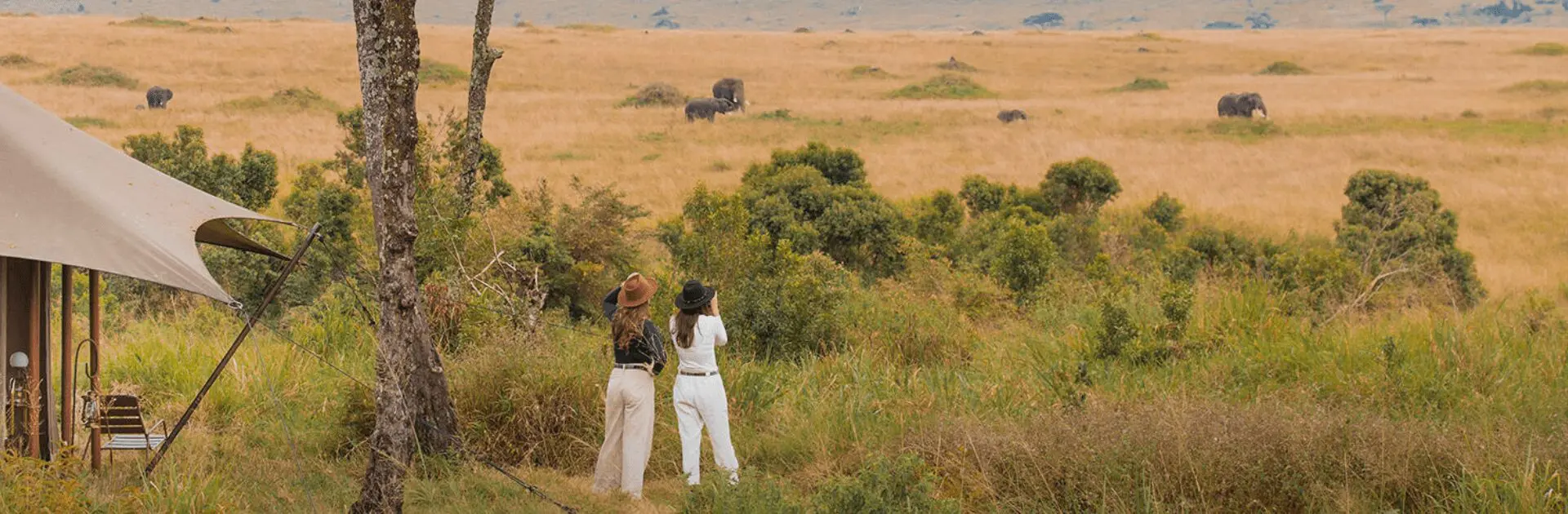
If you're planning your first safari, it's helpful to know how national parks, private game reserves, and conservancies differ.
While the wildlife is often similar, especially in connected areas, your safari can feel very different depending on where you stay. Knowing these differences early helps you choose where to stay and how your safari will come together.
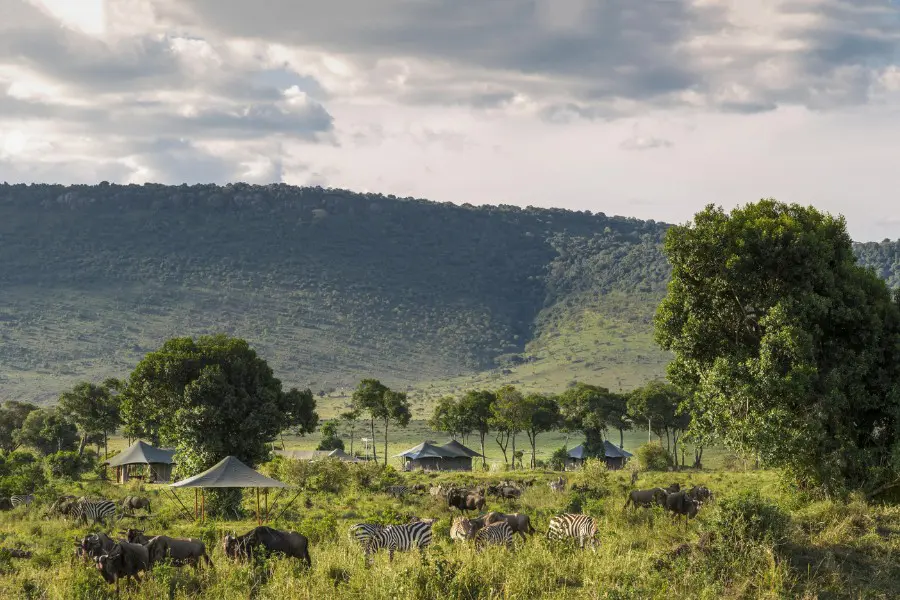
The main differences come down to land ownership, visitor access, and how safari activities are managed.
National parks are run by the government and open to the public. Private game reserves are privately owned, such as Sabi Sands in South Africa. Private conservancies are community-owned and set aside for conservation, often managed with safari partners. For example, Mara Naboisho Conservancy in Kenya is owned by Maasai landowners and managed alongside tourism partners.
These setups influence what you can do during your safari. National parks have set rules, including designated roads and fixed gate hours. Private game reserves and conservancies give you greater flexibility, including guided off-road driving, night drives, and guided walks, which change how you experience wildlife.
Here's a simple way to compare how each option differs:
| Feature Comparison | National Parks | Private Game Reserves | Private Conservancies |
|---|---|---|---|
| Ownership | Government / State | Private individuals or companies | Local communities (leased for conservation) |
| Access | Open to the public / self-drive | Lodge guests only | Lodge guests only |
| Off-road driving | No | Yes (guided) | Yes (guided) |
| Night drives | No | Yes | Yes |
| Crowd levels | High (can be 20+ cars) | Low (2-3 cars per sighting) | Very low (strict limits) |
| Walking safaris | Rarely offered / group only | Commonly offered and guided | Specialised and often more in-depth |
| Price | Budget to mid-range | High-end / Luxury | High-end / eco-boutique |
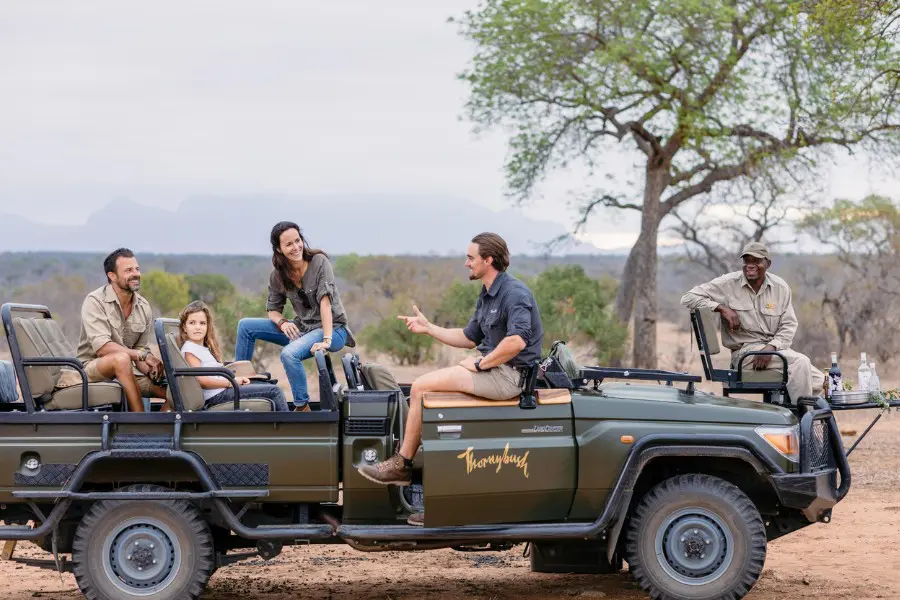
Private game reserves and conservancies are more expensive because they limit guest numbers and include accommodation, guided activities, meals, and drinks in one rate.
The higher cost reflects these differences. You get more space, more time at sightings, and an exclusive way of experiencing the bush. Conservation fees and levies are often included in these rates and go directly towards conservation projects and community programmes in the area.
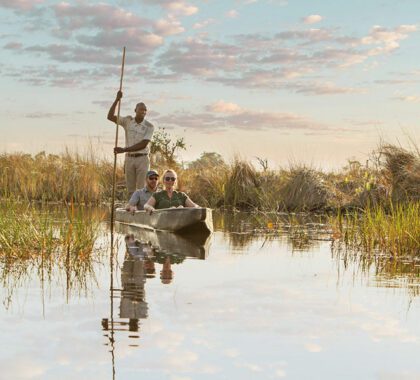
Most private game reserves and conservancies are all-inclusive. Your nightly rate covers your accommodation, guided activities, meals, and some drinks such as soft drinks, local beers, house wines and spirits. Some lodges also include extras such as walking safaris or, in areas like the Okavango Delta in Botswana, water-based activities like mokoro excursions.
What's included can vary from camp to camp, so it’s important to have all the information you need while planning. Your Africa Safari Expert will explain what's covered and help you compare options that meet your individual needs.
In many of Africa's top safari destinations, wildlife moves freely between public and private land.
Regions such as Greater Kruger in South Africa and the Masai Mara in Kenya form part of larger, unfenced landscapes. Animals naturally move between national parks, private game reserves, and conservancies in search of food and water.
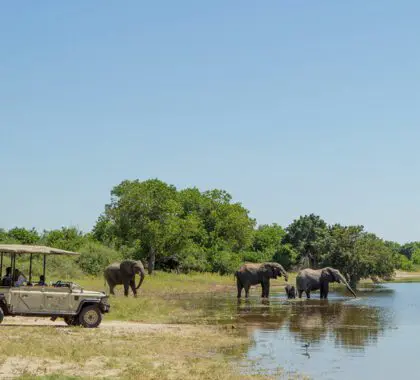
In both national parks and private game reserves, wildlife is explored with a guide, although national parks also allow self-driving. This is most noticeable in how sightings unfold.
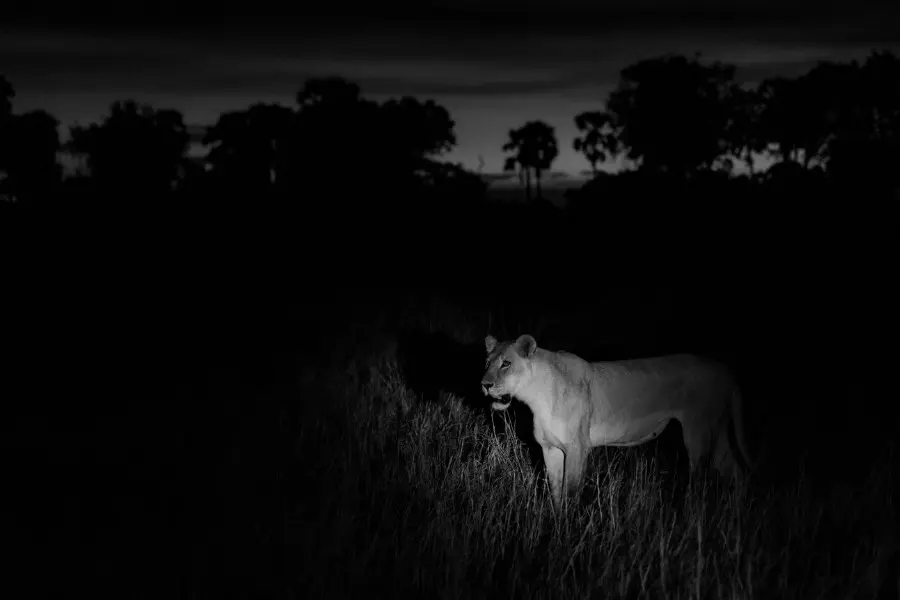
Private game reserves and conservancies also allow guided night drives, revealing a completely different side of the bush. Using spotlights, guides scan for nocturnal activity, carefully tracking movement without disturbing the animals.
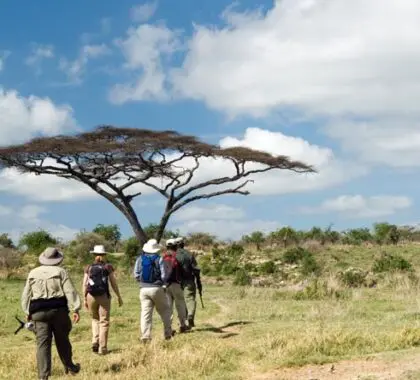
In private conservancies, guided walking safaris are often led by local guides, adding another layer of insight into wildlife sightings. In the Masai Mara, for example, walks are led by Maasai guides, whose knowledge of the land and wildlife brings a different perspective.
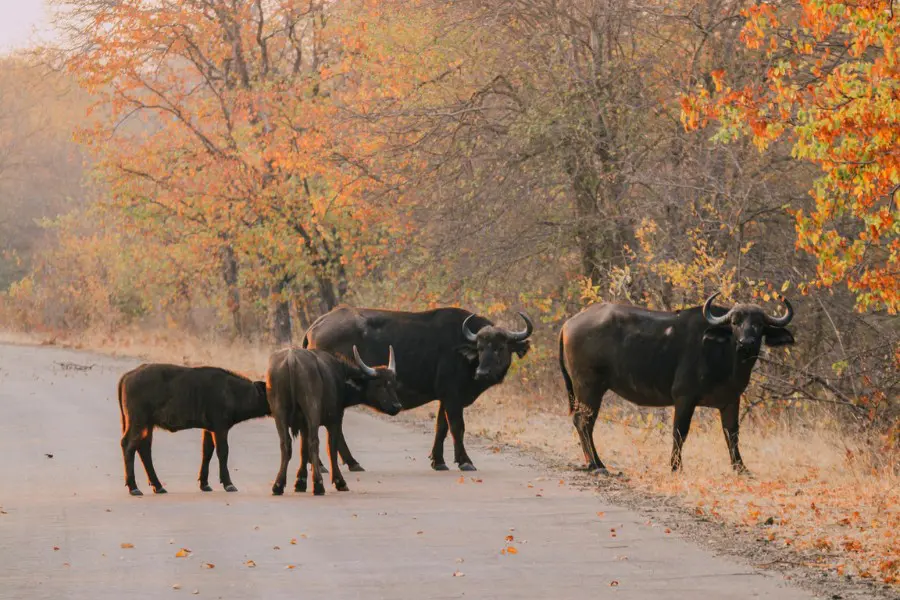
National parks are government-owned and managed areas set aside to protect wildlife and natural habitats. Well-known examples include the Serengeti in Tanzania, Kruger National Park in South Africa, and Chobe National Park in Botswana.
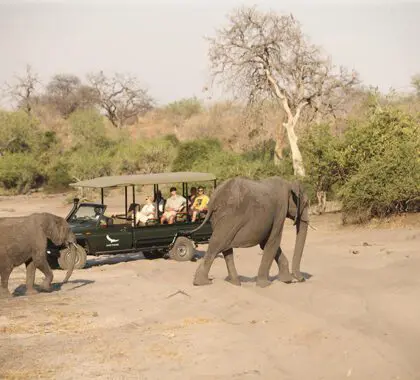
A classic safari choice, national parks cover vast areas with a wide variety of habitats. Visitors can explore independently as self-drivers or join guided game drives. Strict regulations help protect these environments, meaning you must stay on marked roads and within designated areas.
Unlike in private reserves, wildlife viewing in national parks often involves more searching and observation. You'll spend time scanning the landscape and interpreting subtle signs, such as distant movement or changes in animal behaviour. Sightings are sometimes shared between guides and self-drivers, adding a sense of anticipation as you get closer to the action.
There are some limitations. Off-road and night drives aren't allowed, and popular sightings can become crowded during peak safari periods. You must also return to camp before the park gates close, so your time in the bush is limited to daylight hours.
Serengeti National Park, Tanzania:
Known for its scale and the Great Migration, with some of the most consistent wildlife viewing in Africa.
Kruger National Park, South Africa:
One of Africa's most accessible safari destinations, with strong infrastructure and reliable Big Five sightings. You can explore more destinations in our guide to the best national parks and reserves in South Africa.
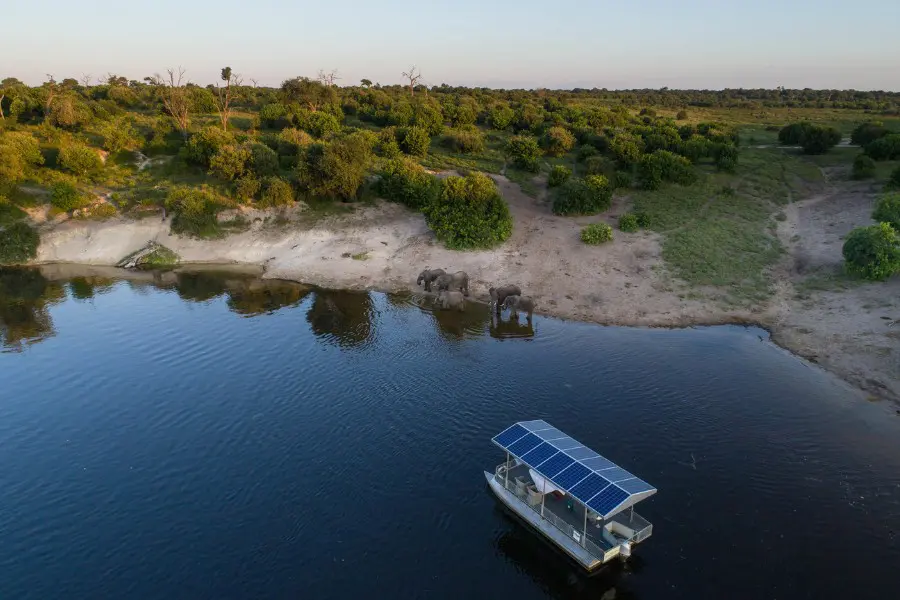
Chobe National Park, Botswana:
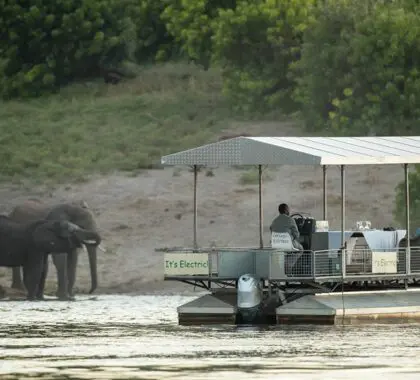
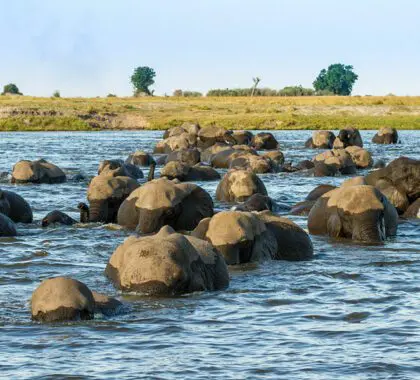
Famous for large elephant herds and river-based game viewing along the Chobe River.
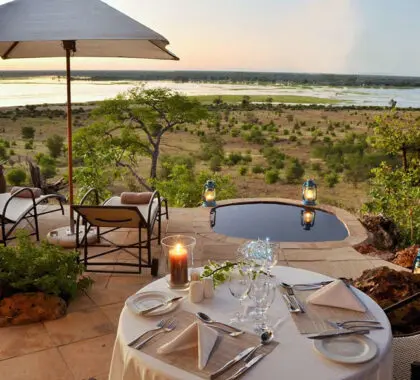
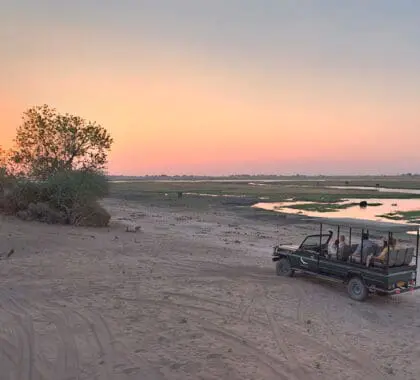
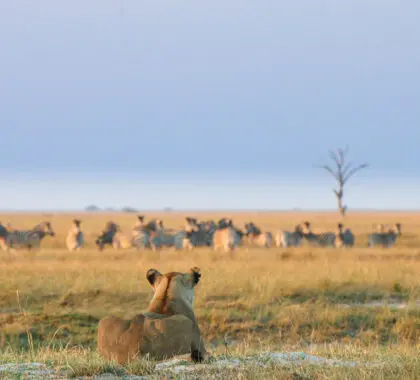
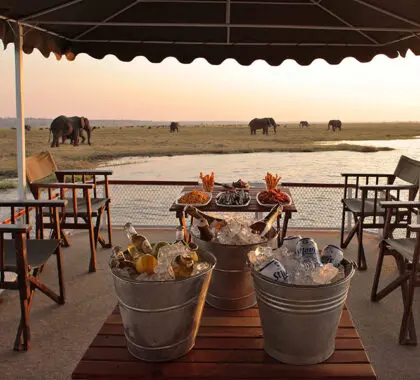
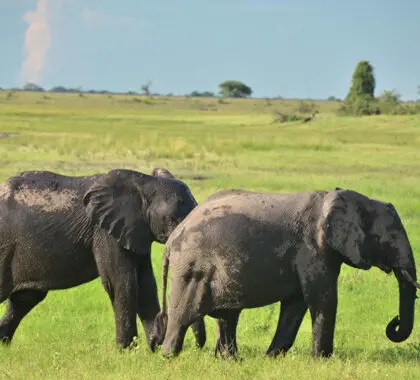
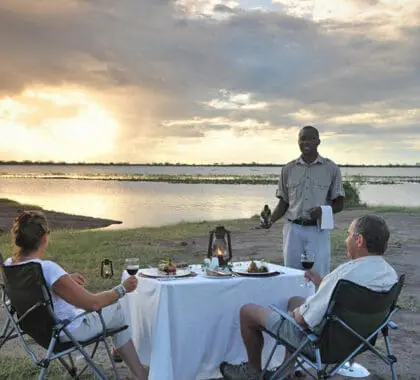
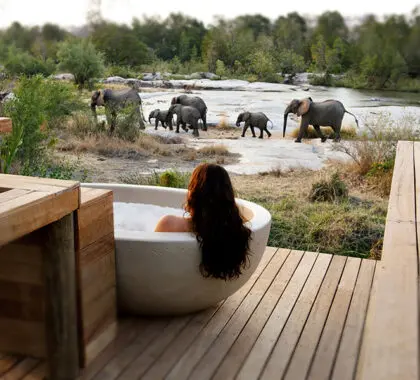
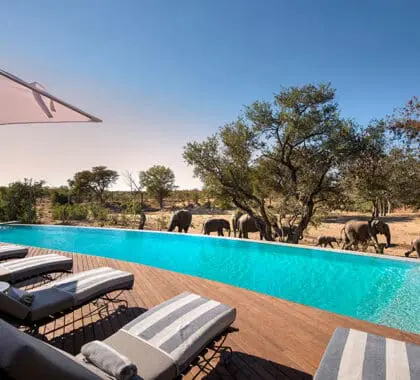
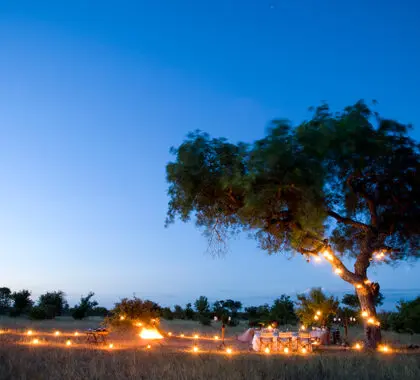
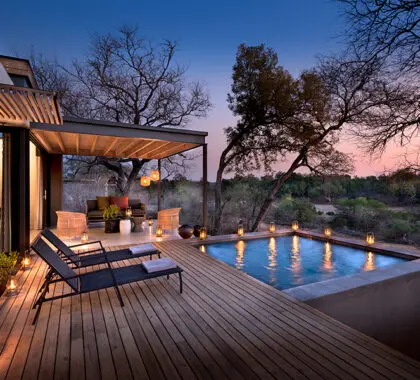
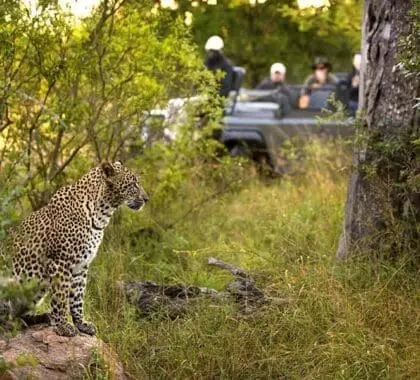
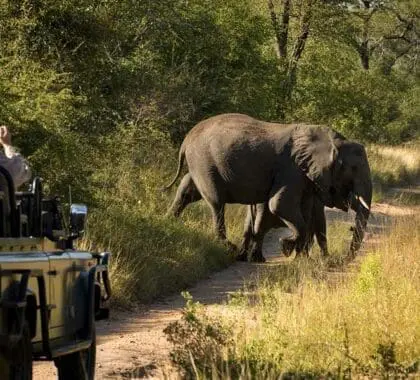
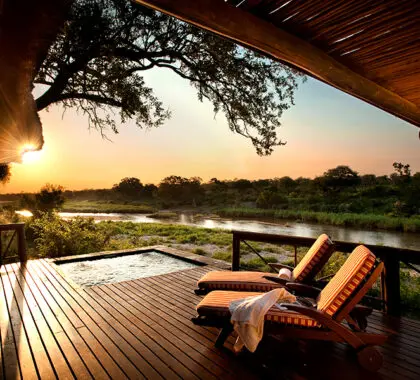
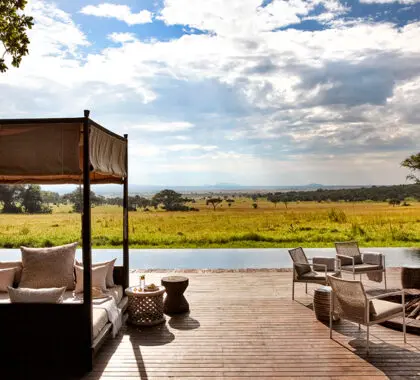
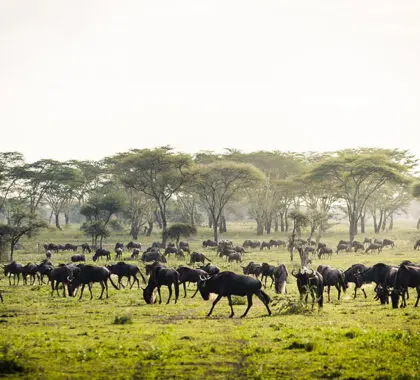
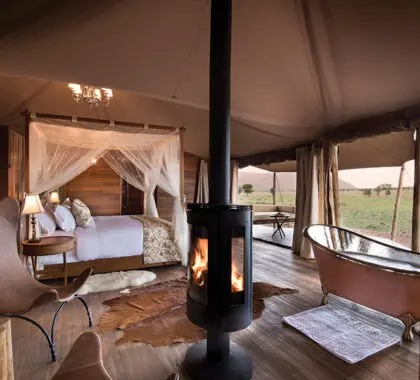
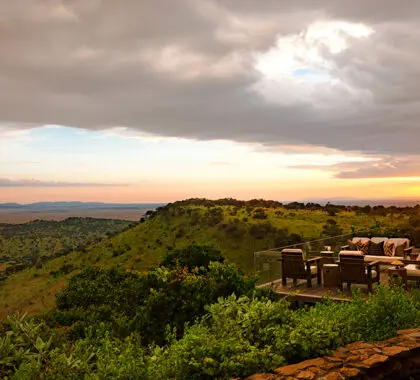
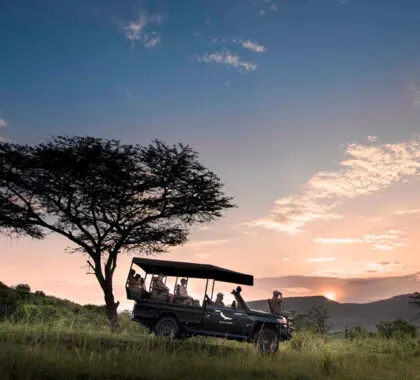
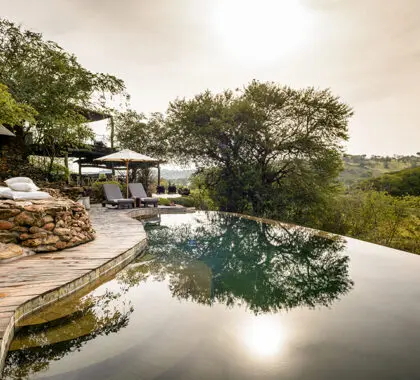
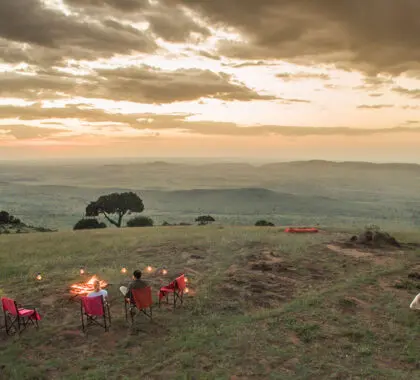
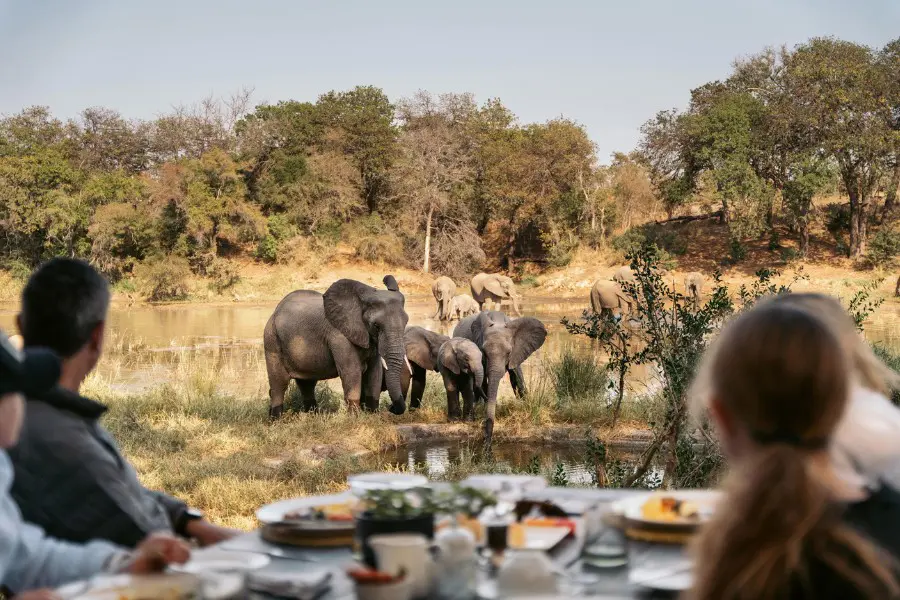
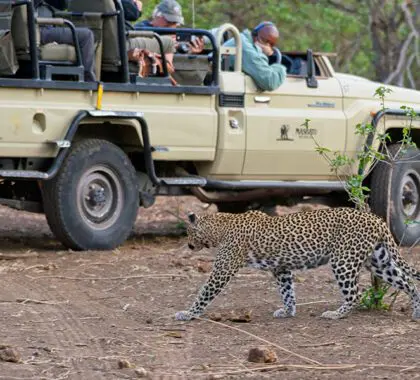
Private game reserves are often located adjacent to national parks and, in many cases, share open boundaries with them. Only lodge guests may enter, resulting in fewer vehicles and a quieter environment.
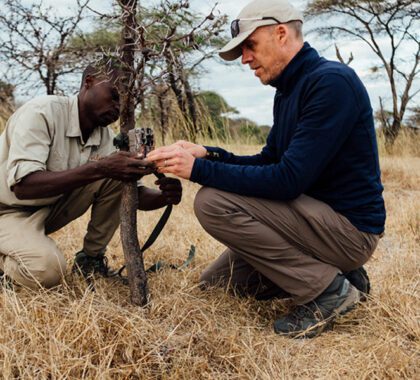
In a reserve, guiding plays a central role. You will be accompanied by an experienced guide and a tracker who can interpret subtle signs in the environment that are easily overlooked. Guides will use tracks, bird calls, and changes in animal behaviour to anticipate wildlife movements. Spending time with your guide and tracker often becomes a highlight of your safari. You'll talk about wildlife, the landscape, and share stories around the fire, which adds depth to your experience in the bush.
Private game reserves provide a wider range of activities than national parks. Night drives reveal a different side of the bush, with nocturnal species coming out, and predators like lions and leopards often on the move. Walking safaris help you notice smaller details, from animal tracks to plant life and subtle wildlife movements you might miss from a vehicle.
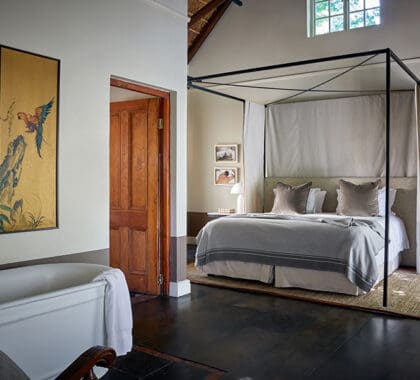
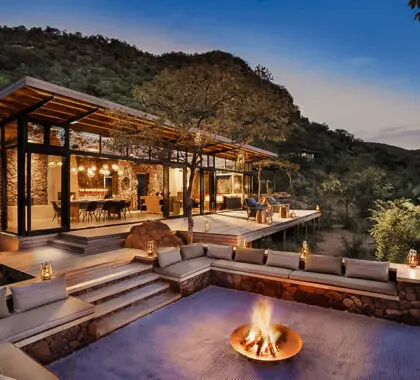
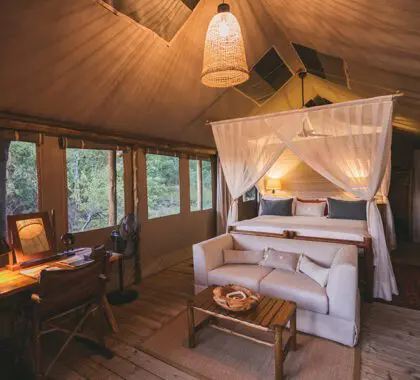
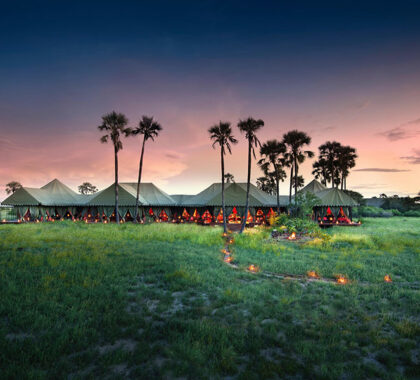
Accommodation in private game reserves is often boutique-style, with a strong focus on comfort and personalised service. Most lodges follow a structured daily rhythm, with set morning and afternoon game drives. However, for guests booking private vehicles or exclusive-use lodges, timing can be more flexible, allowing you to spend longer at sightings or adjust your day depending on what's happening in the bush.
If you want a more guided and consistent safari, private game reserves bring a noticeable shift in both pace and depth.
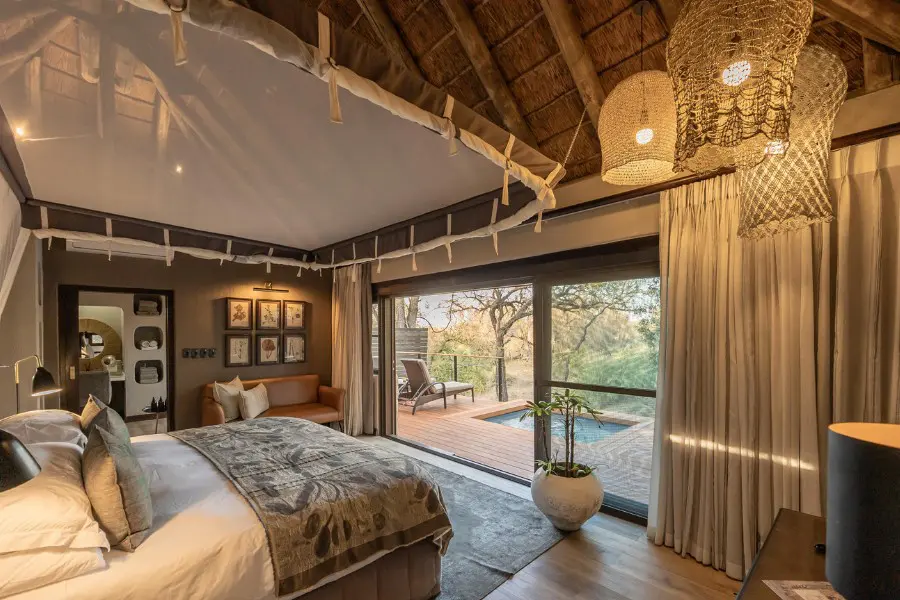
Singita Grumeti Reserve, Tanzania:
Located within the Serengeti-Mara ecosystem, known for low vehicle numbers and strong wildlife viewing.
Thornybush Game Reserve, South Africa:
Part of the Greater Kruger, with strong Big Five sightings and well-established guiding.
Selinda Reserve, Botswana:
Combines land and water-based safari experiences with low vehicle density and varied wildlife.
Explore more in our guide to top private game reserves and conservancies in Africa.
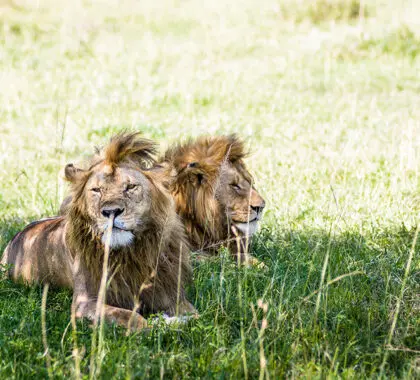
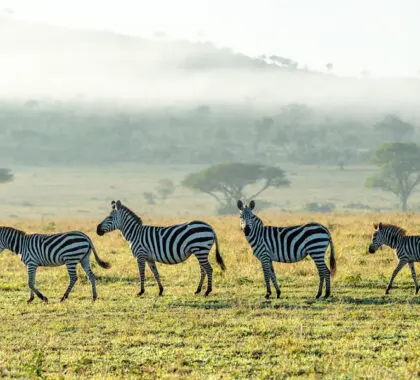
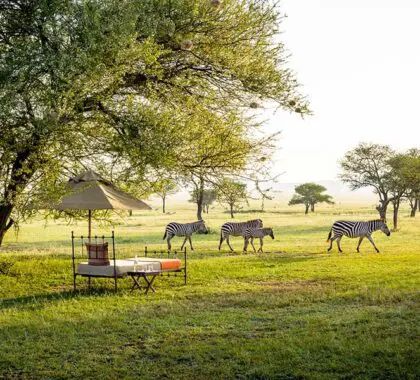
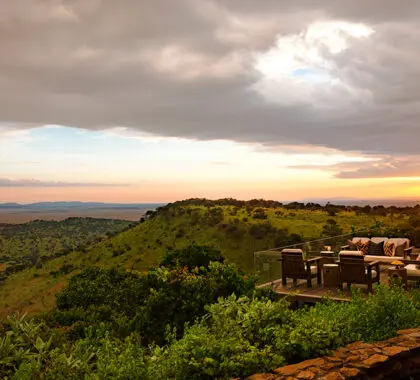
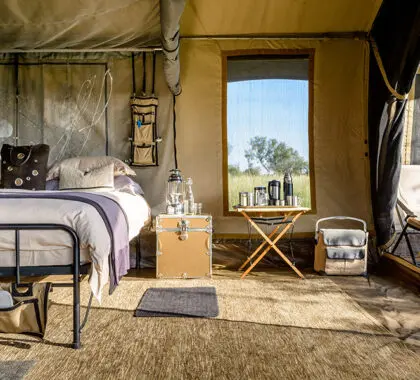
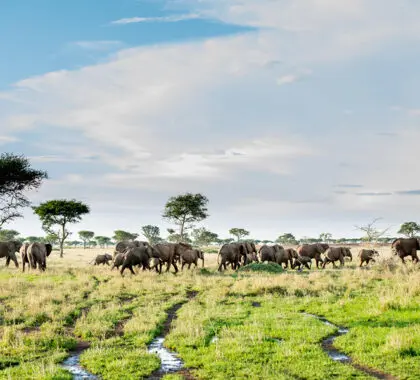
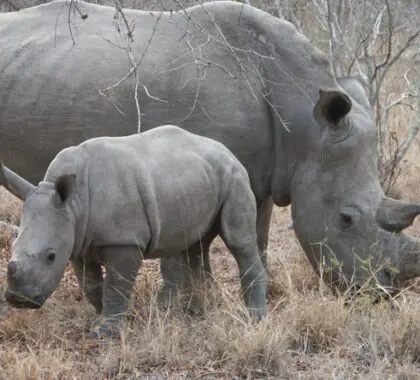
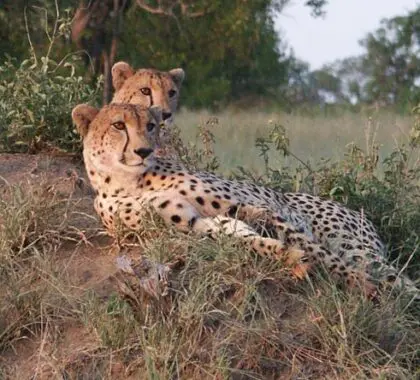
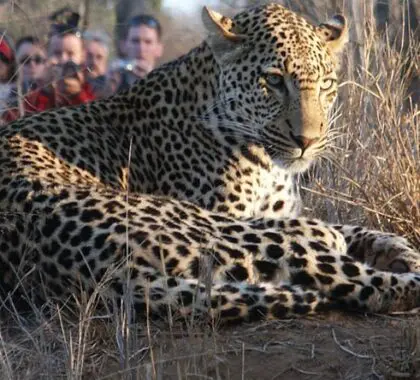
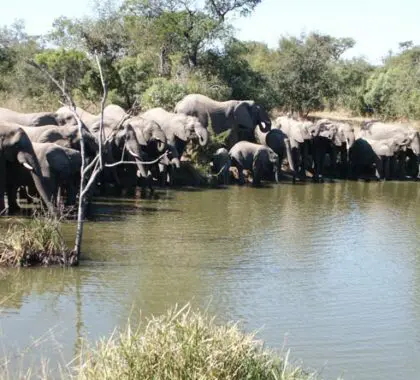
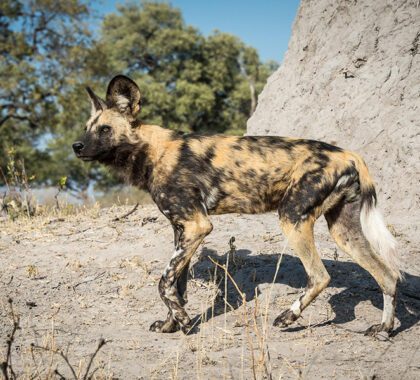
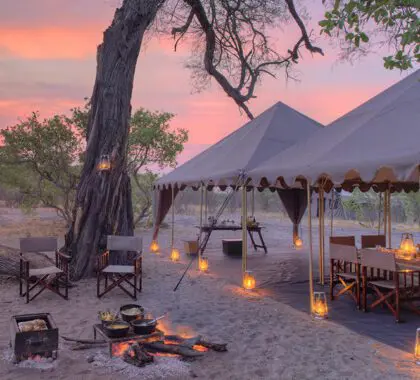
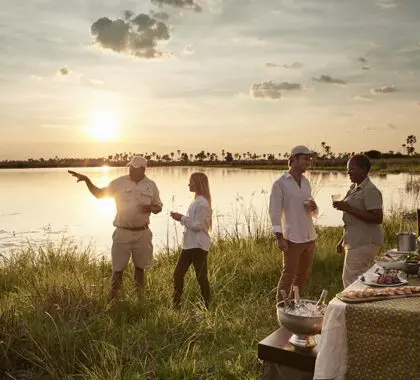
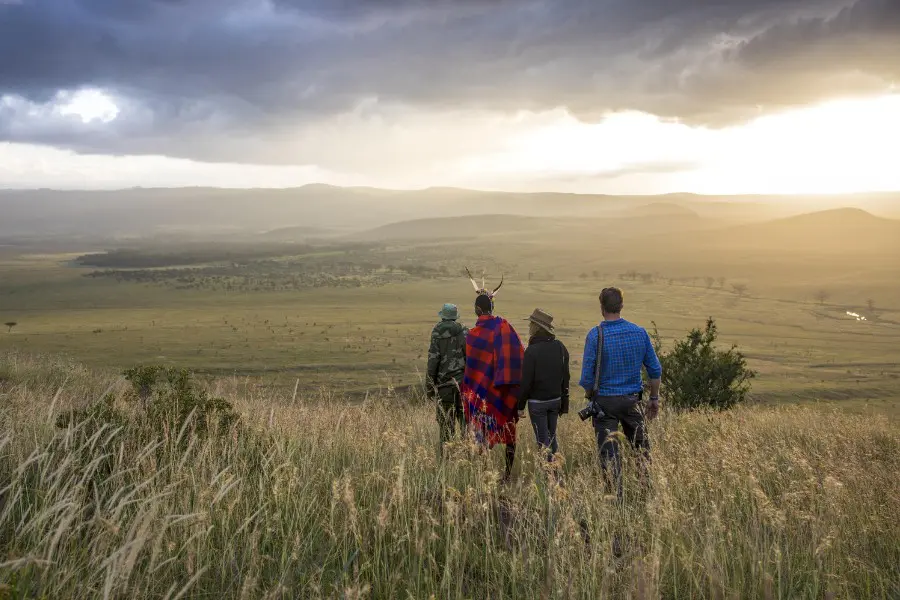
Private conservancies are protected areas set on community-owned land, where wildlife conservation and tourism work together. In places such as the Mara Naboisho Conservancy in Kenya, Maasai landowners lease land for conservation, creating a direct link between tourism and local livelihoods.
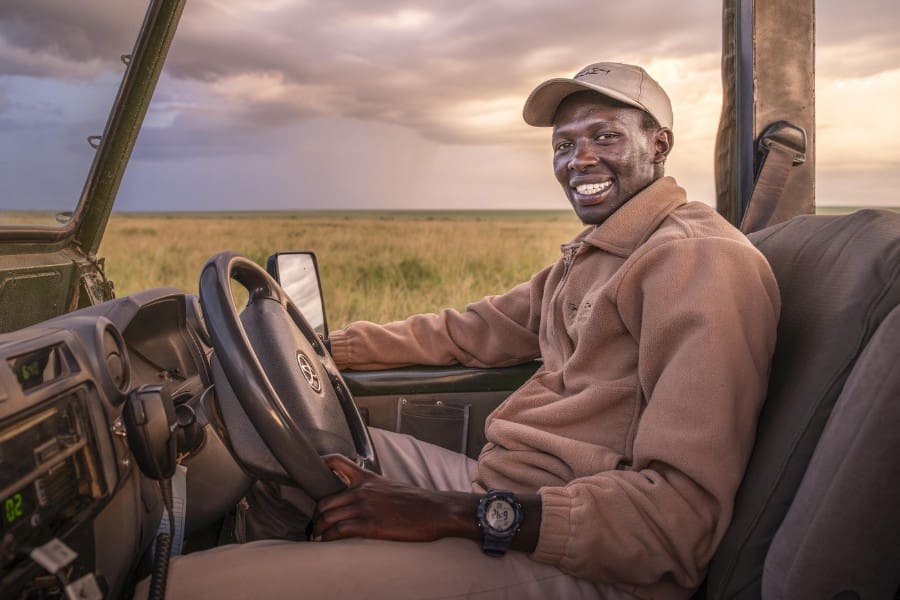
Revenue from lodges supports employment, education, and infrastructure, while reinforcing the importance of protecting wildlife. On the ground, this connection is often subtle but meaningful. Your guide may have grown up in the area, reading the landscape through both wildlife behaviour and long-standing local knowledge.
Activities are similar to those in private game reserves, with the flexibility to go off-road, take night drives, and explore. Over the course of your stay, the pace naturally slows, with time spent following tracks on foot, watching how animals move through the landscape, or sitting with a sighting without needing to move on.
If you are interested in both wildlife and the broader impact of your journey, conservancies provide a more thoughtful and connected safari experience.
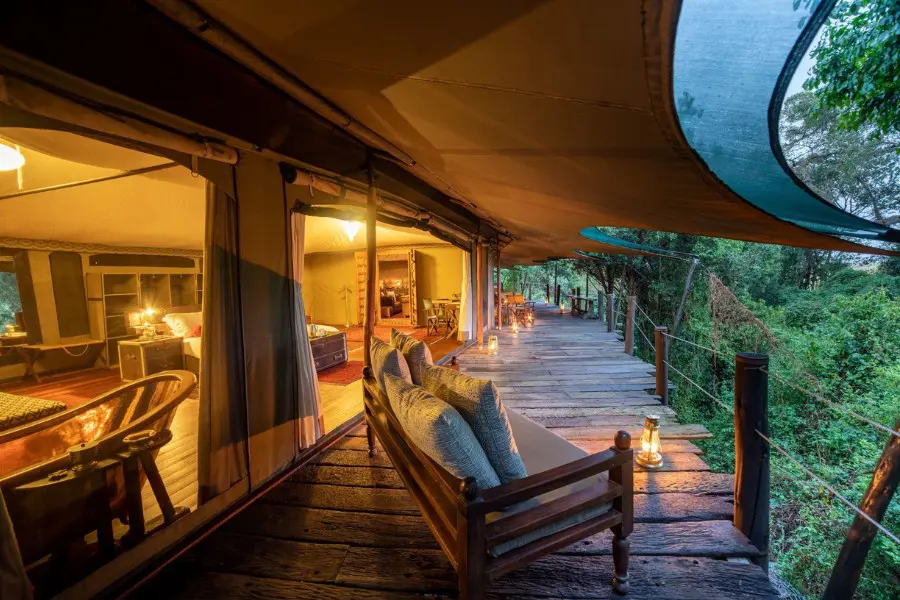
Mara Naboisho Conservancy, Kenya:
Known for strong predator sightings and fewer vehicles, set alongside the Maasai Mara ecosystem.
Olare Motorogi Conservancy, Kenya:
Known for low vehicle density and consistent wildlife viewing, particularly big cats.
Lewa Conservancy, Kenya:
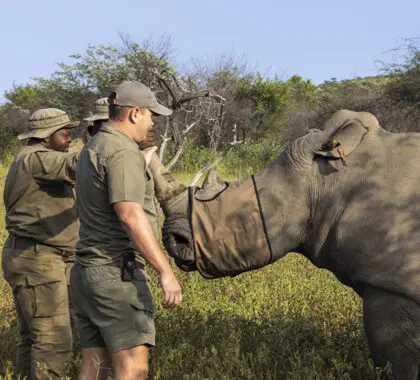
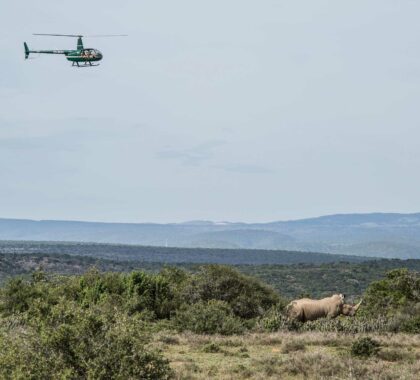
A leading conservation area with a strong focus on rhino protection and community involvement.
Neither is necessarily better. Each setting suits a different kind of safari and traveller type. National parks suit travellers looking for a more independent way of exploring and lower costs, while private game reserves provide more exclusive, guided safaris with better access to wildlife through off-road driving and fewer vehicles.
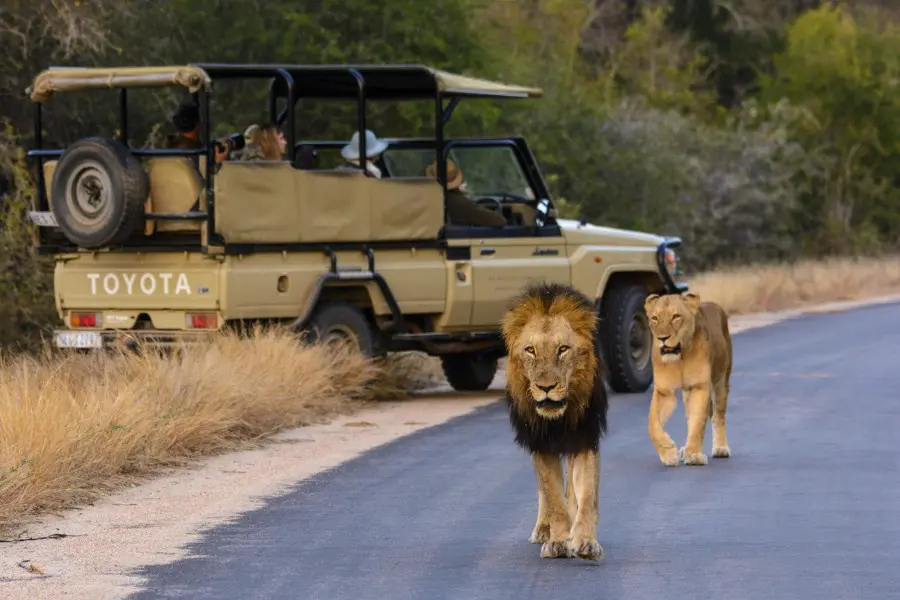
Kruger National Park and the surrounding private game reserves, including the Greater Kruger private reserves, form a single, unfenced landscape. Since 1993, when the fences were removed, wildlife has moved freely across the entire area. However, your safari experience in each setting remains distinct.
In Kruger National Park, you can explore independently, cover long distances, and see many different environments.
In the private game reserves of Greater Kruger, your experience is exclusive. Guided drives, off-road access, and limited vehicle numbers allow for a more intimate safari experience.
The right choice depends on how you want your safari to feel. National parks suit travellers looking for a more independent way of exploring, while private game reserves provide a fully guided experience with fewer vehicles and closer wildlife sightings.
Here's a simple way to compare how each option differs:
| Feature Comparison | Kruger National Park | Greater Kruger |
|---|---|---|
| Access | Public / self-drive | Lodge guests only |
| Driving | On road only | Off-road allowed (guided) |
| Vehicles at sightings | Can exceed 10-20 vehicles at a sighting | Limited (2-3) |
| Guiding | Self-drive or group | Private guide and tracker |
| Hours | Gate times apply | Flexible hours, including night drives |
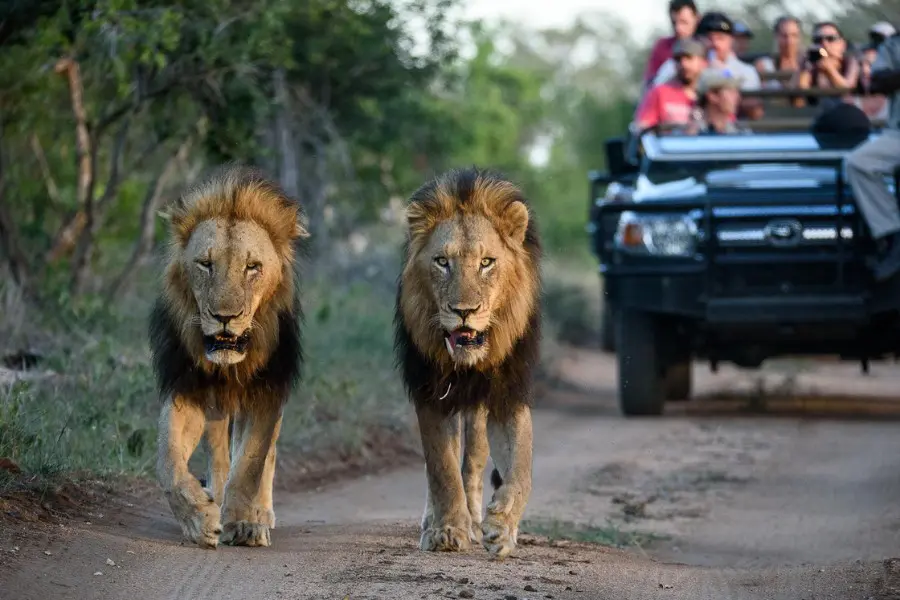
Choose Kruger National Park if:
Choose Greater Kruger if:
Access to Kruger National Park is separate. Guests staying in private game reserves do not automatically have access and would need to enter through the park gates.
No. Wildlife moves freely across the wider shared landscape.
Yes, but they operate under different rules than the surrounding private game reserves.
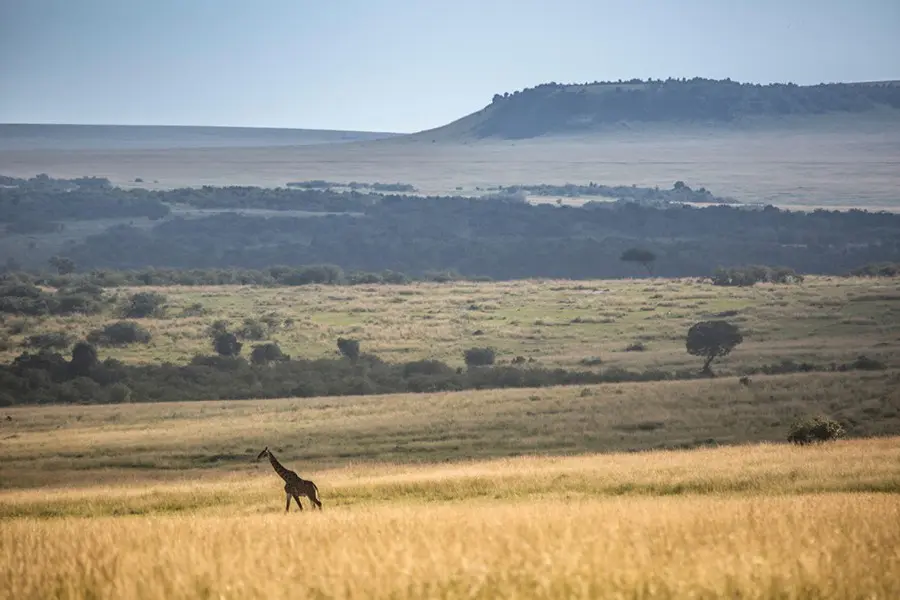
A similar contrast can be seen in Kenya's Masai Mara region.
The Masai Mara National Reserve is known for its scale and for the dramatic river crossings during the Great Migration. The migration involves millions of grazing animals, including wildebeest and zebra, moving between Tanzania and Kenya, with peak crossings typically occurring between July and October. Exact timing does vary with rainfall and herd movement.
The private conservancies surrounding the reserve give you a quieter alternative. Visitor numbers are limited and activities are more flexible, including off-road driving, night drives, and walking safaris. While you may not see the river crossings, you can still observe the migration in a less crowded setting, often with excellent predator activity.
If you want to see major events like river crossings, the reserve is the best option. If you prefer a more private and flexible experience, private conservancies provide a different perspective on the migration and predator activity.
Here's a simple way to compare how each option differs:
| Feature Comparison | Masai Mara National Reserve | Private Conservancies |
|---|---|---|
| Vehicle density | High (often 10-20+ vehicles at popular sightings) | Very low (often capped at 5 vehicles per sighting) |
| Off-road driving | Not allowed | Allowed with a guide |
| Night drives | No | Yes (guided) |
| Walking safaris | Limited | Common and guided, often with Maasai guides |
| Community impact | Government-managed | Direct to communities |
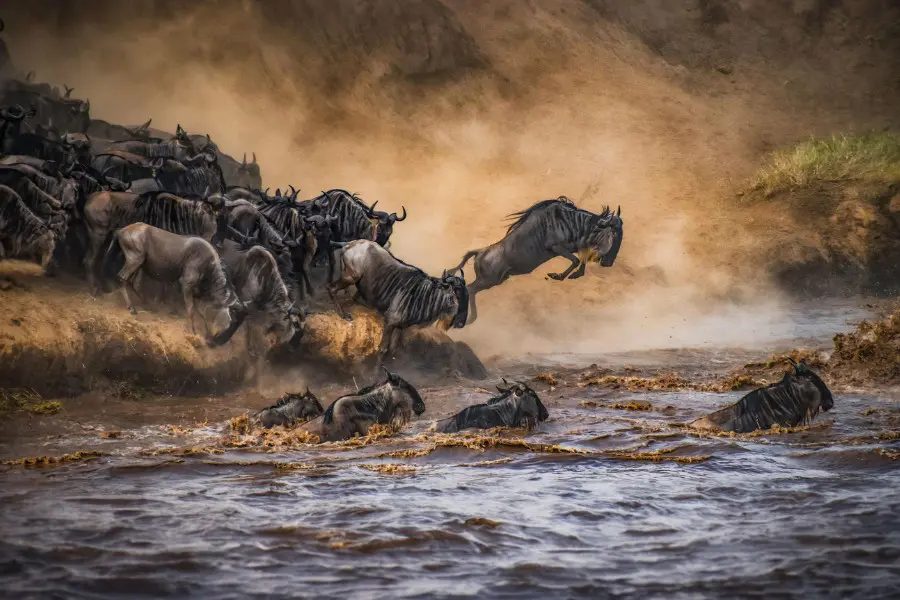
River crossings usually occur between July and October, when herds attempt to cross the Mara River, often with crocodiles present.
Private conservancies give you a different feel. You can still see large herds of wildebeest and zebra, but with fewer vehicles and more time to observe animal behaviour at each sighting.
You can explore more in our guide to the Great Wildebeest Migration.
Choose the Masai Mara Reserve if:
Choose Private Conservancies if:
Yes, you can experience the Great Migration while staying in a private conservancy, including large herds and strong predator activity in a quieter setting.
While the dramatic Mara River crossings take place inside the National Reserve, most lodges in nearby conservancies include access to game drives into the reserve (with additional park fees). This allows you to witness river crossings while still enjoying the exclusivity and low vehicle density these conservancies are known for.
National Parks give you space, variety, and freedom. Private game reserves bring a more guided, premium safari. Private conservancies combine strong wildlife viewing with a deeper connection to local communities and positive impact.
Instead of picking just one, many travellers find that combining different types of safaris gives them a greater understanding of the landscape. By spending time in both a national park and a private game reserve, you can see the differences first-hand and get a better sense of how each setting changes the pace and feel of your safari.
If you're unsure which option is right for you, speaking to one of our Africa Safari Experts can help match your travel style with the right safari experience.