If you're looking for the ideal African safari destination packed with excellent wildlife sightings, and fantastic lodges and camps, they don't get better than South Africa's Kruger National Park and Botswana's Chobe National Park and Okavango Delta. Kruger is one of the biggest game reserves on the continent and well-established as one of the best safari destinations for first-time visitors to Africa. Botswana, on the other hand, is home to the magnificent elephant empire of Chobe and one of nature's true masterpieces, the Delta.
Location & Landscape
1. Location and Landscape
Botswana
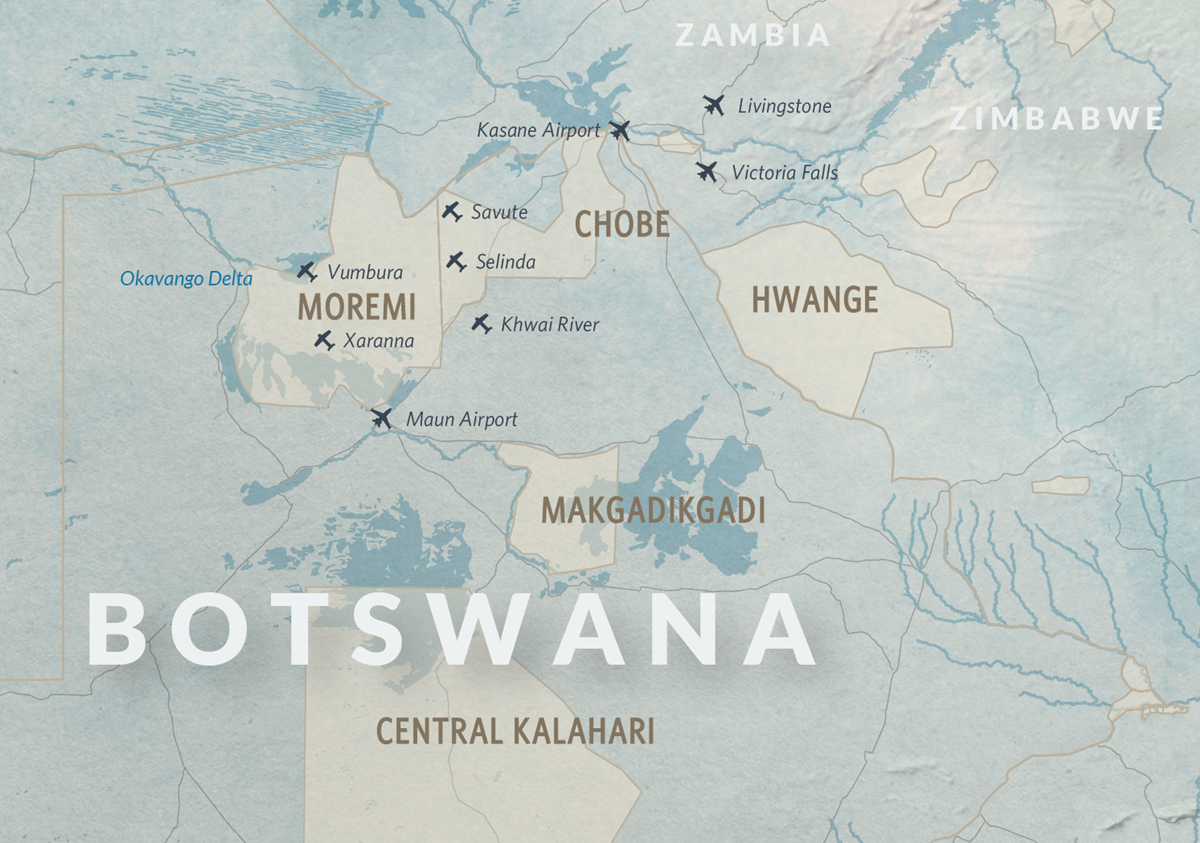
Landlocked Botswana is the 48th-largest country in the world, about the size of France. Although more or less 70 percent of its mostly flat landscape is dominated by the Kalahari Desert, Botswana is home to one of the biggest inland deltas on Earth, the pristine Okavango.
The Okavango Delta as a Safari Destination
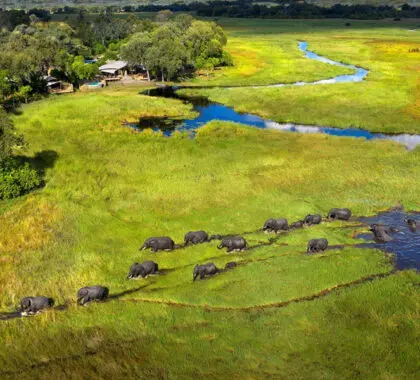
Arguably one of our planet's last-remaining Gardens of Eden, the Delta is an emerald-green paradise in the middle of the Kalahari Desert and a World Heritage Site. Permanent wetlands situated in the north-western corner of Botswana, the Delta's maze of channels, floodplains and woodlands are teeming with wildlife. Most of the eastern side of the Delta is protected by the beautiful Moremi Game Reserve.
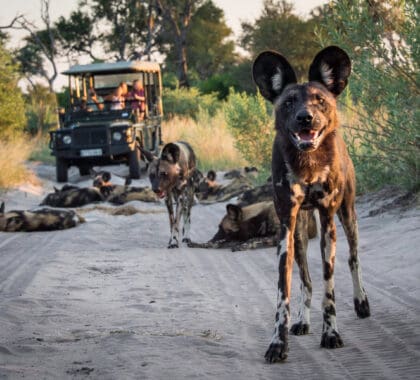
Chief's Island is at the Delta's heart, a permanent dry land about a third the size of New York's Long Island. It's part of the Moremi Game Reserve and home to major predators, including rare wild dog.
Several private concessions are clustered around Moremi. These are clearly defined, exclusive-use areas of the Delta that are run by individual operators. Safari lodges in these private concessions offer game viewing as good as Moremi's but with far fewer crowds, regulations and restrictions. You can, for example, drive off-road and at night to get to sightings.
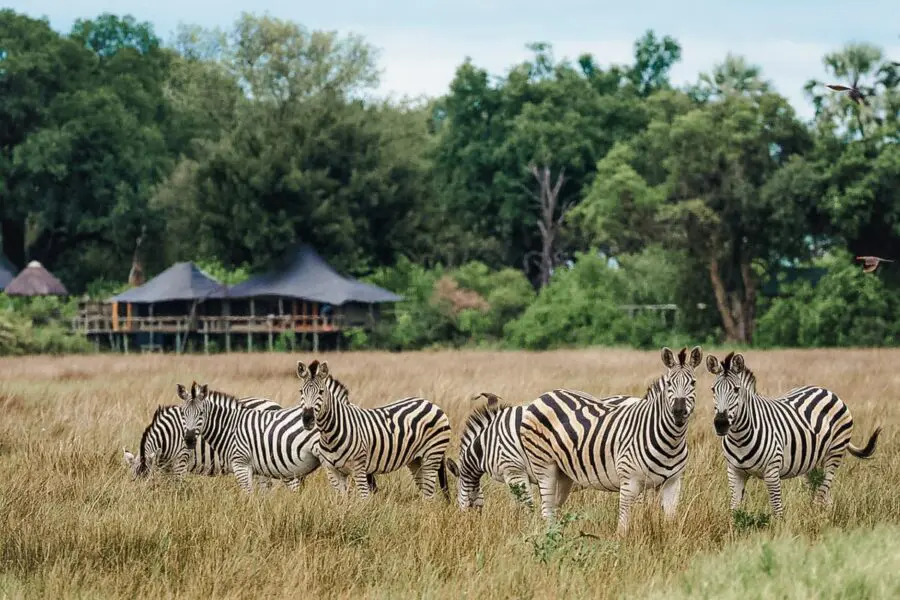
Zebra grazing in front of camp | Mombo Camp on Chief's Island
Chobe National Park as a Safari Destination
Botswana's first and most biologically diverse national park is home to around 70,000 elephants – one of the biggest populations in Africa. Chobe can be divided into three distinct areas:
Chobe River – lush floodplains and dense woodlands bordered by the Chobe in the northeast (a major watering spot for wildlife and one of the only places in Botswana where you can see the puku antelope). It is in close proximity to Victoria Falls (day trips are possible) and a safe haven for Africa's densest concentration of elephants.
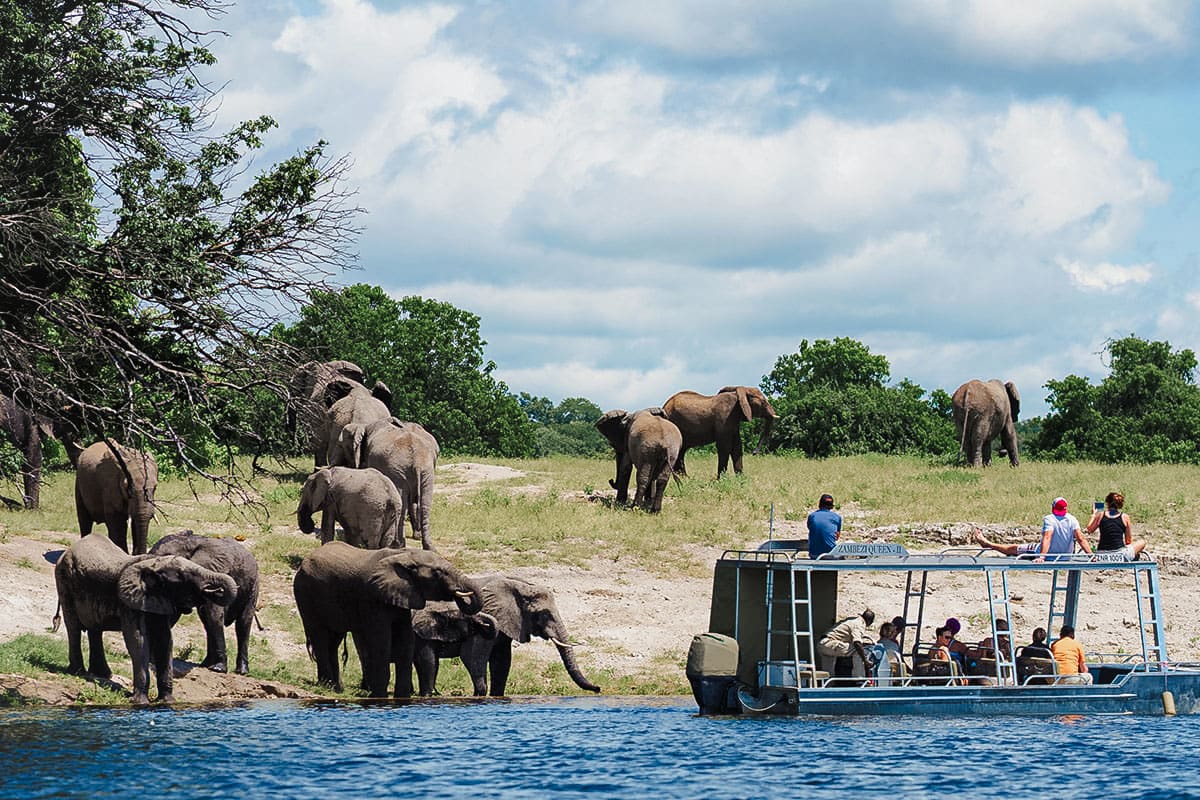
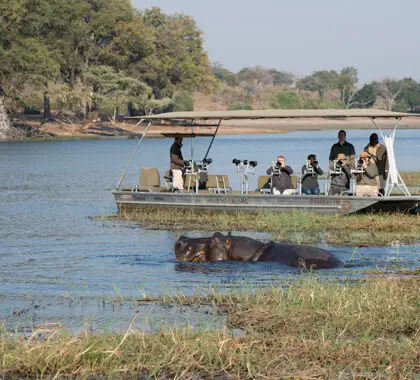
Enjoy water-based game viewing in Chobe National Park | Go2Africa
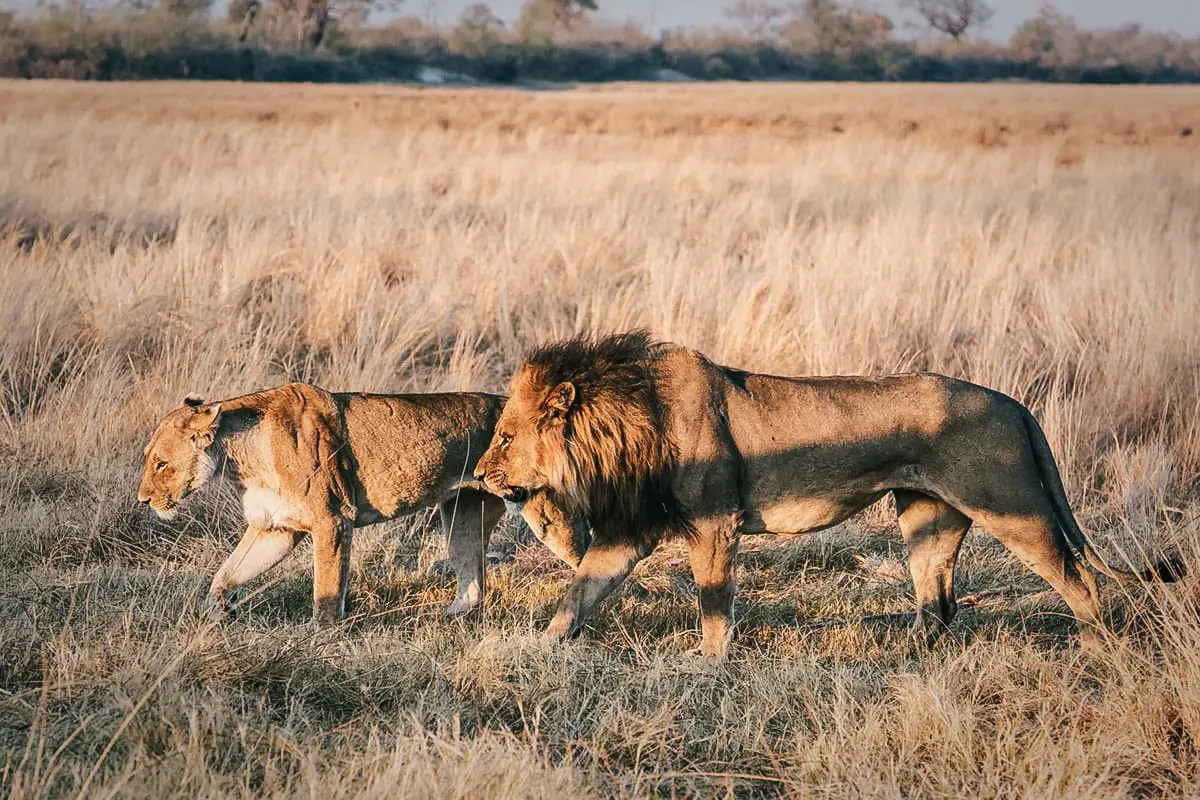
Savuti – fed by the very erratic Savuti Channel (now flowing for the first time since 1982), this mysterious region is covered with savannahs, rolling grasslands and hundreds of dead trees along the channel's bank. Savuti is famous for the epic battles between large lion prides and hyena clans for food and territory, as well as the powerful lions that take down Africa's biggest game like buffalo, giraffe and even elephants. Only accessed by air, Botswana's ‘predator capital' is a heavy hitter among safari aficionados.
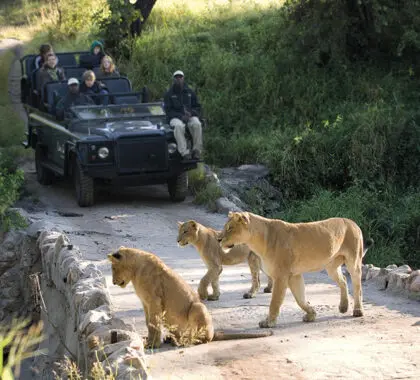
Lions spotted at Savuti Camp | Savuti Camp
Linyanti – wedged between Chobe, the Delta and Namibia's Caprivi Strip, this region is wild, very remote and was once part of a great inland lake. Its wide rivers and spreading floodplains harbour a plethora of wildlife and offer some of the best birdwatching in Southern Africa, home to many rarities and majestic raptors.
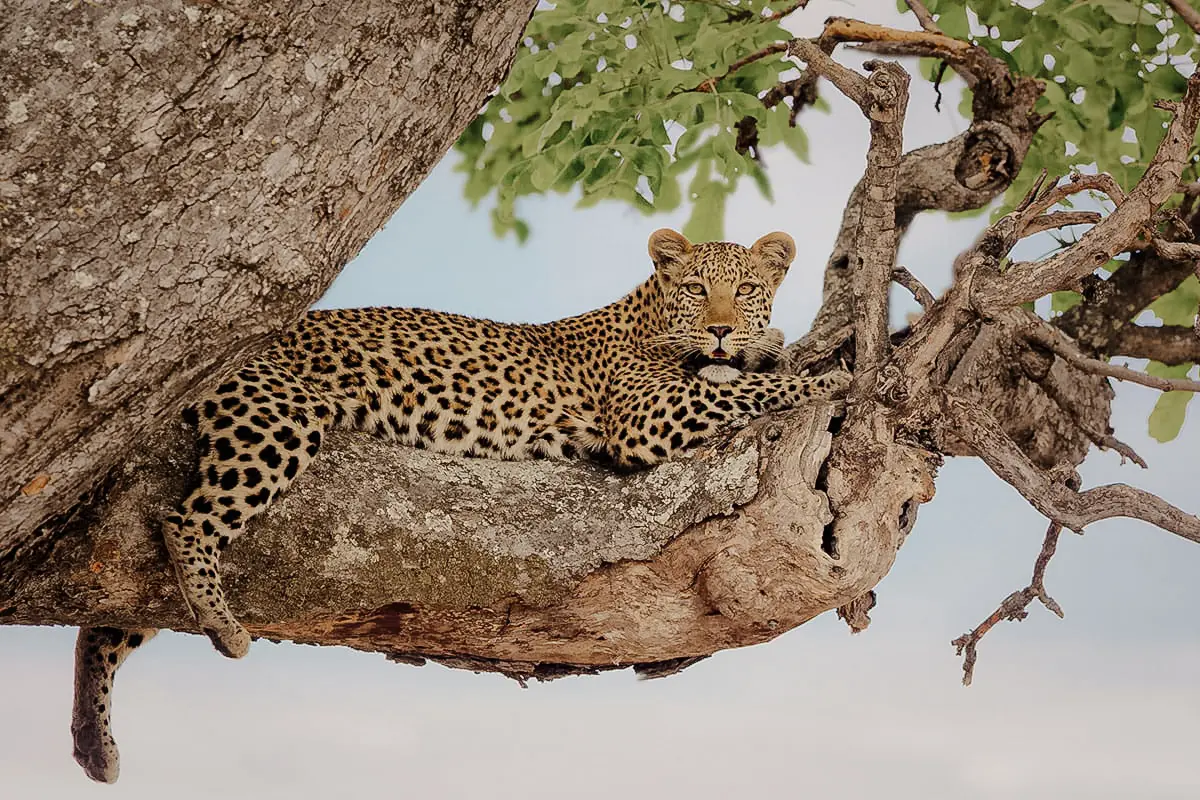
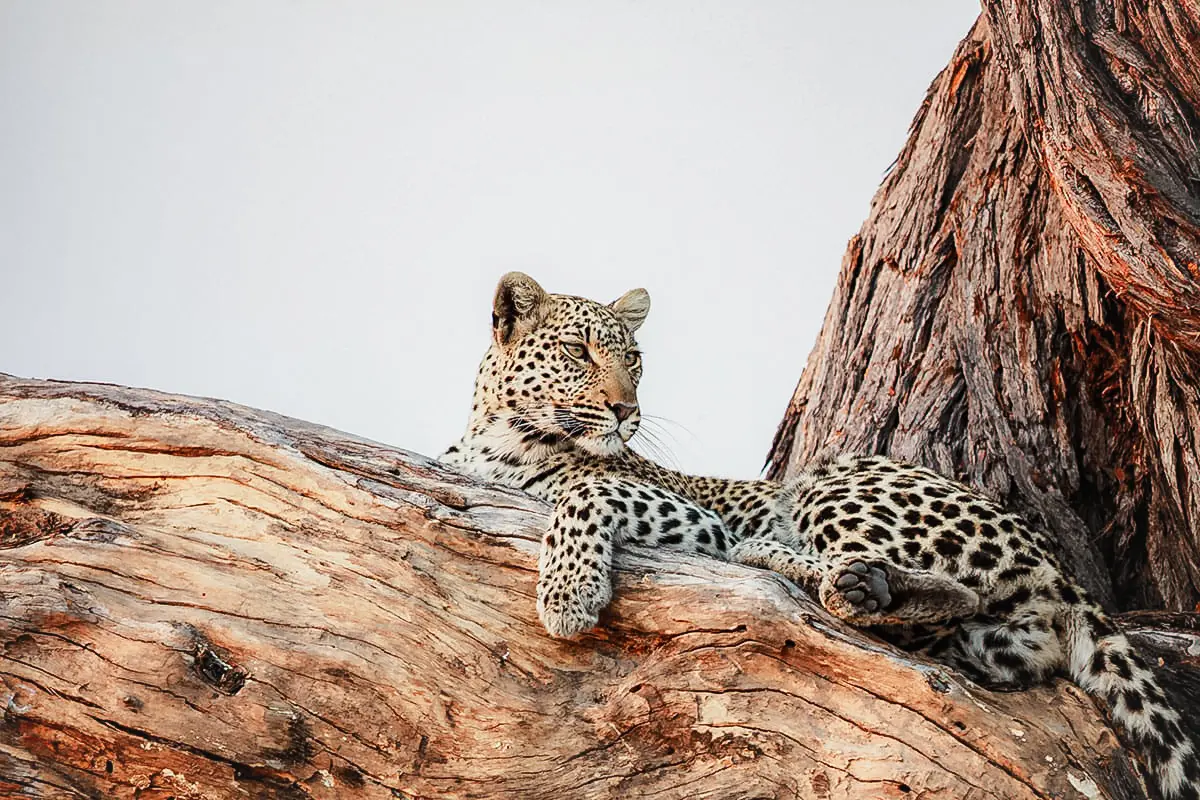
Leopard at Kwando Lagoon in Linyanti | Kwando Lagoon Camp
The Kruger National Park as an African Safari Destination
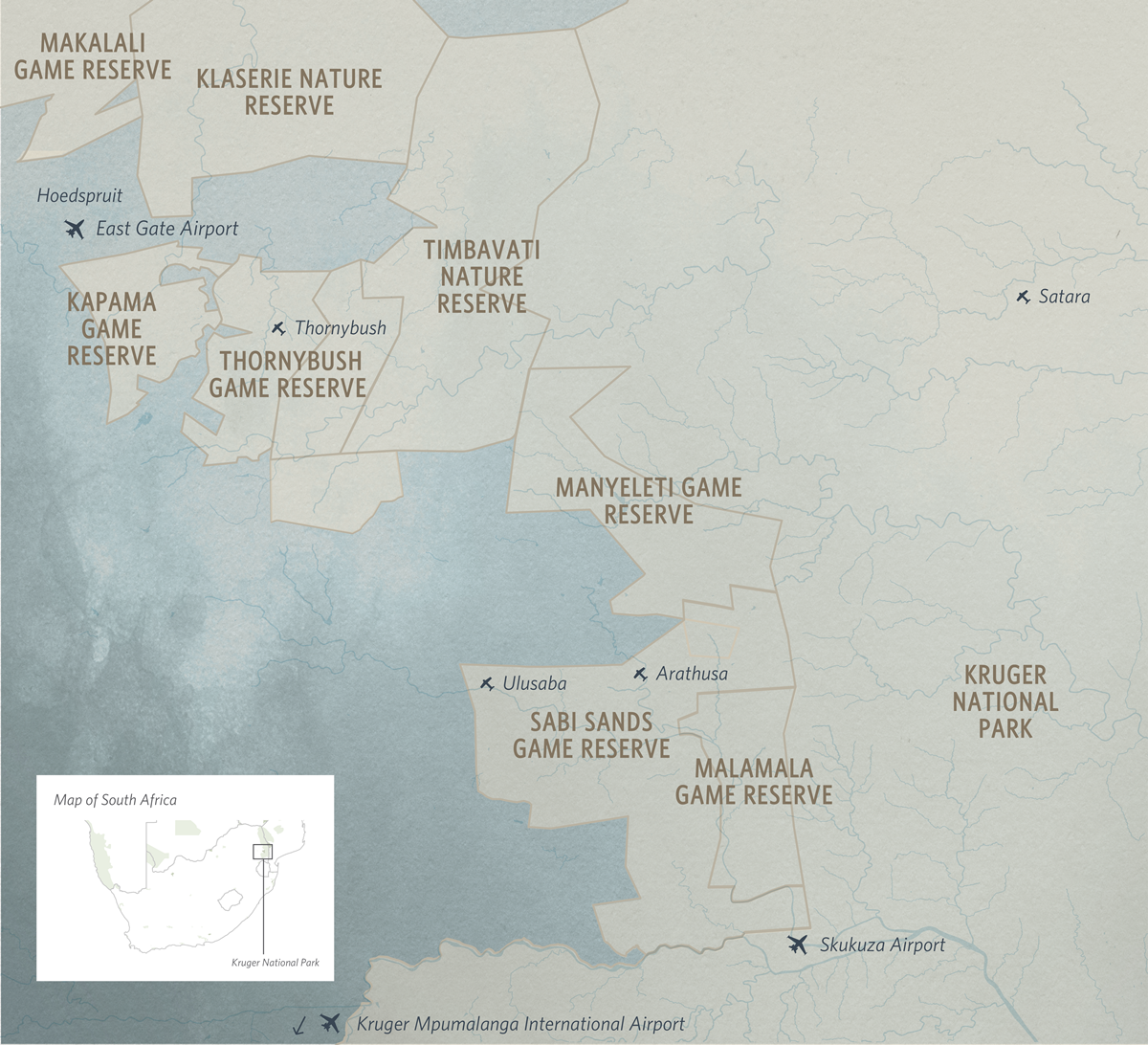
This legendary park lies in the north-eastern part of South Africa and is one of the continent's biggest game reserves – almost the size of Israel. It was first proclaimed a protected area in 1898 and is now part of the Great Limpopo Transfrontier Park, a peace park (transboundary protected area) that links up with the Limpopo National Park in Mozambique and Zimbabwe's Gonarezhou National Park. Kruger also shares borders with private reserves like Thornybush, Sabi Sands, MalaMala and Timbavati.
The Kruger is synonymous with thorny acacia trees along its rivers, and many marula and mopane trees. The eastern half of the park is the most important grazing area, providing red and buffalo grass species as nourishment for its resident herbivores.
Neighbouring Areas
The Limpopo River is Kruger's natural northern border with Zimbabwe, while the Crocodile River is the park's southern boundary. The Lebombo Mountains to the east separate the park from Mozambique. To the west lies Phalaborwa, the only town in South Africa that borders the Kruger, and Nelspruit which is home to Kruger-Mpumalanga International Airport.
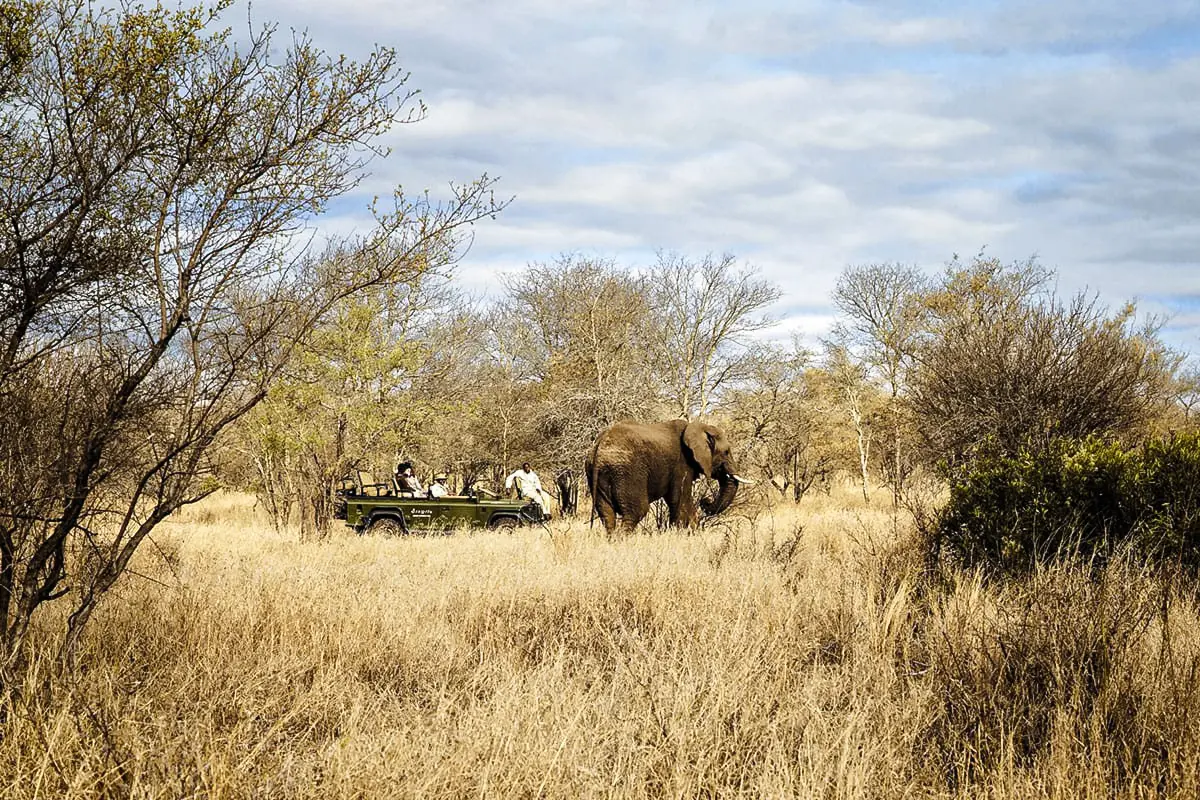
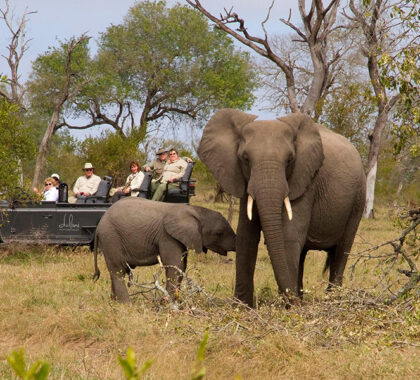
Watching elephants in the Singita concession of the Sabi Sands | Singita
BOTSWANA
KRUGER NATIONAL PARK
Shares borders with
Zambia, Zimbabwe, South Africa and Namibia
Zimbabwe and Mozambique
Terrain
About 70% is semi-desert (Nxai Pan, Makgadikgadi and the Central Kalahari)
The Okavango is the world's largest inland delta
Savannah areas around the Chobe River
Open woodland or dense acacia scrub
Studded with giant trees and rocky hills known as ‘koppies'
Main conservation areas
Okavango Delta
Moremi Game Reserve
Chobe National Park (including Savuti and Linyanti)
Central Kalahari
Makgadikgadi Pans
Nxai Pan
The entire national park
Private reserves along the Kruger's western boundary (Sabi Sands, Thornybush, Timbavati, and more)
Private concessions within the national park (Imbali, Tinga, and more)
Cost & Budget
2. Costs: Botswana Safari vs Kruger Safari
It's really tricky to give exact costs for any safari. There are many variables that can influence your budget like:
What time of year do you want to travel?
How luxurious a stay do you want to have?
Do you want to stay in private reserves and concessions?
Do you want to fly or drive between destinations?
The general rule of thumb is, the more budget you have available for your safari, the more private and exclusive you can go. Other than personalised service in luxurious camps and lodges, the biggest benefit of staying in a private concession is the quality of game viewing that you will enjoy. National parks can get extremely crowded, especially during peak safari season, and most of the time you'll have to share animal sightings with other vehicles and groups. A private safari means you have access to a private guide, vehicle and an exclusive-use piece of wilderness to explore. You'll also be able to go on guided walks and spot-lit night game drives – activities not allowed in the public parks.
The following tables provide approximate costs for a safari in Botswana and the Kruger. These estimates are based on a price-per-person-per-night, including accommodation and transfers:
Botswana
4-star comfort
4-star luxury
5-star luxury
Low
High
Low
High
Low
High
$550
$700
$725
$1,150 – $1,250
$1,300
$1,650 – $2,600
INSIDER'S TIP: In most cases, a safari in Botswana is more expensive than one in the Kruger, as you can usually only fly between destinations like the Okavango Delta and Chobe. You will, however, be immersed in one of Africa's last remaining untouched wildernesses.
Kruger National Park
4-star comfort
4-star luxury
5-star luxury
Low
High
Low
High
Low
High
$450
$550
$550
$600 – $800
$1,000
$1,100 – $1,700
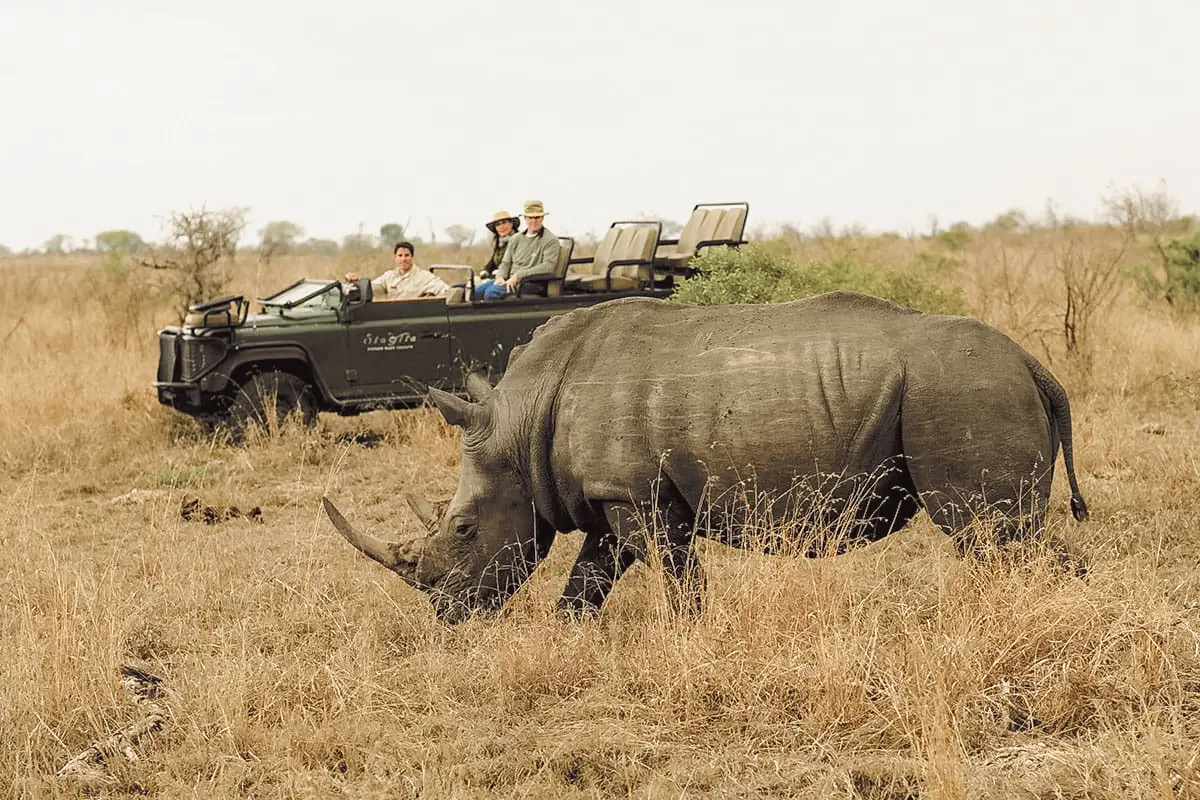
Spot rhinos on game drives in the Kruger | Singita
Accommodation
3. Best Safari Accommodation in Kruger & Botswana
Botswana
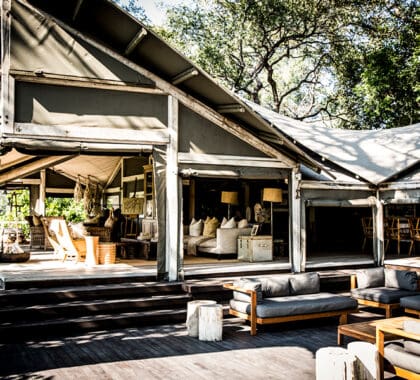
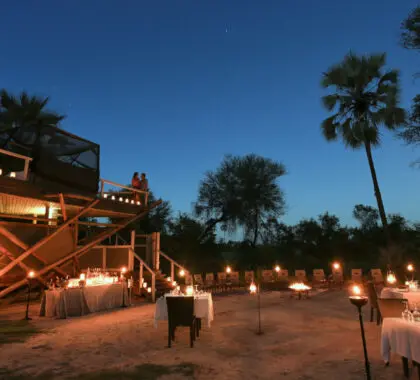
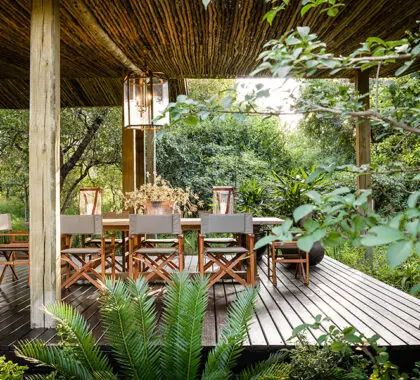
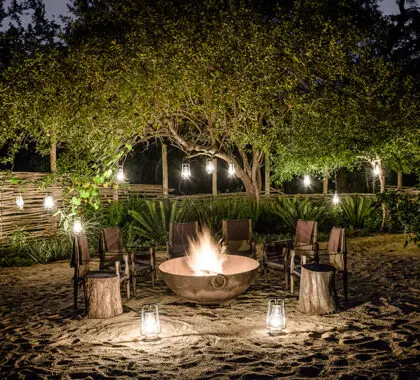
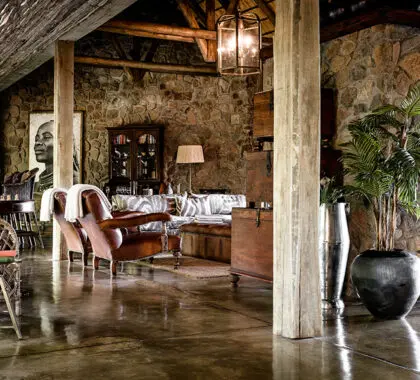
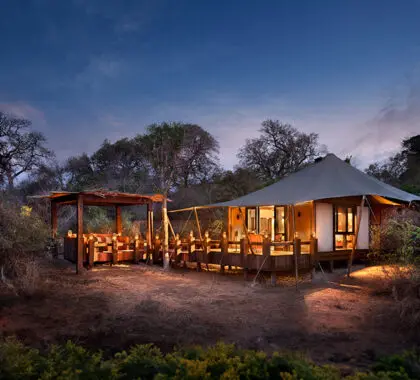
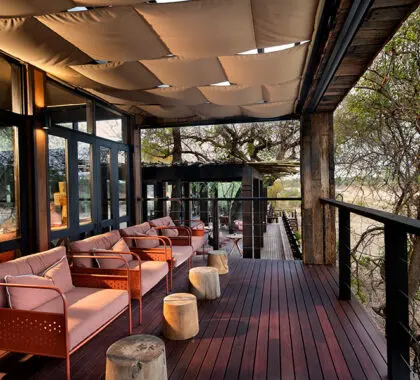
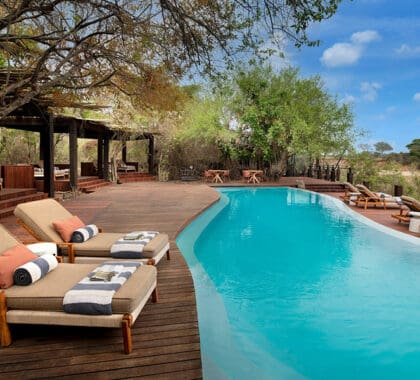
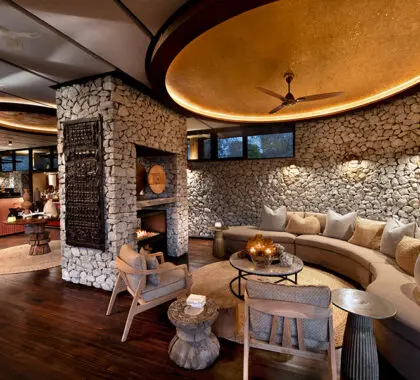
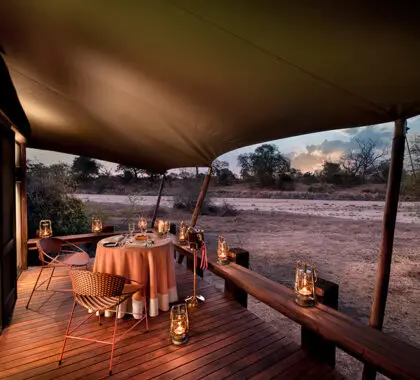
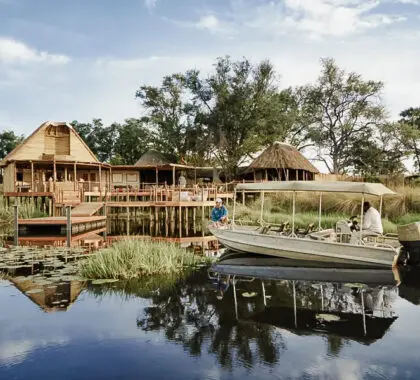
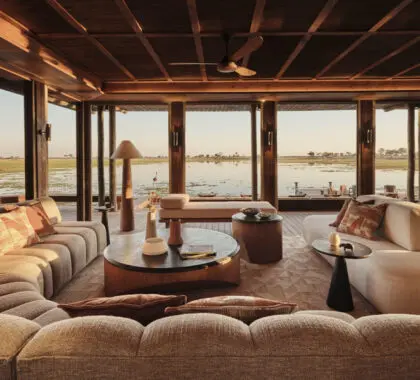
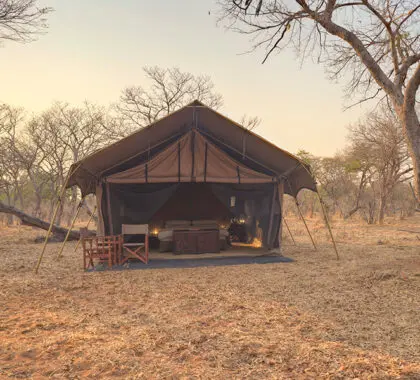
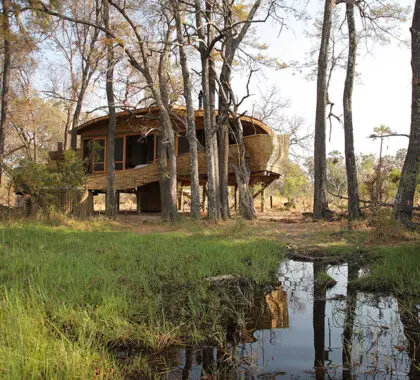
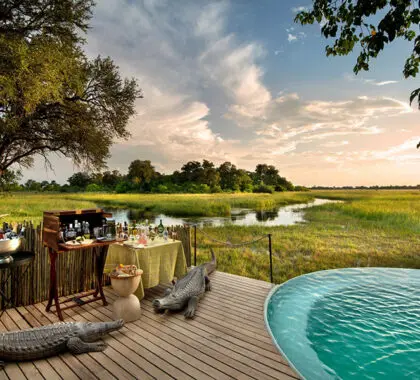
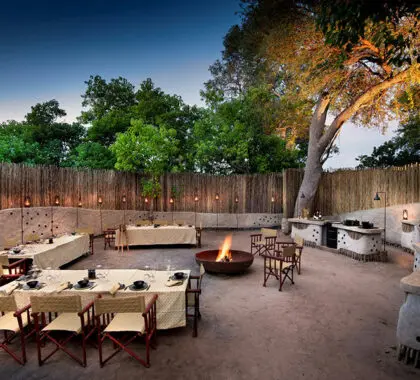
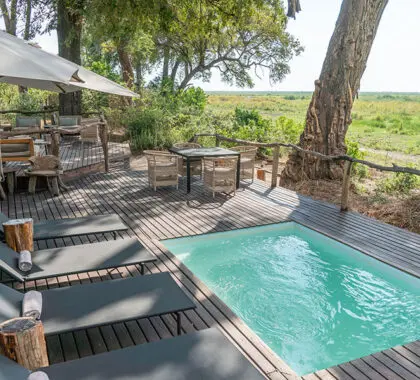
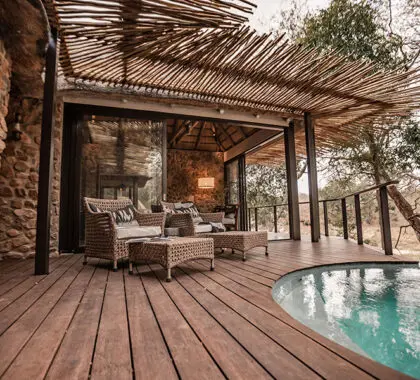
You will find some of Africa's most beautiful and luxurious safari lodges in Botswana, as well as remote and wonderfully authentic tented camps. Situated in prime wildlife areas, Botswana's safari accommodation delivers high standards of service, dining and guiding. Chobe and Moremi offer land-based safari lodges, while the rest of the Okavango Delta is synonymous with water-based accommodation.
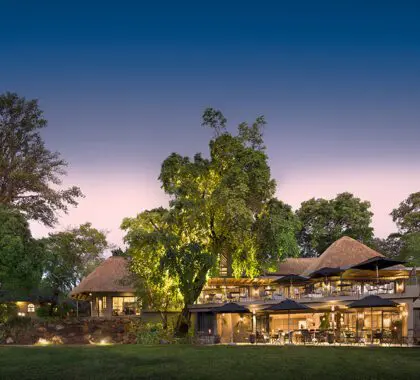
There is only one lodge situated in Chobe National Park, Chobe Game Lodge, and several private accommodation options are available in the Chobe River, Savuti and Linyanti areas.
OKAVANGO DELTA
CHOBE NATIONAL PARK
Water-based camps / lodges
Located at permanent water sites: boating and canoe safaris throughout the year
Only one in the national park, Chobe Game Lodge
Land-based camps / lodges
Located in seasonally flooded areas: focus more on game drives and may not offer water activities during low-water season
Situated in the Chobe River area and the central Savuti region
Private camps / lodges
In private concessions around Moremi Game Reserve
A few in Linyanti's three private wildlife reserves: Linyanti, Selinda and Kwando
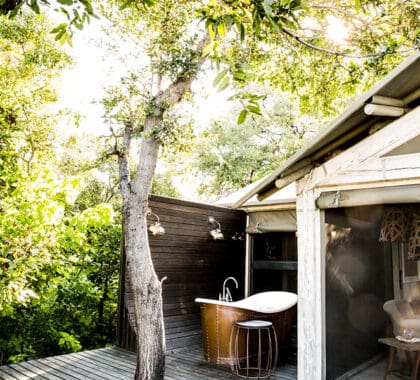
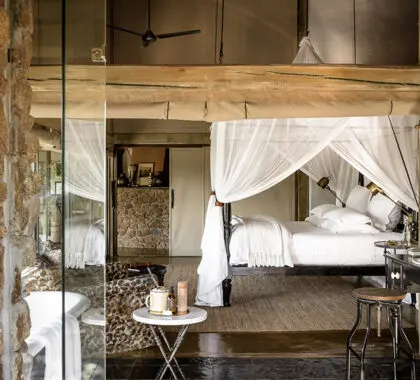
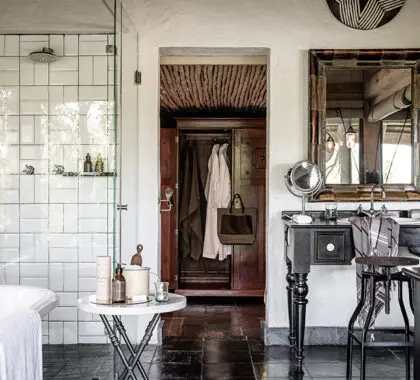
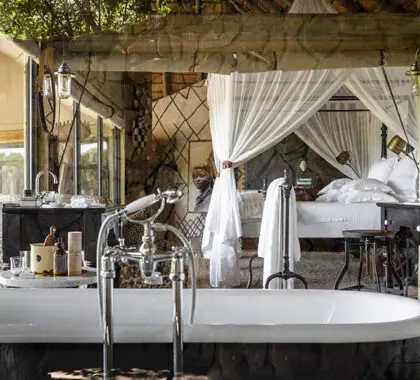
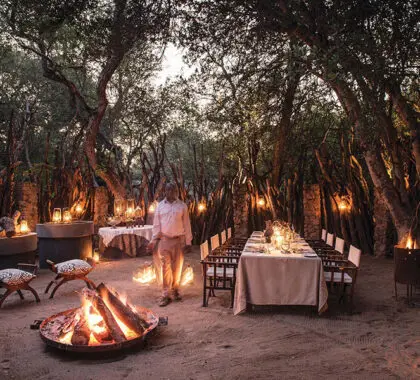
Whether you're looking for private butlers and copper bathtubs or zero Wi-Fi connectivity and hot-bucket showers, Botswana has it all. Here are some of our favourite options:
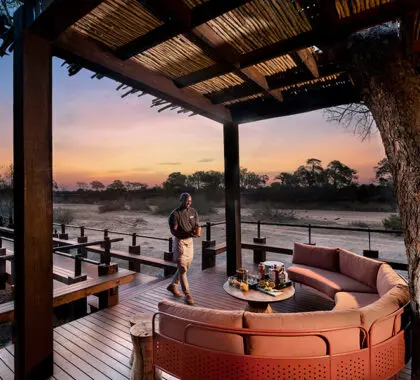
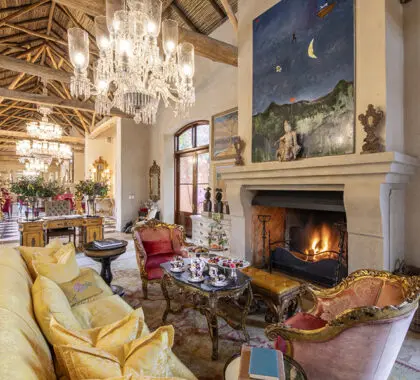
The best way to experience the magic of Kruger is to stay in one of its private reserves or concessions. Excellent service and fine cuisine go hand in hand at the exclusive camps and lodges – some of which have won international awards. The Kruger National Park also offers affordable tented camps, self-catering rest camps and family-friendly lodges. Most of the accommodation is spread out across the park and its neighbouring private reserves. Our favourite options in the Kruger are:
Both Botswana and the Kruger are world-renowned wildlife destinations that offer classic, heavyweight game viewing – especially the iconic Big 5. While you're very likely to see lion, leopard, elephant, rhino, and buffalo all on the same day in the Kruger, you might have to search a little longer for them in the Okavango Delta's Moremi Game Reserve.
BOTSWANA
KRUGER NATIONAL PARK
Big 5 sightings
Easiest in Moremi
Extremely reliable all over
Game viewing highlights
Tsessebe, red lechwe and sitatunga antelope in the Delta
Predators in Moremi, especially lion and leopard
Massive elephant herds in Chobe
Lion prides competing with hyena clans and taking down very large mammals (buffalo and elephant) in Chobe's Savuti region
Wild dog in Chobe's Linyanti concession
White and black rhino
Wild dog
Sable antelope
Leopard sightings in the private reserves like Sabi Sands, Timbavati and Thornybush
Birdwatching highlights
African fish eagle
Pel's fishing owl
Crested crane
Lilac-breasted roller
Hamerkop
Sacred ibis
Regional rarities and raptors in Linyanti
Many kingfisher species
Lilac-breasted rollers
Carmine bee-eaters
Raptors like eagles, vultures and owls
Waterfowl along dams and rivers
Leopard at Kwando Lagoon near Linyanti | Kwando Lagoon Camp
INSIDER'S TIP: Because Chobe is a national park and home to one of the biggest elephant populations in Africa, it can get extremely crowded during peak safari season. The Linyanti area's three private wildlife reserves (Linyanti, Selinda and Kwando) offer a more exclusive experience and activities that are not permitted in the national park – like nature walks and night drives.
Activities
5. Best Safari Activities
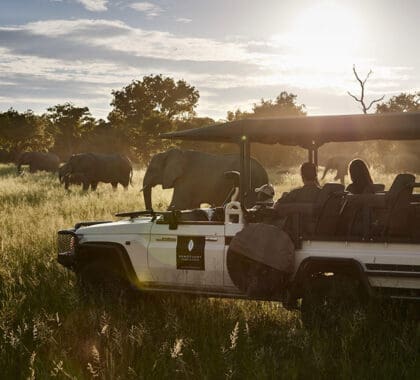
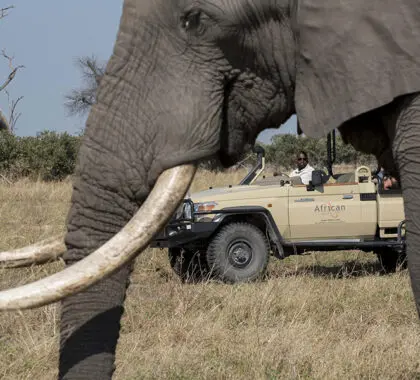
Morning and afternoon game drives are par for the course in Botswana and the Kruger National Park. Professional guides take you out into the wilderness in 4×4 vehicles, track animals and identify and explain what you see. You'll have more activities available in a private reserve that is not permitted in the national parks – like off-road driving, guided nature walks and spot-lit night drives.
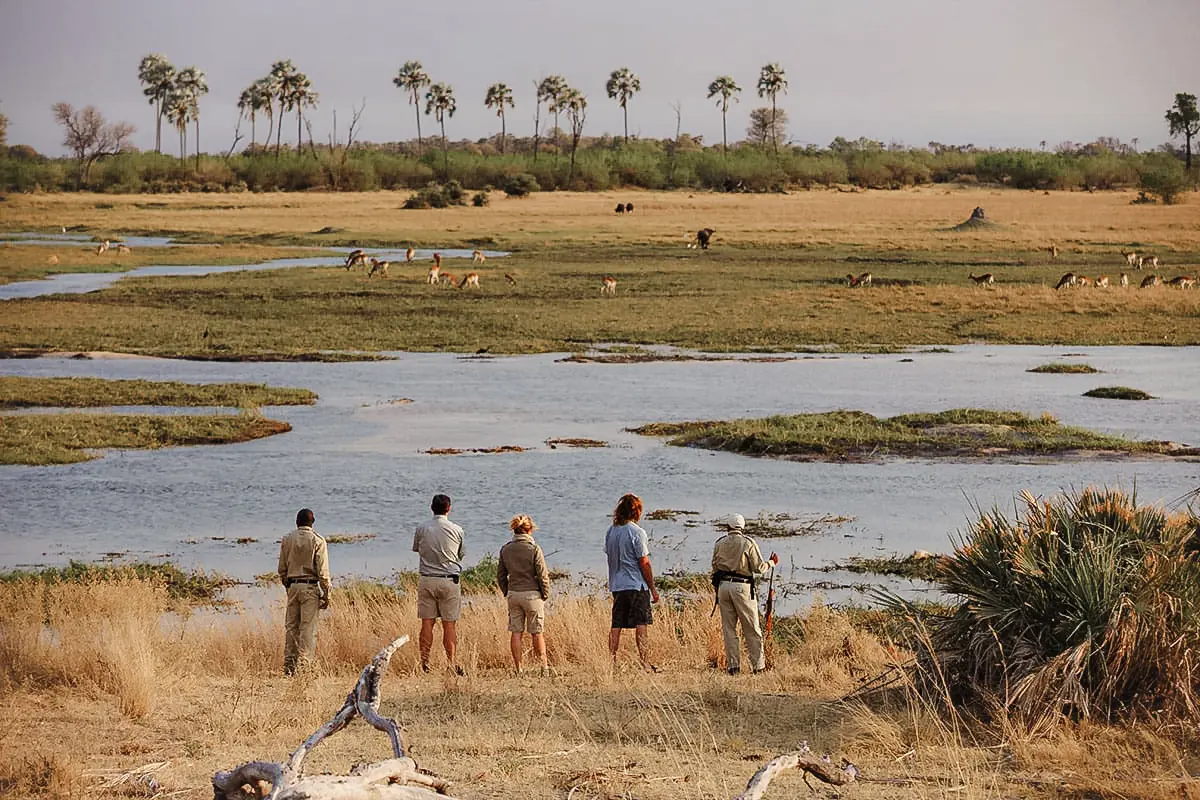
Guided bush walks in the Okavango Delta | Sandibe
Many family-friendly camps and lodges in both destinations offer educational programmes for children. If you're staying at an exclusive or private lodge, you might be able to try your hand at other activities like archery, interactive cooking classes with professional chefs, or sleeping out in the wilderness on a star bed.
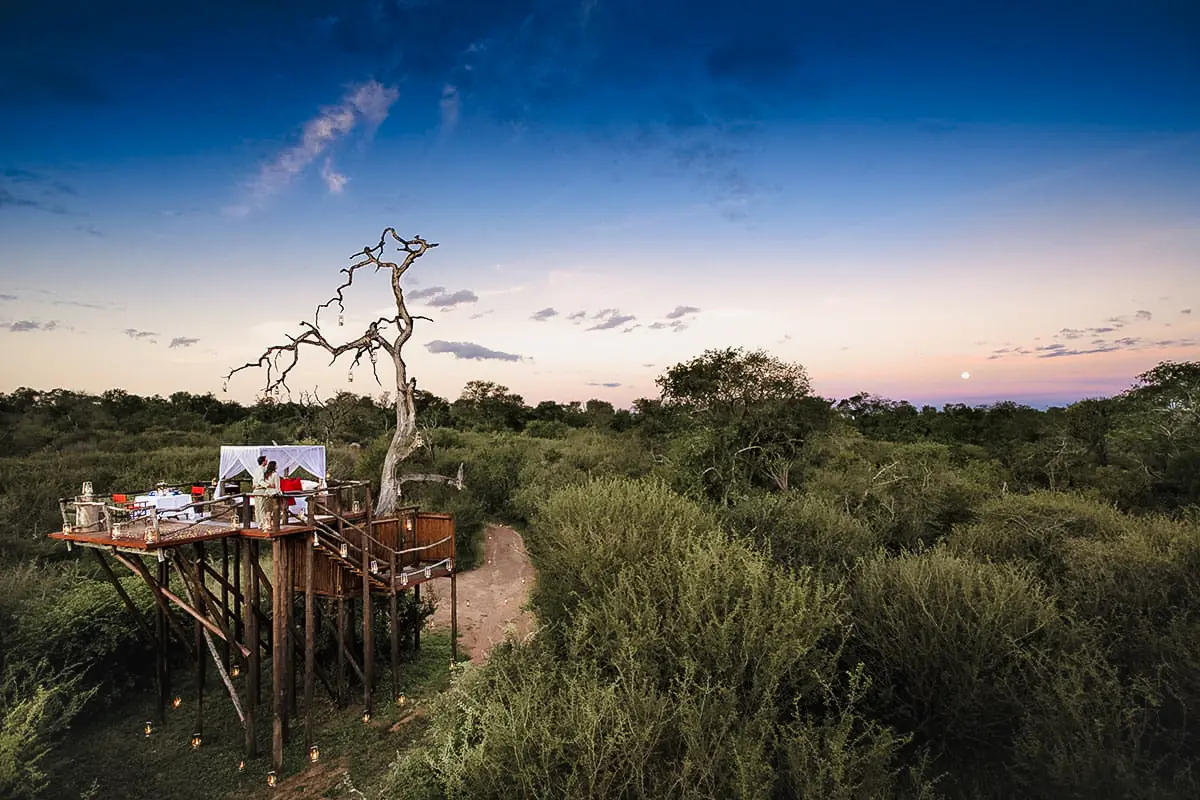
Spend a night under the African sky while at River Lodge | Lion Sands
Motorboat ride: a wonderful way to explore the Delta's channels further away from your camp or lodge
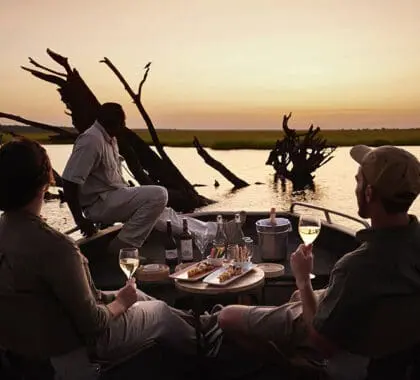
Sunset boat cruise on the Chobe River: the perfect way to end a day on safari in Chobe National Park
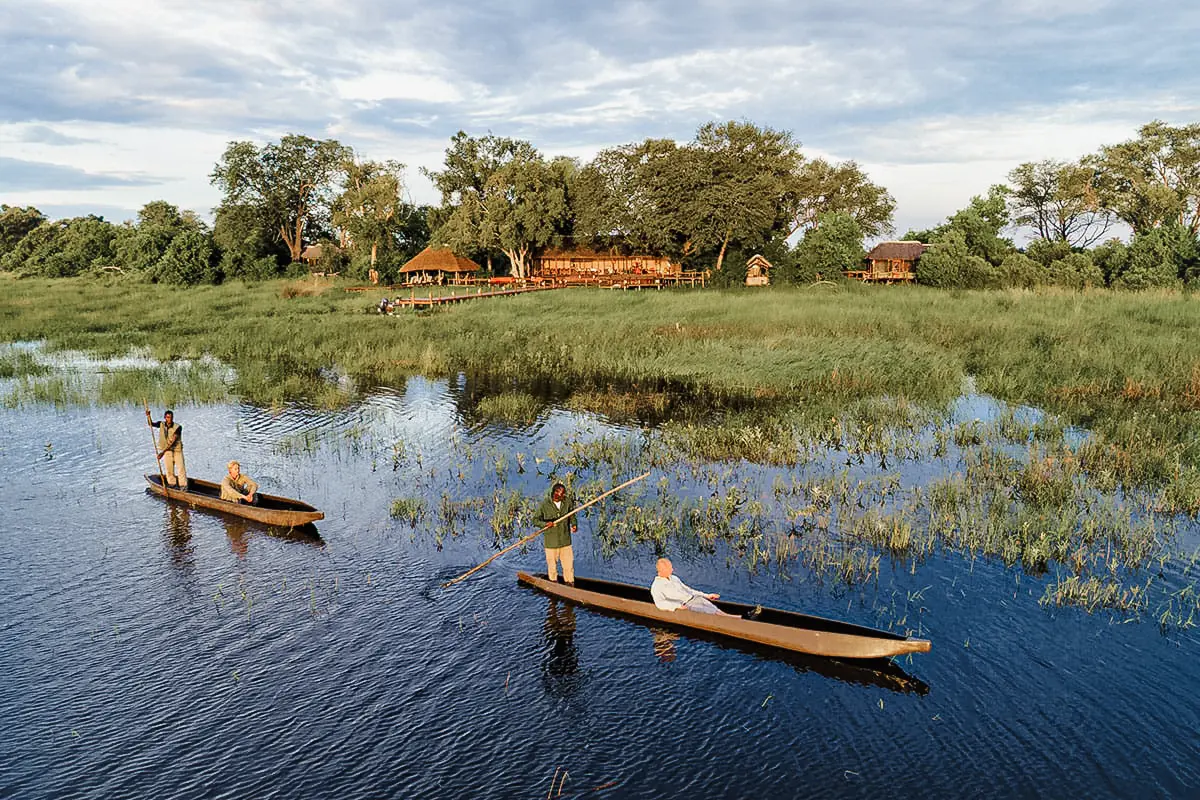
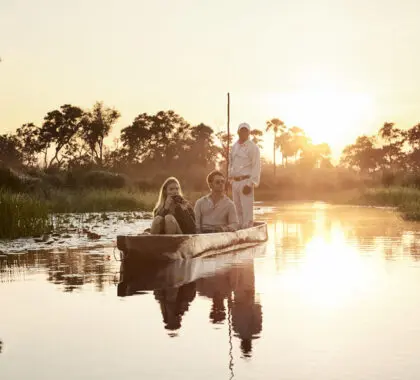
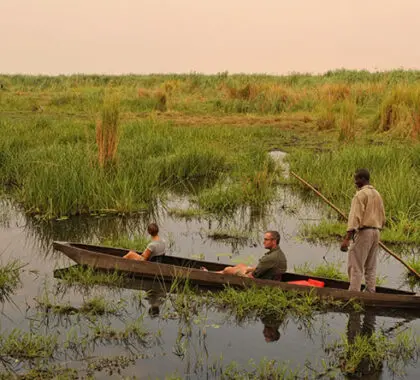
Mekoro rides in the Okavango Delta waterways | Mapula Lodge
When to Go
6. When to Go (Best Time of the Year)
The Delta and Kruger are both fantastic year-round safari destinations thanks to abundant wildlife and permanent water sources. Bear in mind the Delta's seasonal nature, so the best time for a water-based safari is during its high-water season (from about June to August). Kruger's peak safari season is during its dry winter months (May to October), as animals are easier to spot in the low and scattered vegetation.
Most safari-goers visit Chobe National Park during its dry season (from about May to October), renowned for large numbers of animals along the Chobe River and in the Savuti area. Chobe also offers sensational game viewing from August to October, but temperatures are very high during this time of year.
BOTSWANA
KRUGER NATIONAL PARK
Peak safari season
Dry winter months (May to October)
Dry winter months (May to October)
Low / Green Season
Wet summer months (November to April)
Wet summer months (November to April)
Best time for game viewing
High water season in the Delta (June to August) – good for boating and canoe safaris
September to October in Moremi (hot and dry)
Dry season in Chobe (May to October)
Dry winter season (May to October)
Best time for birdwatching
Green Season in the Delta (November to April)
Green Season in Chobe (December to March)
Green Season (November to April)
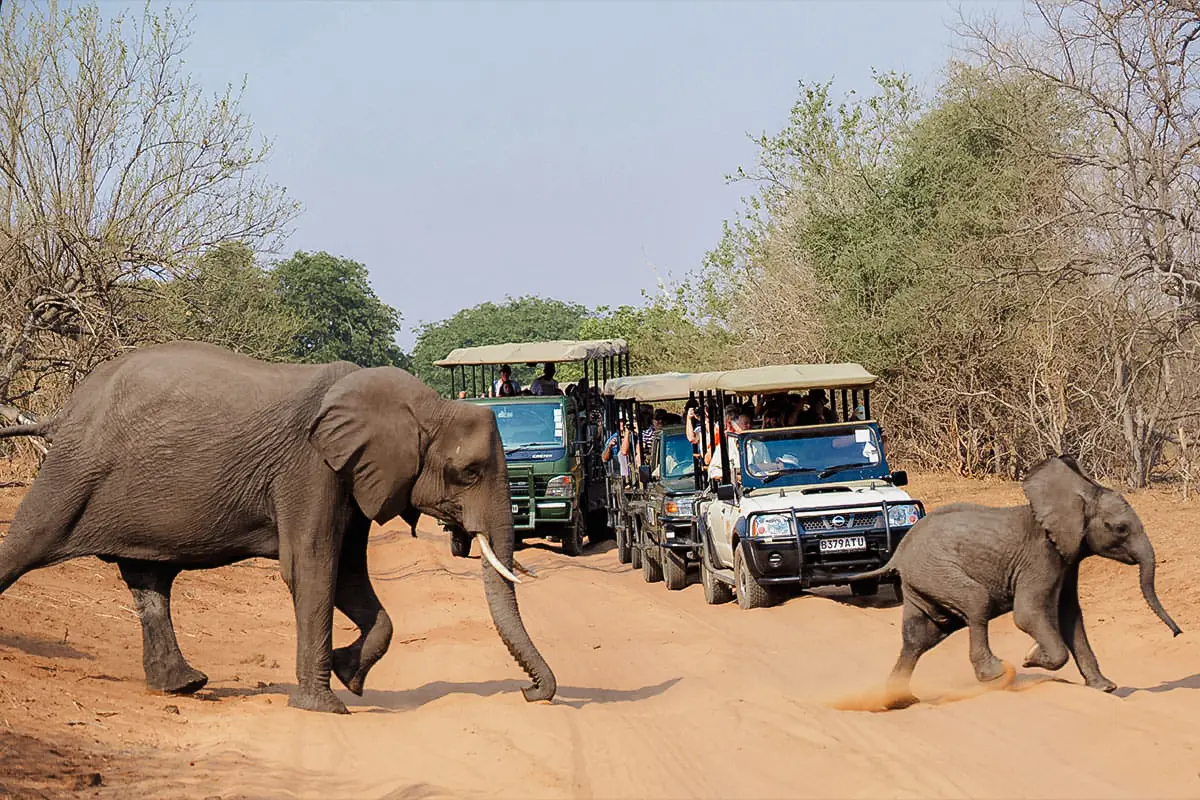
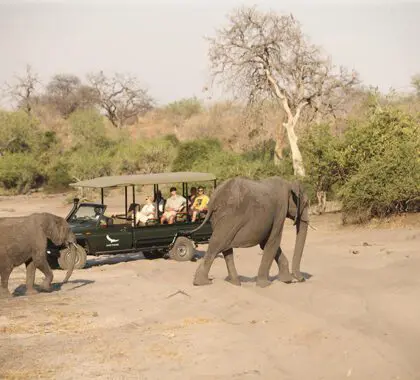
Elephant crossing in Chobe | Emma Hill, Go2Africa
Best Suited For…
7. Travellers Best Suited For…
Botswana
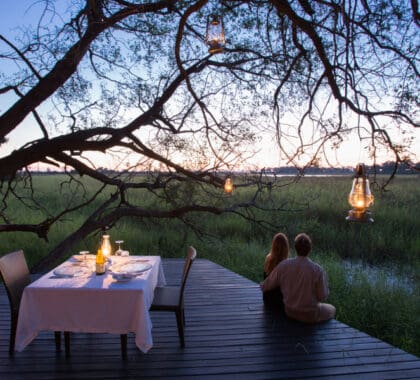
Whether you're looking for a luxury safari experience or a rugged adventure, Botswana will deliver. It's a great destination for multi-generational family vacations, but better suited for families with children older than seven. It's a fantastic destination for avid birdwatchers and photographers. Wildlife enthusiasts will love the density and diversity of Botswana's wildlife, especially in Chobe, while the luxurious and exclusive nature of Chobe's safari accommodation means it's an ideal destination for honeymooners.
Kruger National Park
Whether you're a first-time visitor to Africa or a veteran of many safaris, the Kruger will not disappoint. This country-sized park offers a wide diversity of wildlife and some of the finest game viewing in Africa. The Kruger also boasts international award-winning accommodation, smooth-running logistics, its very own international airport, and some of the best guides and trackers in the business.
It's an excellent choice for safari first-timers and honeymooners. Family-friendly lodges offer specialised safari programmes for children, and you can expect luxurious suites and superlative service at the private camps and lodges.
BOTSWANA
KRUGER NATIONAL PARK
First-time safari goers
Okavango Delta and Chobe National Park
Ideal
Honeymooners
Private reserves around Moremi
Private and intimate accommodation in Chobe
Private reserves and concessions
Families
Suitable for children over seven years
Suitable for all ages
Self-drivers
Not recommended
You cannot drive between destinations in the Delta and Chobe
Good option – easy accessibility and excellent infrastructure
Birdwatchers
Excellent choice, especially the Delta and Chobe's Linyanti
Good choice
Exclusivity seekers
Private reserves around Moremi
Chobe's Linyanti area
Private reserves like Sabi Sands, Thornybush and Timbavati, as well as Singita's concessions
Active travellers
Canoe safaris in the Delta
Guided walks in the Delta and Chobe River area
Guided walks in private reserves and concessions
Several private lodges have fully equipped gyms
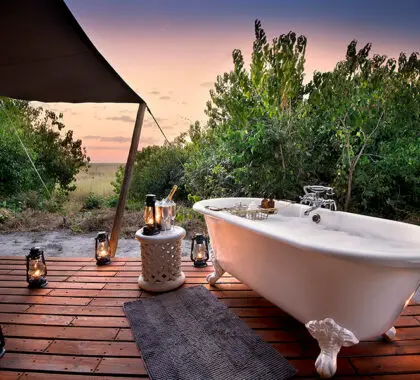
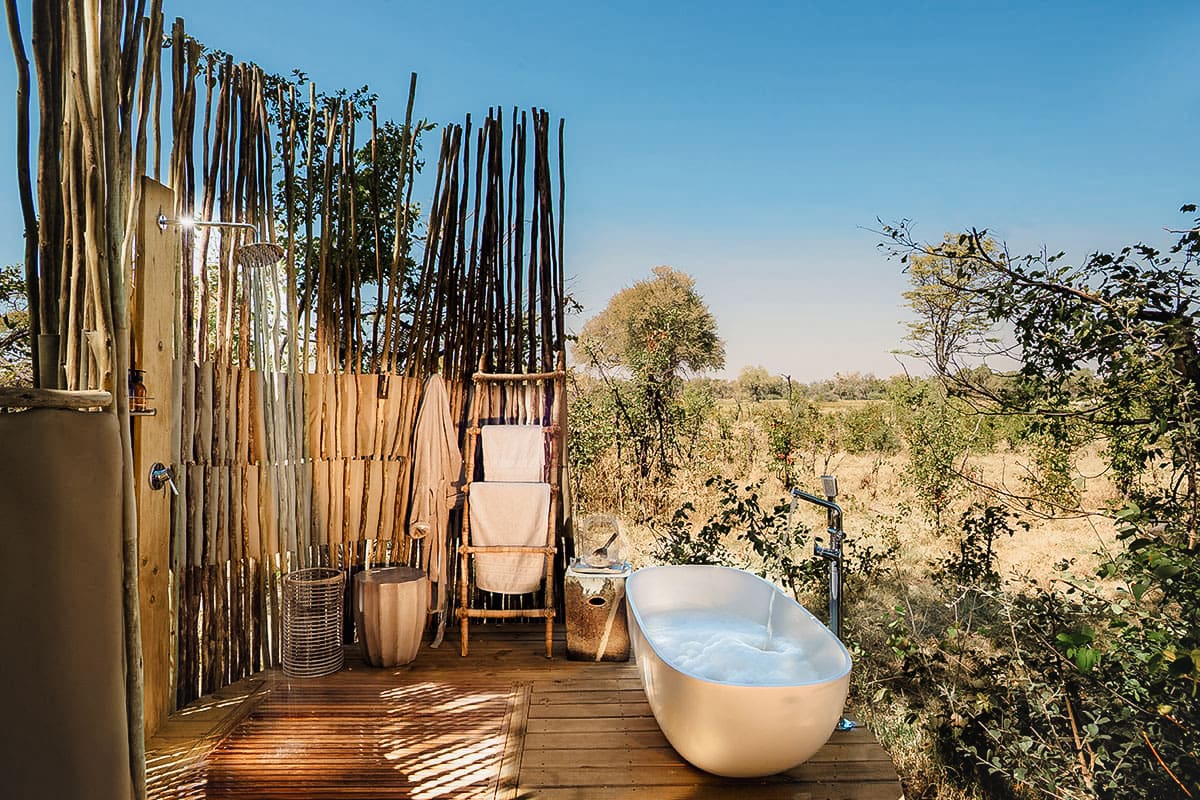
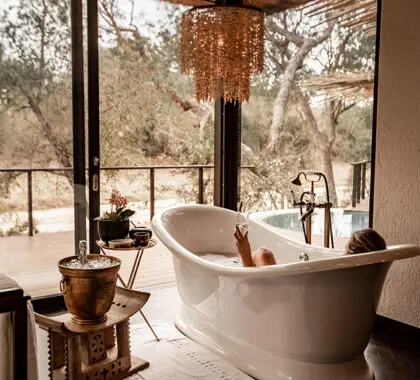
A luxurious outdoor bath | Sable Alley
Malaria, Health & Safety
8. Malaria, Health and Safety
BOTSWANA
KRUGER NATIONAL PARK
Risk of malaria
Very low, unless you visit rural villages
Very slight risk during the rainy season, especially between January and April
Virtually no risk at all during the long dry season from about May to October
Both Botswana and the Kruger National Park are safe destinations and many travellers go on safari there every year. Go2Africa has been tailor-making Botswana and Kruger safaris for our clients since 1998 – here are our top tips when it comes to health and safety:
Before your safari
Chat with your doctor or travel clinic about necessary vaccinations.
If it's decided to take a prophylactic for malaria and you'll be scuba diving after your safari, ensure that your doctor knows about it, as some medications will interfere with diving.
During your safari
Always stay hydrated and wear sunscreen – the main risk on an African safari is sunstroke.
Listen to your guide's warnings and instructions, he/she is there to keep you safe in the wild.
Make sure you're escorted by a guide when walking to your tent or room at night, even if the camp or lodge is fenced.
Some accommodation is unfenced, and it's not unusual for animals to wander through camp – don't keep any food in your tent, you might get an unwanted visit!
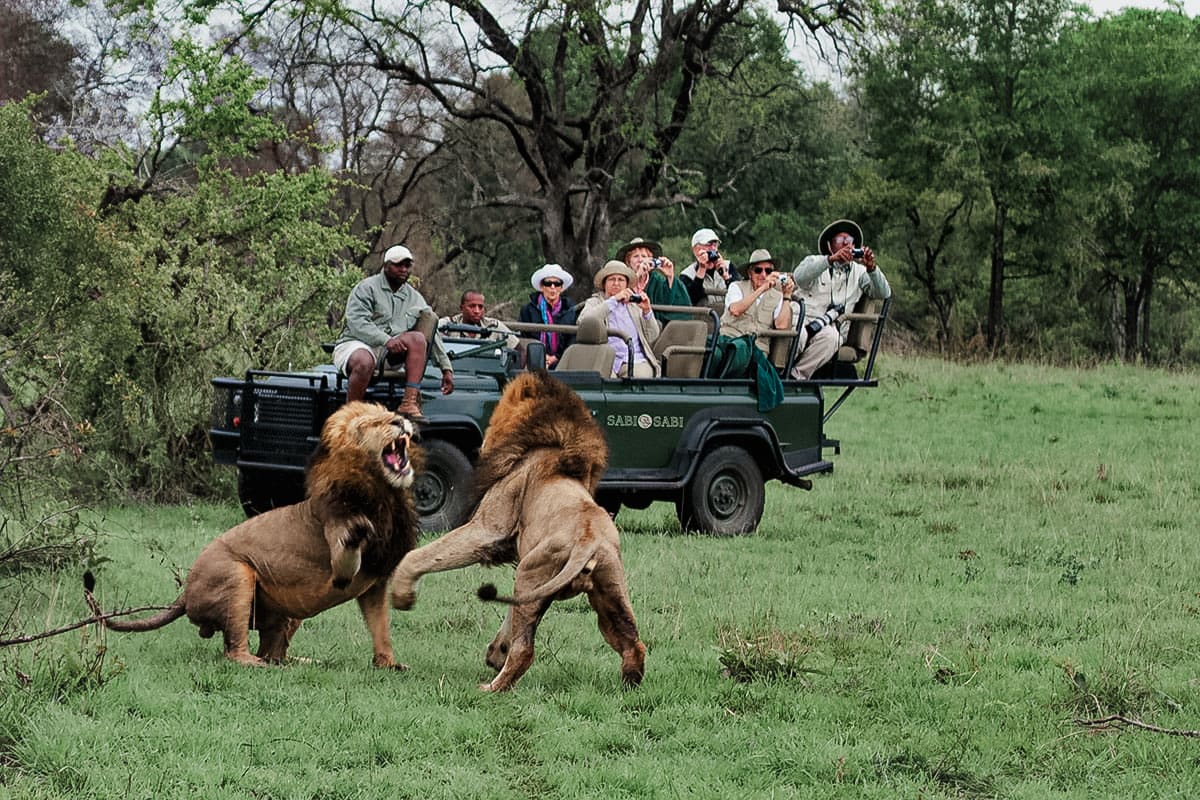
Witness incredible wildlife moments | Sabi Sabi
Combine Best With…
9. Combines Best With…
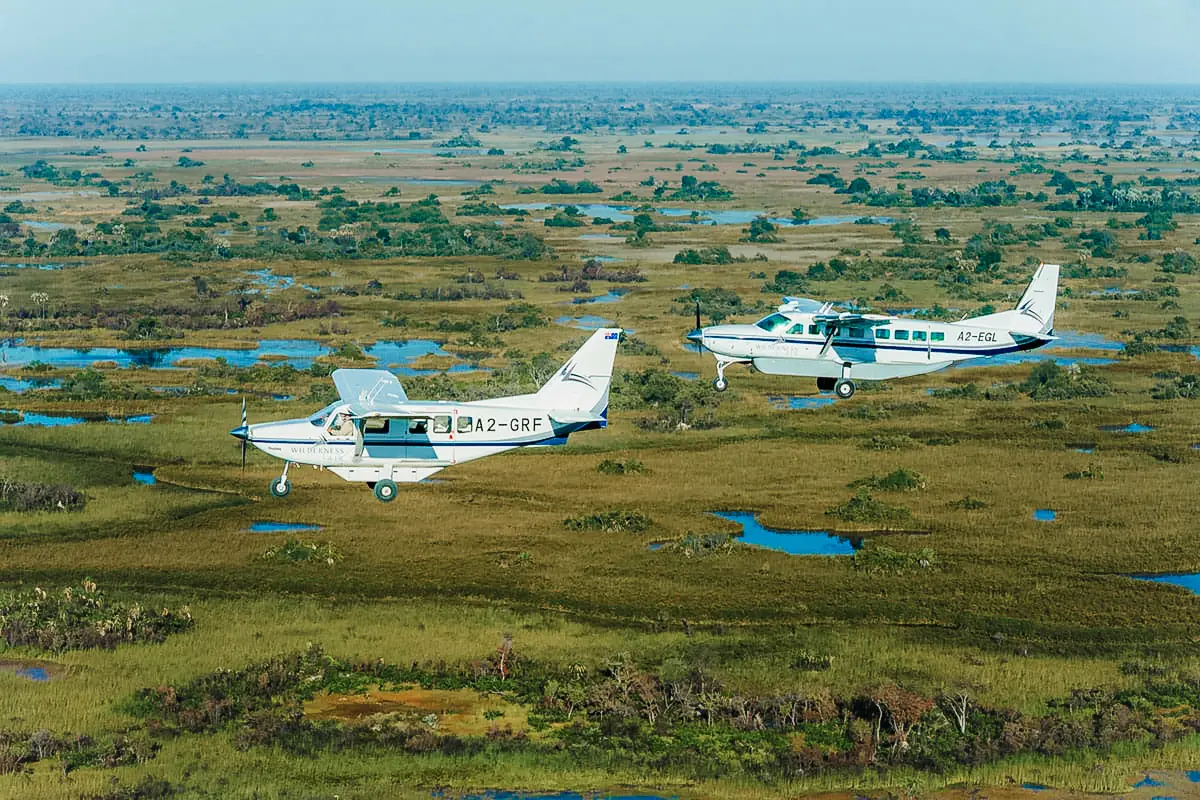
Because of their proximity to one another, Botswana and the Kruger are actually easy to combine in a Southern African safari itinerary. Sir Seretse Khama in Gaborone is Botswana's main international airport, but almost all safari goers skip it and fly from South Africa's Johannesburg to:
Maun – easy access to the Delta
Kasane – gateway to Chobe and 100km / 62mi from Victoria Falls
Kruger's major airport, Kruger Mpumalanga International Airport, is located in Nelspruit and travellers can fly from here to destinations like Cape Town, Johannesburg, Durban and even Mozambique. The smaller Hoedspruit Airport makes it easier to get to the park's private reserves like Thornybush, Sabi Sands and Timbavati, while Phalaborwa Airport serves the northern Kruger.
All Go2Africa's Botswana and Kruger safari itineraries are completely flexible around your budget and travel wishes. Get in touch with one of our Africa Safari Experts to start planning your dream vacation.
As a native Capetonian, my journey in Digital Marketing kicked off in 2011, immersing me in the realm of crafting content for websites, email newsletters, and social media platforms. Over the years, I fine-tuned my skills, discovering a fervour for boosting organic webs
…
 1-866-438-8677
 +27-21-481-4900
 1-888-360-2392
 1-800-619-441
 0800-404-9451
 800-852-6502