 1-866-438-8677
 +27-21-481-4900
 1-888-360-2392
 1-800-619-441
 0800-404-9451
 800-852-6502


Popular
All Currencies
No currencies match your search.

A safari in Madagascar feels unlike anywhere else in Africa. As soon as you land in Antananarivo, the capital, you notice the difference. Leaving the city, you pass through rice fields and red-soil villages before giving way to dense rainforest. Within a few hours, the landscape changes completely, and this contrast continues across the island.
This Madagascar travel guide encourages you to see the island in a way that goes beyond a typical safari. Here, the focus is less on rushing from place to place and more on noticing how the scenery, wildlife, and atmosphere change from one region to another.
Madagascar lies in the Indian Ocean, off the southeast coast of Africa, and is the fourth-largest island in the world.
Madagascar's isolation has shaped everything about it. Once part of the ancient supercontinent Gondwana, it broke away millions of years ago, allowing plants and animals to evolve in isolation from outside predators and influences. That is why so much of Madagascar's wildlife and plant life is found nowhere else on Earth, and why each region feels so distinct.
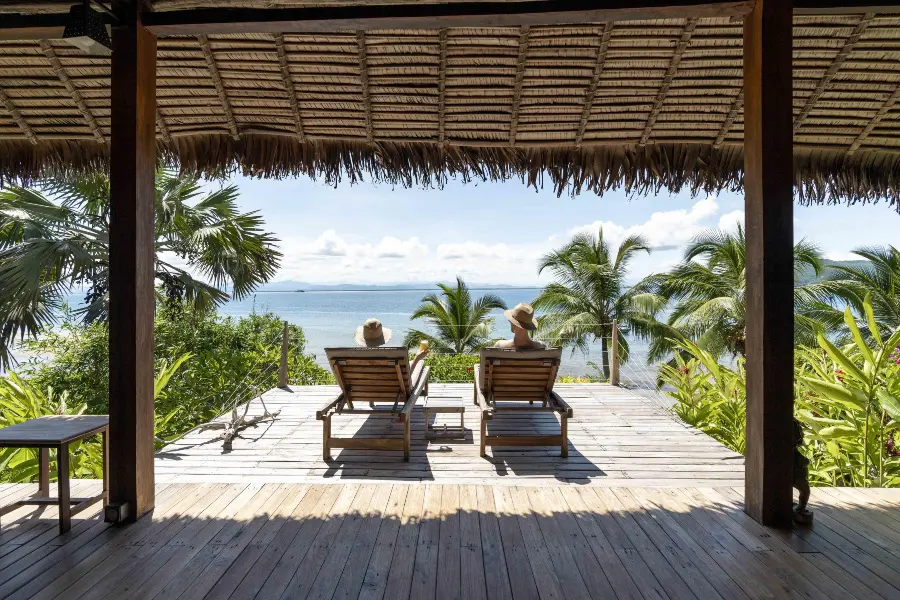
Madagascar invites you to experience wildlife in a new way. Unlike the wide plains of East and Southern Africa, where animals roam far and wide, Madagascar's animals are tied to unique habitats. Instead of watching herds on open plains, you'll be peering into bamboo thickets, looking up into trees, or scanning sunlit rocks for a quick movement or a sudden jump.
Around 90% of Madagascar’s wildlife is endemic, meaning much of what you see here exists nowhere else.
This changes the pace of your experience in Madagascar. Rather than long game drives, you'll spend more time walking with a guide, stopping often to listen and look closely for things you might otherwise miss.
Madagascar isn't defined by a single highlight. What stands out is how quickly the landscape shifts, from rainforest to dry rock formations to the coast. The most rewarding trips move between a few regions, giving you a better sense of how different each part of the island feels. Here are some of the ways to explore Madagascar.
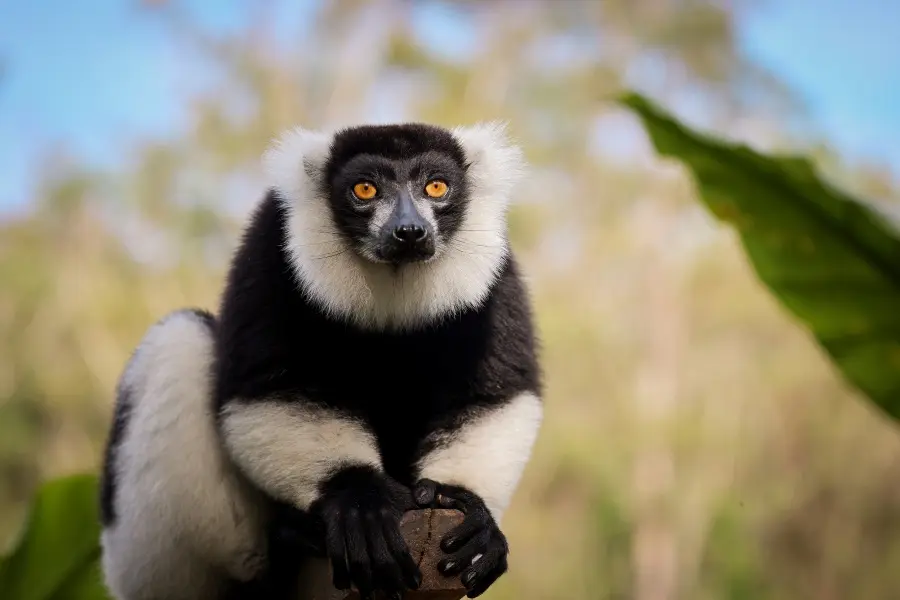
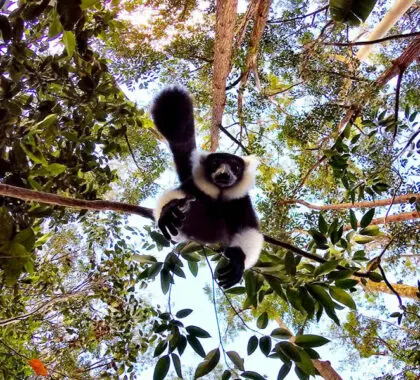
In Andasibe-Mantadia National Park, east of Antananarivo, wildlife viewing often begins with sound rather than sight. The indri, Madagascar’s largest lemur, produces a distinctive call that travels through the forest canopy. Guides follow their calls through the forest, and often you hear the indri long before you see them moving high above you.
Because indri do not survive in captivity, hearing them call through the forest is one of those experiences that belongs entirely to Madagascar.
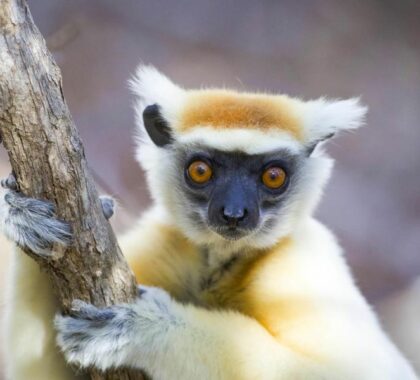
In Anja Community Reserve, ring-tailed lemurs leap across rocky outcrops, often up close. In Isalo National Park, you might spot Verreaux's sifaka crossing open spaces with their unique sideways walk.
Moving from one landscape to another is part of Madagascar's appeal. Instead of just spotting different lemur species, you notice how each one lives differently depending on its habitat.
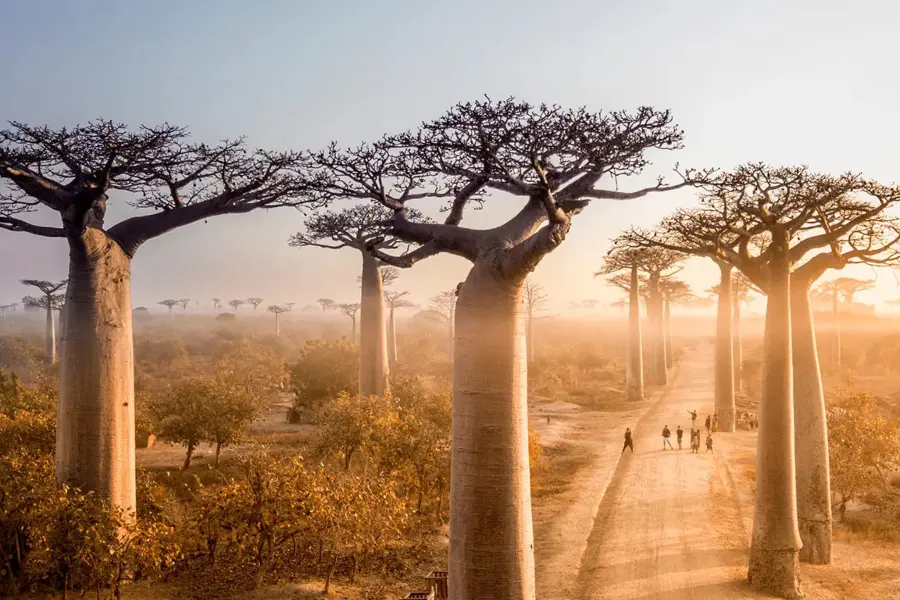
In western Madagascar, near Morondava, the landscape opens into broad sunlit terrain. The Avenue of Baobabs is one of Madagascar's best-known landscapes, and it earns its reputation quickly. These remarkable trees are thought to be the remnants of a much larger dry forest that once covered this part of western Madagascar.
The best light is in the early morning or late afternoon, but this highlight is more than just a photo opportunity. If you linger, you'll start to notice the dry air, the vastness and why these trees are so closely tied to western Madagascar.
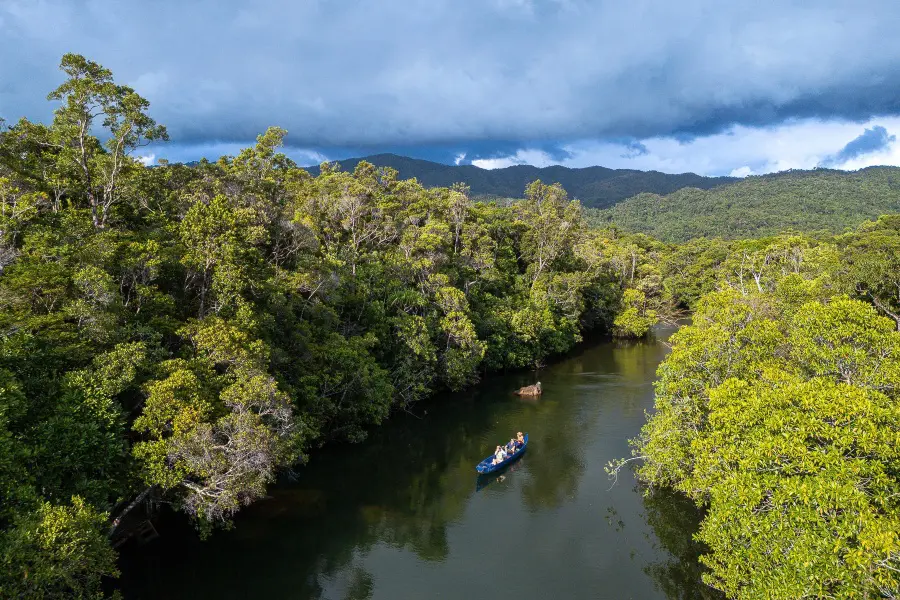
Madagascar's national parks protect an extraordinary range of habitats. Ranomafana is a lush montane rainforest where you might find the golden bamboo lemur, a highly specialised species known for feeding on bamboo that contains naturally occurring cyanide.
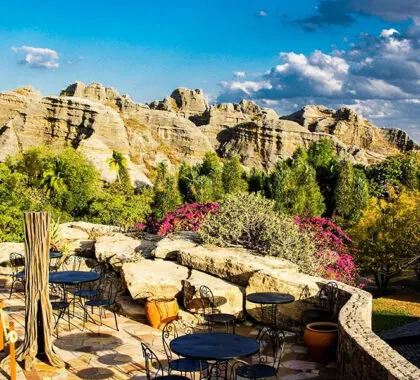
Further south, Isalo National Park is known for its canyons, sculpted sandstone formations and crystal-clear natural pools.
To better understand how these regions fit together, take a look at where to go in Madagascar.
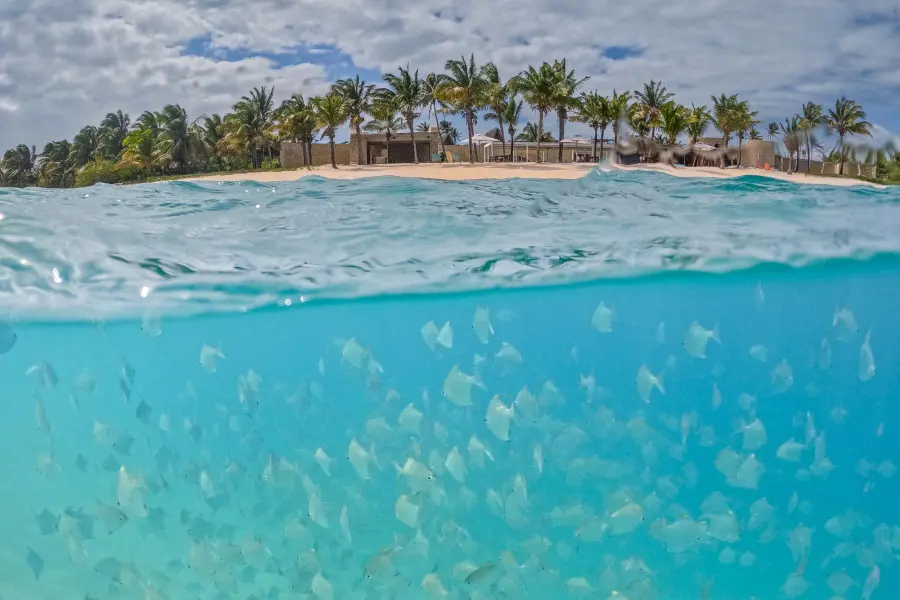
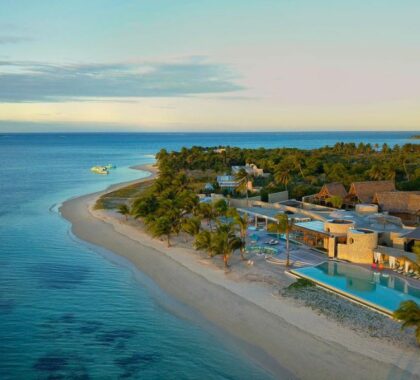
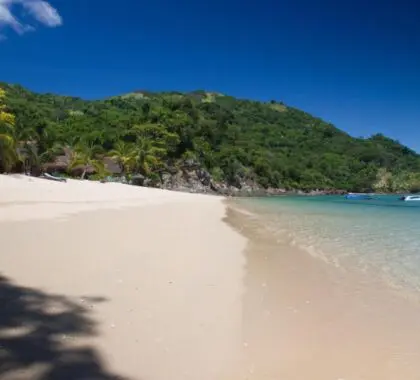
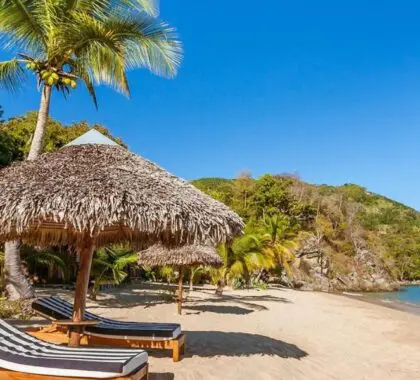
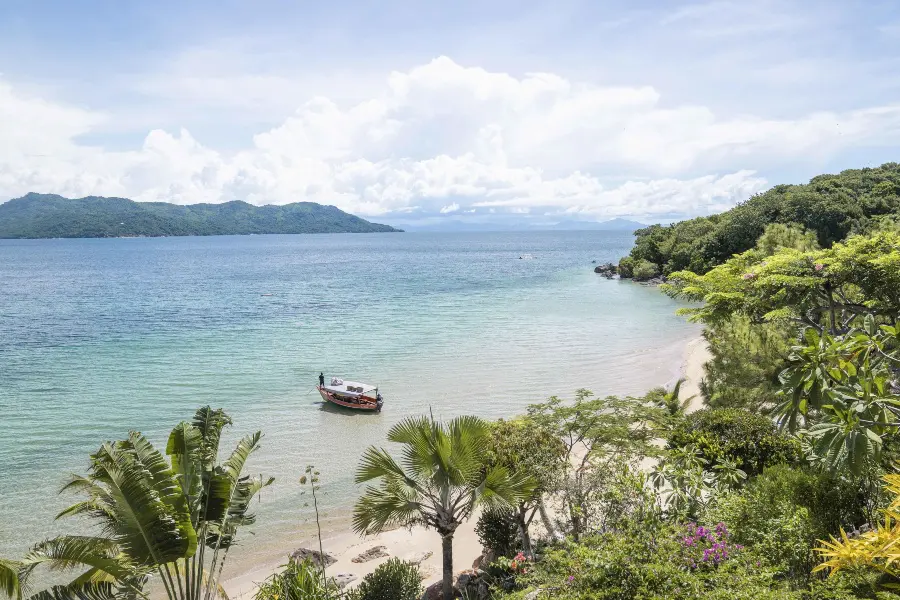
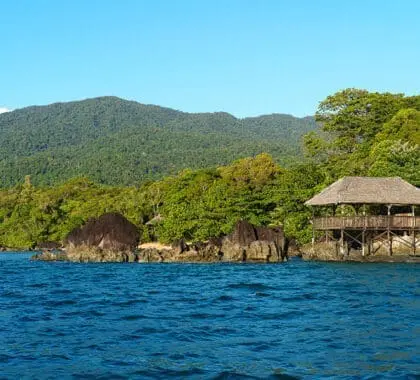
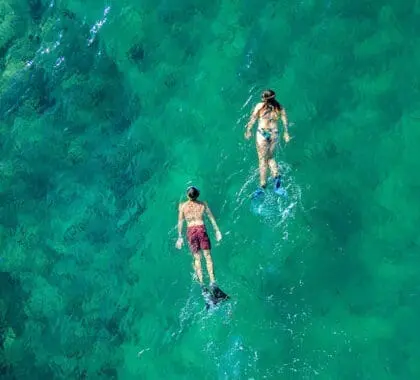
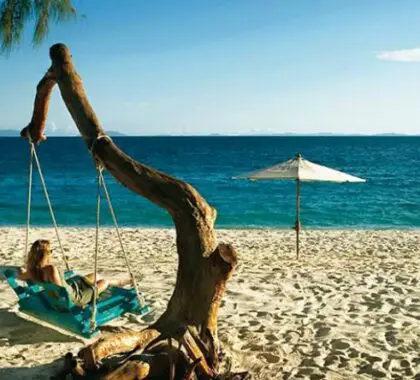
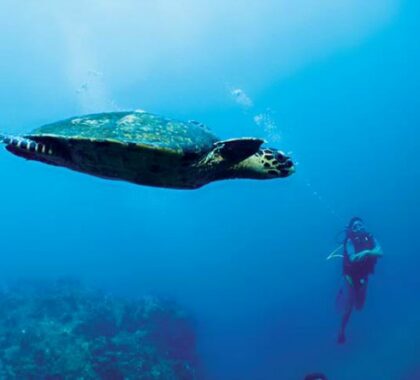
Around Nosy Be and its neighbouring islands in northwestern Madagascar, the focus shifts from forests to warm Indian Ocean waters. Marine reserves such as Nosy Tanikely provide excellent snorkelling and diving, while quieter islands like Nosy Komba combine forested interiors with laid-back beaches.
These coastal stays work particularly well after time spent exploring Madagascar's inland parks. From October to December, whale sharks can be seen near Nosy Be, while from July to September, humpback whales gather off the east coast, especially around Île Sainte-Marie (also known as Nosy Boraha).
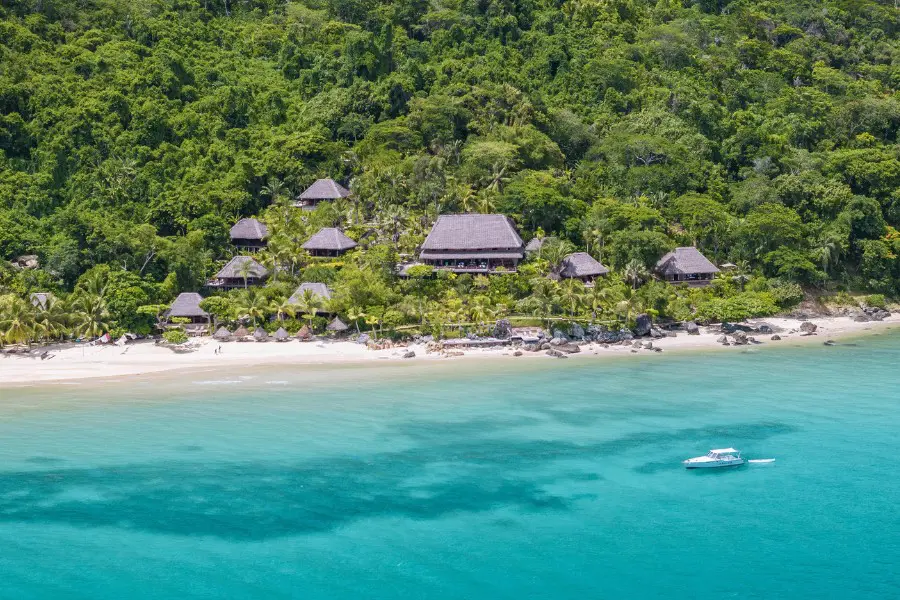
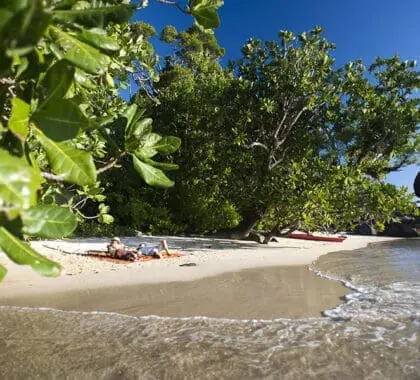
Madagascar's coast feels wilder and less polished than many of the Indian Ocean's better-known beach destinations. Nosy Be is the main starting point for exploring the islands, with nearby areas highlighting both marine activities and time to relax.
The east coast has a different feel. Weather plays a bigger role here, and travel often depends on conditions at the time. Île Sainte-Marie is known for whale activity during the winter months, while other parts of the coast feel slower, with fewer visitors and less infrastructure.
Time by the sea works well after being inland, giving you space to slow down before moving on.




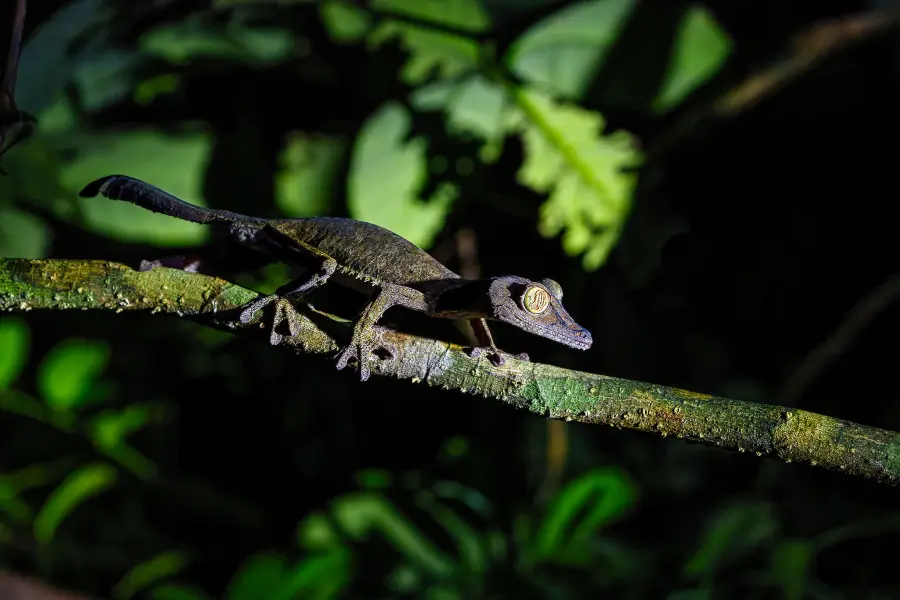
Wildlife in Madagascar is seen differently from what most people expect. This is not a Big 5 destination. Instead, you spend time looking for smaller animals, often in dense vegetation or high in the trees. Sightings here take more attention and patience, but they feel more personal.
Most wildlife viewing happens on foot, and the guides are a huge part of the experience. They notice things you would walk straight past, from a leaf-tailed gecko pressed against bark to the first movement of a sifaka in the trees, and they give you context to both the landscape and the local customs around it.
Night walks add another layer altogether, especially for spotting mouse lemurs, sleeping chameleons and insects you'd never notice during the day. Exploring Madagascar is slower and more hands-on than your typical safari, which is part of what makes it so memorable.
See our top Madagascar safari experiences to see how we structure these itineraries.
Madagascar's national parks show how much the island changes from one place to the next. Each one feels separate, with its own terrain, pace, and way of exploring.
Here’s a simple way to compare how each park differs:
| National Park | Landscape | Why Go |
|---|---|---|
| Andasibe-Mantadia | Accessible rainforest | Best place to hear and see indri; a good introduction to Madagascar's forests |
| Ranomafana | Dense montane rainforest | Steeper terrain, richer biodiversity, and a more immersive forest experience |
| Isalo | Sandstone canyons and dry terrain | Hiking, open landscapes, and a complete contrast to rainforest regions |
| Tsingy de Bemaraha | Limestone pinnacles (UNESCO site) | Physically engaging exploration across rock formations and suspension bridges |
Choosing between them depends on how you want to move through the landscape, whether that's easier forest walks, more demanding trails, or open terrain shaped by rock and weather.
Andasibe is often the first rainforest stop for travellers arriving in Madagascar, and for good reason: it is one of the easiest places to hear and see indri.
They are the largest living lemurs, with black-and-white coats, no visible tail and a strangely upright posture that makes them feel almost unreal when first seen. Their haunting calls echo through the forest each morning, and seeing them move through the canopy is one of the defining experiences of this part of Madagascar.
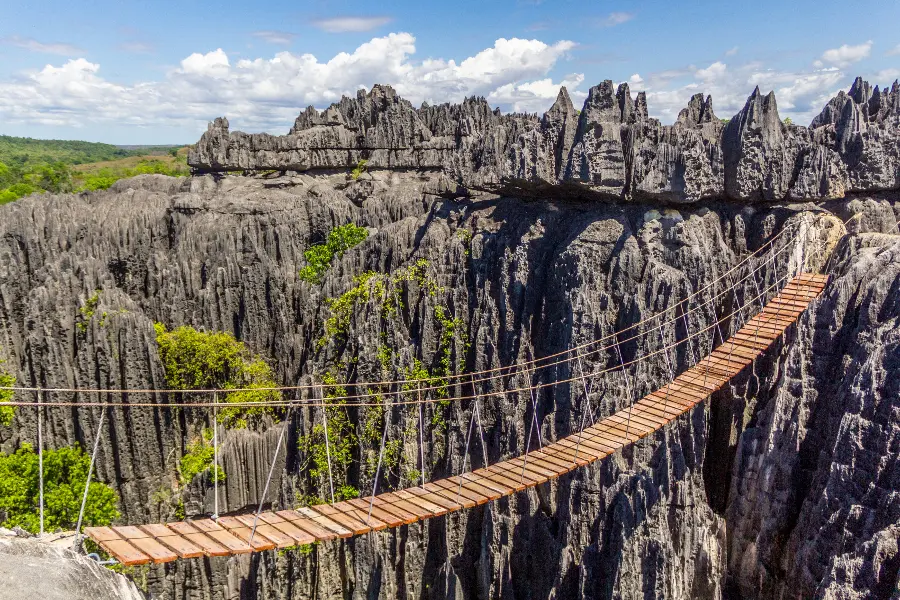
Tsingy de Bemaraha is a UNESCO World Heritage Site known for its dense limestone formations, where sharp rock pinnacles rise closely together across the landscape. Moving through this area involves narrow walkways, fixed ladders, and suspension bridges, making it one of the more physically demanding regions to explore.
Due to its remote locale, fewer people visit, and it takes more planning to get there, but Tsingy de Bemaraha is truly unique. The scale of the landscape and the way you move through it set it apart from anywhere else on the island.
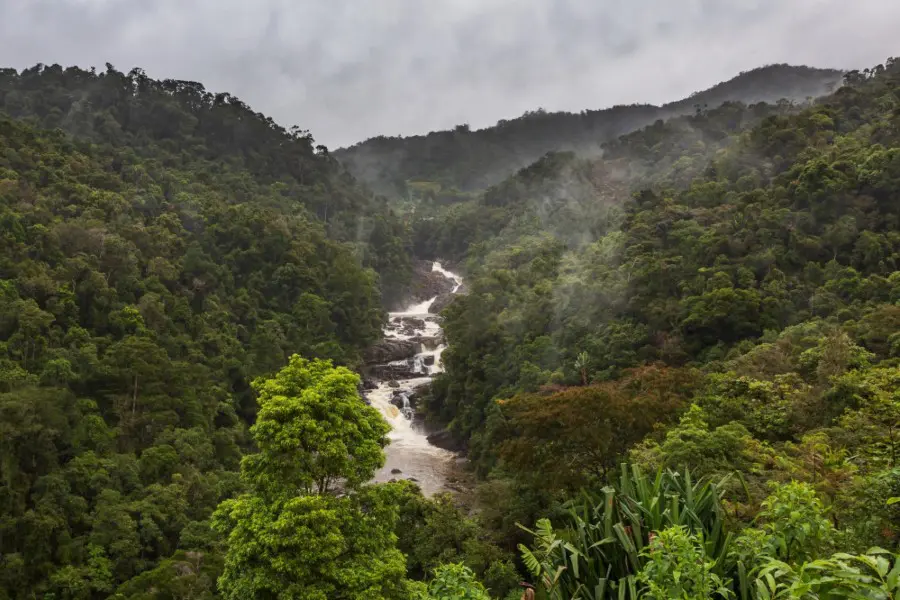
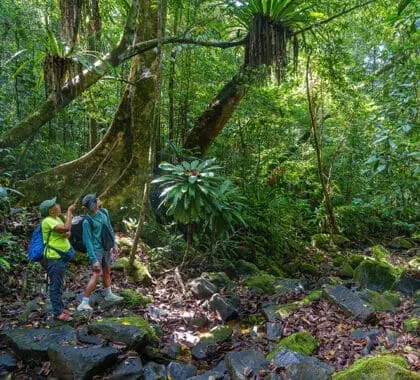
Ranomafana National Park is a rich montane rainforest with misty hills, thick vegetation, and many unique species. You'll find a dozen lemur species here, including the golden bamboo lemur, along with many chameleons, birds, orchids, and ferns.
Ranomafana is perfect if you love the feel of the rainforest as much as spotting wildlife. The ferns, orchids, damp air, steep trails, and the constant buzz of life all add to your experience.
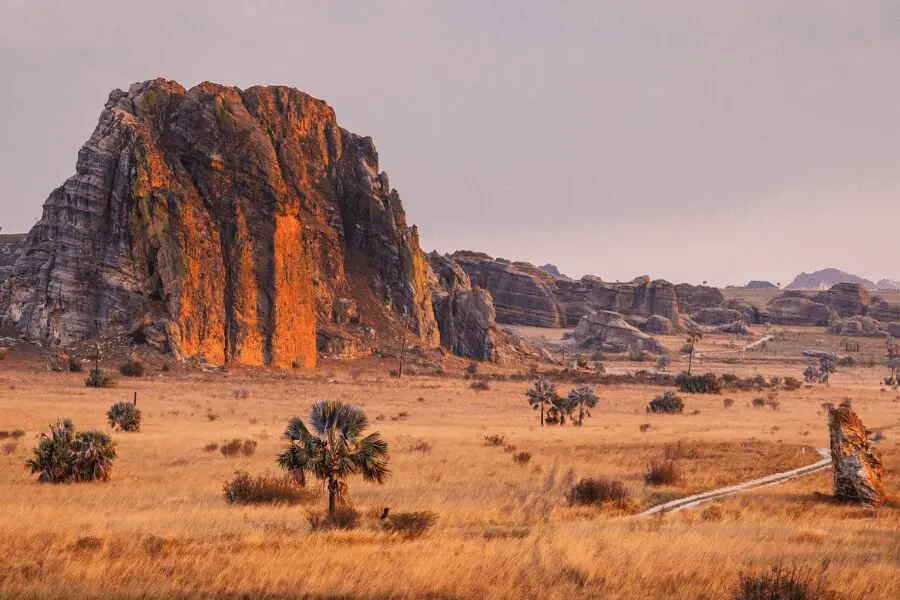
Isalo feels completely different to the rainforest parks. It is drier, more open, and shaped by sandstone, canyon walls, and natural pools. The landscape draws many visitors, and hiking here is a favourite activity.
Along the trails and in the canyons, you have the chance to see several lemur species, including ring-tailed lemurs and Verreaux's sifaka, as well as striking reptiles and drought-adapted plants.
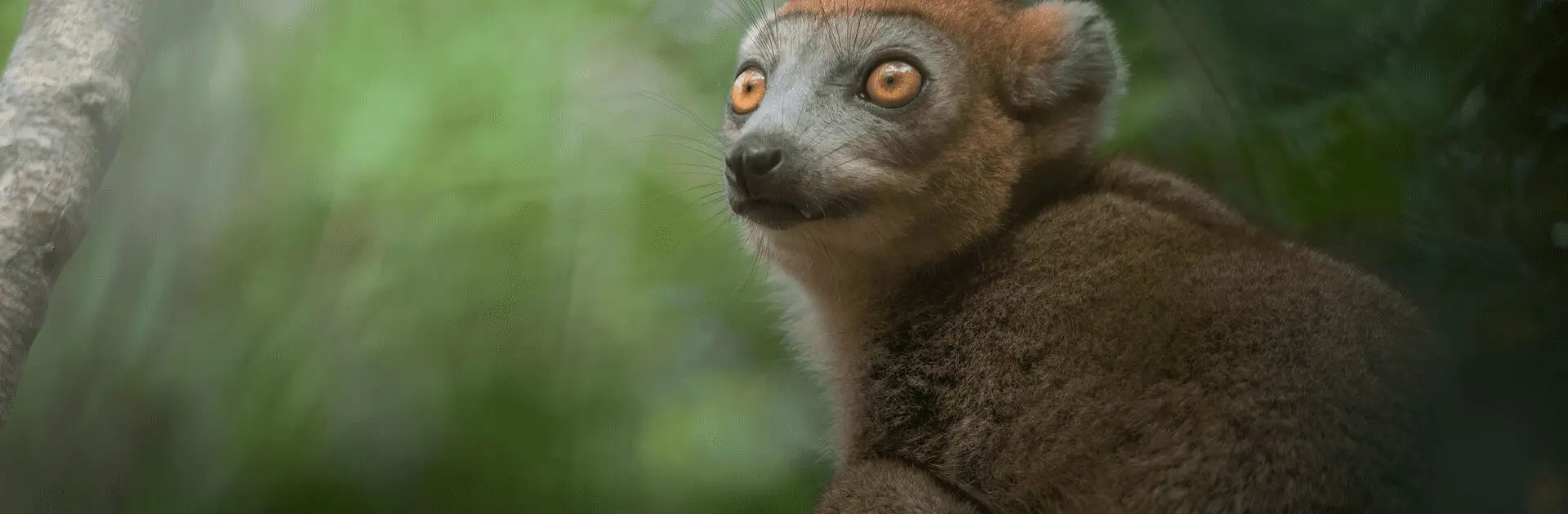
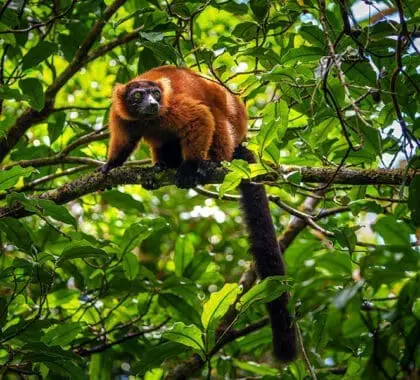
Lemurs are, understandably, the main draw for many travellers, with more than 100 species recognised across Madagascar. In Andasibe, the indri's haunting song echoes through the treetops. Anja Reserve brings you face-to-face with ring-tailed lemurs, while in northeastern Madagascar, Masoala National Park is one of the best places to look for the rare, red-ruffed lemur.
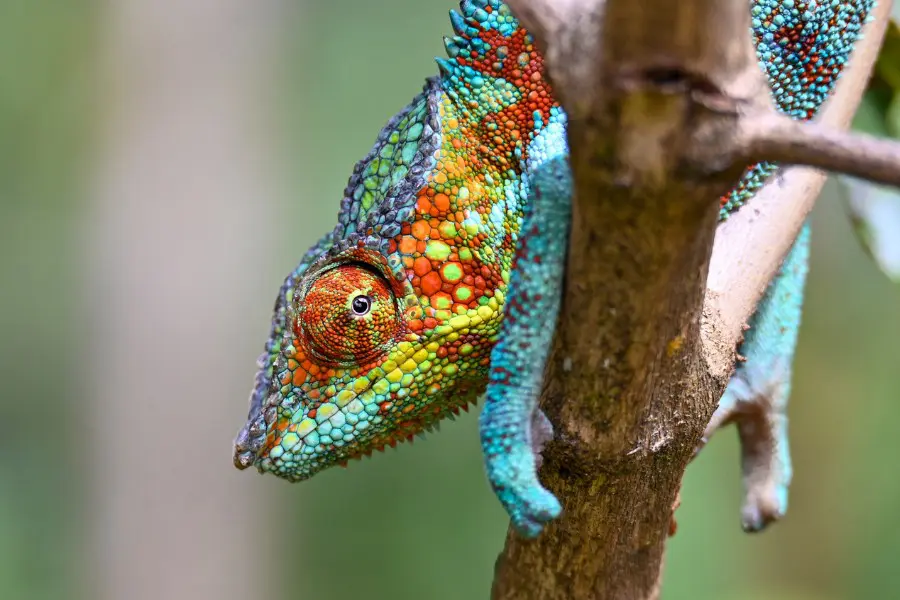
Chameleons quickly become part of the obsession too, appearing in a kaleidoscope of colours and shapes, with some so tiny they vanish before your eyes. Without a sharp-eyed guide, you would miss most of them.
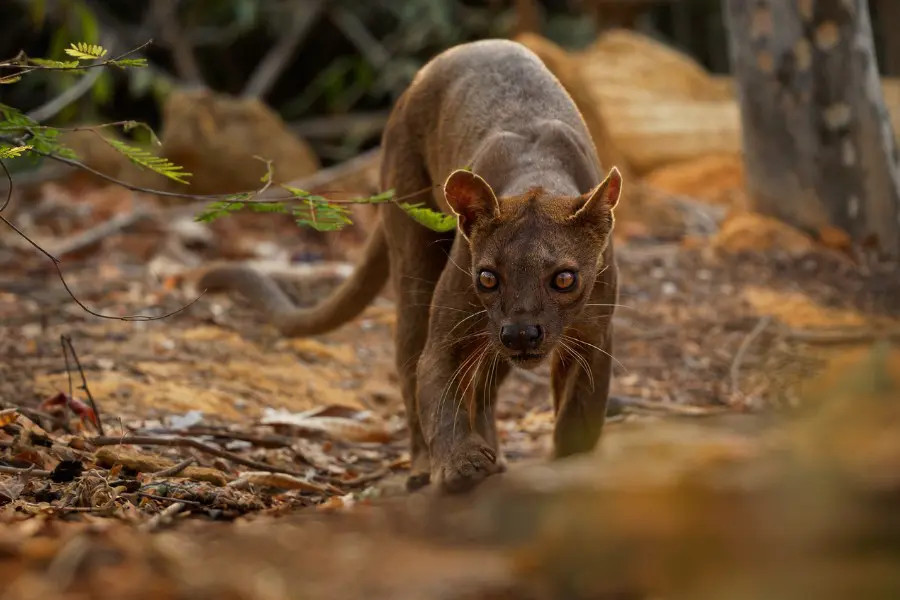
The fossa, Madagascar's elusive predator, is rarely seen but crucial to the island's balance, helping regulate lemur and small mammal populations. Your best chance to see one is in Kirindy Forest, especially at dawn or dusk. Birders will want to keep an eye out for endemic groups such as vangas and ground rollers, while the island's plant life ranges from dense rainforest to spiny desert, each supporting different ecosystems.
Since Madagascar's wildlife lives in such different environments, visiting at least two regions will give you a better feel for the island.
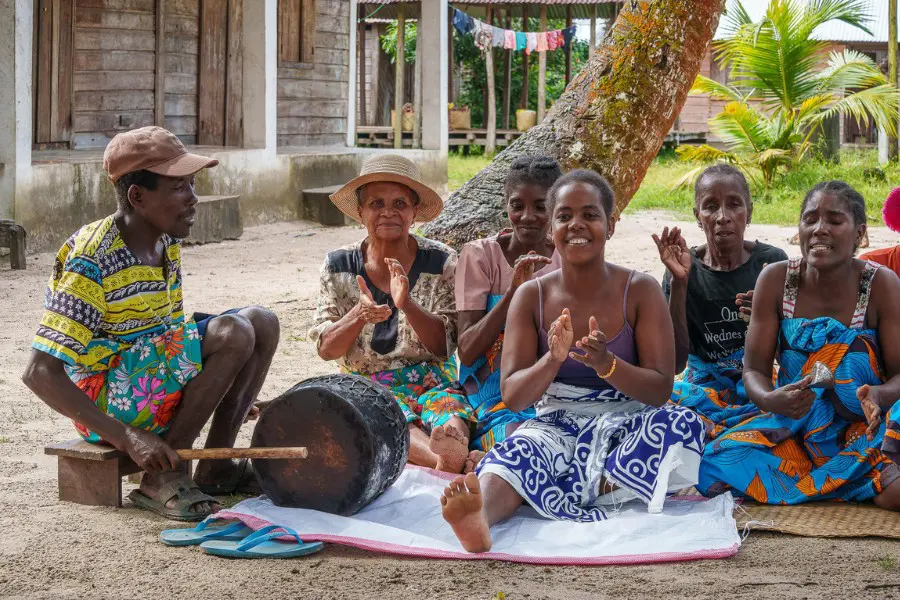
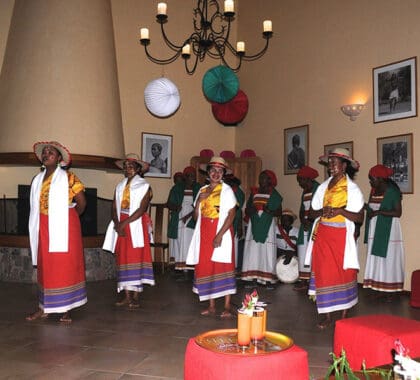
Madagascar's culture is a blend of African, South-East Asian, French, British, and Chinese influences, shaped by centuries of migration, trade, and royal history. Malagasy and French are the main languages, and while English is spoken in some tourism spots, it's not common everywhere. Learning a few basic Malagasy or French phrases for greetings and simple conversations goes a long way; locals really appreciate it. Most guides in parks and tourist areas speak English, but in rural places, knowing some French or Malagasy makes daily interactions easier and more enjoyable.
A big part of local life is fady, which are taboos or ancestral rules that vary by region. For instance, a forest might be considered sacred, some foods might be off-limits, or a gesture might be acceptable in one place but not in another. A good guide will explain these customs, making them an interesting part of your trip rather than something to worry about.
Food is another window into Malagasy life. Rice is central to most meals and is usually served with vegetables, seafood or meat such as zebu. Signature dishes include romazava, a traditional stew of zebu, greens and aromatics; ravitoto, made with cassava leaves and pork; and akoho sy voanio, a fragrant chicken and coconut dish.
Vanilla remains one of Madagascar’s best-known exports, but there's more to the island's food scene. In recent years, Madagascar has also gained a reputation for high-quality caviar from freshwater lakes in the highlands. This unexpected twist adds to a food culture shaped by both local traditions and outside influences.
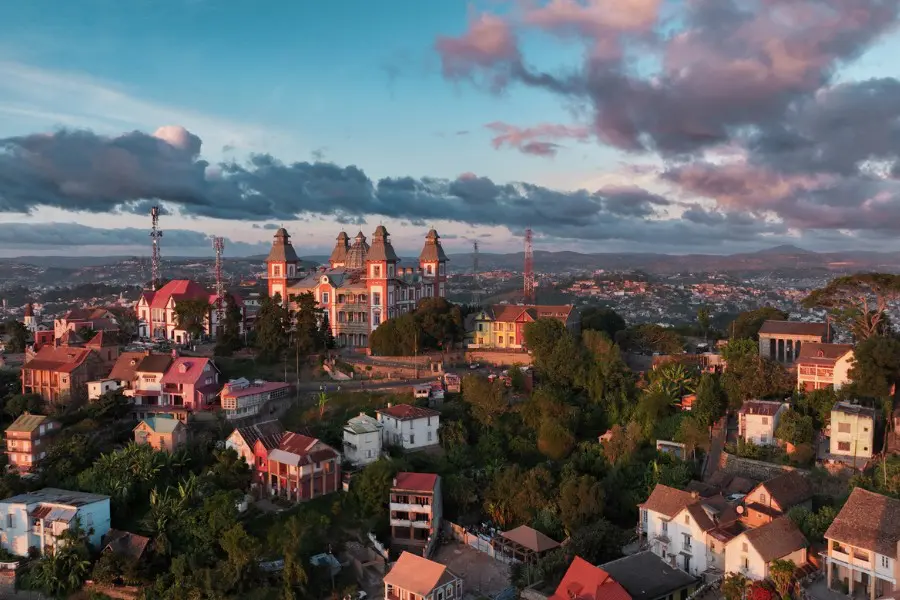
Most journeys to Madagascar begin in Antananarivo, with direct flights arriving from Johannesburg, Addis Ababa, Istanbul and Paris.
Madagascar is a large island, and road travel can be slow, so planning your route is important. It's not a place for self-driving. Most travellers use a mix of domestic flights and private 4×4 transfers, with flights usually connecting through Antananarivo to destinations such as Nosy Be, Tulear, and the east coast.
This is where your Africa Safari Expert helps, making sure your route makes sense, your travel time is realistic, and each stop connects well with the next.
Madagascar follows a classic southern hemisphere pattern, with hot, rainy summers from about November to April and cooler, drier winters from May to October. In general, the best time to visit is during the dry season, when roads are more accessible, rainforest trails are less muddy, and travel between regions is easier.
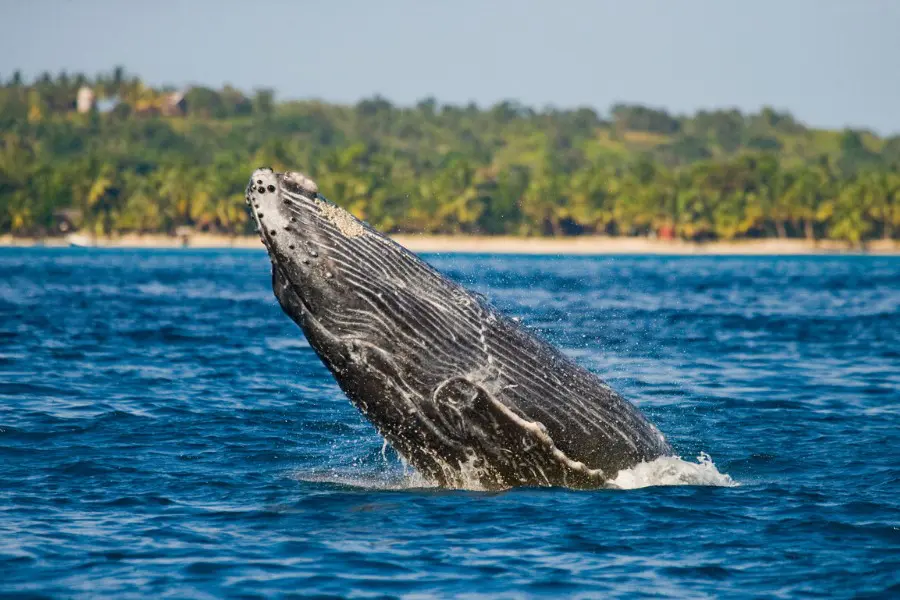
July to September is the best period for humpback whale watching off the east coast, especially around Île Sainte-Marie. The shoulder months of April and November can also work well for certain itineraries, depending on where you want to go.
From November to April, rainfall increases, and some coastal areas can be affected by cyclones, particularly around December and January. If you are hoping to combine the Avenue of Baobabs with rainforest lemur trekking, the dry season from May to October is usually the most practical time to do both.
Knowing what to pack also makes it easier to plan your Madagascar trip with confidence, especially when combining very different regions and climates. View all the information you need in our Madagascar travel advice guide.
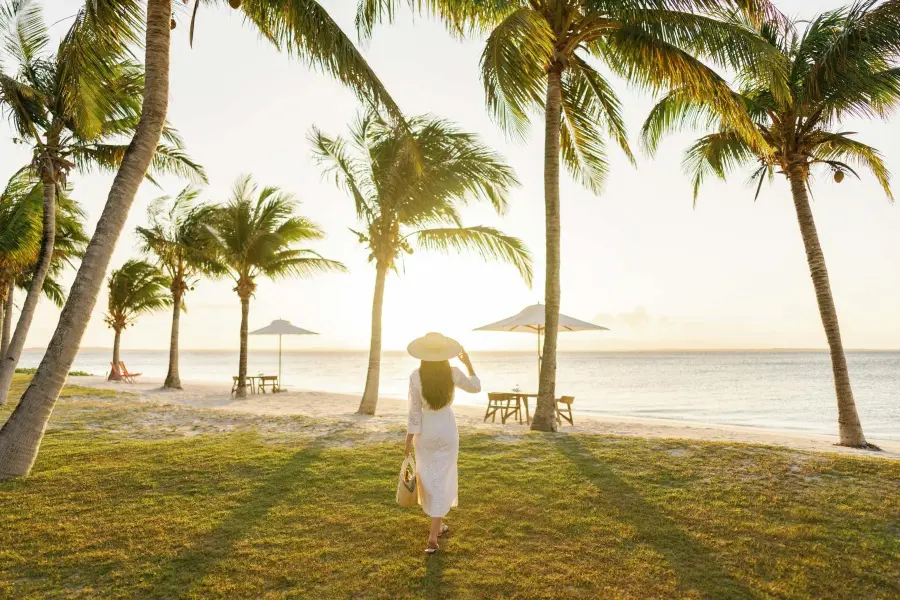
Madagascar is a safe and rewarding place to visit if you plan ahead and have the right support. Travel here isn't as polished as other African safari destinations, and journeys between regions can be long or a bit bumpy, which forms part of the island's unique charm.
A well-planned itinerary, reliable transfers, and knowledgeable local guides make the experience far easier to navigate.
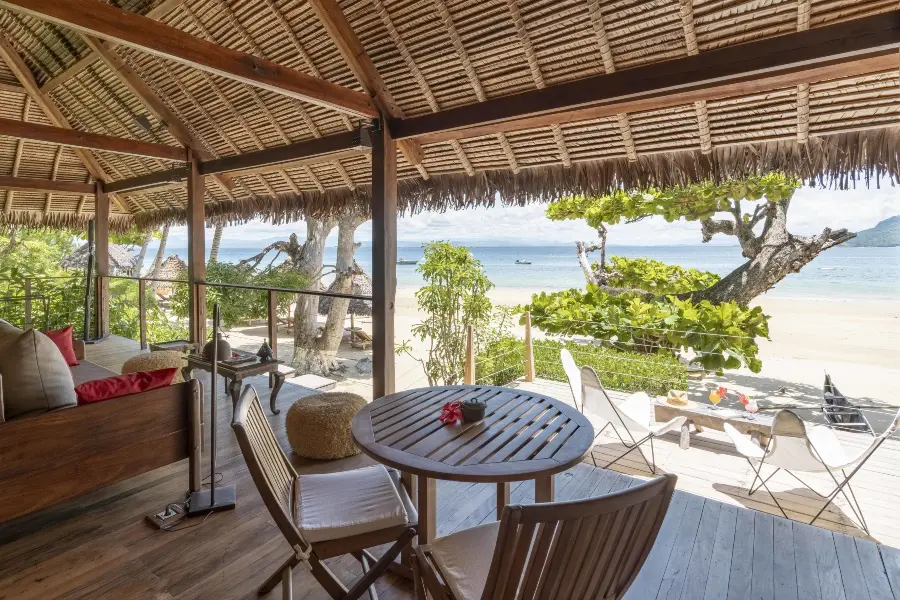
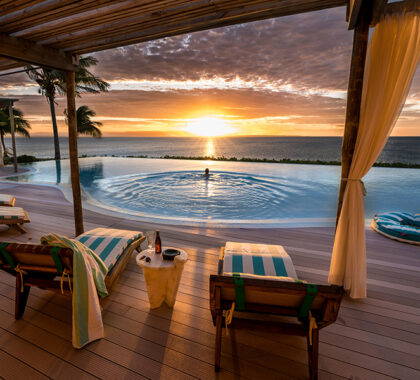
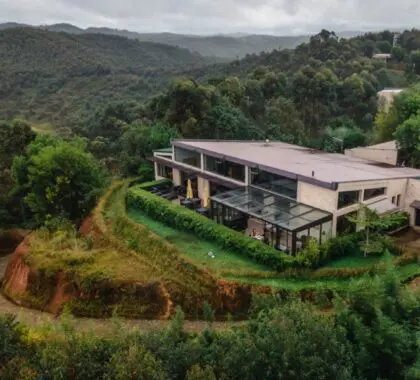
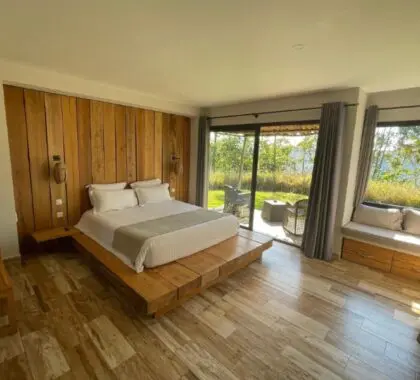
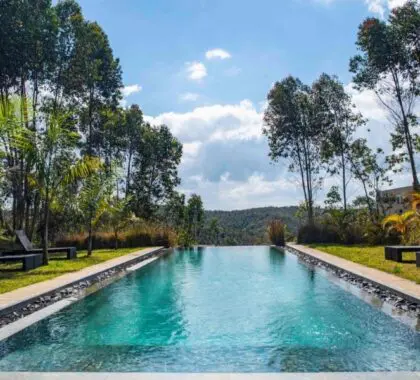
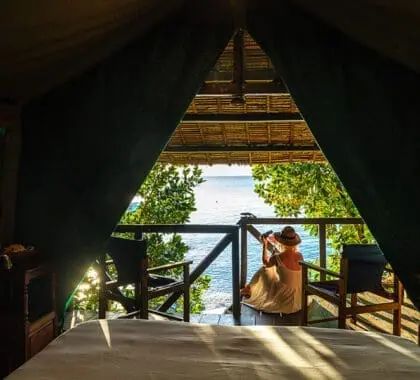
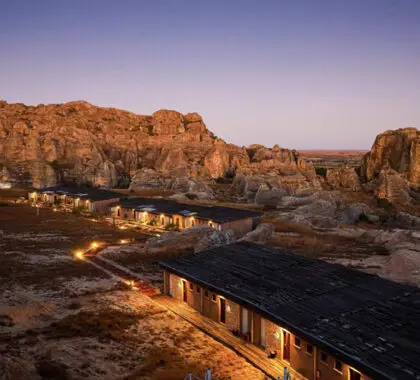
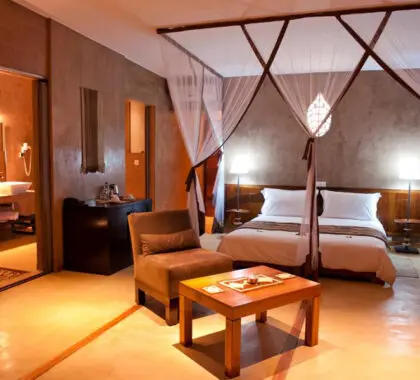
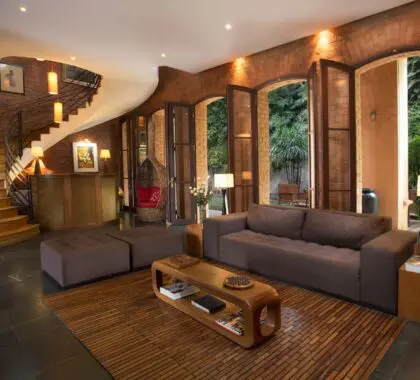
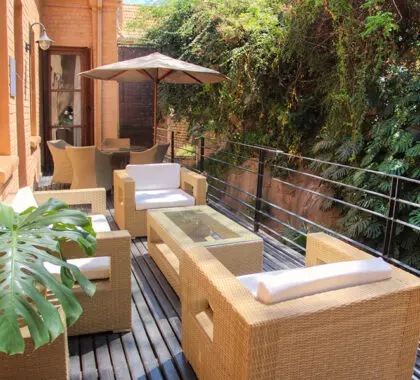
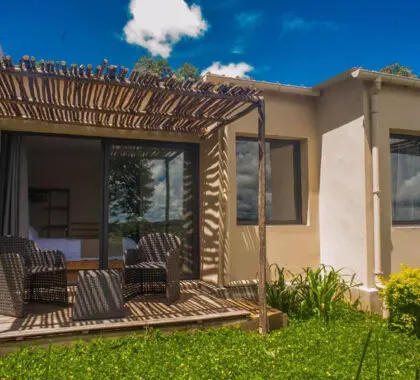
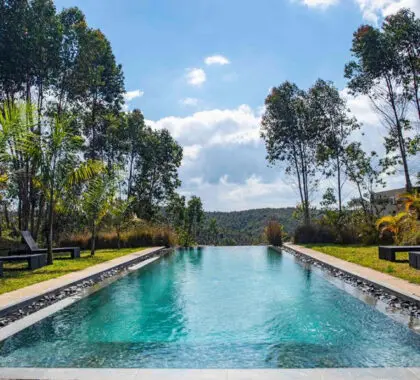
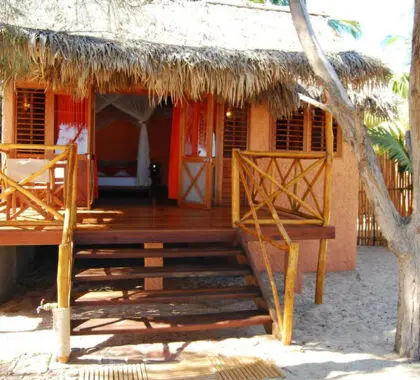
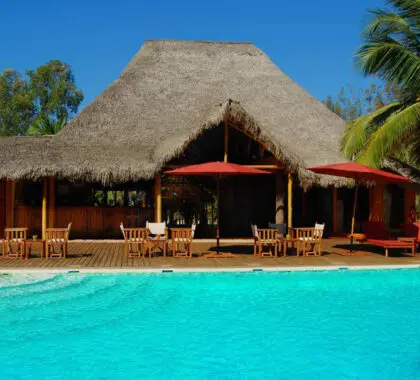
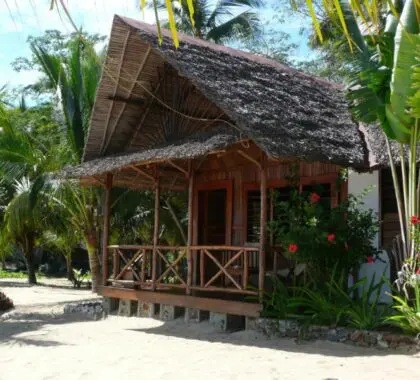
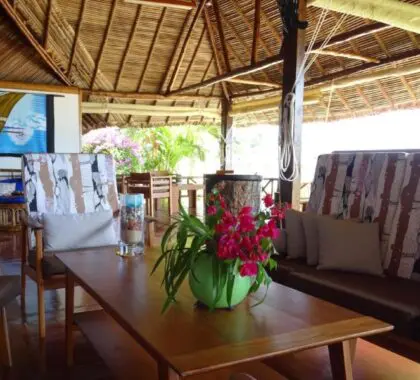
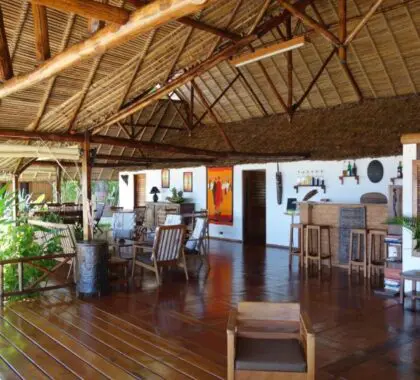
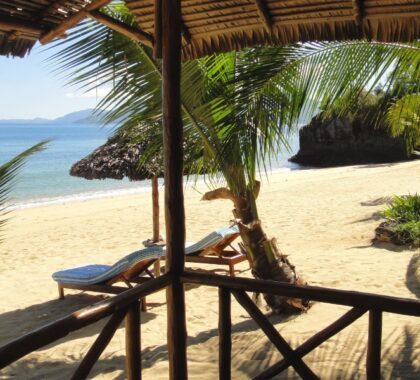
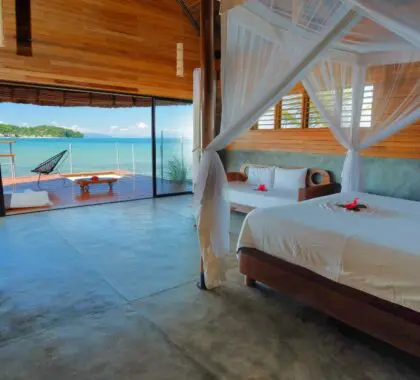
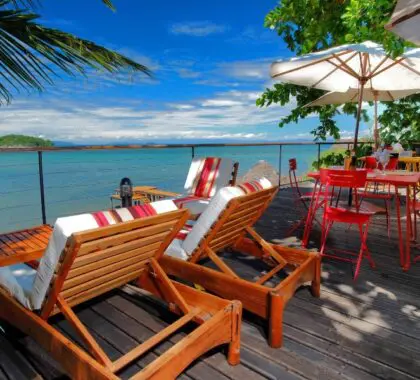
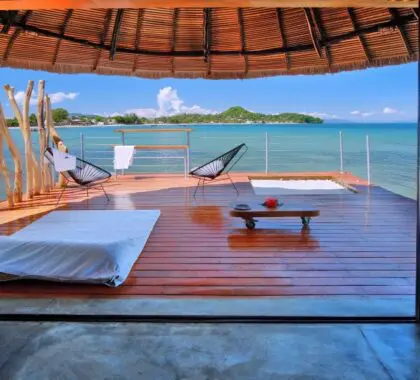
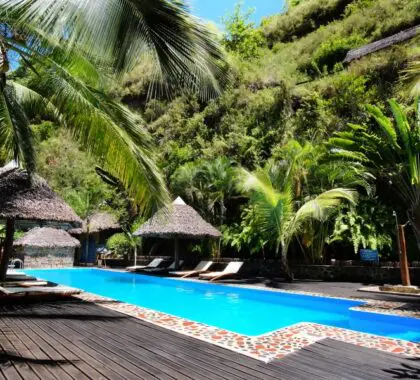
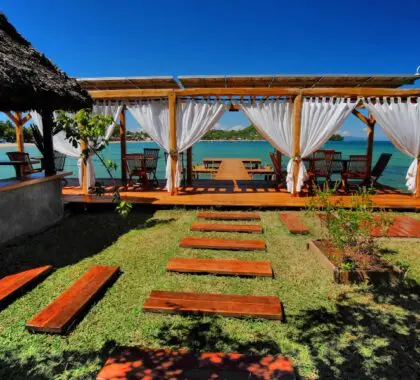
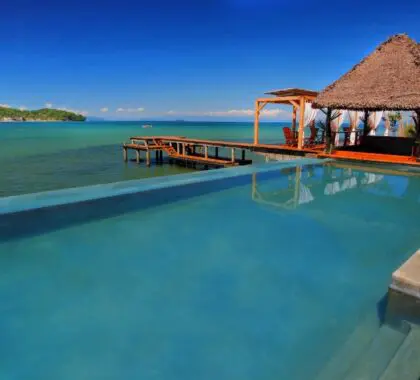
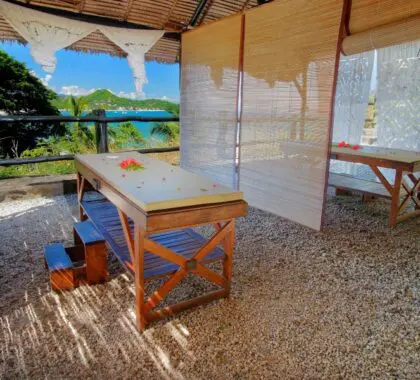
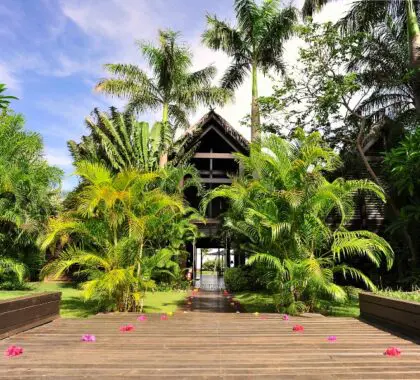
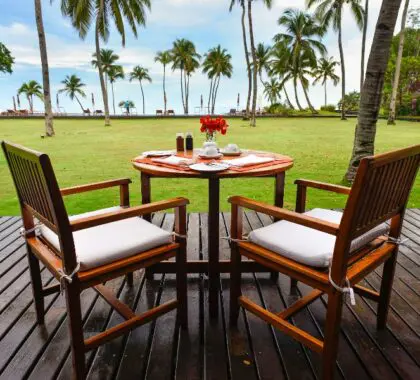
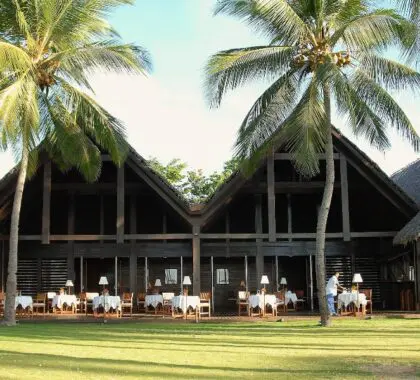
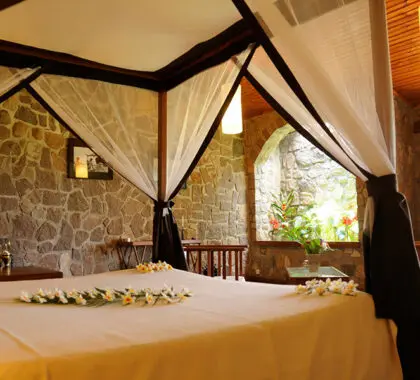
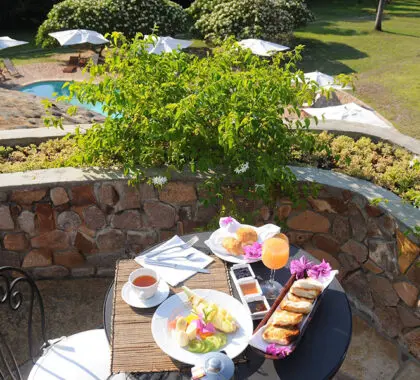
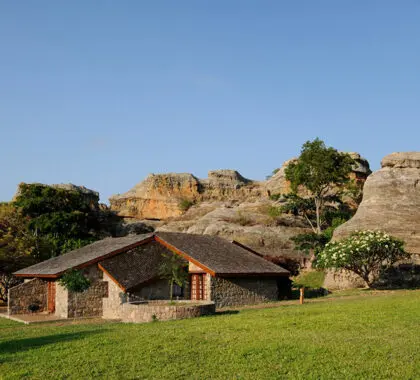
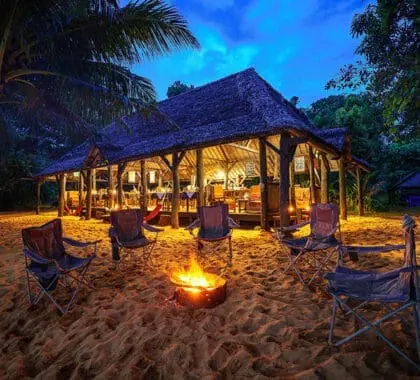
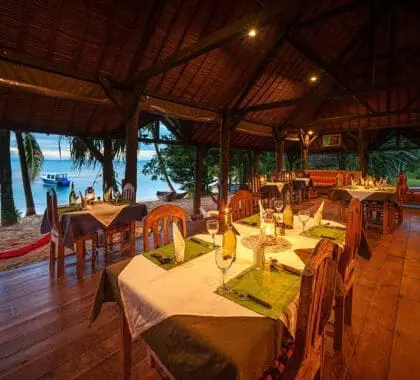
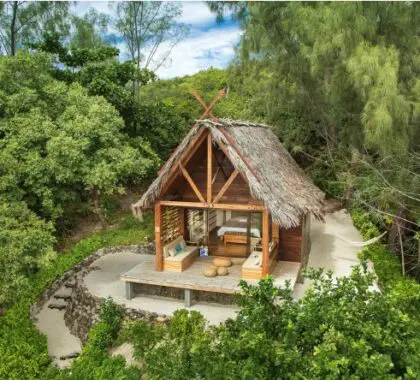
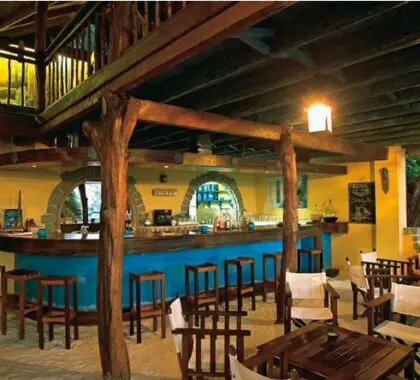
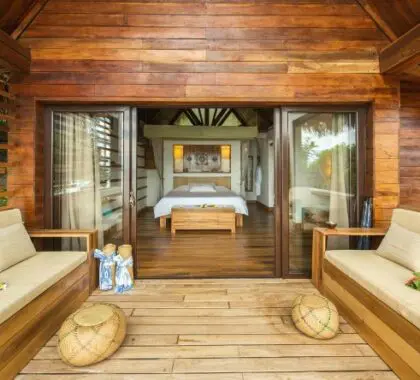
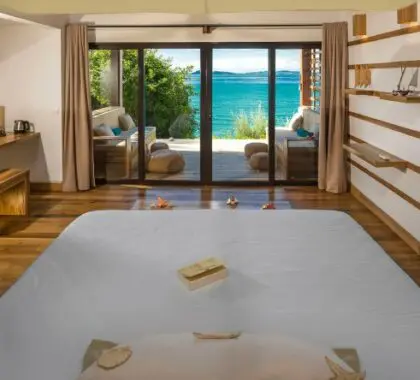
In Madagascar, you'll find a mix of eco-lodges, boutique hotels, and relaxed beach retreats, many near national parks or the coast. Madagascar isn't known for large, luxury safari lodges. Instead, its charm comes from smaller places that feel part of the forest, coastline, or nearby islands.
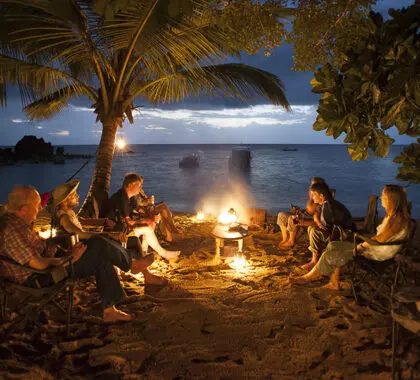
In Andasibe, forest lodges put you near wildlife trails. In Nosy Be and nearby islands, beach retreats give you easy access to the sea and a slower pace after exploring inland.
Explore our top places to stay in Madagascar.
Madagascar takes more planning than most destinations because distances are long and travel between regions can be slow. For a first trip, we recommend 10 to 14 days so you can visit a few areas without rushing.
Choosing the right route matters. Combining places like Andasibe, Ranomafana or Isalo with time on the coast in Nosy Be or Île Sainte-Marie helps you see different parts of the island without unnecessary travel. Flights and road transfers are often used together, so it's important to plan connections carefully.
With more than 25 years of experience in Africa, our Africa Safari Experts use their first-hand knowledge to create trips that match how you want to travel. Get in touch to start planning your journey.