Language
- Deutsch
- English
- Español
- Français
- Italiano
- Nederlands
- Português
Currency
- AUD Australian Dollar
- CAD Canadian Dollar
- EUR Euro
- GBP Pound Sterling
- SGD Singapore Dollar
- USD US Dollar
- ZAR Rand

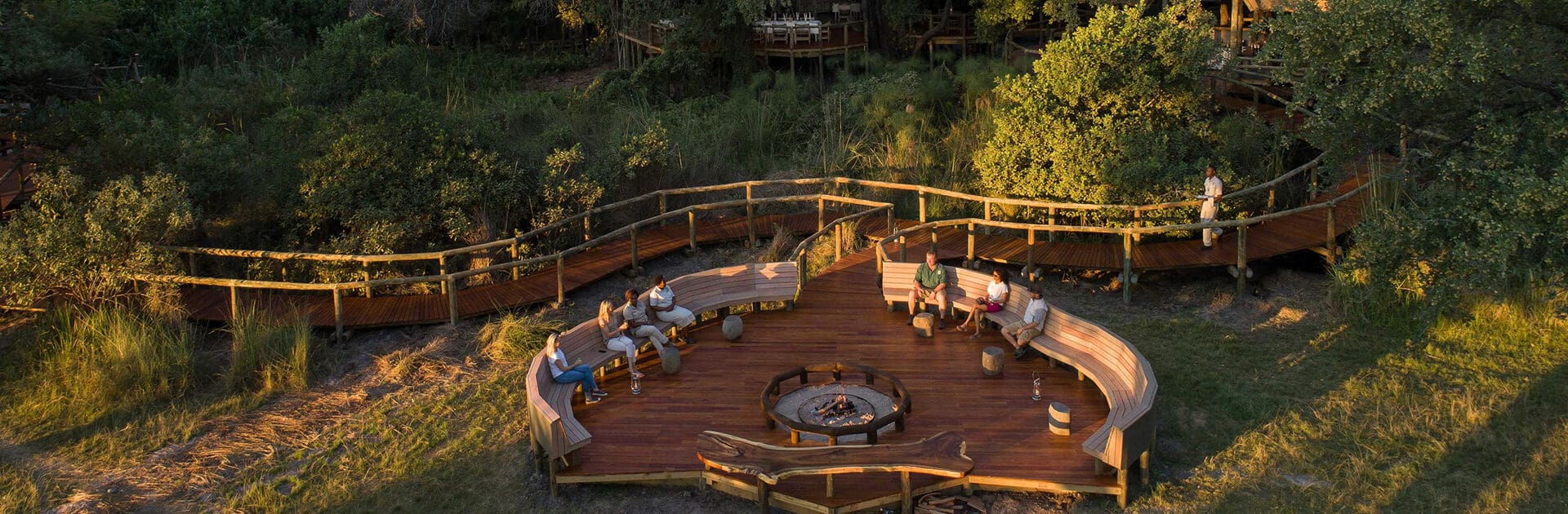
Botswana is home to some of Africa's most iconic safari destinations, where conservation and sustainable tourism take centre stage. Unlike many other African countries, Botswana national parks and reserves maintain a focus on low-impact, high-quality tourism to protect their ecosystems. This commitment means you can enjoy an exclusive safari experience, far from the crowds, knowing that your travels have a light footprint, and contribute to keeping this country pristine and thriving.
Botswana parks are celebrated for their diversity – from the lush waterways of the Okavango Delta to the sprawling salt pans of Makgadikgadi. Wildlife thrives in these well-protected areas, where elephants, lions, leopards, and even the elusive brown hyena roam free. Whether you’re a first-time safari-goer or a seasoned traveller, national parks and game reserves in Botswana has something for everyone to enjoy.

The country boasts four national parks and a combination of game reserves, each offering a distinctive safari experience. The national parks in Botswana—Chobe, Nxai Pan, Makgadikgadi Pans, and Kgalagadi Transfrontier Park—are renowned for their diverse ecosystems and incredible wildlife. From the vast floodplains of Chobe, home to Africa’s largest elephant herds, to the remote salt pans of Makgadikgadi, Botswana parks showcase a rich variety of habitats.
If you're wondering when to go to Botswana for the best safari experience, the dry season (May to October) offers prime game viewing as wildlife congregates around water sources. The green season (November to April), while quieter, is ideal for birdwatching and witnessing new life as young animals are born.
These are our selection of must-visit national parks and game reserves in Botswana for safari:

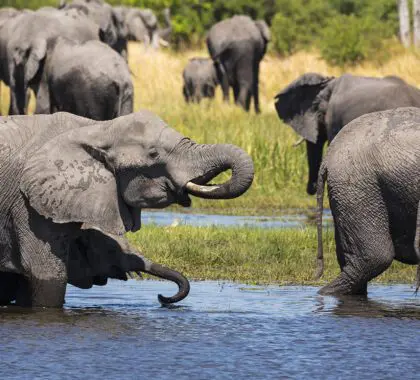
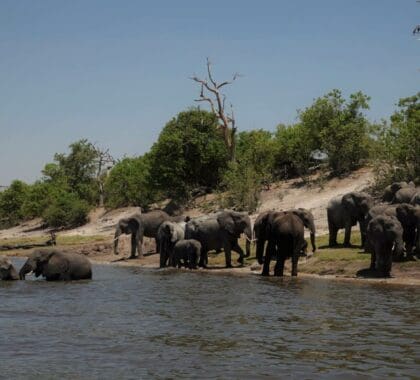
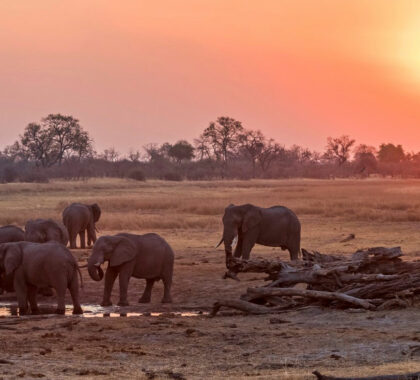
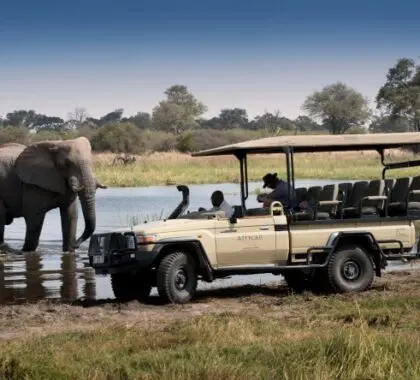
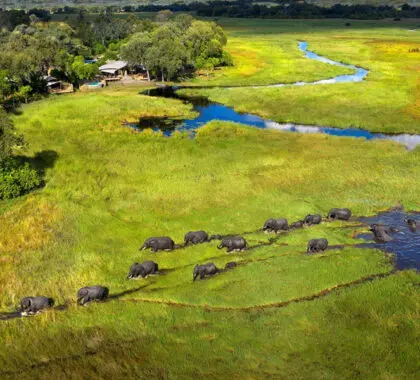
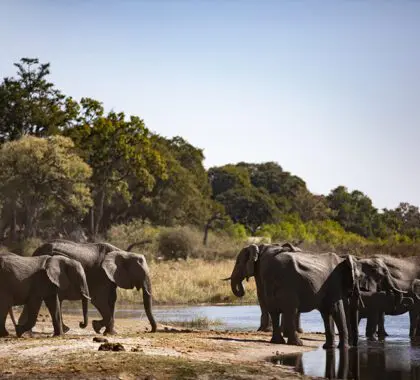
Chobe National Park, located in northern Botswana, is a premier wildlife destination, well-known for its rich diversity of wildlife and stunning landscapes. Spanning approximately 11,700 square kilometres (4,517 square miles), Chobe is home to one of the largest concentrations of elephants in Africa – as well as an array of predators and bird species.
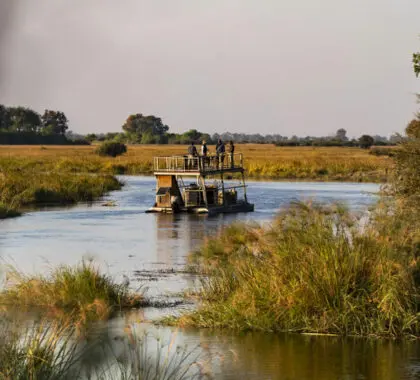
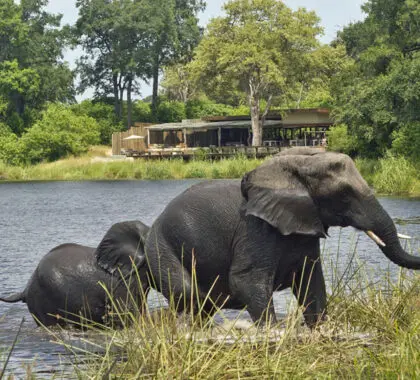
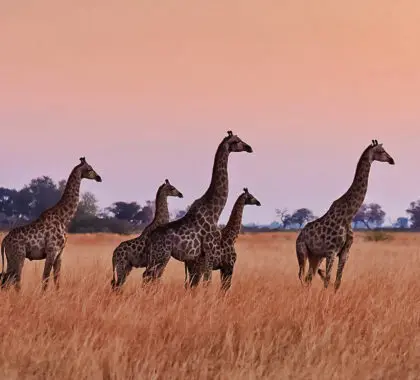
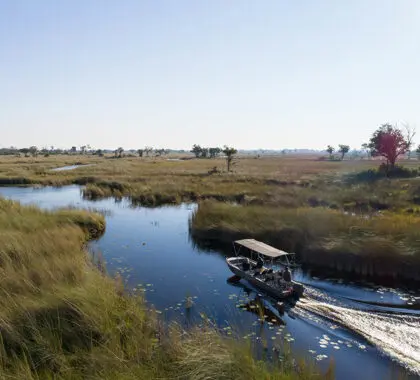
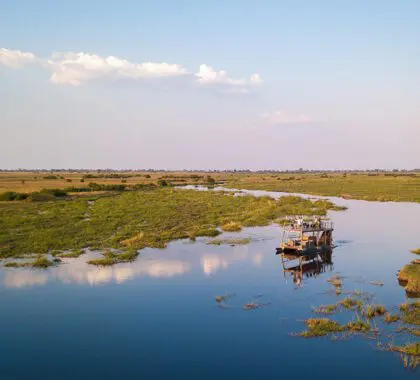
Its varied ecosystems range from lush floodplains and dense woodlands to the famed Chobe Riverfront, making for exceptional game viewing all year-round. Aside from the elephants, you can also see lions, leopards, giraffes, and an array of antelope species. One of the best things to do in Botswana are boat safaris, where you can experience wildlife from the water – a unique and engaging perspective.
The dry season (May to October) at this national park in Botswana is the best time for game viewing, as animals are drawn to the riverbanks. The green season (November to April) is ideal for birdwatching, cheaper rates for accommodations, and fewer crowds.
Chobe is central to Botswana's conservation efforts, with anti-poaching units and initiatives to protect its vast elephant population and other wildlife.
Botswana is a wildlife haven like no other. Its combination of diverse landscapes, from the lush Okavango Delta to the dry Kalahari Desert, offers unparalleled safari experiences, with the added exclusivity of private concessions and fewer crowds. This makes Botswana the perfect destination for those seeking an authentic and intimate connection with Africa's wildlife.
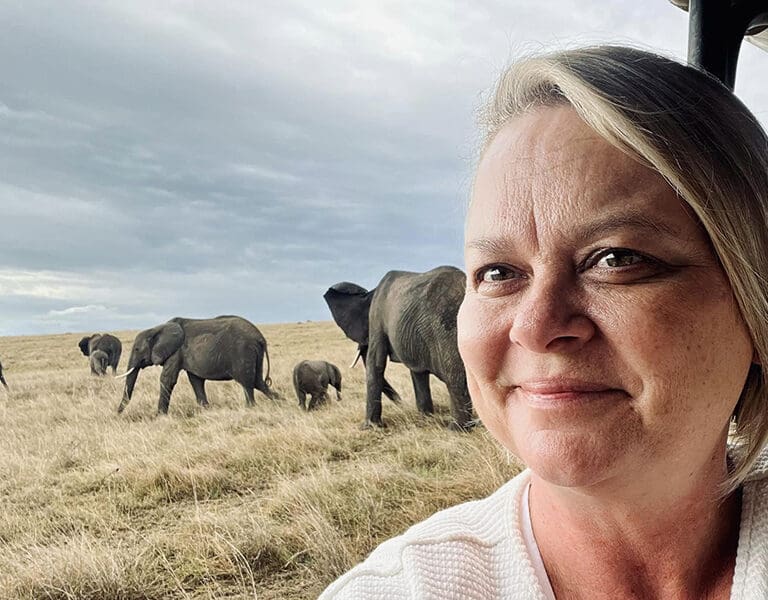
Africa Safari Expert: Maureen Stover

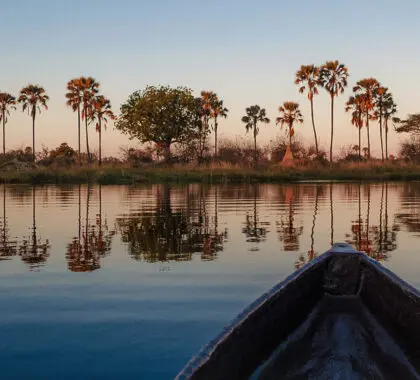
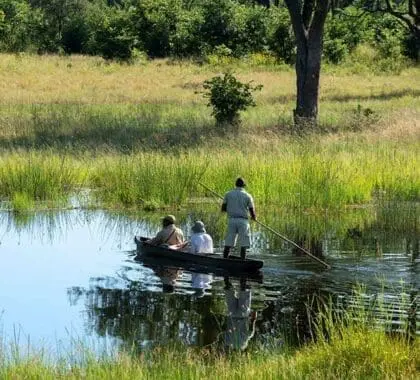
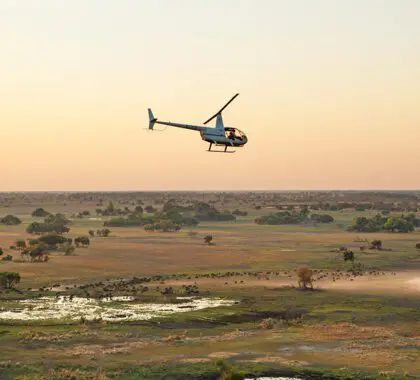
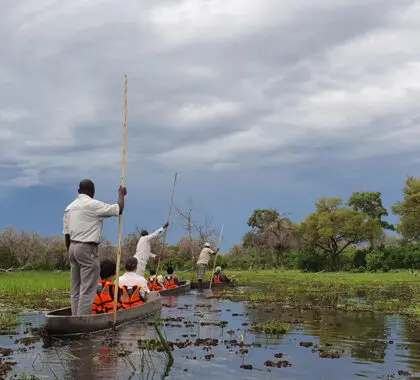
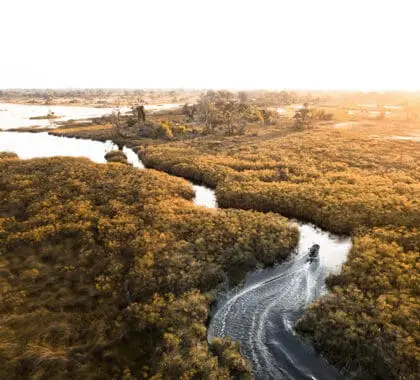
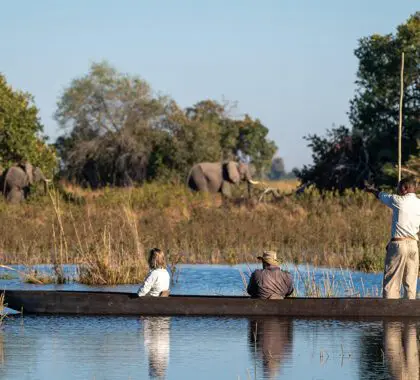
Moremi Game Reserve, set within the Okavango Delta, is often hailed as one of the most beautiful and diverse wildlife reserves in Africa. This reserve combines permanent water channels with drier areas, providing a habitat for a vast range of species, from elephants and lions to the rare African wild dog. One of the highlights of visiting Moremi is the opportunity to explore the delta's waterways on a mokoro, a traditional dugout canoe. It also has some of the best selections of Botswana safari lodges and camps.
Best Time to Visit:
June to October is the peak time for game viewing. The Okavango Delta's floodwaters usually peak between July and August, making it the best time for water-based activities.
Moremi was the first reserve in Africa created by local communities. Its conservation model includes support for anti-poaching efforts and sustainable tourism.

Linyanti Game Reserve, located in northern Botswana along the Linyanti River, is a private, exclusive safari destination known for its remote beauty. Covering around 1,250 square kilometres (483 square miles), this pristine wilderness features diverse landscapes ranging from riverine forests and swamps to open floodplains and savannahs. Linyanti is particularly famous for its large herds of elephants, which gather near water sources, especially during the dry season. You can also spot predators like lions, leopards, and the endangered African wild dog.
Game drives, walking safaris, and boat excursions are some of the best ways to explore this unspoiled area. Linyanti's exclusivity and low-density tourism make it a hidden gem for those seeking a quieter alternative to more popular parks like Chobe and the Okavango Delta.
The dry season (May to October) is the best time for wildlife viewing, as animals gather around the permanent water sources. The green season (November to April) is ideal for birdwatching and offers lush landscapes, but wildlife can be more dispersed.
Linyanti Reserve plays a key role in Botswana's conservation efforts, with sustainable tourism practices and initiatives aimed at protecting wildlife and preserving the delicate ecosystems of this remote area. The presence of a few select lodges helps minimise environmental impact while supporting local conservation programmes.
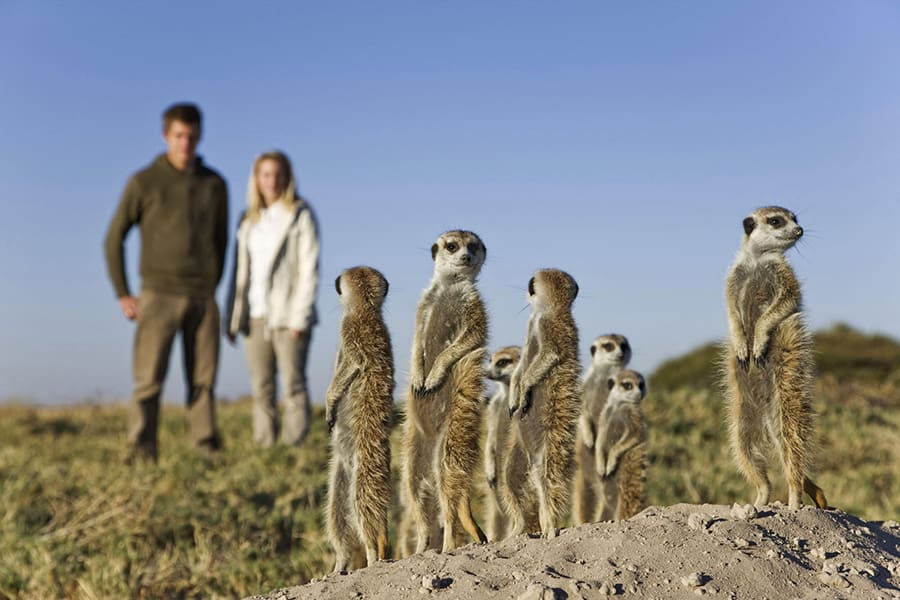
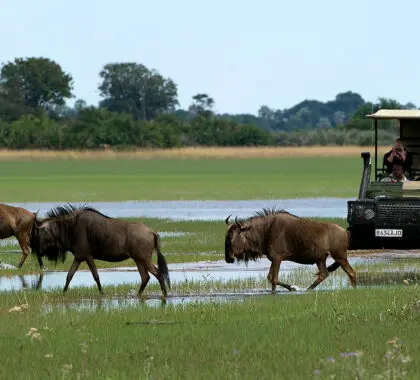
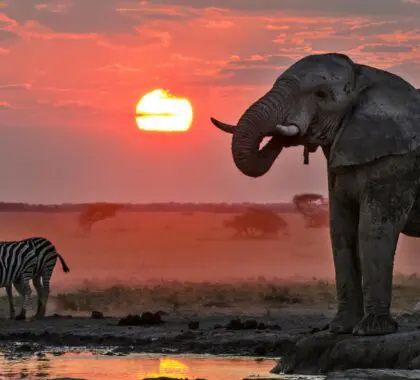
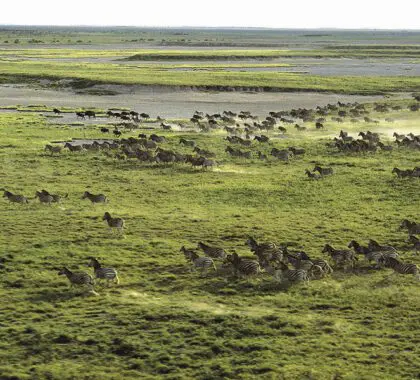
Makgadikgadi Pans National Park offers a surreal landscape quite unlike any other and is one of the best national parks in Botswana. The vast salt pans, remnants of an ancient lake, stretch as far as the eye can see, creating an almost otherworldly environment. During the wet season, the pans become an oasis, attracting thousands of zebras and wildebeest, followed closely by predators like lions and hyenas. One of the unique experiences here is the opportunity to go quad biking across the pans or spend time with the resident meerkat colonies.
Visit during the wet season (November to April) to witness the zebra migration. The dry season (May to October) is ideal for exploring the barren salt flats.
Makgadikgadi forms part of the greater Kalahari ecosystem, with efforts focused on preserving its delicate habitats and supporting wildlife migration corridors.

The Central Kalahari Game Reserve (CKGR) is one of the largest and most remote protected areas in Africa, covering an impressive 20,400 square miles (52,800 square kilometres). This vast wilderness is renowned for its sweeping open savannahs, dotted with acacia trees and home to a diverse array of wildlife, including the elusive brown hyena, graceful cheetah, and striking oryx.
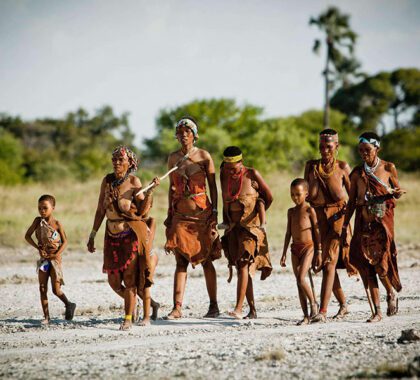
CKGR's ever-changing landscapes are particularly remarkable for their dramatic seasonal transformations. During the dry season, the reserve resembles a desert with its parched, arid conditions, but after the rains, it transforms into a lush, green paradise, attracting migratory species and providing excellent game-viewing opportunities. But it's not all about the abundant wildlife, the CKGR offers a unique cultural experience with the San Bushmen, one of the world’s oldest surviving cultures. You can have the chance to engage with the San and learn about their rich heritage, traditional survival skills, and deep connection to the natural environment.
December to April, during the green season, is the best time to see wildlife, as the rains transform the landscape, attracting large herds of herbivores and their predators.
CKGR is a sanctuary for endangered species like the brown hyena and supports community-based conservation initiatives.

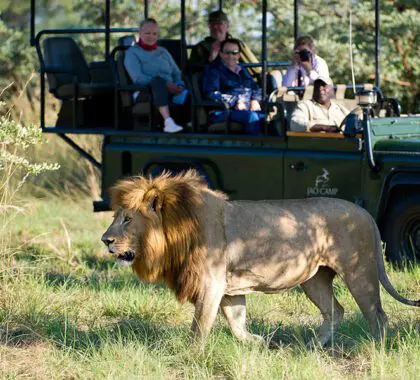
The Kgalagadi Transfrontier Park straddles the border between Botswana and South Africa, offering an expansive wilderness of red dunes, salt pans, and dry riverbeds. This Botswana park is known for its big cats, especially the black-maned Kalahari lions, as well as cheetahs, leopards, and hyenas. Birdlife is also abundant, with species such as the sociable weaver and pygmy falcon calling this region home. Game drives in Kgalagadi offer exceptional predator sightings, and the remote, off-the-beaten-track nature of the park makes for a more exclusive safari experience.
The cooler months (May to September) are ideal for game viewing, as animals congregate near the dry riverbeds. The summer months can be extremely hot but are great for birdwatching.
Kgalagadi is a transboundary park, which means conservation efforts are shared between Botswana and South Africa. This collaborative approach has helped protect the park's unique ecosystems and wildlife.
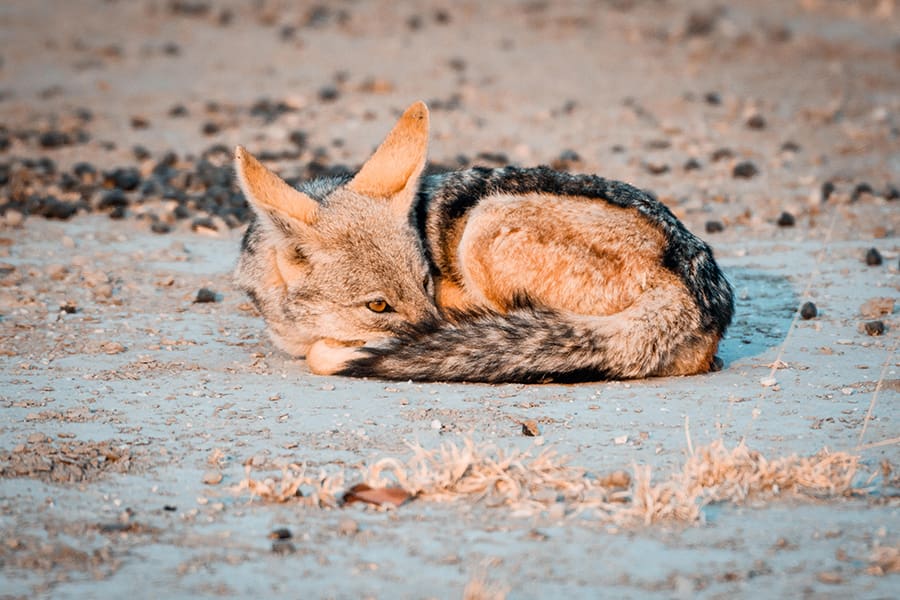
Nxai Pan National Park, part of the greater Makgadikgadi complex, spans approximately 1,670 square miles (4,320 square kilometres) and is famous for its unique landscapes and wildlife. One of its most iconic features is Baines' Baobabs, a striking cluster of ancient baobab trees named after the British artist and explorer Thomas Baines. These towering, centuries-old trees are a favourite stop for photographers.
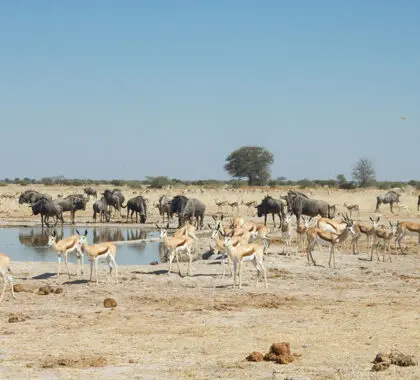
Another key attraction is the park's vast salt pans, which during the dry season appear as stark, white expanses, but after the rains, transform into verdant, grassy plains. This seasonal shift draws large herds of wildlife, including springbok, giraffe, and elephant, making Nxai Pan a prime location for game viewing during the wet season. Despite its rich offerings, Nxai Pan National Park remains less visited than some of Botswana's more famous parks, providing a quieter safari experience.
The wet season (November to April) brings wildlife to the pans. The dry season (May to October) is also good for game viewing, with predators like lions and cheetahs often being seen.
Like Makgadikgadi, Nxai Pan is part of a larger conservation area, with initiatives to preserve its unique ecosystems and support wildlife migration.
Chat with someone who's been there. Get in touch with one of our Africa Safari Experts:

 1-866-438-8677
 +27-21-481-4900
 1-888-360-2392
 1-800-619-441
 0800-404-9451
 800-852-6502